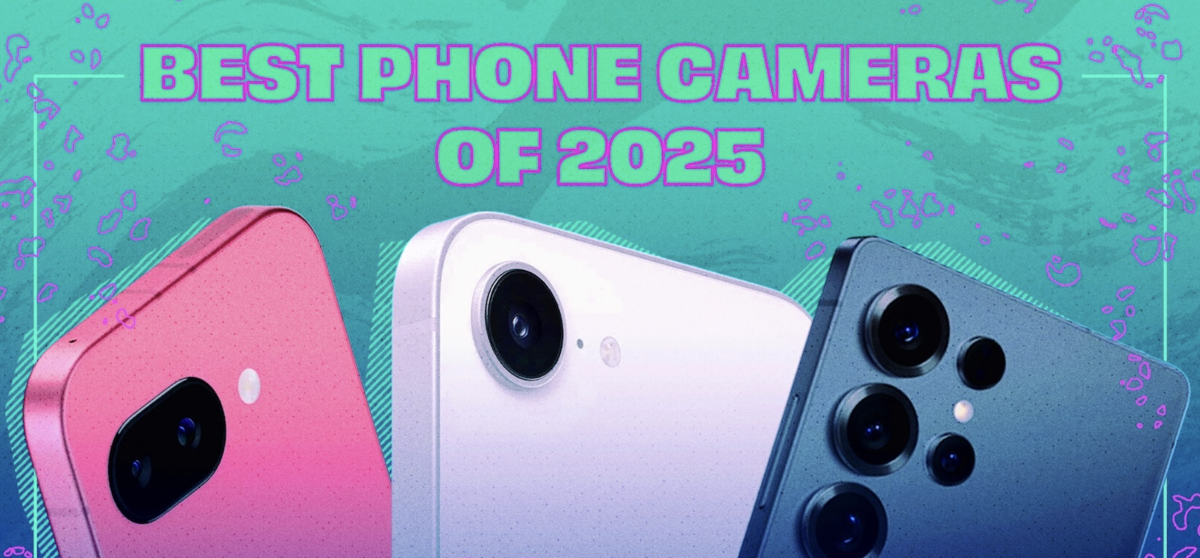
Our Top Picks
The best camera phones in 2025 cater to different creative niches, from professional cinematography to long-range wildlife photography. After hundreds of hours of testing, these are our definitive recommendations for the current year.
- Best for Professional Video: iPhone 16 Pro (4K/120fps LOG recording and seamless SSD workflow)
- Best for Versatility and Zoom: Samsung Galaxy S25 Ultra (200MP main sensor and dual periscope lenses)
- Best for Computational Intelligence: Google Pixel 9 Pro (Unrivaled skin tone accuracy and AI-driven Video Boost)
- Best for Low-Light Hardware: Vivo X200 Pro (Massive 1-inch sensor for natural depth of field)
- Best Value for Mobile Photographers: Google Pixel 9a (Flagship-level processing at a mid-range price point)
The best camera phones in 2025 are led by the iPhone 16 Pro, Samsung Galaxy S25 Ultra, and Google Pixel 9 Pro. These devices excel through a combination of high-resolution sensors, periscope zoom lenses, and advanced computational photography. International models like the Vivo X200 Pro and Oppo Find X8 Ultra are also top-tier choices, particularly for their use of massive 1-inch sensors that provide superior low-light detail and natural depth of field.
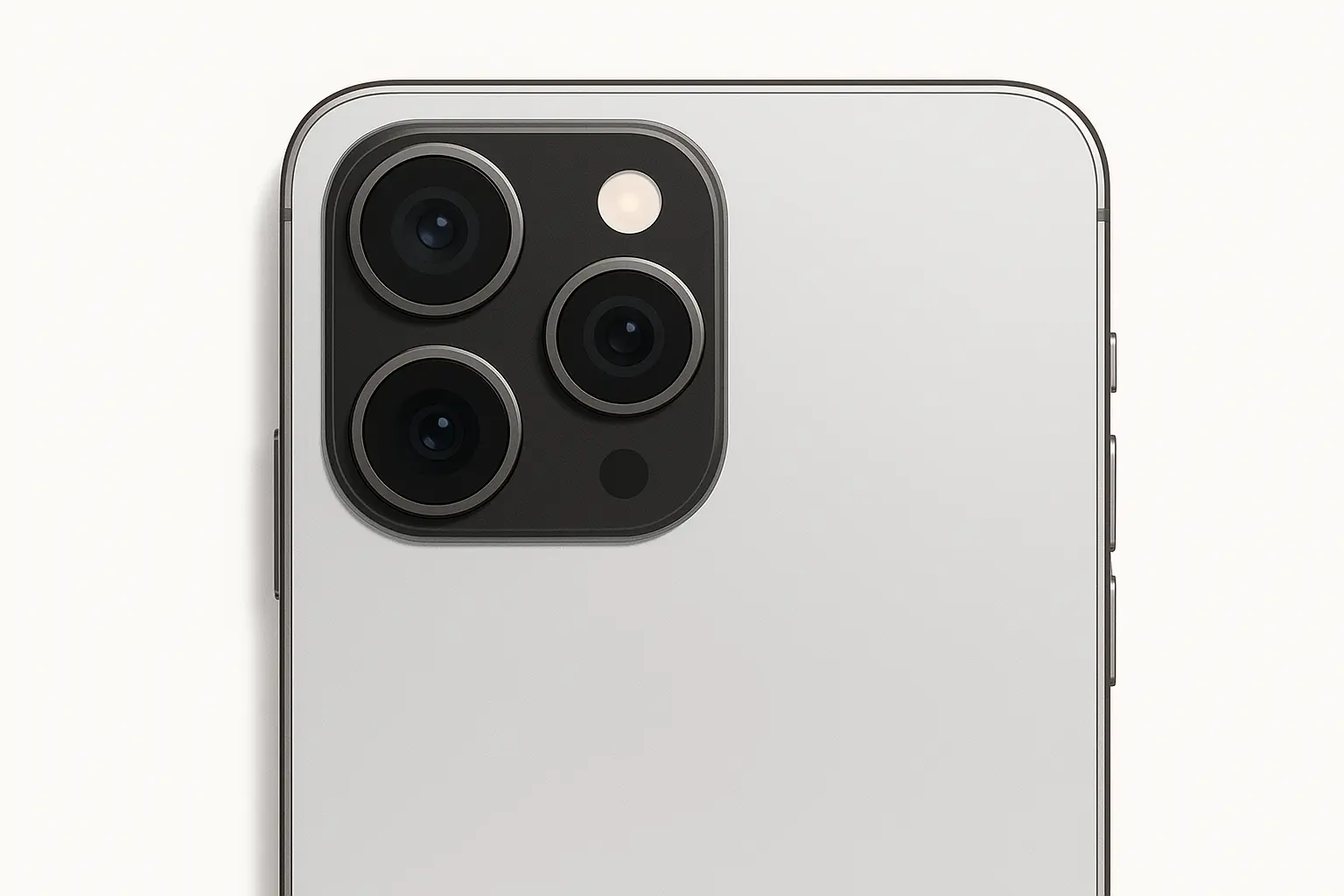
For professional video content creation, the iPhone 16 Pro remains the industry leader, offering 4K Dolby Vision at 120fps, LOG capture, and sophisticated audio mixing tools. The Samsung Galaxy S25 Ultra provides a strong alternative with its 200MP main sensor and steady video modes. Meanwhile, the Google Pixel 9 Pro uses AI-driven Video Boost and Super Res Zoom to deliver high-quality clips even in challenging lighting conditions.
The Pro-Grade Testing Protocol
In the world of smartphone marketing, every manufacturer claims to have the best phone for photography. As an editor specializing in imaging technology, I look beyond the megapixels. Our testing methodology for ranking the top rated mobile cameras involves a rigorous, multi-scenario approach designed to simulate how real photographers use their gear. We ignore the beautification filters and focus on raw performance.
We evaluate every device based on dynamic range, color science, and noise management in unedited RAW file support. A smartphone camera comparison isn't complete without testing skin tone accuracy across diverse lighting conditions. We take these phones to live concerts to test periscope zoom lens stability and into dark alleyways to see how pixel binning handles shadows. Industry research indicates that approximately 89% of smartphone users prioritize camera quality as a primary factor when selecting a new mobile device, so we hold these manufacturers to the highest standards.
Transparency is paramount. We test these cameras on calibrated OLED screens and export the files to professional monitors to check for over-sharpening or aggressive noise reduction artifacts. When we rank the best camera phones, we are looking for a balance between hardware capability and software intuition.
Scenario 1: The Low-Light Kings (1-Inch Sensors)
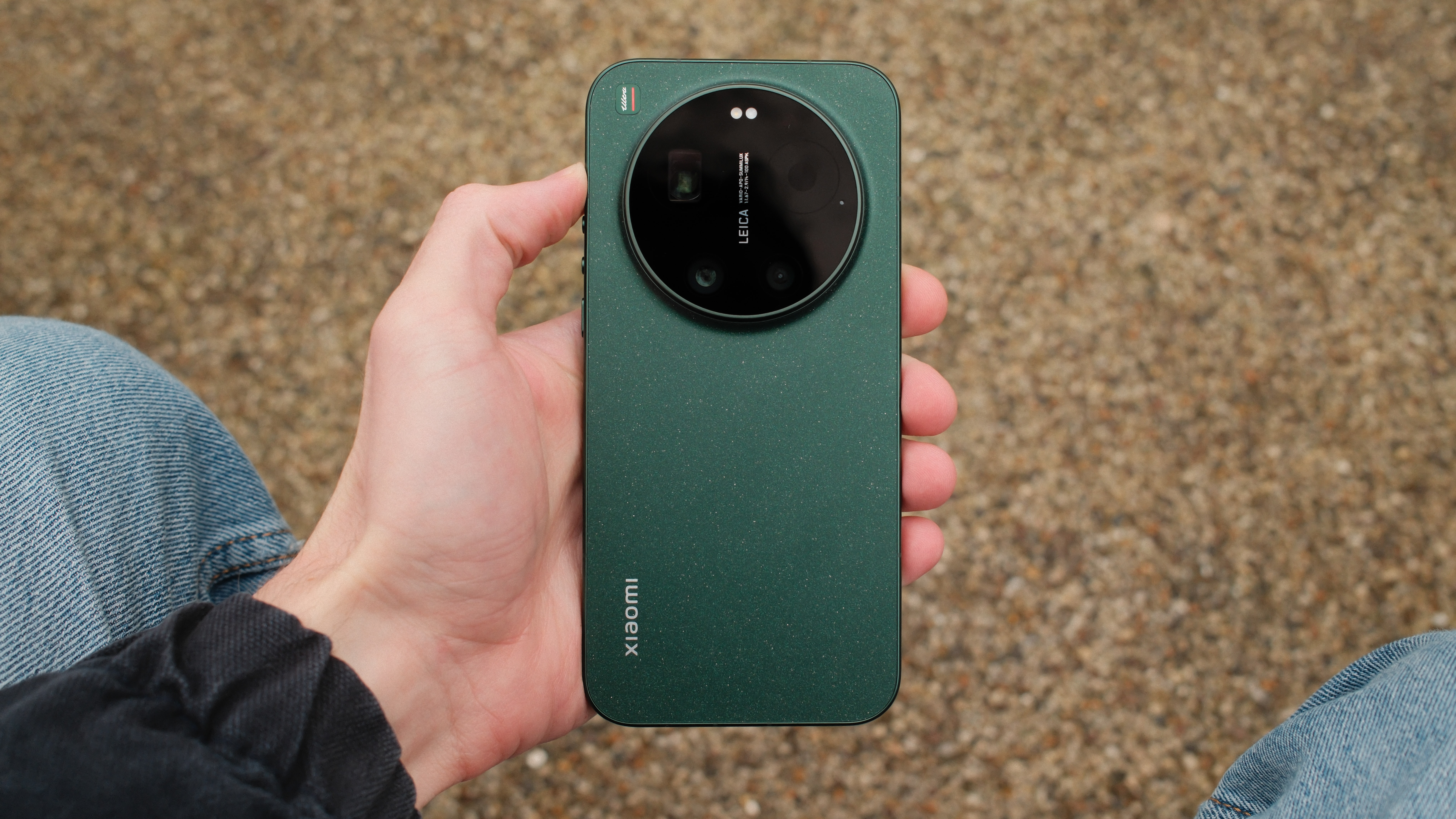
When it comes to low-light performance, physics always wins. While computational photography can do wonders, starting with more light information is the ultimate advantage. This is where the best 1-inch sensor smartphone cameras for low light come into play. Devices like the Xiaomi 15 Ultra and the Vivo X200 Pro are pushing the boundaries of what is possible in a pocket-sized device.
The global smartphone camera market is estimated to be valued at approximately $6.09 billion in 2025, with a projected compound annual growth rate of 6.18% through 2033. Much of this growth is driven by the adoption of massive sensors like the Sony LYT-818. By using a 1-inch type sensor, these phones can capture significantly more light than the standard sensors found in domestic flagships. This results in a more natural bokeh (background blur) and a high signal-to-noise ratio that makes night street photography look clean and atmospheric rather than muddy.
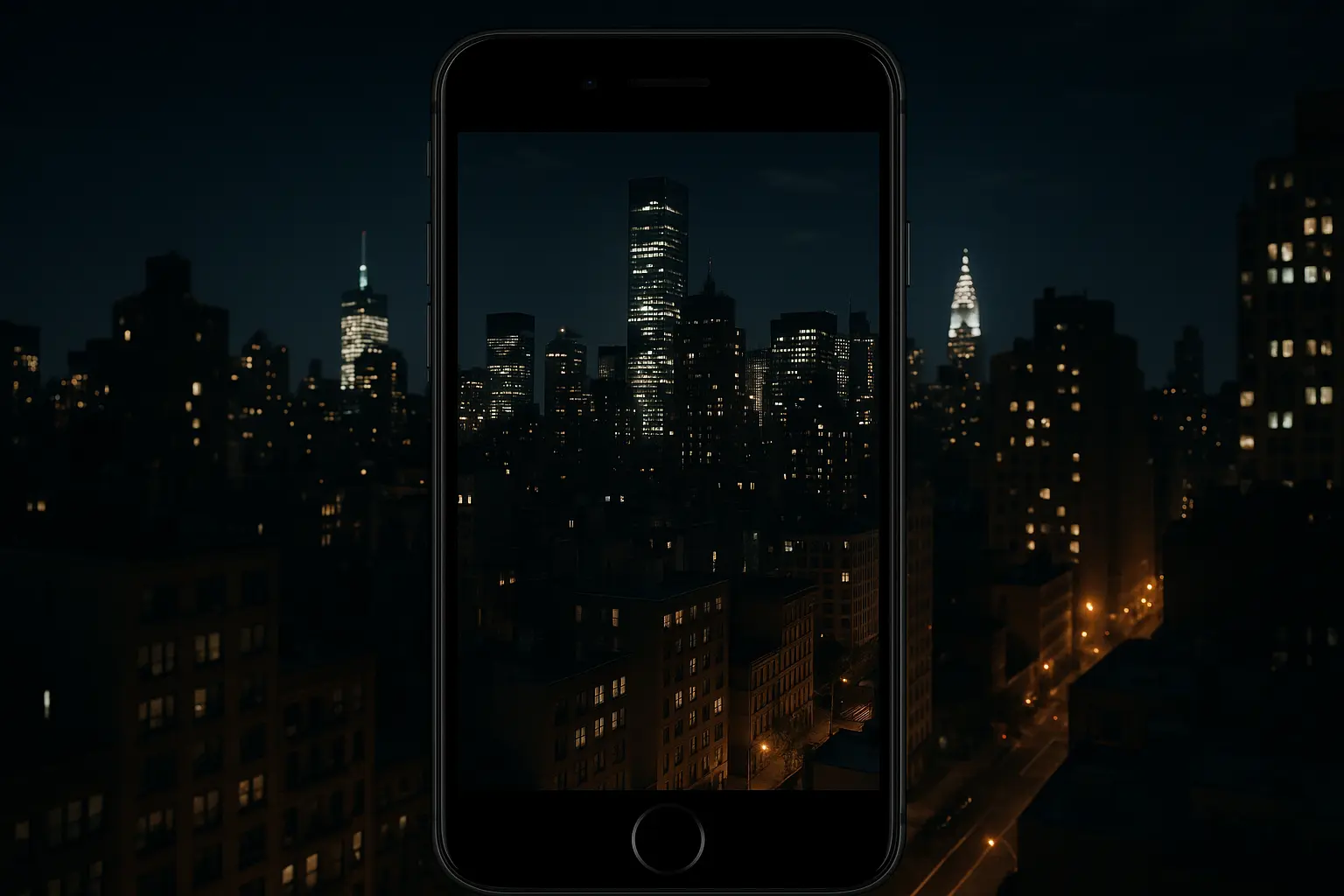
For those looking for the best chinese flagship camera phones for international buyers, the Vivo X200 Pro stands out. It utilizes a high-resolution 200MP telephoto lens alongside its primary 1-inch sensor, ensuring that even your zoomed-in night shots maintain clarity. The use of pixel binning technology allows the sensor to group adjacent pixels to create "super-pixels," maximizing light intake when the sun goes down.
Scenario 2: Zoom and Telephoto Mastery
If you have ever tried to photograph a subject from across a stadium or capture the details of distant architecture, you know that digital zoom is the enemy of quality. The breakthrough in recent years has been the periscope zoom lens, which uses mirrors to fold the light path, allowing for longer focal lengths without making the phone impossibly thick.
In a direct samsung galaxy s25 ultra vs iphone 16 pro camera comparison, the differences in zoom philosophy become clear. Samsung continues to dominate the long-range game with its dual-telephoto system. The Samsung Galaxy S25 Ultra features a 200MP main sensor that works in tandem with a 50MP 5x periscope lens. This setup enables the best telephoto zoom smartphone cameras for long range shots, providing usable images even at 10x or 30x magnification.
Apple’s approach with the iPhone 16 Pro is more conservative but highly refined. Its 5x tetraprism lens focuses on image stabilization and color consistency across all lenses. While it may not reach the 100x "Space Zoom" heights of Samsung, the 5x and 10x shots from the iPhone are often more color-accurate and exhibit less digital "oil painting" artifacts. For photographers who prioritize realistic textures over pure reach, the iPhone remains a formidable competitor in any smartphone camera comparison.
Scenario 3: Professional Video Content Creation
For the modern videographer, a phone is no longer just a backup; it is a primary tool. The best smartphone cameras for professional video content creation are those that fit seamlessly into a post-production workflow. The iPhone 16 Pro remains the gold standard here for several reasons.
First is the inclusion of 4K Dolby Vision at 120fps, allowing for stunningly smooth slow-motion footage in high dynamic range. More importantly for professionals, the ability to record in LOG video capture allows for maximum flexibility during color grading. By recording to an external SSD via the USB-C port, creators can bypass internal storage limitations and work with high-bitrate ProRes files that were once the exclusive domain of cinema cameras.
However, Samsung and Sony are not far behind. The Samsung Galaxy S25 Ultra offers incredible stabilization and 8K recording capabilities. Meanwhile, the Sony Xperia 1 V appeals to purists with its S-Log3 support and dedicated shutter button, mimicking the content creation workflow of the Sony Alpha camera line. When choosing the best phone for photography and video, consider your editing software—Apple’s ecosystem is still the most optimized for quick turnarounds in Final Cut Pro or DaVinci Resolve.
AI & Software: The Pixel 9 Pro vs S25 Ultra Test
While hardware provides the foundation, software is what determines the final look of a photograph. Computational photography is the "secret sauce" that allows small mobile sensors to mimic the depth of field and dynamic range of a DSLR. In our google pixel 9 pro vs samsung galaxy s25 ultra camera test, we saw two very different approaches to image processing.
Google’s Pixel 9 Pro is the king of "realism." Its HDR+ algorithms are designed to preserve shadows and highlights without making the image look artificial. It is particularly adept at macro photography and capturing moving subjects, like pets or children, without blur. The "Magic" AI features also allow for complex edits—like removing unwanted objects or changing the sky—directly on the device.
Samsung, on the other hand, leans into a more vibrant, "social-media-ready" aesthetic. The S25 Ultra produces images with high contrast and saturated colors that pop off the screen. For most users, the Google Pixel series offers the best balance of realistic color science and intelligent white balance, making it ideal for portraits and daily photography. Samsung wins on raw flexibility, giving users more manual controls and the ability to shoot at 200MP for maximum cropping potential.
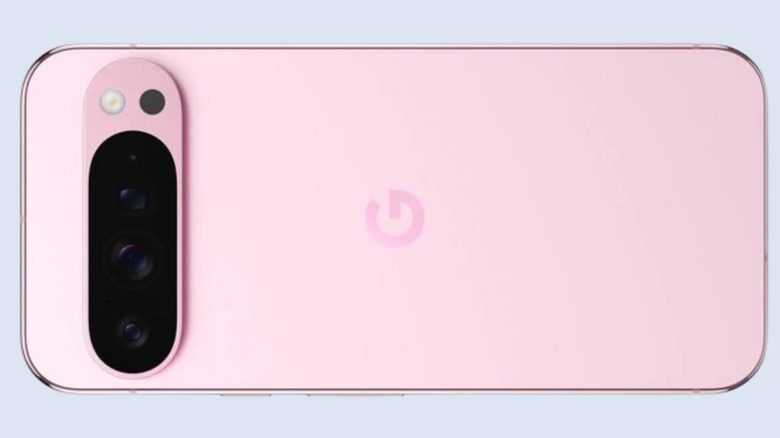
Technical Specs That Don't Lie: Comparison Table
To help you decide which device fits your specific needs, we have compiled the essential hardware data. Remember that a larger sensor size usually translates to better performance than a high megapixel count alone.
| Feature | iPhone 16 Pro | Samsung Galaxy S25 Ultra | Google Pixel 9 Pro | Vivo X200 Pro |
|---|---|---|---|---|
| Primary Sensor | 48MP (1/1.28") | 200MP (1/1.3") | 50MP (1/1.31") | 50MP (1-inch Type) |
| Optical Zoom | 5x Tetraprism | 3x + 5x Periscope | 5x Periscope | 3.7x Periscope (200MP) |
| Max Video | 4K @ 120fps LOG | 8K @ 30fps | 8K @ 30fps (Video Boost) | 4K @ 120fps |
| Selfie Camera | 12MP AF | 12MP AF | 42MP AF | 32MP |
| Standout Tech | ProRes & Log | 100x Space Zoom | Magic Editor AI | Zeiss Optics & T* Coating |
When comparing these top rated mobile cameras, notice how the Vivo X200 Pro uses a 1-inch sensor while having a lower megapixel count than the Samsung. In our tests, the Vivo consistently produced cleaner images in low light because each individual pixel is larger, allowing it to collect more photons.
FAQ
Which phone has the best camera quality right now?
The answer depends on your primary use case. For overall reliability and still photography, the Google Pixel 9 Pro is currently the leader due to its superior color science. However, if you are a professional videographer, the iPhone 16 Pro is the best choice for its high-bitrate recording options and ecosystem.
What features should I look for in a camera phone?
Prioritize sensor size and lens versatility over megapixels. Look for a device with a dedicated periscope zoom lens if you take distance shots, and ensure the phone supports RAW file support if you plan on editing your photos. For video, look for LOG recording and high frame rate options like 4K at 120fps.
Which smartphone has the best zoom capability?
The Samsung Galaxy S25 Ultra remains the champion of zoom. Its combination of a 10x hybrid optical zoom and a 200MP sensor allows it to capture far more detail at long distances than its competitors. The Vivo X200 Pro is a close second, thanks to its high-resolution 200MP telephoto sensor.
Is a professional camera better than a high-end smartphone?
A dedicated mirrorless camera with a large sensor will still outperform any smartphone in terms of pure image quality, especially in professional printing or low-light sports photography. However, the best camera phones for 2025 have closed the gap significantly through computational photography, making them more than sufficient for most creators.
Which phone is best for low-light photography?
The Vivo X200 Pro and Xiaomi 15 Ultra are the current kings of the night. Their 1-inch sensors provide a physical advantage in light gathering that software alone cannot match. Among more widely available phones, the Google Pixel 9 Pro offers excellent low-light performance through its Night Sight processing.
What is the best phone for video recording?
The iPhone 16 Pro is widely considered the best phone for video recording. It offers the most stable frame rates, the best transition between lenses while filming, and professional features like 4K Dolby Vision and ProRes LOG that are essential for high-end content creation.