Our Top Picks
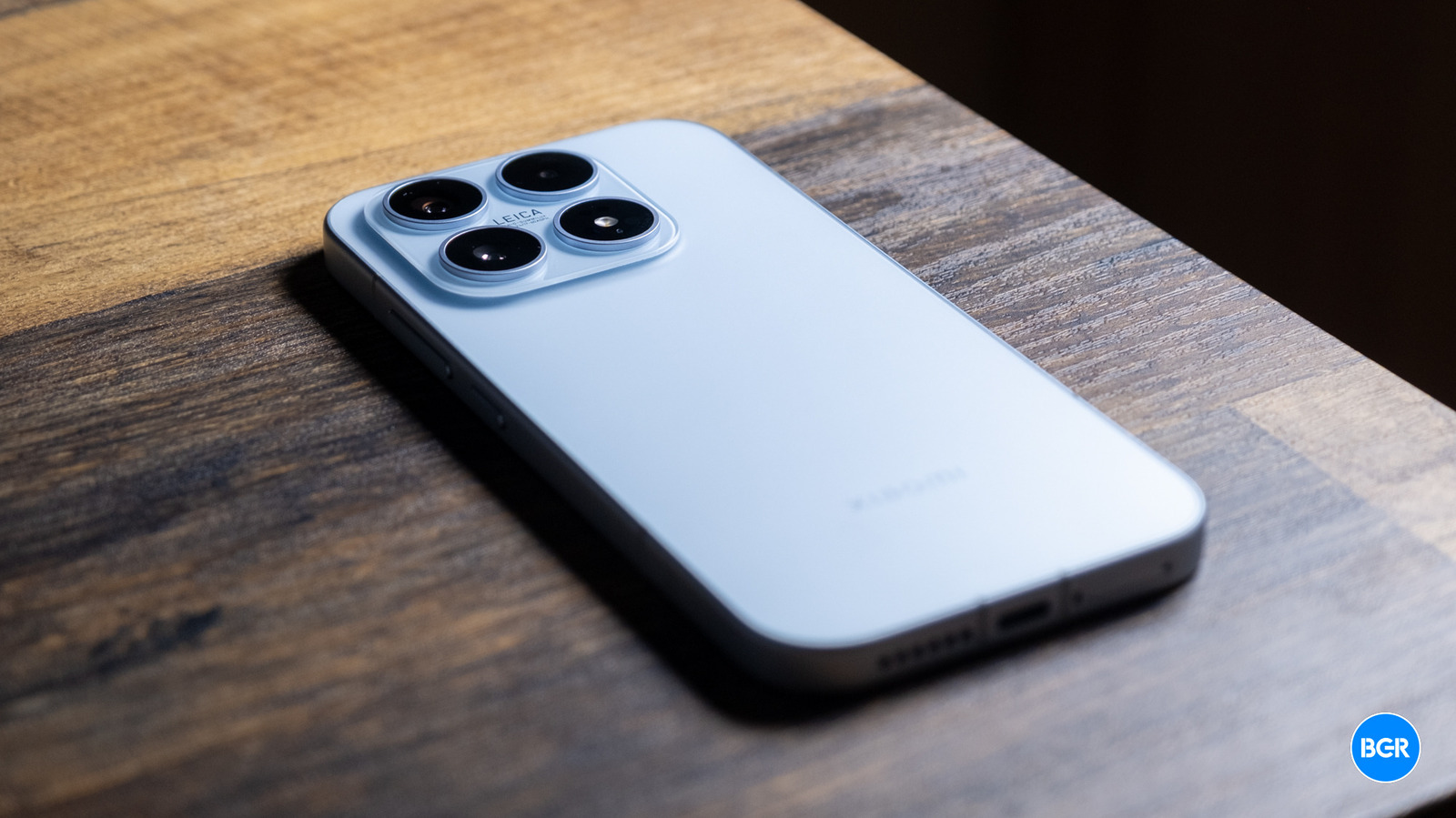
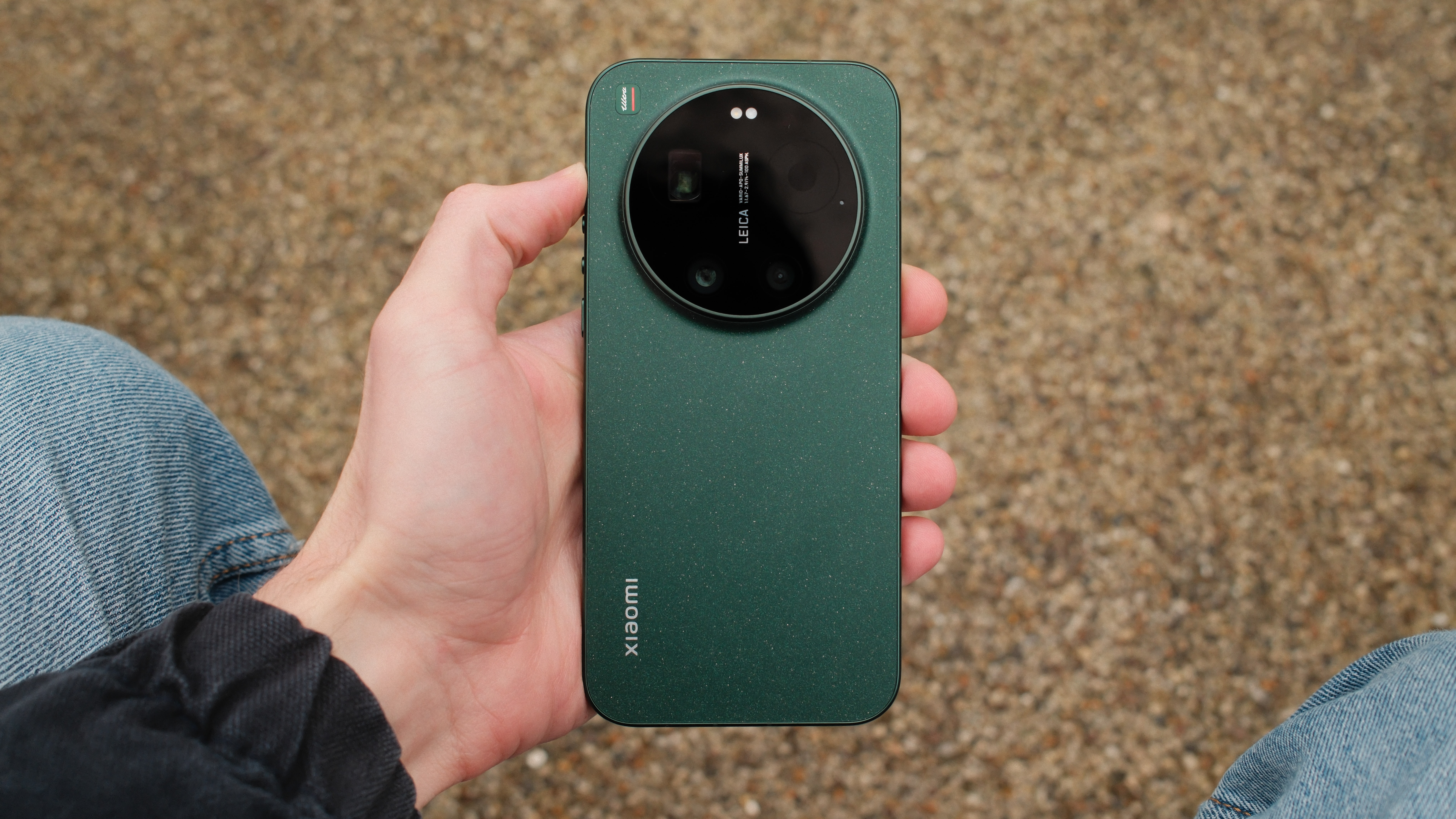
The Xiaomi 17 Ultra is the definitive choice for mobile photographers who refuse to compromise on optical physics, offering a true 1-inch sensor and the industry's most versatile mechanical zoom. For those prioritizing sustained performance and high-end videography, its advanced thermal management and dedicated Photography Kit make it the most complete professional tool on the market today.
The Xiaomi 17 Ultra review confirms its status as the imaging king of 2026. Featuring a 1-inch OmniVision sensor and a mechanical 200MP periscope, it redefines professional mobile photography by bridging the gap between computational tricks and genuine optical quality.
Professional Imaging: The 1-inch Sensor & LOFIC Breakthrough
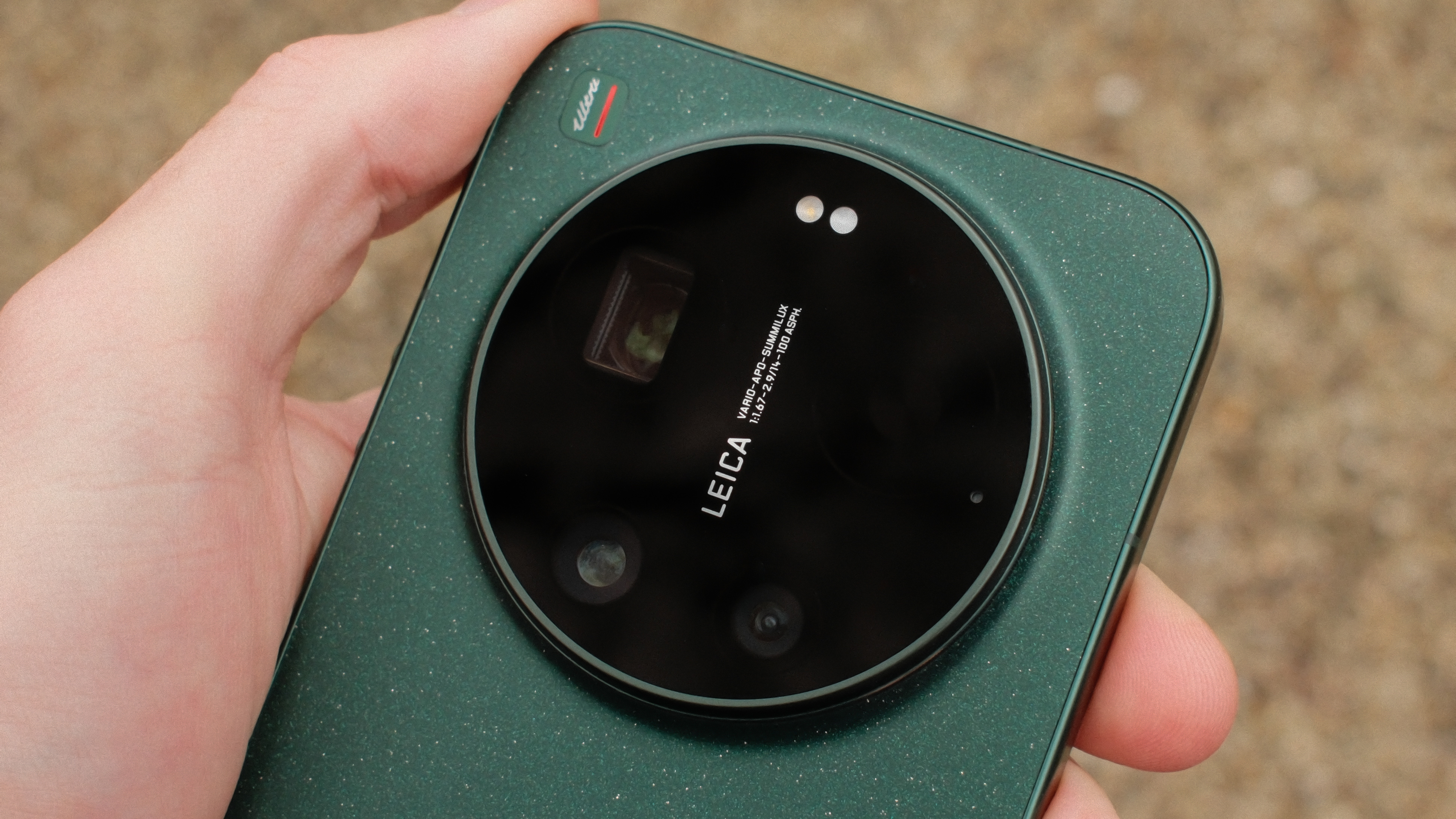
As a gear editor, I often see manufacturers try to compensate for small hardware with aggressive AI sharpening. The Xiaomi 17 Ultra takes the opposite approach by leaning into pure physics. At the heart of the system is the 1-inch Light Fusion 1050L main sensor co-developed with Leica. This is not just a marketing label; the physical surface area allows for a natural shallow depth-of-field that digital bokeh simply cannot replicate.
The real technical triumph this year is the implementation of LOFIC (Lateral Overflow Integration Capacitor) technology. By managing how pixels handle bright light, the sensor supports a 14EV native dynamic range. In my testing, this means sunset photos retain the delicate gradients of the sky without blowing out the highlights or crushing the shadows in the foreground. This high-end computational photography approach ensures that the raw data captured by the 1-inch OmniVision sensor provides a massive amount of flexibility for post-processing, much like a mirrorless camera.
Xiaomi 17 Ultra Leica camera performance is further enhanced by the variable aperture mechanism. This allows the user to switch between a wide f/1.63 for low-light shots and a narrower f/4.0 for landscapes where edge-to-edge sharpness is critical. It is a level of control that makes mobile videography controls feel more like a professional cinema rig than a smartphone.
Zoom Revolution: The 200MP Mechanical Periscope
Last year, we saw a race for pure zoom distance. This year, Xiaomi focuses on optical versatility. The Xiaomi 17 Ultra 200MP periscope telephoto lens review highlights a significant shift: a continuous mechanical optical zoom range between 75mm and 100mm. Unlike traditional digital cropping, this system uses physical lens movement to maintain glass-based clarity across the most popular portrait focal lengths.
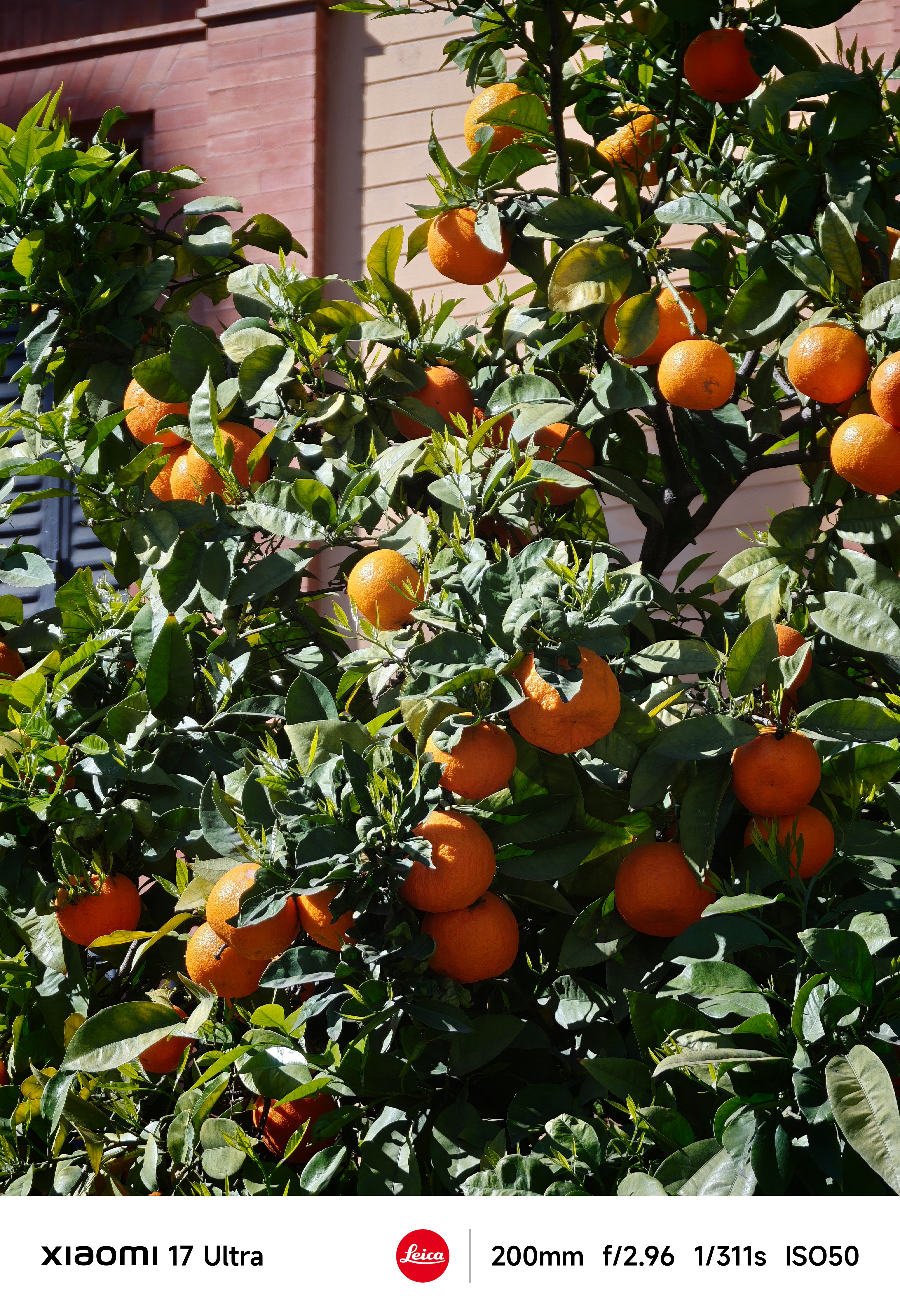
Using a 200MP Leica telephoto lens allows for incredible detail retention. Even when you push past the 100mm optical limit, the high pixel count provides a digital "lossless" zoom that holds up surprisingly well at 10x and 20x magnification. During my Xiaomi 17 Ultra Leica camera test and photo samples gathering, I found the transition between the main sensor and the periscope to be virtually seamless in terms of color science and white balance—a feat many competitors still struggle to achieve.
Performance & Thermals: Snapdragon 8 Elite Gen 5 & IceLoop
Imaging performance is heavily dependent on the silicon behind the glass. Powered by the Qualcomm Snapdragon 8 Elite Gen 5 chip, the Xiaomi 17 Ultra handles massive 200MP image files without the shutter lag that plagued earlier Ultra models. Built on a cutting-edge 3nm manufacturing process, this chipset is designed for efficiency, but it is the cooling system that really shines.
Xiaomi has implemented a 5500mm² IceLoop system that separates vapor and liquid flows. This thermal management and throttling prevention is vital for Xiaomi 17 Ultra Snapdragon 8 Elite Gen 5 gaming. In intensive titles like Genshin Impact, the device sustained 60fps for over an hour without significant heat build-up. For creators, this means you can record 8K video for extended periods without the camera app shutting down due to temperature spikes.
Battery Life & Build: Regional Hardware Variance
One area where readers need to be careful is the Xiaomi 17 Ultra battery life global vs Chinese version. Due to different regulatory standards and internal configurations, the Chinese model boasts a massive 6,800mAh silicon-carbon battery, while the global version utilizes a 6,000mAh cell. Despite the smaller capacity, the global model still provides a full day of heavy use, supported by 90W wired and 50W wireless charging.
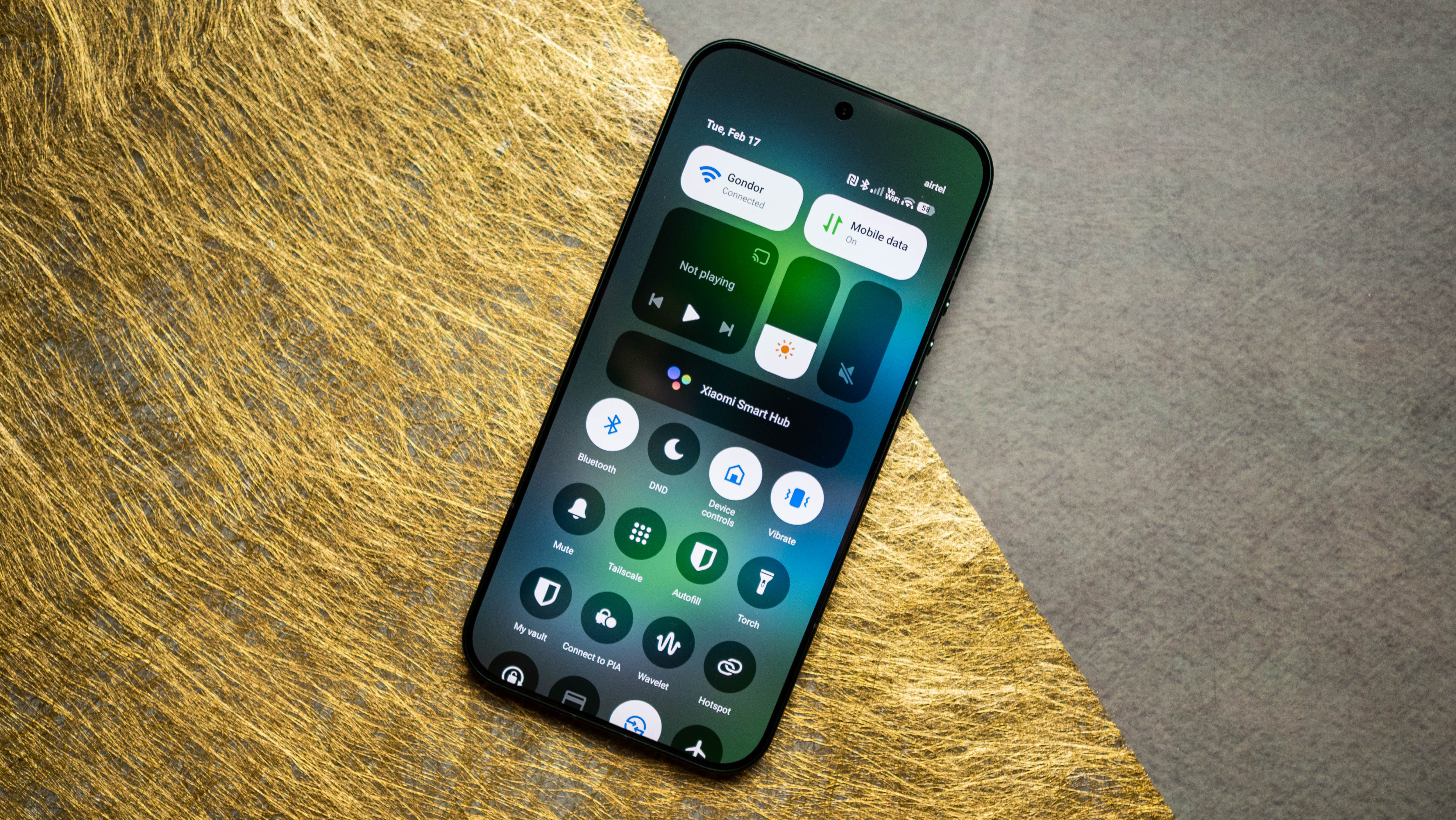
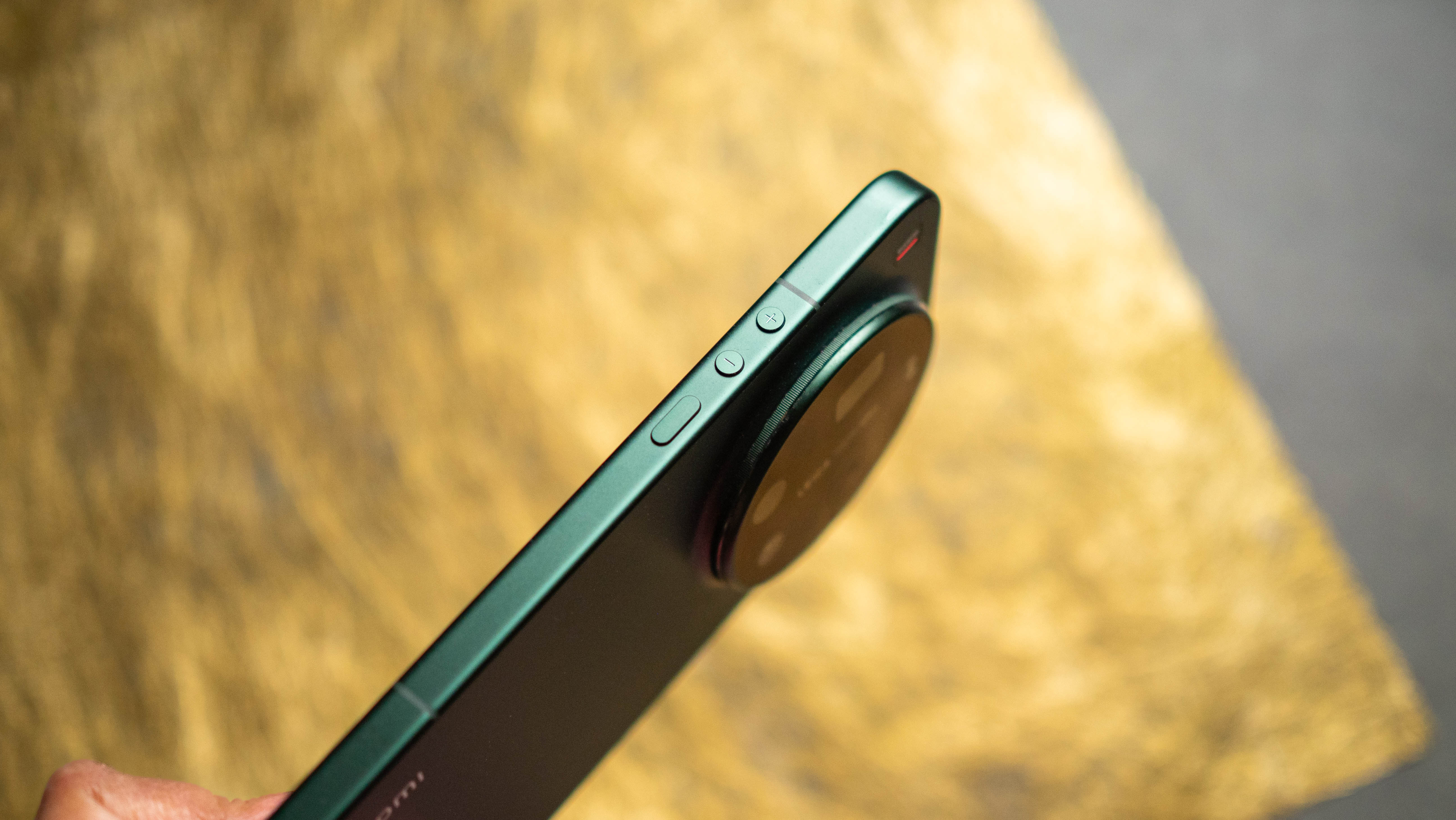
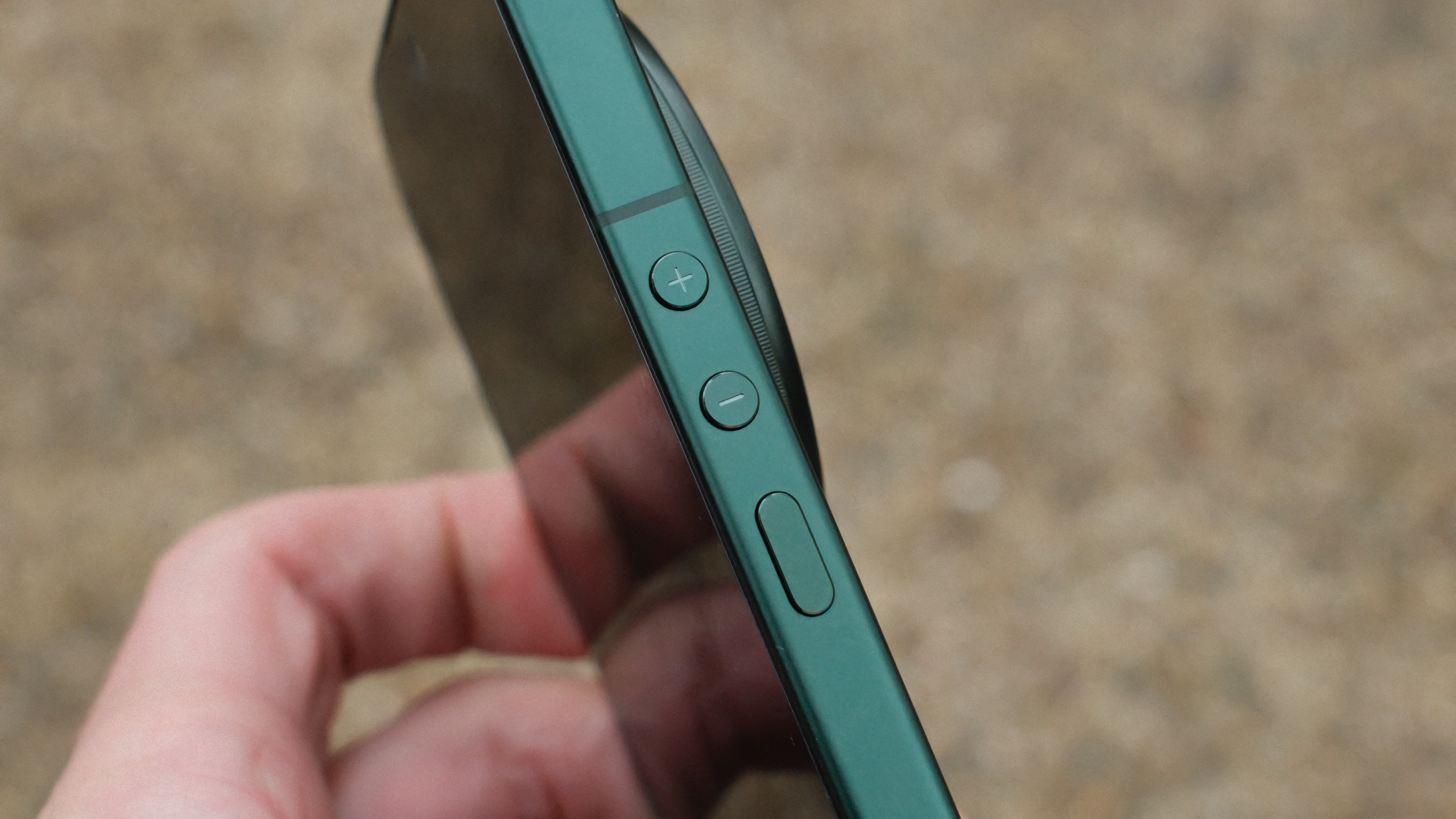
The engineering team has also managed to make the device 8.29mm in thickness, which is more than 1mm thinner than the previous generation. This makes it the thinnest Ultra model to date. It is remarkably durable, featuring an IP69 ingress protection rating, which exceeds the standard IP68 found on most flagships. This means the phone is better protected against high-pressure water jets and fine dust, making it a reliable companion for outdoor photography expeditions.
Head-to-Head: Xiaomi 17 Ultra vs Samsung Galaxy S26 Ultra
The biggest question for many is the Xiaomi 17 Ultra vs Samsung Galaxy S26 Ultra showdown. While Samsung often wins on software longevity and ecosystem integration, Xiaomi has pulled ahead in pure hardware specs.
| Feature | Xiaomi 17 Ultra | Samsung Galaxy S26 Ultra |
|---|---|---|
| Main Sensor | 1-inch OmniVision OV50X | 1/1.3-inch ISOCELL |
| Peak Brightness | 3500 nits | 2600 nits |
| Charging Speed | 90W Wired / 50W Wireless | 45W Wired / 15W Wireless |
| Thickness | 8.29mm | 8.6mm |
| Ingress Protection | IP69 | IP68 |
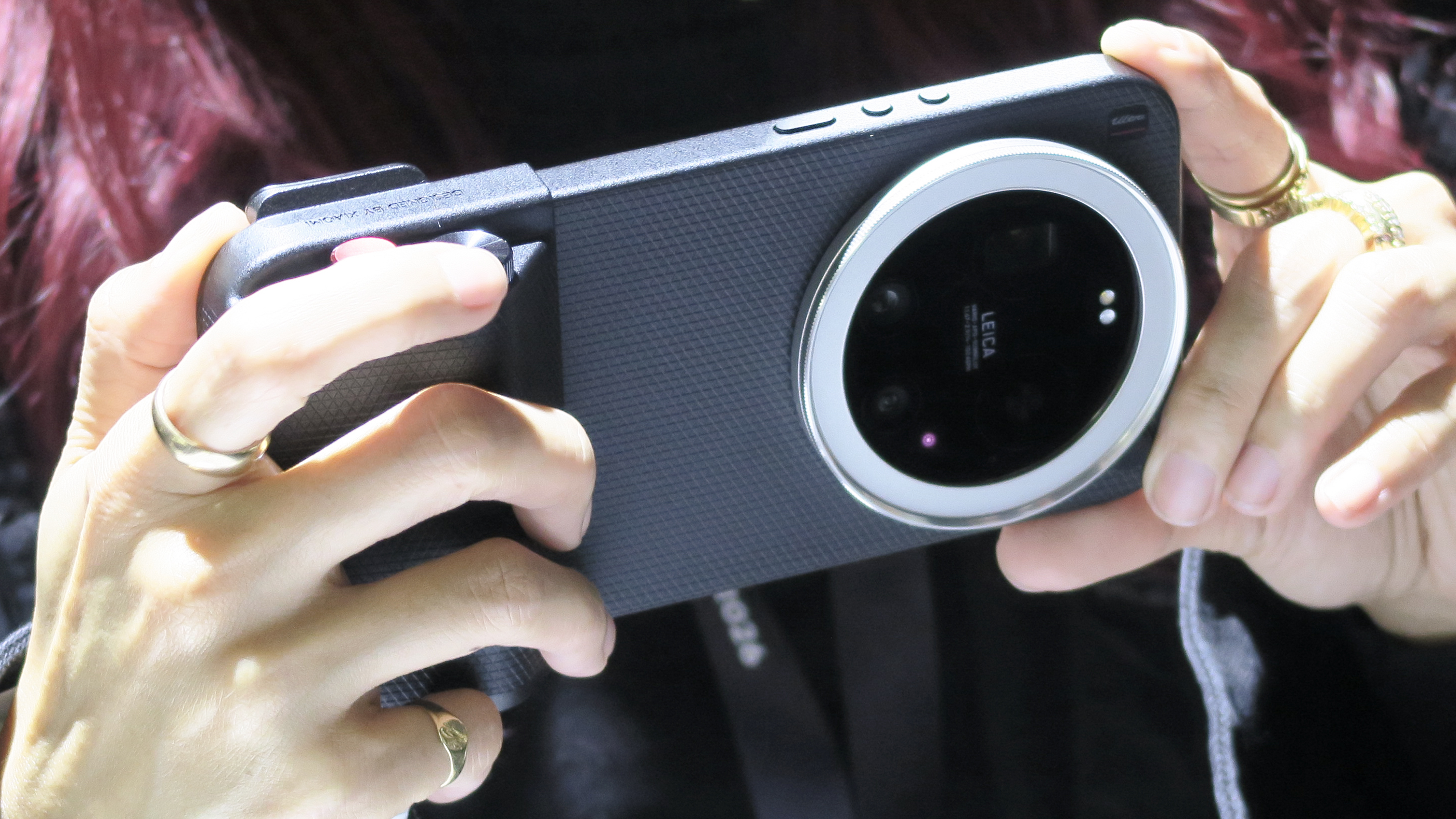
When comparing the Xiaomi 17 Ultra vs Samsung Galaxy S26 Ultra camera comparison, the Xiaomi's larger sensor provides a distinct advantage in low-light environments and natural background blur. Samsung relies more on software-based sharpening, while Xiaomi’s Leica-tuned optics produce a more "organic" and film-like quality. Furthermore, the inclusion of the professional Photography Kit transforms the 17 Ultra into a dedicated tool with a two-stage shutter and custom dials, something the Samsung cannot match.
The decision of whether is the Xiaomi 17 Ultra worth the upgrade from 15 Ultra depends on your focus. If you are still using the 15 Ultra, the jump in sensor efficiency and the move to the 200MP periscope represent a massive leap in image quality and processing speed.

FAQ
Is the Xiaomi 17 Ultra worth buying?
If you prioritize mobile photography above all else, yes. The combination of the 1-inch sensor, Leica optics, and the Snapdragon 8 Elite Gen 5 makes it one of the most powerful imaging tools currently available. However, if you prefer a smaller device or a simpler camera interface, the standard models might be a better fit.
How does the Xiaomi 17 Ultra camera compare to the 16 Ultra?
The 17 Ultra introduces LOFIC technology for superior dynamic range and replaces the dual-telephoto setup with a more versatile 200MP mechanical periscope. It also offers a thinner 8.29mm profile and upgraded thermal management, making it a more refined and capable professional tool.
Does the Xiaomi 17 Ultra have a global version?
Yes, there is a global version of the Xiaomi 17 Ultra. It features a 6,000mAh battery and supports global 5G bands, though some high-speed charging features and the battery capacity differ slightly from the 6,800mAh Chinese domestic version.
How long does the battery last on the Xiaomi 17 Ultra?
The global version’s 6,000mAh battery easily lasts a full day under heavy use, including several hours of photography and social media. With the 90W fast charging, you can go from 0% to 100% in roughly 35 minutes, ensuring minimal downtime for creators on the move.
Is the Xiaomi 17 Ultra better than the Samsung Galaxy S Ultra?
In terms of raw camera hardware, charging speed, and display brightness, the Xiaomi 17 Ultra generally leads. Samsung typically offers longer software support cycles and the S-Pen, but for professional photographers, Xiaomi’s 1-inch sensor and mechanical zoom offer superior creative control.