Our Top Picks
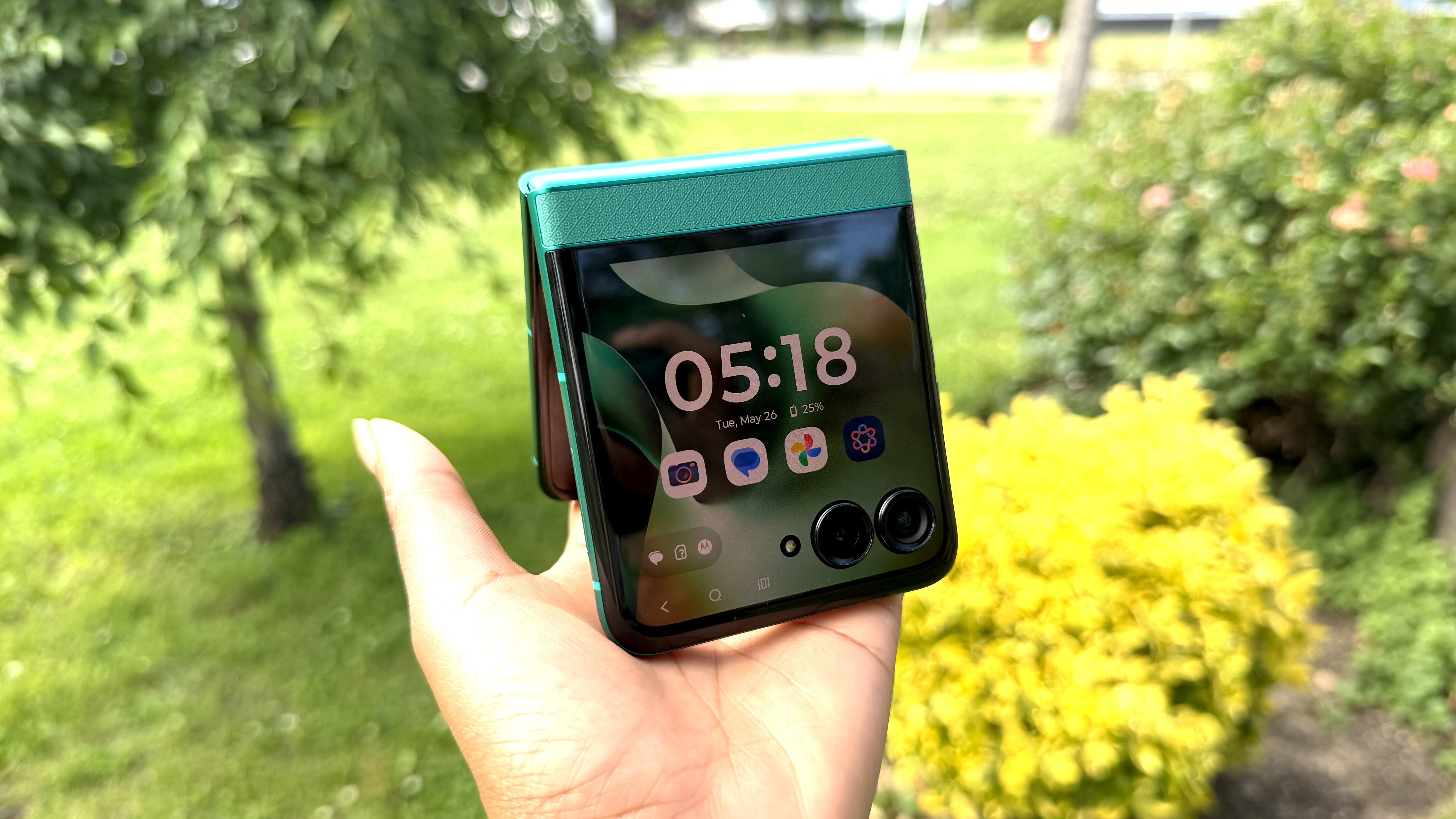
- The Best Native Cover Screen Experience: Motorola continues to beat the competition with its 4.0-inch multitouch cover screen that actually lets you run full apps without opening the device.
- The Fastest Charging Foldable: With its 45W wired top-up capability and a new silicon-carbon battery, it leaves typical flip-style foldables in the dust during pit stops.
- The Performance Compromise: While the software is fluid, using a middle-tier chipset at a premium price point makes this a lifestyle choice rather than a power-user's dream.
The motorola razr 2026 enters a crowded market at $1,099.99, but is it a worthy upgrade? This motorola razr 2026 review breaks down the performance and design of the new clamshell foldable format. The Motorola Razr 2026 retails for $1,099.99, featuring a Snapdragon 8s Gen 3 processor and a durable titanium hinge. It boasts a 6.9-inch internal LTPO AMOLED display with a 165Hz refresh rate and a 4.0-inch external cover screen. This model includes a 4,500mAh battery with 45W wired charging and an IP48 rating for dust and water resistance.
Over the last few years, the foldable market has shifted from a "wow-factor" novelty to a pragmatic segment of the mobile industry. By the end of 2025, Motorola's share of the North American foldable smartphone market grew to approximately 44.1%, narrowing the gap with market leader Samsung. However, the latest iteration of the Razr+ presents a quandary. It is a device that feels premium in the hand but asks the consumer to swallow a higher price for hardware that hasn't seen a significant internal brain transplant.
| Feature | Motorola Razr 2026 | Samsung Galaxy Z Flip 7 | Motorola Razr (2025) |
|---|---|---|---|
| Retail Price | $1,099.99 | $1,099.99 | $999.99 |
| Chipset | Snapdragon 8s Gen 3 | Snapdragon 8 Gen 4 (tentative) | Snapdragon 8s Gen 3 |
| Internal Display | 6.9" 165Hz LTPO | 6.7" 120Hz LTPO | 6.9" 165Hz LTPO |
| Cover Display | 4.0" Multitouch | 3.4" - 3.9" | 4.0" Multitouch |
| Battery / Charging | 4,500mAh / 45W | 4,000mAh / 25W | 4,000mAh / 45W |
| Water Resistance | IP48 | IP48 | IPX8 |
Design: Titanium and Texture
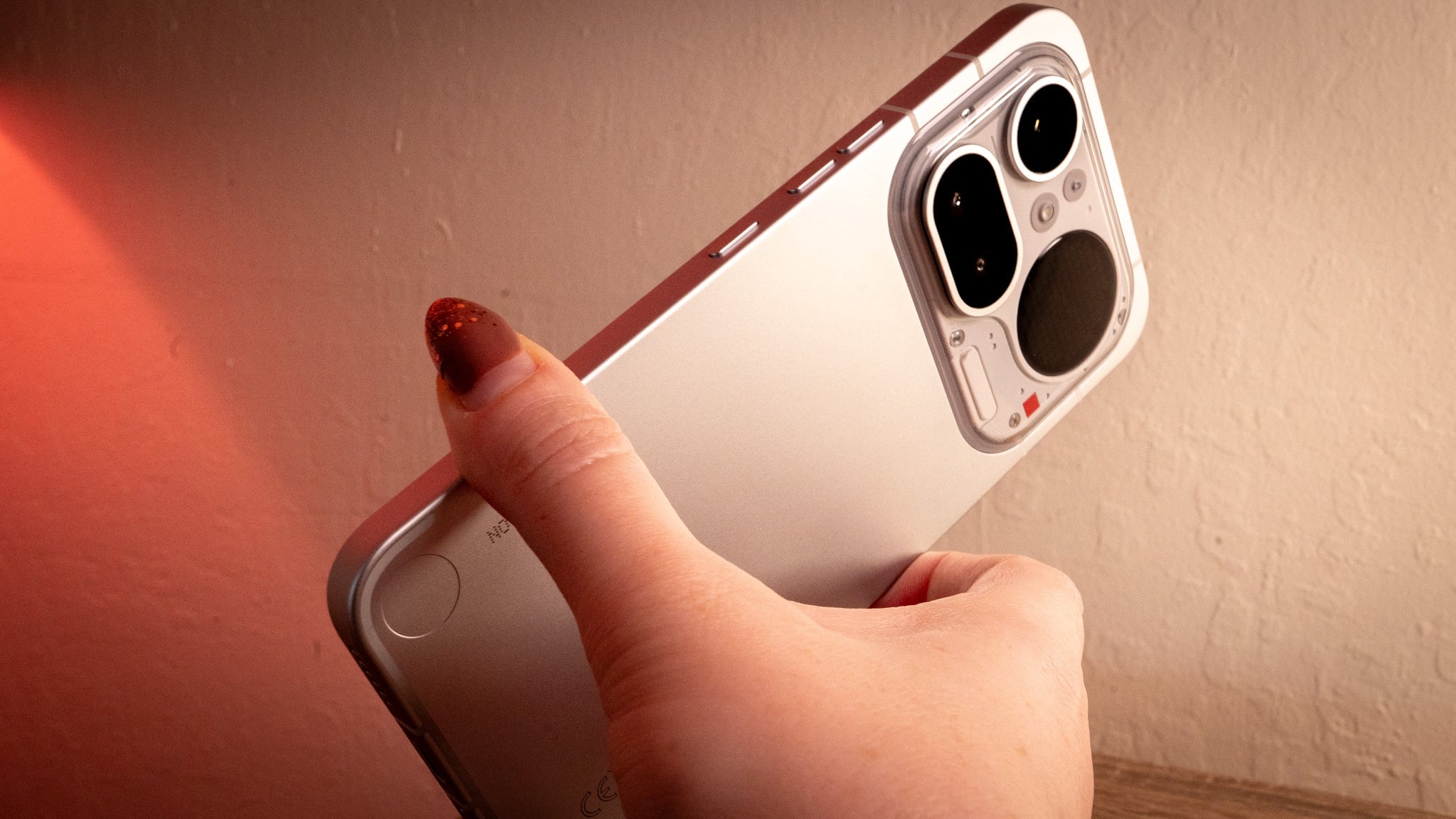
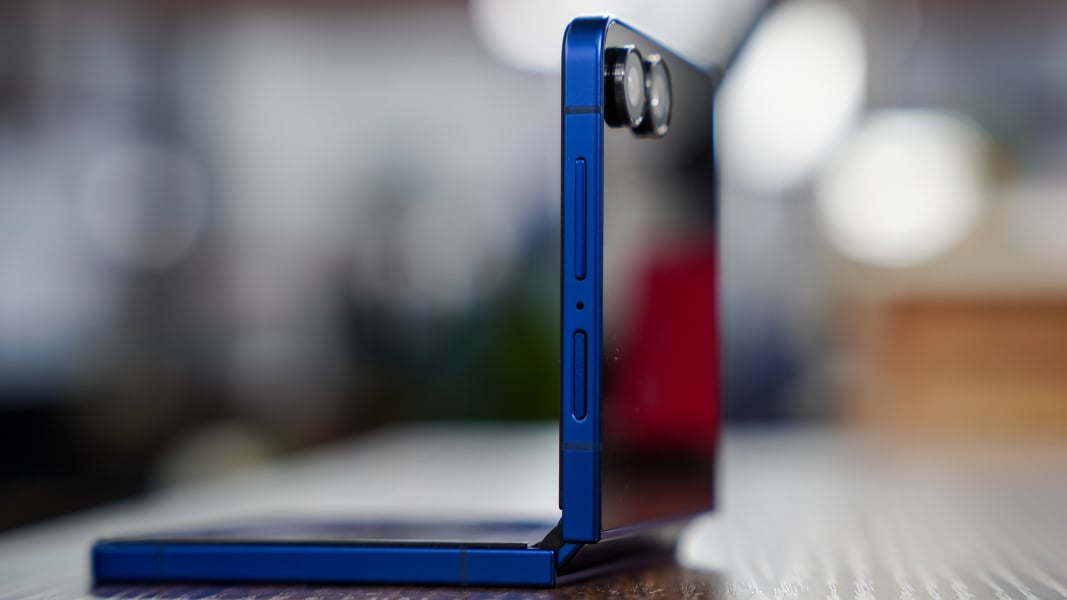
When you pick up the motorola razr 2026, the first thing you notice isn't the screen; it's the feel. Motorola has doubled down on vegan leather ergonomics, offering a grip that feels sophisticated and warm compared to the cold, clinical glass found on most slab phones. This year, the focus is on a new motorola razr 2026 titanium hinge durability. The titanium construction not only makes the device feel lighter but provides a more rigid, confidence-inspiring snap when closing the clamshell foldable format.
The durability story continues with an IP48 weather resistance rating. While we are still waiting for a foldable that is completely dust-proof, the "4" in IP48 means it can handle particles larger than 1mm, which is a massive relief for those who carry their phones in lint-filled pockets. Contrast this with Samsung’s industrial minimalist glass, and the Razr feels much more like a lifestyle accessory that happens to be a high-tech tool.
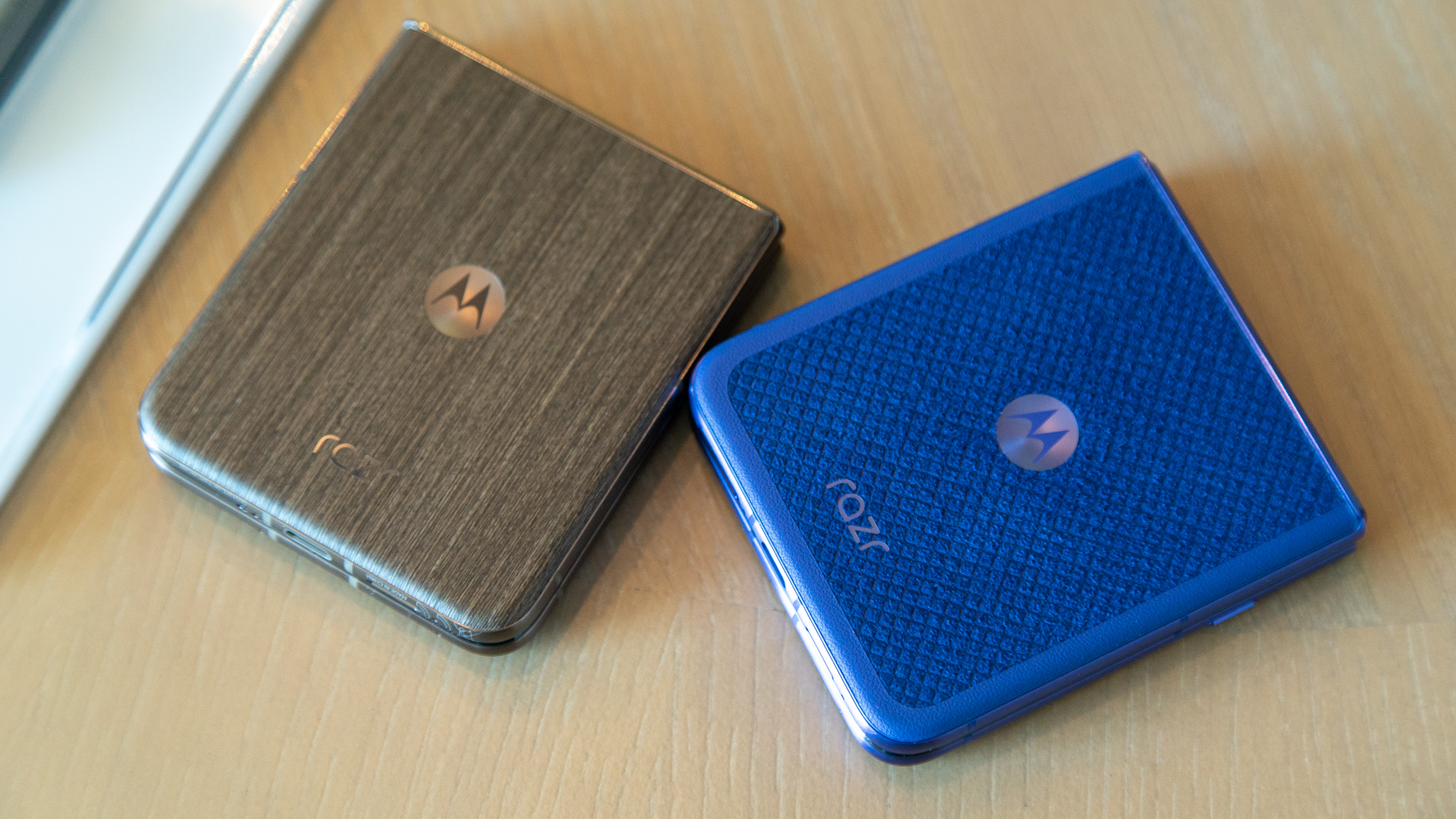
We tested the device in the new Midnight Alcantara finish, and the tactile feedback is unparalleled. It stays clean, resists fingerprints, and makes the phone feel like a piece of high-end stationery rather than a piece of hardware.
Winner: Motorola (for materials and hand-feel)
The Display Battle: 165Hz and Peak Brightness
Open the phone, and you are greeted by a stunning 6.9-inch internal LTPO display technology. The 165Hz peak fluidity remains a standout feature, making every scroll through Instagram and every swipe on the notification shade feel incredibly smooth. One of the biggest complaints with foldables has always been the crease. In our side-by-side motorola razr 2026 vs 2025 comparison, the screen crease prominence is noticeably reduced, though still visible under direct sunlight at certain angles.
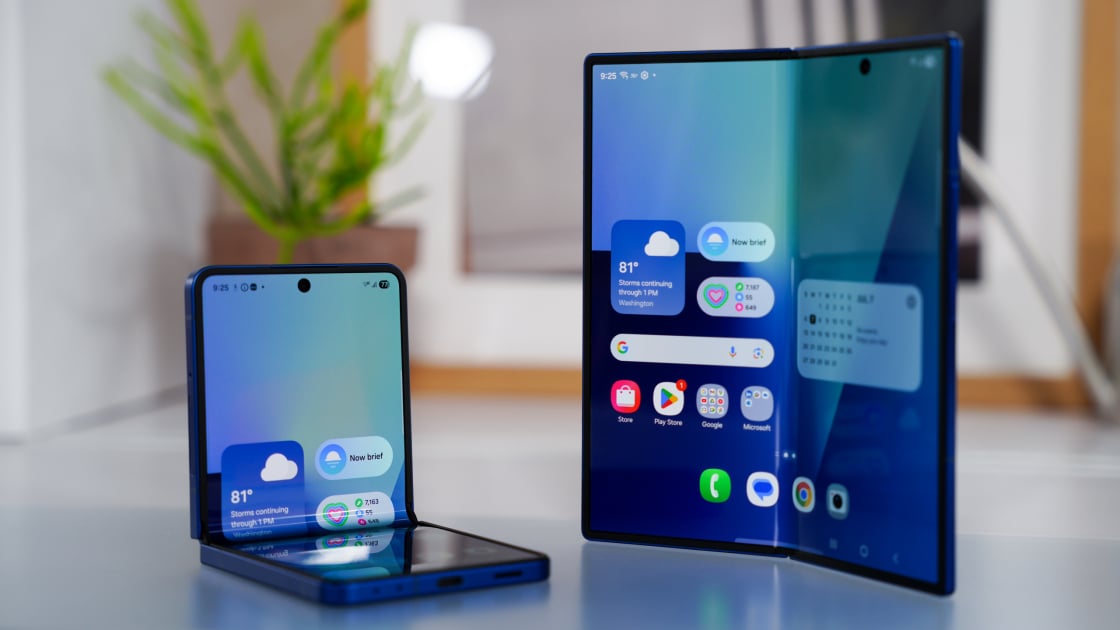
The real star, however, is the 4.0-inch multitouch cover screen. While competitors are still treating the external display as a glorified notification ticker, Motorola treats it like a second phone. You can reply to emails, watch YouTube, or use Google Maps without ever unfolding the device. This is the "real" way to use a flip phone: staying connected while keeping the footprint small.
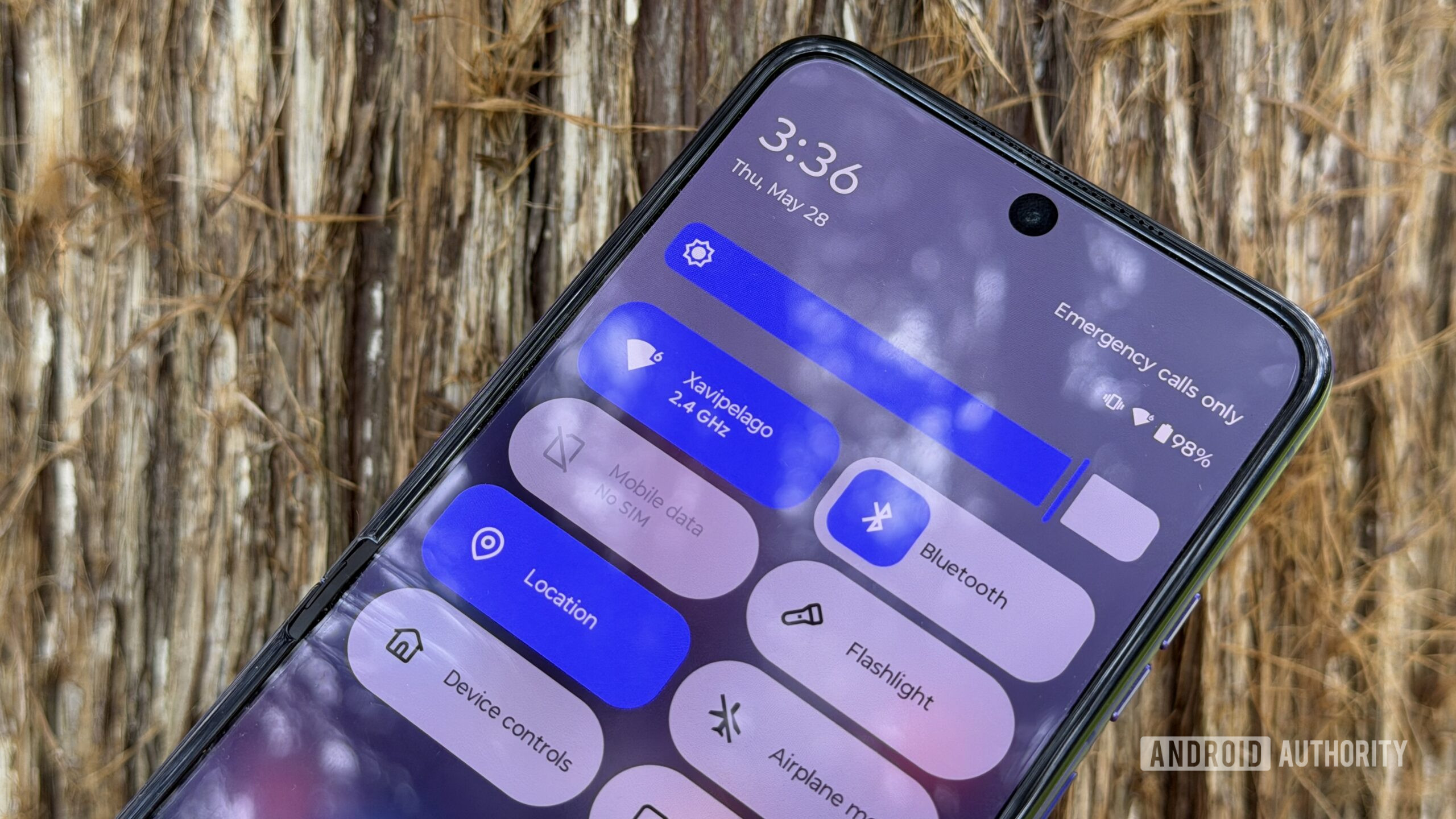
The LTPO panel allows the screen to drop down to 1Hz, which is essential for preserving battery when using the always-on display. Compared to the motorola razr 2026 vs galaxy z flip 7 rivalry, Moto’s cover screen covers nearly the entire front panel, making it much more immersive than the "folder-shaped" cutout Samsung uses.
Winner: Motorola (for cover screen functionality)
Performance Stagnation: Snapdragon 8s Gen 3
Now we come to the cost of the middle ground. The motorola razr 2026 launched with a starting price of $1,099, representing a $100 increase over the previous generation despite utilizing the same Snapdragon 8s Gen 3 chipset found in older models.
This is where my motorola razr 2026 review turns critical. In daily use, the motorola razr 2026 snapdragon 8s gen 3 performance is snappy. You won't notice lag when opening apps or switching between tasks. However, if you are a mobile gamer or a heavy video editor, you will notice that this chip throttles faster than the flagship Snapdragon 8 Gen 4 or Gen 5 processors found in similarly priced slab phones or the Galaxy Z Flip series.
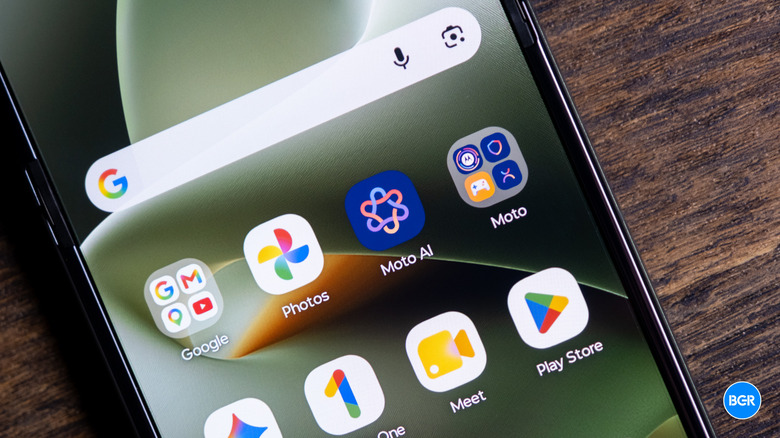
Motorola attempts to offset this with on-device Moto AI. This suite includes features like "Style Sync," which uses AI to generate wallpapers that match your outfit, and a new "Magic Canvas" for generating images from text prompts. While fun, these features don't entirely justify the price hike when the internal silicon hasn't moved forward.
Winner: Samsung (for raw power and future-proofing)
Battery and Charging: The Silicon-Carbon Edge
One of the most impressive engineering feats this year is the battery. Motorola has managed to fit a 4,500mAh silicon-carbon battery, providing a 500mAh capacity increase over its predecessor while maintaining the same physical footprint.
In our testing, the motorola razr 2026 battery life performance was surprisingly robust. We easily made it through a full day of mixed usage, including heavy use of the cover screen and about an hour of navigation. When you do run low, the 45W wired top-up is a game changer. It can juice the phone from 0% to 70% in about 30 minutes, which is significantly faster than the 25W speeds Samsung still clings to.
This battery tech is the real secret sauce of the 2026 model. Silicon-carbon batteries offer higher energy density, allowing for a thinner phone that lasts longer. For a lifestyle user who is always on the go, the combination of a bigger tank and faster refueling makes a massive difference in day-to-day anxiety.
Winner: Motorola (for charging speed and endurance)
Camera: Goodbye Telephoto, Hello Ultra-Wide
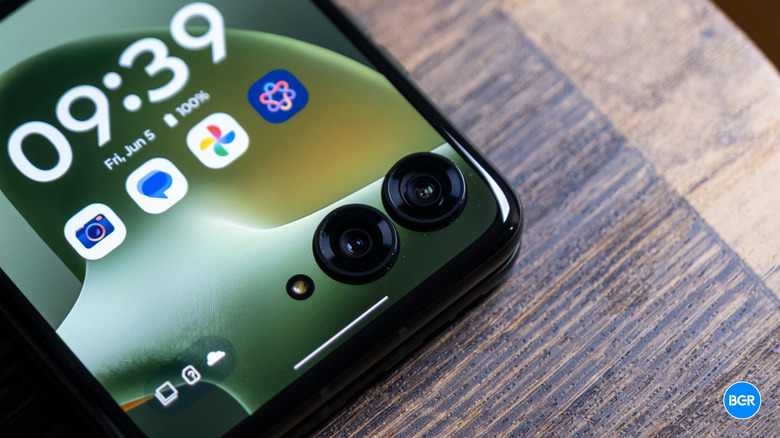
The optics department has seen a major philosophical shift. In 2025, Motorola flirted with a 2x telephoto lens. In 2026, they have reverted to a 50-megapixel main camera paired with 50MP ultra-wide optics.
When debating motorola razr 2026 camera vs telephoto, the question is what you value more: zooming in on a subject or capturing a wide landscape. For the target lifestyle audience, the ultra-wide lens is likely the smarter play. It allows for dramatic group shots and architecture photos that the 2x zoom simply couldn't handle. However, the lack of dedicated optical zoom means that if you want to get closer to a subject, you are stuck with digital cropping.
The 32-megapixel selfie unit inside the main screen is fine, but the real way to take selfies is by using the main 50MP camera with the cover screen as a viewfinder. This allows for flagship-quality portraits that beat almost any standard front-facing camera on the market.
Winner: Tie (Depends on your preference for zoom vs. wide-angle)
Verdict: Motorola Razr 2026 vs Galaxy Z Flip 7
The decision to buy a motorola razr 2026 comes down to your priorities. It is a device that prioritizes the "now"—the way it feels in your hand, the fluidity of its 165Hz screen, and the convenience of its massive cover display.
In the motorola razr 2026 vs galaxy z flip 7 showdown, Samsung offers a more powerful chipset and a software promise of seven years of updates. Motorola, by comparison, typically offers three to four years of OS updates. However, Samsung’s software experience on the small screen still feels restrictive compared to Motorola’s local, app-agnostic approach.
The "Cost of the Middle Ground" is the extra $100 you pay for a chip that isn't cutting-edge. But for many, the trade-off is worth it for a phone that is fun to use, charges quickly, and looks better than anything else in the boardroom or the cafe.
FAQ
Will motorola release a new Razr in 2026?
Yes, Motorola released the Razr+ (2026) as their flagship clamshell foldable, alongside a more affordable base model Razr with slightly lower specifications.
How much is the Motorola RAZR 2026?
The Motorola Razr 2026 retails for $1,099.99 at launch, which is a $100 increase compared to the launch price of the previous 2025 model.
What is the difference between Motorola RAZR 2025 and 2026?
The 2026 model introduces a more durable titanium hinge, an IP48 weather resistance rating, and a larger 4,500mAh silicon-carbon battery. It also swaps the 2x telephoto lens from the 2025 model for a more versatile 50MP ultra-wide sensor.
Who is better, Samsung or Motorola?
It depends on your needs. Samsung typically offers better long-term software support and more powerful processors, while Motorola leads in cover screen functionality, charging speeds, and ergonomic design using materials like vegan leather.