Quick Facts
- The Industry Pivot: Modern flagships are abandoning the decade-long trend of curved edges to embrace the functional benefits of flat screen phones.
- Consumer Demand: Market research indicates that approximately 84.36% of users prefer flat displays over curved ones for their high-end devices.
- Optical Breakthrough: The move to flat glass on the Galaxy S24 Ultra and subsequent models allowed for Corning Gorilla Armor, which reduces ambient light reflection by 75% compared to traditional glass.
- Durability Advantage: Flat screens offer significantly better shatter resistance and are up to 40% cheaper to repair than complex curved panels.
- 2026 Performance: Leading devices like the Samsung Galaxy S26 Ultra and Xiaomi 17 Ultra now use flat designs to maximize battery volume, accommodating up to 7,300mAh silicon-carbon cells.
- User Experience: Flat glass eliminates the common issues of accidental palm touches and the distracting green-tinted glare often found on screen edges.
Modern flagship smartphones are returning to flat glass designs because they offer superior durability and better shatter resistance compared to curved displays. These best flat screen phones eliminate common usability issues such as accidental palm touches, edge glare, and distracting reflections while making the application of tempered glass screen protectors and screen repairs significantly more affordable.
The Death of the Curve: Why Flagships Switched
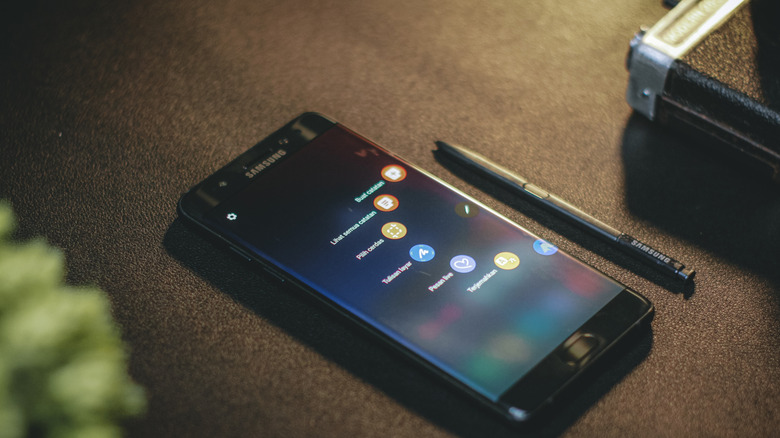
For nearly a decade, curved glass was the industry shorthand for premium design. It began in earnest when Samsung transitioned its flagship Galaxy S24 Ultra to a completely flat display in 2024, effectively ending a cycle that started with the Galaxy Note Edge in 2014. What was once seen as an aesthetic luxury eventually became a functional liability.
Users increasingly reported frustrations with curved glass, ranging from distorted colors at the edges to the impossibility of finding a screen protector that didn't peel off within a week. The ergonomic trade-off simply wasn't worth it for most. When evaluating the durability of flat vs curved screen phones, the physics are clear: a flat surface distributes impact energy more evenly and lacks the exposed glass "lips" that are highly susceptible to cracking during side impacts.
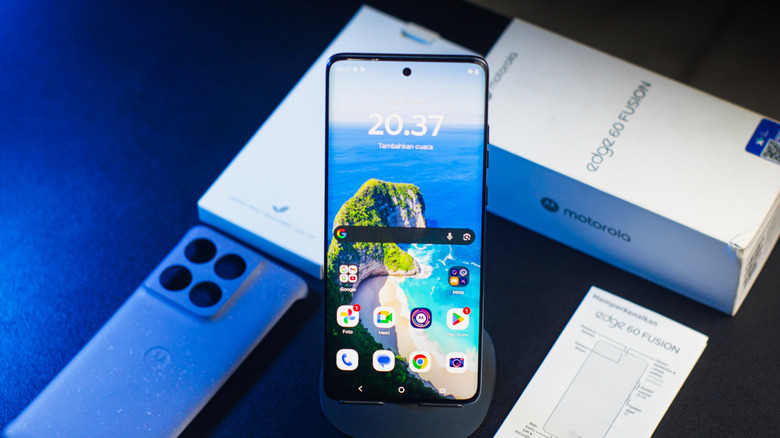
Furthermore, the industry shift was necessitated by the need for better palm rejection. As bezels have shrunk to almost nothing, holding a curved phone without triggering the touch layer has become an exercise in frustration. By opting for flat screen phones for avoiding accidental touches, manufacturers have finally prioritized the actual act of using the device over how it looks in a marketing render.
Engineering the Flat Flagship: Battery and Cooling
The return to a flat profile isn't just about the glass; it is about what is happening beneath it. Engineers have found that curved displays actually waste valuable internal volume. By utilizing a flat frame, manufacturers can push the internal components right to the edge, allowing for larger vapor chambers and more energy-dense batteries.
In 2026, we are seeing a massive leap in power thanks to this design philosophy. Many flat screen android phones 2026 models are now housing silicon-carbon battery technology. This allowed the thickness to remain manageable while increasing capacities to staggering levels. Additionally, the Snapdragon 8 Elite chipset requires significant thermal management. A flat internal chassis provides a more uniform contact surface for cooling solutions, ensuring that the LTPO AMOLED technology can run at high refresh rates and peak brightness without immediate thermal throttling.
Devices like the iPhone 17 Pro Max have also leaned into this, utilizing the flat internal structure to transition toward more efficient vapor chambers. This makes them some of the largest screen phones on the market that can still be held comfortably during intensive gaming sessions.
The Best Flat Screen Phones of 2026: Top Recommendations
If you are looking for the best flat screen phones 2026 has to offer, the market is more diverse than ever. High-performance internals are no longer exclusive to the "Waterfall" display era.
Samsung Galaxy S26 Ultra
The Samsung Galaxy S26 Ultra remains the gold standard for those who want the biggest screen phone non foldable. Its move to a completely flat panel has been hailed as a victory for productivity. By providing a flat surface from edge to edge, Samsung has maximized the precision of the integrated S Pen.
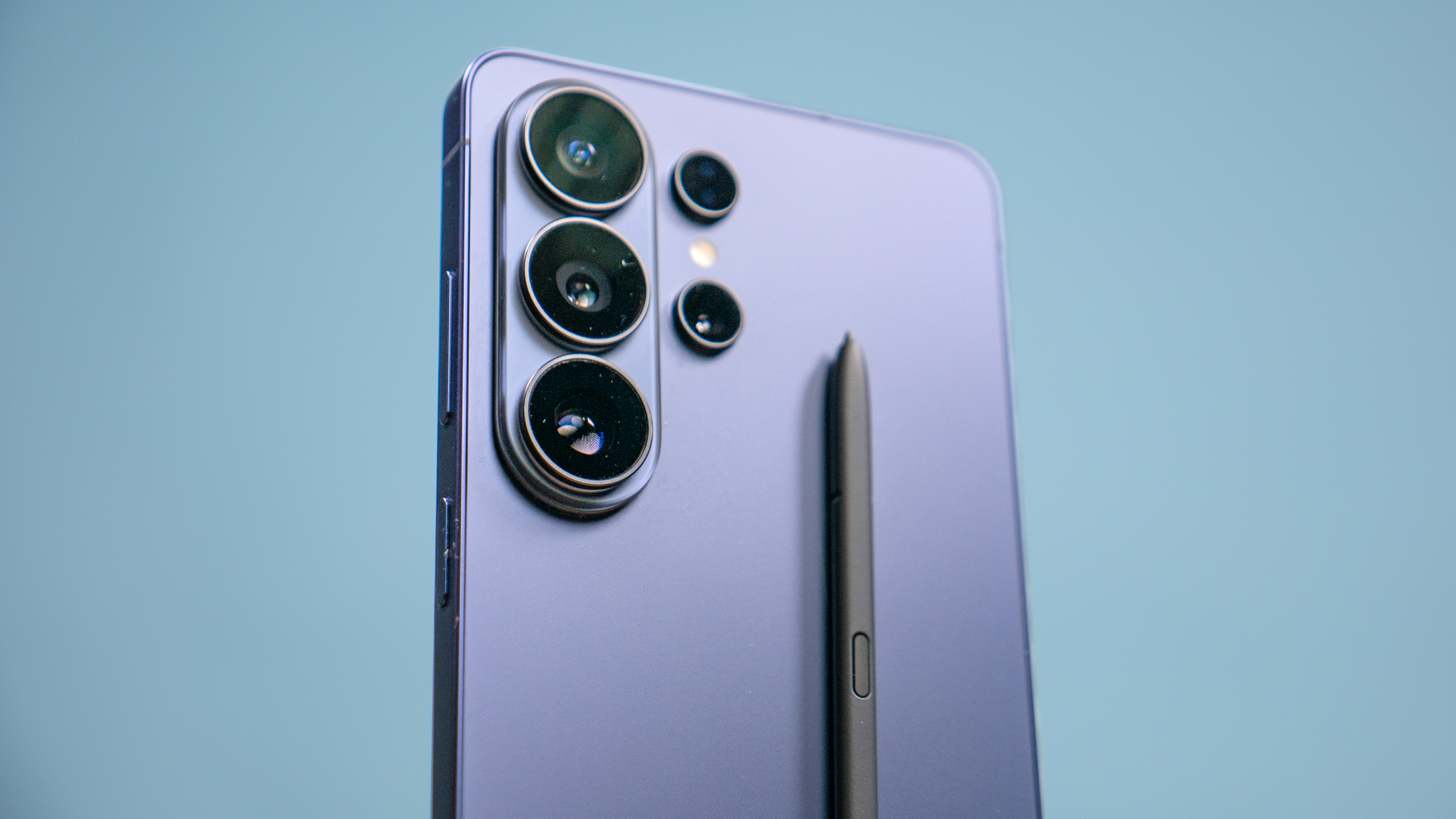
The use of an advanced anti-reflective coating based on Gorilla Glass Armor technology sets it apart. It handles outdoor visibility better than almost any other device, reaching a 3,500-nit peak brightness that remains clear without the edge distortion typical of older models. This makes it one of the top samsung flat screen phones for power users.
Xiaomi 17 Ultra and Honor Magic 8 Pro
For those focused on professional-grade imaging, the Xiaomi 17 Ultra offers a flat frame stability that is essential for mobile videography. It avoids the annoying reflections that can ruin a shot when using the screen as a viewfinder in bright sunlight.
The Honor Magic 8 Pro stands out as one of the best flat screen smartphones for eye comfort. It utilizes 4,320Hz PWM dimming, which reduces eye strain during long periods of use. For the average consumer, these devices represent the pinnacle of flat screen flagship phones for photography.
iPhone 17 Pro Max
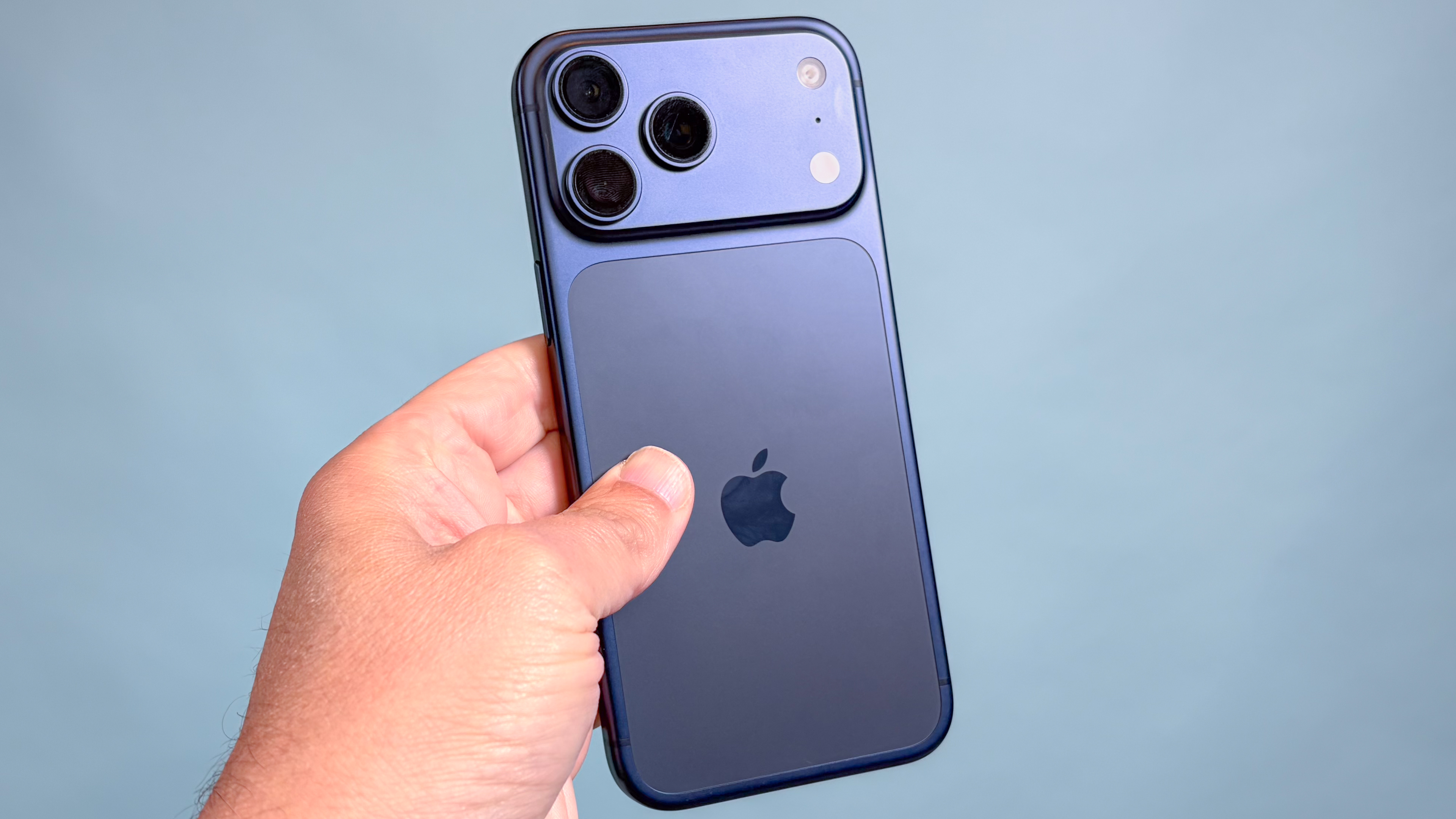
Apple has long championed the flat aesthetic, and the iPhone 17 Pro Max continues that tradition with bezel-less aesthetics that make the display seem to float on top of the device.
Visual Tech: Anti-Reflection and Eye Comfort
One of the most overlooked benefits of the shift to flat glass is the advancement in coatings. On a curved screen, applying a uniform anti-reflective coating is incredibly difficult due to the varying angles of the glass geometry. As a result, the edges of curved phones often act like mirrors, catching every overhead light.
With flat surfaces, manufacturers can apply layers like Gorilla Glass Armor perfectly. This technology does more than just prevent scratches; it fundamentally changes how light interacts with the screen. When you combine this with the latest LTPO AMOLED technology, the result is a display that looks "inkier" and more vibrant because the blacks aren't being washed out by reflected ambient light.
Economic Reality: Repairability and Accessories
The economic argument for flat screens is perhaps the most compelling for the everyday buyer. The cost and complexity of screen repairs for curved panels are notoriously high. Because a curved screen is a single, molded unit that often requires the entire mid-frame to be replaced during a repair, a simple drop can result in a bill exceeding $400.
Comparison Table: 2026 Repair and Spec Standards
| Feature | Flat Screen Flagship (2026) | Curved Screen Legacy |
|---|---|---|
| Typical Repair Cost | $250 - $300 | $400 - $550 |
| Protector Compatibility | High (Dry application tempered glass) | Low (Requires UV glue or film) |
| Peak Brightness | Up to 3,500 nits (Uniform) | Up to 3,000 nits (Edge glare) |
| Battery Capacity | Up to 7,300mAh | Usually under 5,500mAh |
| Palm Rejection | 100% Reliable | Software-reliant (Inconsistent) |
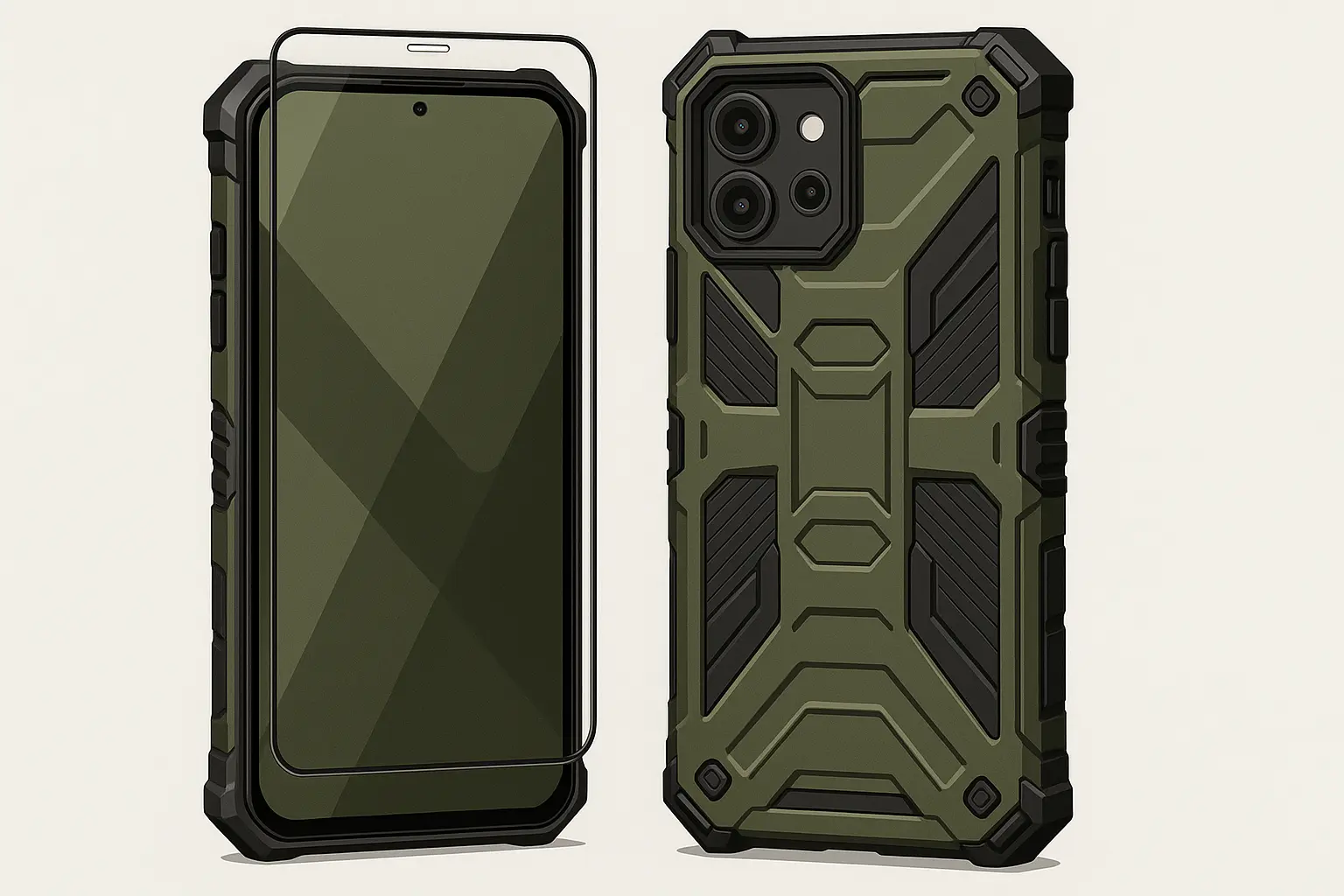
For users who value display repairability, the choice is clear. Applying a tempered glass compatibility protector is a thirty-second job on a flat surface, whereas curved screens often require messy UV-cured adhesives that can damage the phone's oleophobic coating or seep into the earpiece.
FAQ
Which is better, a curved or flat display phone?
A flat display is generally considered better for modern use as it offers superior durability, easier screen protector application, and the elimination of accidental touches. Curved displays are now mostly used for aesthetic flair on mid-range devices rather than high-performance flagships.
Which phone has the best screen display?
The Samsung Galaxy S26 Ultra is widely regarded as having the best screen display in 2026. It combines a 3,500-nit peak brightness with Gorilla Glass Armor, which significantly reduces reflections compared to its competitors.
Why did Samsung stop curved screens?
Samsung stopped using curved screens on its Ultra flagships because of persistent customer feedback. Users found curved edges difficult to use with the S Pen, hard to protect with cases, and prone to accidental touches and glare.
What is the disadvantage of a curved display phone?
The main disadvantages include high repair costs, difficulty in applying screen protectors, structural fragility, and optical distortion or "green tinting" at the edges when viewing content.
Which phone has the smallest display?
While the flagship trend is toward larger screens, devices like the Asus Zenfone series or the standard Samsung Galaxy S26 models offer the smallest display options for those who prefer one-handed use, typically staying around the 6.1 to 6.3-inch mark.
Final Verdict: Is Flat Always Better?
The industry's return to the flat screen represents a "Utility-First" era in mobile design. While curved glass had its moment as a futuristic novelty, it ultimately failed to provide a better user experience for gaming, photography, or productivity. For the hardware enthusiast, the best flat screen phones of 2026 offer a level of display integrity and flat screen phone durability that we haven't seen since the early 2010s.
When choosing your next device, prioritize flat glass if you want a phone that is easier to protect, cheaper to fix, and more reliable for daily tasks. The transition made by Samsung and other leaders proves that the "Death of the Curve" was not just a trend change—it was a necessary evolution for the modern mobile lifestyle.