Our Top Picks
- The Samsung Galaxy S26 Ultra remains the benchmark for mobile productivity, introducing a hardware-level privacy display and the industry-first 2nm Gate-All-Around processor architecture.
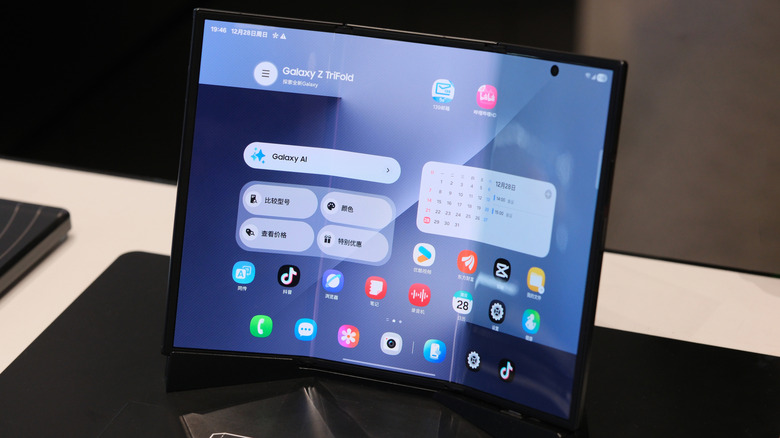
- The Samsung Galaxy Z TriFold is 2026's most radical hardware evolution, successfully scaling a 10-inch display into a 12.9mm thick chassis that weighs just 309 grams.
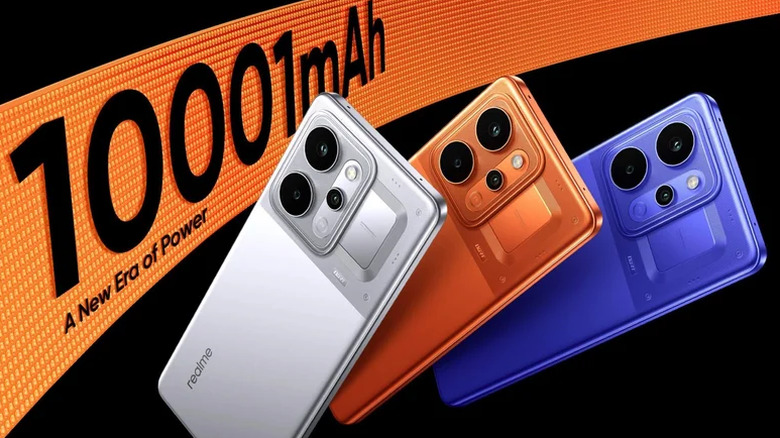
- The emergence of 10,000mAh silicon-carbon batteries across the flagship spectrum has effectively doubled standard runtimes without increasing device thickness beyond 10mm.
Inside the 2026 Android lineup, the focus shifts to radical hardware efficiency. Powered by the first 2nm GAA chips, 2026 Android phones are redefining battery life and privacy.
The Galaxy S26 Ultra: Privacy and Efficiency Refined
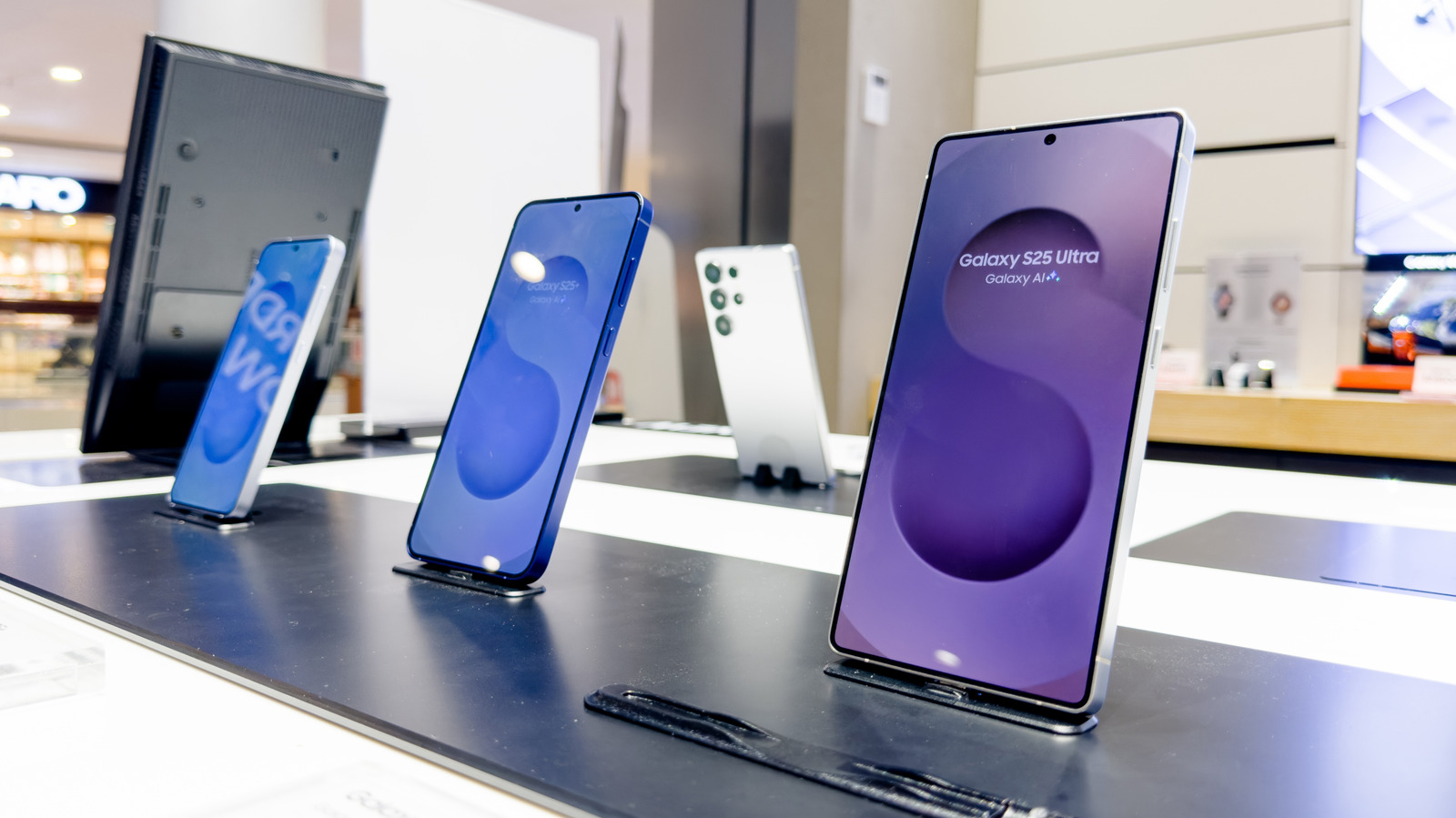
When we first got our hands on the early production units of the new flagship, the most striking change wasn't the size—it was the focus. Samsung is moving away from chasing megapixels as a primary marketing tool and instead focusing on the fundamental pillars of mobile computing: efficiency and security. The Samsung Galaxy S26 Ultra hardware specs reveal a device that is as much about what it hides as what it shows.
The centerpiece of this year's flagship is the 6.9-inch AMOLED display technology that integrates a hardware-level Privacy Display. This isn't just a software filter; the panel itself uses specialized micro-structures to narrow the viewing angle when activated, shielding sensitive on-screen content from anyone standing more than 30 degrees off-axis. For professionals working in public spaces, navigating the samsung galaxy s26 ultra privacy display settings becomes an essential part of the morning commute.
Under the hood, we see the true power of the 2-nanometer Gate-All-Around (GAA) manufacturing process. The Galaxy S26 series features the Exynos 2600, which is the world's first mobile processor manufactured using a 2-nanometer Gate-All-Around (GAA) process node. This shift from FinFET to GAA allows for significantly better current control and power efficiency. This efficiency is critical, as Samsung set an ambitious sales target of 35 million units for the Galaxy S26 lineup in 2026, aiming to outpace the first-half sales performance of its predecessor.
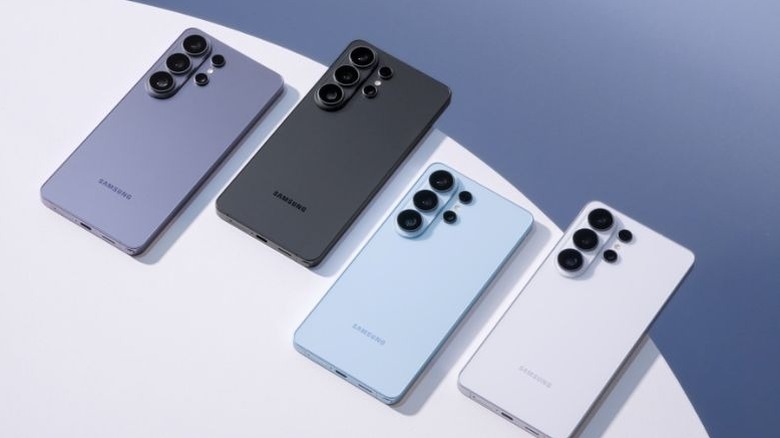
For those looking at samsung galaxy s26 ultra hardware upgrades for s25 users, the biggest physical shift is the move to a second-generation Armor Aluminum frame. While the S25 experimented with titanium, the 2026 model pivots back to high-grade aluminum specifically for its superior thermal conductivity. This change, paired with the new ALoP camera architecture (All Lenses on Prism), allows for a flatter camera module that doesn't sacrifice zoom performance.
The user experience is further augmented by AI-driven productivity tools. Now Nudge provides automated scheduling by analyzing your behavioral patterns, while the expanded Audio Eraser now functions within third-party apps like YouTube and Netflix, allowing you to isolate dialogue from background noise during playback.
The Galaxy Z TriFold: The 10-Inch Revolution
While the Ultra handles the traditional flagship duties, the Samsung Galaxy Z TriFold represents the boldest architectural shift we have seen since the original Fold. The tri-fold smartphone technology 2026 has matured enough to move from concept to consumer reality. This device features a triple-hinge design that unfurls to a massive 10-inch workspace, effectively merging the smartphone and the tablet into a single, pocketable unit.
Engineering a device with two hinges and three display segments usually results in a brick-like form factor, but the Z TriFold defies this. It measures just 12.9 mm thick when closed—only slightly thicker than a standard phone with a case—and weighs a manageable 309 grams. Samsung achieved this through a combination of high-density Foldable form factors and a revised hinge mechanism that uses a proprietary lubricant to eliminate the "crunch" often heard in older foldables.
For potential buyers, the samsung galaxy z trifold price and display size guide suggests a premium entry point at $2,900. However, when you consider that it replaces both a $1,200 phone and a $1,000 tablet, the value proposition begins to shift for power users. The ability to run three full-sized apps side-by-side on a 10-inch canvas makes it a legitimate tool for video editing, complex spreadsheets, and multi-stream monitoring.
2026 Flagship Hardware Comparison
| Feature | Galaxy S26 Ultra | Galaxy Z TriFold |
|---|---|---|
| Primary Display | 6.9-inch AMOLED | 10.0-inch Dynamic AMOLED |
| Processor | Snapdragon 8 Elite Gen 5 / Exynos 2600 | Snapdragon 8 Elite Gen 5 |
| Weight | 231 grams | 309 grams |
| Thickness (Closed) | 8.1 mm | 12.9 mm |
| Battery Technology | 5,500mAh Silicon-Carbon | 6,200mAh Split Silicon-Carbon |
| Price | $1,299 | $2,900 |
Power & Heat: 10,000mAh Batteries and Active Cooling
The most significant "silent" revolution in 2026 Android phones is the death of the traditional lithium-ion battery in the flagship space. Silicon-carbon energy density has improved to the point where manufacturers can pack 10,000mAh of capacity into devices that are less than 10mm thick.
Take the Realme P4 Power as an example. It is among the best 2026 android phones with 10000mah silicon carbon batteries, offering three-day battery life even under heavy 5G usage. This is a game-changer for the industry, as it allows processors to run at higher clock speeds for longer periods without the aggressive thermal throttling we saw in 2024 and 2025.
However, more power means more heat. While Samsung has stuck with an enlarged Vapor chamber cooling system for its flagships, the niche for gaming enthusiasts has moved toward Active thermal management. When choosing between redmagic 11 pro and galaxy s26 ultra for gaming, the decision comes down to how you handle heat.
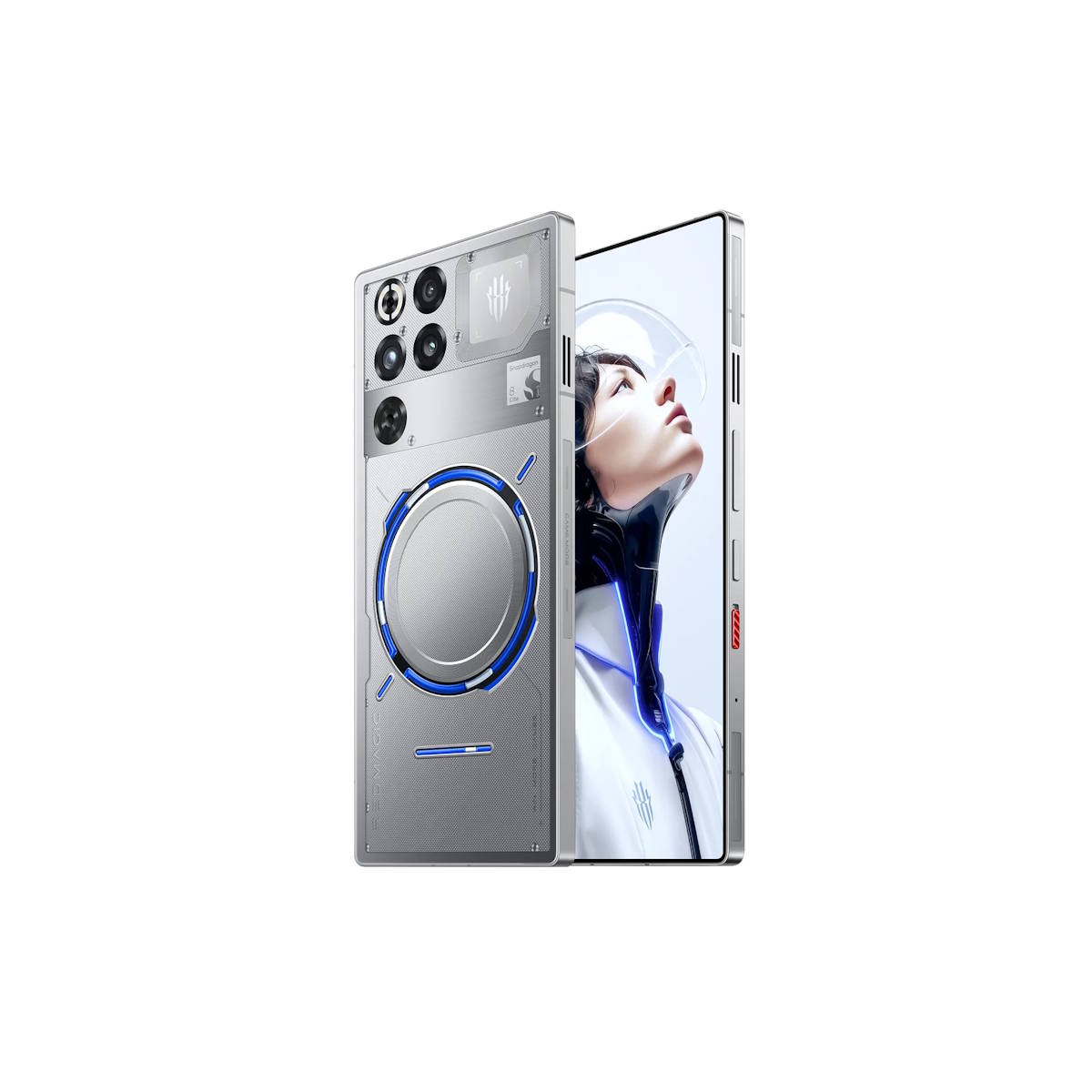
The REDMAGIC 11 Pro and other best Android gaming phones with liquid cooling have integrated miniature internal fans and liquid channels that circulate coolant across the SoC. In our testing, this allows the phone to maintain peak frame rates indefinitely. In an android gaming phones with built-in liquid cooling performance comparison, the active systems stayed below 42.0°C during a three-hour session of AAA gaming, whereas passive systems like the S26 Ultra reached 48.5°C before throttling back by 15%.
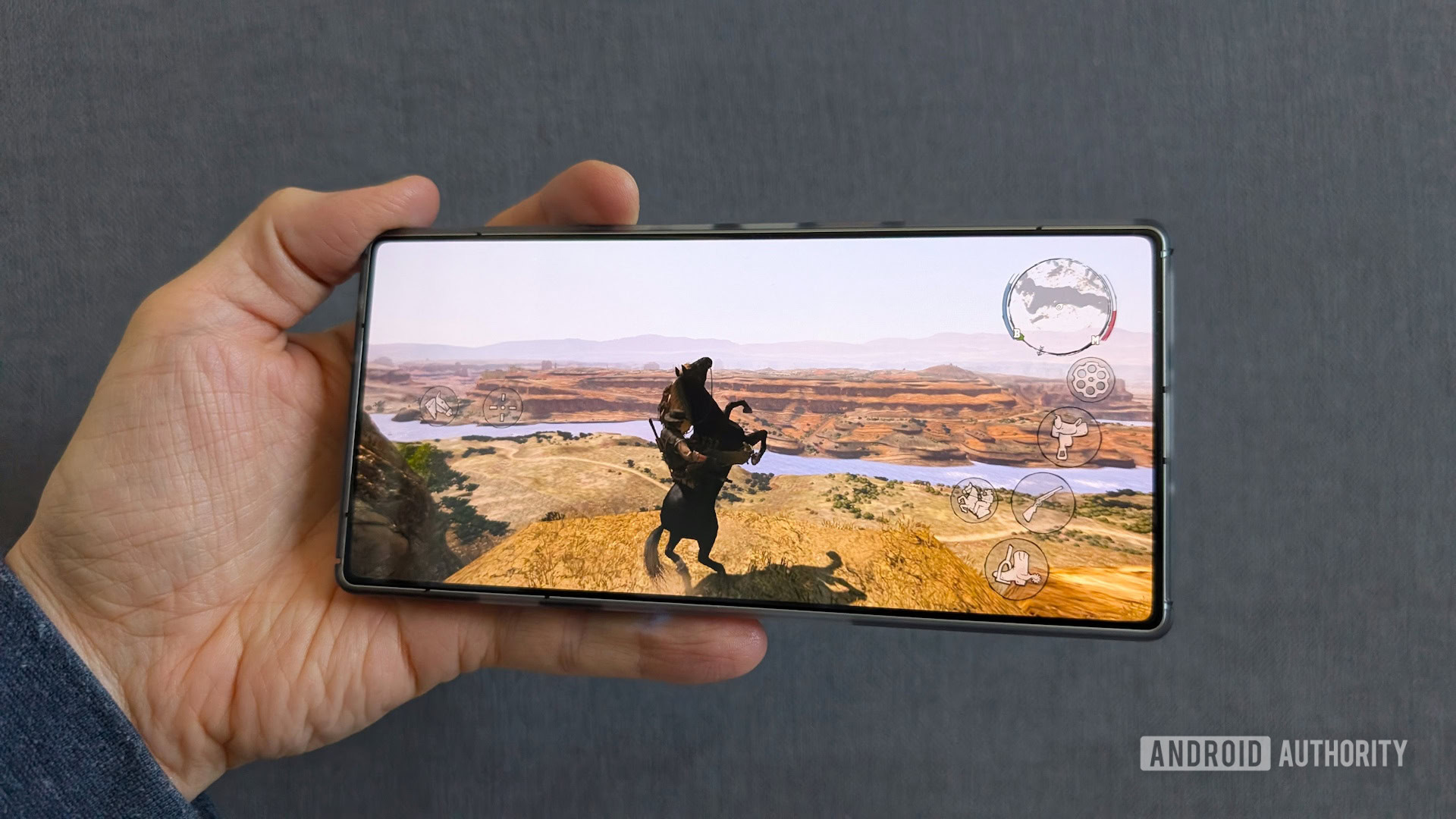
The result of these combined advancements is a year where mobile hardware finally catches up to software ambitions. With the efficiency of 2nm chips and the longevity of 10,000mAh batteries, 2026 Android phones can handle AAA console titles like Red Dead Redemption with ease, without the fear of the battery dying before you reach a save point.
Thermal Benchmarks: Passive vs. Active Cooling
- Standard Vapor Chamber (S26 Ultra): 100% performance for 20 mins; drops to 82% after 60 mins. Peak temp: 48.5°C.
- Active Liquid Cooling (RedMagic 11 Pro): 100% performance for 180+ mins. Peak temp: 41.2°C.
- Graphene Heat Dissipation (Mid-range): 100% performance for 10 mins; drops to 65% after 45 mins. Peak temp: 51.0°C.
Who Should Buy: The 2026 Upgrade Matrix
| User Type | Recommended Device | Why Upgrade? |
|---|---|---|
| S21/S22 Owners | Galaxy S26 Ultra | Massive leap in battery density and the first 2nm processor efficiency. |
| S23/S24 Owners | Galaxy S26 Ultra | Hardware-integrated privacy display and significant AI productivity boosts. |
| S25 Owners | Galaxy Z TriFold | The jump from a standard slab to a 10-inch tri-fold is the only upgrade that feels "new." |
| Competitive Gamers | REDMAGIC 11 Pro | Passive cooling cannot compete with active liquid systems for sustained 144Hz gaming. |
FAQ
When will the first 2026 Android phones be released?
The 2026 Android hardware cycle typically begins in early January with the Samsung Galaxy S26 series, followed by flagship releases from OnePlus, Xiaomi, and Realme throughout February and March. Most manufacturers aim to launch their 2026 models before the end of Q1 to maximize their presence in the early-year sales window.
What new features are expected in 2026 Android devices?
The primary features for 2026 include 2-nanometer processors for improved efficiency, hardware-based privacy displays, and the widespread adoption of silicon-carbon batteries. We are also seeing a major shift toward tri-fold form factors and the integration of system-level AI tools that work across third-party apps for audio and video processing.
Will 2026 Android phones have better battery life?
Yes, 2026 marks a turning point for battery life. The transition to silicon-carbon battery technology allows for capacities up to 10,000mAh in slim form factors. Combined with the 2nm GAA process nodes that consume significantly less power, many 2026 flagships are capable of lasting two to three days on a single charge.
Are foldable phones expected to improve by 2026?
Foldable technology in 2026 has moved beyond the simple "clamshell" or "book" style. The introduction of triple-hinge systems allows for much larger 10-inch internal displays while maintaining a thickness that remains pocketable. Improvements in hinge materials and flexible screen durability have also made foldables as resilient as traditional slab phones.
How many years of updates will 2026 Android phones receive?
Leading manufacturers like Samsung and Google have established 8 years of guaranteed software and security updates as the industry standard for 2026 flagships. This long-term support is made possible by the high performance ceiling of the current 2nm chipsets, ensuring the hardware remains capable for nearly a decade.
The 2026 Android landscape is no longer about incremental updates. Whether you are eyeing the refined productivity of the S26 Ultra or the revolutionary canvas of the Z TriFold, the hardware has finally evolved to meet the lifestyle demands of the most intensive users. If you have been holding onto an older device, this is the year the technological gap finally becomes too wide to ignore.