Quick Facts
- The Problem: Standard smartphones average 3,400 tracking calls per hour to remote servers.
- Top Mainstream Pick: Google Pixel 10 Pro featuring the Titan M3 security chip for hardware-level encryption.
- Top Hardcore Pick: UP Phone, utilizing a network-level firewall to preemptively block data brokers.
- Best Physical Security: Murena 2, which includes physical hardware kill switches for the camera and microphone.
- 2026 Standard: Look for FIPS 140-3 Level 3 certification and a minimum of 7-year security update commitments.
- Software Choice: GrapheneOS remains the gold standard for those seeking privacy-focused phones with de-googled operating systems.
The best privacy-first phones in 2026 include specialized devices like the UP Phone, which uses a network-level firewall to block data brokers, and the Murena 2, which features physical hardware kill switches for the camera and microphone. For mainstream users, the Google Pixel 10 Pro with its Titan M3 chip and the iPhone 17 Pro Max in Lockdown Mode offer robust, integrated security features to mitigate tracking and unauthorized data access. These devices represent the best privacy-first phones 2026 comparison for users looking to reclaim their digital sovereignty.
The Data Tracking Reality Check: Why Software Toggles Aren't Enough
If you think flipping a switch in your settings that says Ask App Not to Track actually stops the flow of your personal information, I have some difficult news for you. Recent findings from the Raxxis study have sent shockwaves through the mobile industry, revealing that even when these toggles are active, an average iPhone makes 3,400 tracking calls per hour. This is the difference between an honor system and actual security.
The problem lies deep within the architecture of modern mobile apps. Most apps are built using third-party SDKs—small bundles of code provided by advertising networks and analytics firms. These SDKs are designed to block mobile data harvesting by the operating system, but they often find clever ways to bypass OS-level privacy settings. They can use finger-printing techniques to identify your device based on its battery level, screen brightness, and sensor data, effectively phoning home to data brokers without your knowledge.
To truly protect yourself, you need to understand how to block third-party SDK data harvesting on mobile. Standard software toggles are like an airport security line where the guards simply ask you if you have anything dangerous. In contrast, a network level firewall smartphones for blocking data brokers acts like a full-body scanner and X-ray machine combined. It doesn't ask for permission; it inspects every packet of data leaving the device and kills any connection destined for a known tracking server.
Mainstream Excellence: Security for the Average User
For most people, the idea of carrying a bulky, experimental device is a non-starter. You want your banking apps to work, your camera to take stunning photos, and your battery to last all day. This is where mainstream secure smartphone alternatives come into play. In 2026, the two titans of the industry have doubled down on their security hardware.
The Google Pixel 10 Pro is a masterclass in hardware-backed security. Its Titan M3 security chip acts as a dedicated vault, separate from the main processor. This hardware isolation ensures that even if the Android OS is compromised, your encryption keys, biometric data, and sensitive passwords remain inaccessible. Google has also achieved FIPS 140-3 certification for its cryptographic modules, a standard usually reserved for government-grade hardware.
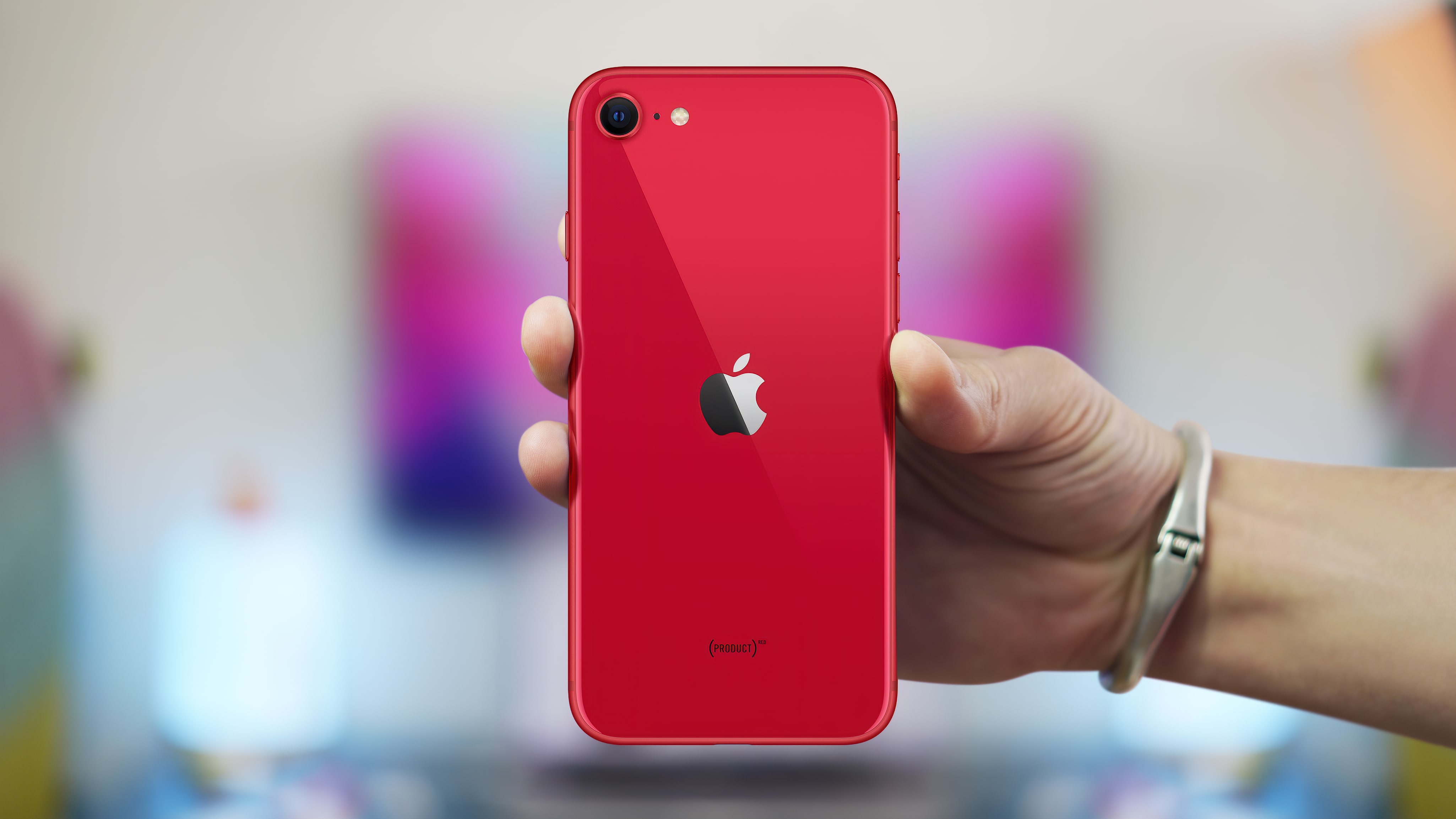
On the Apple side, the iPhone 17 Pro Max utilizes the A19 Secure Enclave to achieve similar results. However, the real standout feature for high-risk users is Lockdown Mode. When we look at iPhone Lockdown Mode vs Samsung Knox for personal privacy, we see two different philosophies. Apple's Lockdown Mode is a "scorched earth" approach; it disables link previews, limits web technologies, and blocks incoming FaceTime calls from unknown numbers. It is designed for those who might be targeted by state-sponsored mercenary spyware.
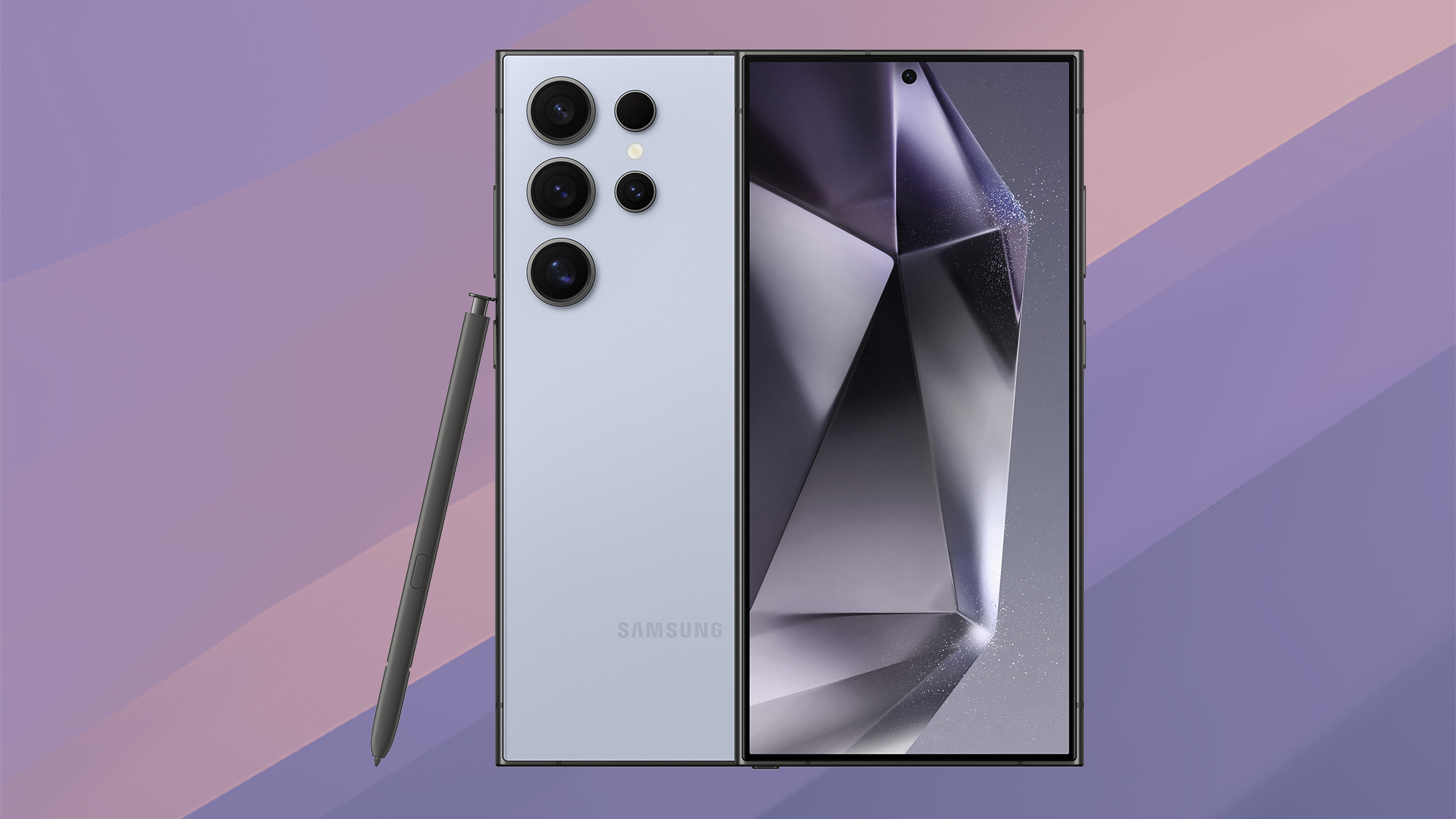
Samsung Knox, conversely, is an enterprise-grade platform that creates a secure container for your apps. It uses a zero-trust mobile architecture to verify the integrity of the device every time it boots. If the system detects that the firmware has been tampered with, it can permanently blow a physical e-fuse, disabling access to the Knox vault and protecting your data from physical extraction.
Niche Hardened Hardware: For the Digital Sovereign
If the mainstream options still feel too connected to the big tech ecosystems, you are likely looking for privacy-focused mobile hardware. These devices are built from the ground up to prioritize the user over the advertiser. They often move away from the standard Google and Apple services entirely.
One of the most exciting developments in 2026 is the rise of smartphones with physical hardware kill switches for camera and mic. The Murena 2 is a leader in this category. On the side of the device, you’ll find physical sliders that literally disconnect the power to the camera and microphone modules. No amount of hacking or sophisticated spyware can turn on a camera that has no physical connection to the battery. This provides a level of peace of mind that software-based "privacy indicators" simply cannot match.
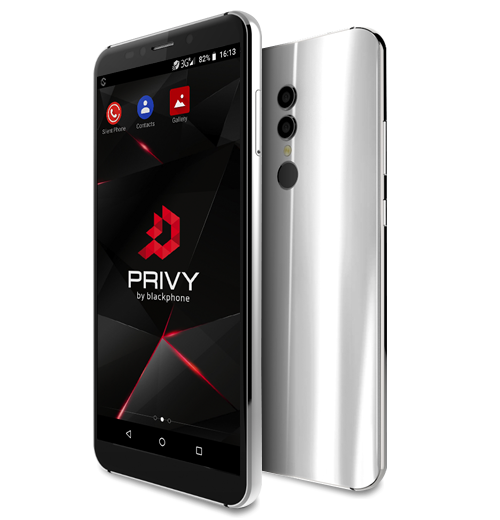
Then there is the software side. As of April 2026, the open-source, privacy-focused operating system GrapheneOS reported an estimated 400,000 active users. GrapheneOS is typically installed on Pixel hardware but replaces the entire Google stack with a hardened version of Android that includes advanced app sandboxing and prevents apps from accessing your IMEI or serial number.
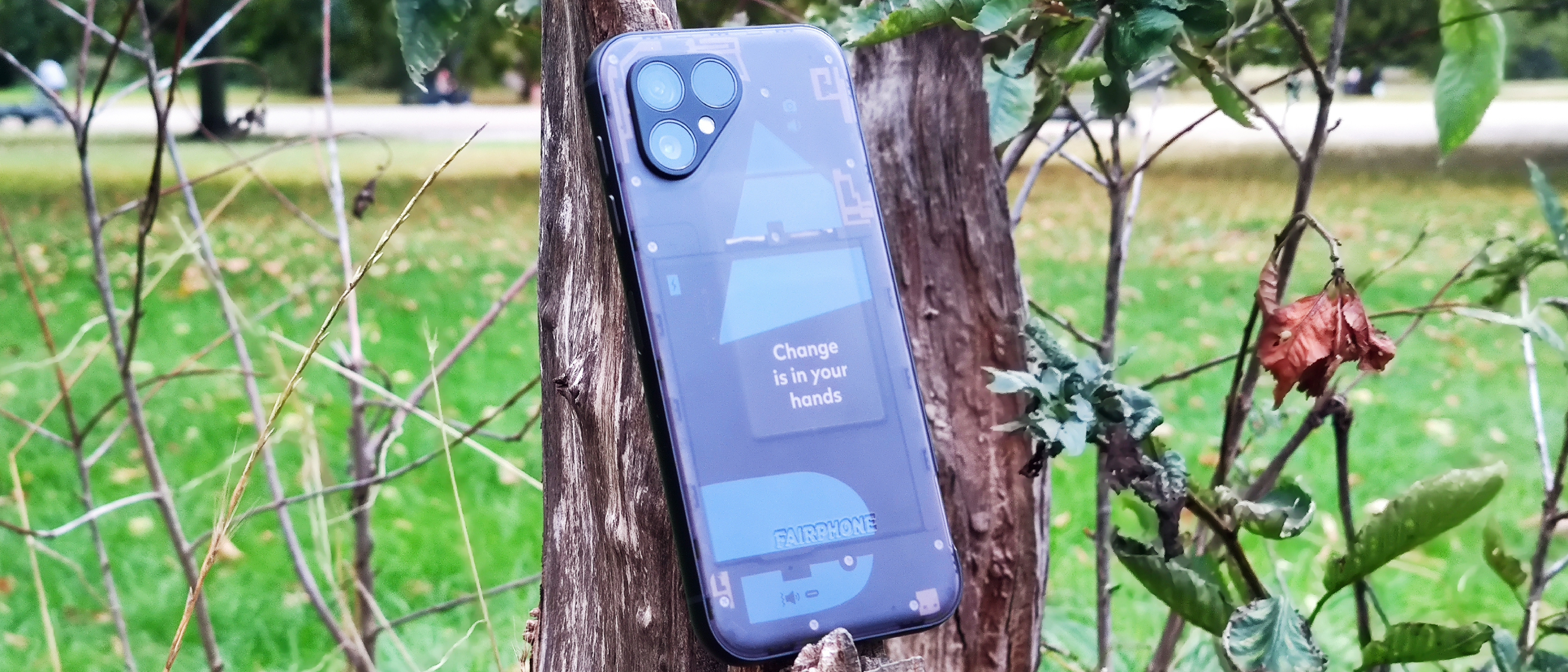
Similarly, the UP Phone uses a specialized OS that routes all traffic through a network-level firewall. This allows you to see, in real-time, which apps are trying to talk to data brokers and block them permanently. For those who want a completely de-Googled experience, /e/OS on devices like the Murena or Fairphone 5 provides a suite of alternative apps for mail, maps, and storage that don't track your every move.
Technical Comparison: Hardware Isolation vs. OS Sandboxing
Choosing between these devices requires understanding the underlying technology. While many phones offer end-to-end encryption for your messages, that only protects the content of your communication, not the metadata of your life—where you are, who you talk to, and what apps you use.
| Feature | Mainstream (iPhone/Pixel/Samsung) | Hardened (UP Phone/Murena/Librem) |
|---|---|---|
| Security Architecture | Secure Enclave / Titan M3 / Knox Vault | Hardware Isolation & Kill Switches |
| OS Environment | iOS or Android with Play Services | De-Googled OS (GrapheneOS, /e/OS) |
| Data Collection | High Telemetry (First-party) | Zero or Minimal Telemetry |
| Tracking Protection | Software-based (App Tracking Transparency) | Network-level firewall / Physical Switches |
| App Compatibility | Near 100% | Variable (some banking apps may fail) |
| Target Audience | Daily users, Executives | Journalists, Privacy Activists, Hardcore Enthusiasts |
Hardware isolation is the gold standard. It involves using separate physical processors to handle sensitive tasks. If your main processor is the "living room" of your phone where apps hang out, the Secure Enclave or Titan M3 is the "bank vault" in the basement. Even if someone breaks into the living room, they can't get into the vault without the right key.
OS Sandboxing, on the other hand, is a software-level protection. It treats every app like it’s in its own transparent box. The app can see out, but it can't reach into other boxes to grab your data. While effective, sophisticated exploits can sometimes "break out" of the sandbox, which is why the zero-trust mobile architecture of hardened devices is so vital. It assumes that every app is potentially malicious and grants access only on a strictly as-needed basis.
FAQ
What is a privacy-first phone?
A privacy-first phone is a mobile device designed with the primary goal of minimizing data collection and unauthorized tracking. Unlike standard smartphones that often prioritize user convenience and advertising revenue, these devices use specialized hardware like security chips and physical kill switches, combined with hardened or de-googled operating systems, to ensure that user data remains private and under the user's control.
Which smartphone has the best privacy features?
The answer depends on your technical comfort level. For mainstream users, the Google Pixel 10 Pro and iPhone 17 Pro Max offer the best balance of usability and security through the Titan M3 and Secure Enclave chips. For those seeking maximum privacy, the UP Phone provides a unique network-level firewall, while the Murena 2 offers physical kill switches that provide an absolute guarantee against unauthorized camera or microphone access.
How do privacy phones protect user data differently?
While regular phones rely on software toggles that apps can sometimes bypass, privacy-first phones use hardware isolation to keep sensitive data like biometrics and encryption keys on a separate processor. They also often feature network-level blocking to stop data brokers from receiving telemetry and use zero-trust mobile architecture to ensure that even if one part of the system is compromised, the rest of your data remains secure.
Do privacy phones still have GPS and location tracking?
Yes, most privacy-first phones still have GPS hardware for navigation. However, they give you much finer control over how that data is shared. Hardened operating systems like GrapheneOS allow you to provide "fuzzed" or approximate location data to apps that don't need your exact coordinates, and some devices like the Librem 5 have a physical kill switch to cut power to the GPS module entirely when not in use.
Can regular smartphones be made as secure as privacy phones?
You can significantly improve a regular phone's privacy by auditing permissions, using a reputable VPN with ad-blocking, and avoiding invasive apps. However, you cannot easily replicate hardware-level features like a separate security chip or physical kill switches. Furthermore, the underlying telemetry sent by Apple or Google in their standard operating systems is very difficult to disable completely without switching to a de-googled OS.
Choosing Your Privacy Tier: A 2026 Buying Guide
In 2026, the spectrum of privacy-first phones has never been broader. Your choice should be dictated by your specific threat model.
If you are a Daily User who wants to stop being an easy target for advertisers and data brokers, the Google Pixel 10 Pro or the iPhone 17 Pro Max are your best bets. Use them with a privacy-focused browser like Brave or DuckDuckGo, and be aggressive with your app permissions.
If you are a High-Stakes Professional—perhaps a journalist, a legal expert, or an activist—you should consider the "hardened" tier. A Pixel running GrapheneOS offers an incredible amount of security without sacrificing too much usability. Alternatively, the UP Phone’s ability to block tracking at the network level makes it a powerful tool for anyone who needs to move through the digital world without leaving a trail.
Finally, for the Digital Sovereign who wants to opt out of the big tech ecosystem entirely, the Murena 2 or the Fairphone 5 running /e/OS provides the cleanest break. These devices remind us that your data belongs to you, and your phone should be a tool that serves you, not a tracking device that serves a corporate master.
Take a moment today to audit your current device. Check your screen time and look at which apps are requesting location data in the background. If you’re uncomfortable with what you see, it might be time to join the 400,000 users who have already made the switch to a more secure future.