Our Top Picks
- Best Overall Gaming Phone: RedMagic 11 Air — Crushes benchmarks with the Snapdragon 8 Elite, features an active cooling fan, and a massive 7,000 mAh battery for marathon sessions.
- Best for Competitive Esports: Xiaomi Poco F7 — Offers a lightning-fast 120Hz AMOLED display, 90W charging, and the Snapdragon 8s Gen 4 for consistent frame rates.
- Best Software Support: Samsung Galaxy S24 FE — Balances performance with seven years of OS updates and a premium 120Hz screen for long-term reliability.
- Best High-Value Display: OnePlus 13R — Delivers exceptional peak brightness and a large 6,000 mAh battery, perfect for outdoor play.
- Best for Emulation: Motorola Moto G Stylus (2025) — Features a dedicated headphone jack and a built-in stylus for tactical titles and retro gaming.
The RedMagic 11 Air is a top choice for gaming phones under $500 in 2026, offering flagship performance with its Snapdragon 8 Elite chipset and active cooling system. It is widely considered the best budget gaming smartphones 2026 option for those who prioritize raw power and sustained thermal management.
| Model | Processor | Battery | Price (MSRP) |
|---|---|---|---|
| RedMagic 11 Air | Snapdragon 8 Elite | 7,000 mAh | $499 |
| Xiaomi Poco F7 | Snapdragon 8s Gen 4 | 5,500 mAh | $429 |
| Samsung Galaxy S24 FE | Exynos 2400e / SD 8 Gen 3 | 4,700 mAh | $499 |
| OnePlus 13R | Snapdragon 8 Gen 3 | 6,000 mAh | $480 |

The mobile gaming landscape has shifted dramatically. As we move through 2026, the global mobile gaming market is projected to reach a valuation of $148.92 billion, with smartphones accounting for approximately 83.67% of the total mobile revenue share. This massive growth has forced manufacturers to pack flagship-tier hardware into mid-range devices. You no longer need to spend $1,200 to get a phone that doesn't throttle during an intense Honkai: Star Rail session.
In this guide, I’m breaking down the gear that provides the best performance-per-dollar. We aren't just looking at spec sheets; we are looking at how these devices handle heat, input lag, and long-term battery health.
The Performance King: RedMagic 11 Air
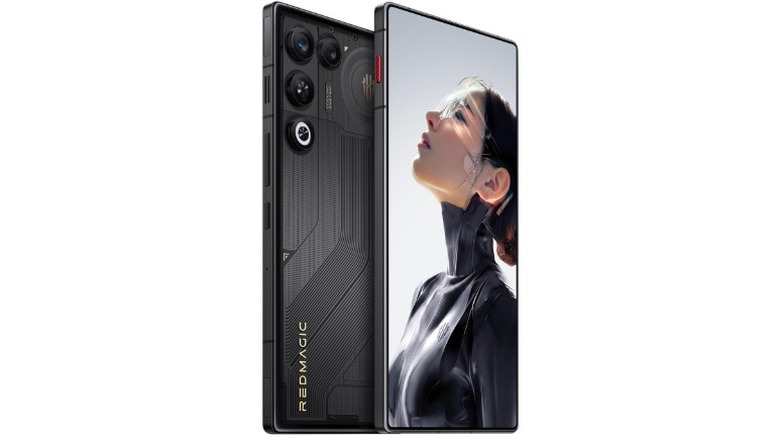
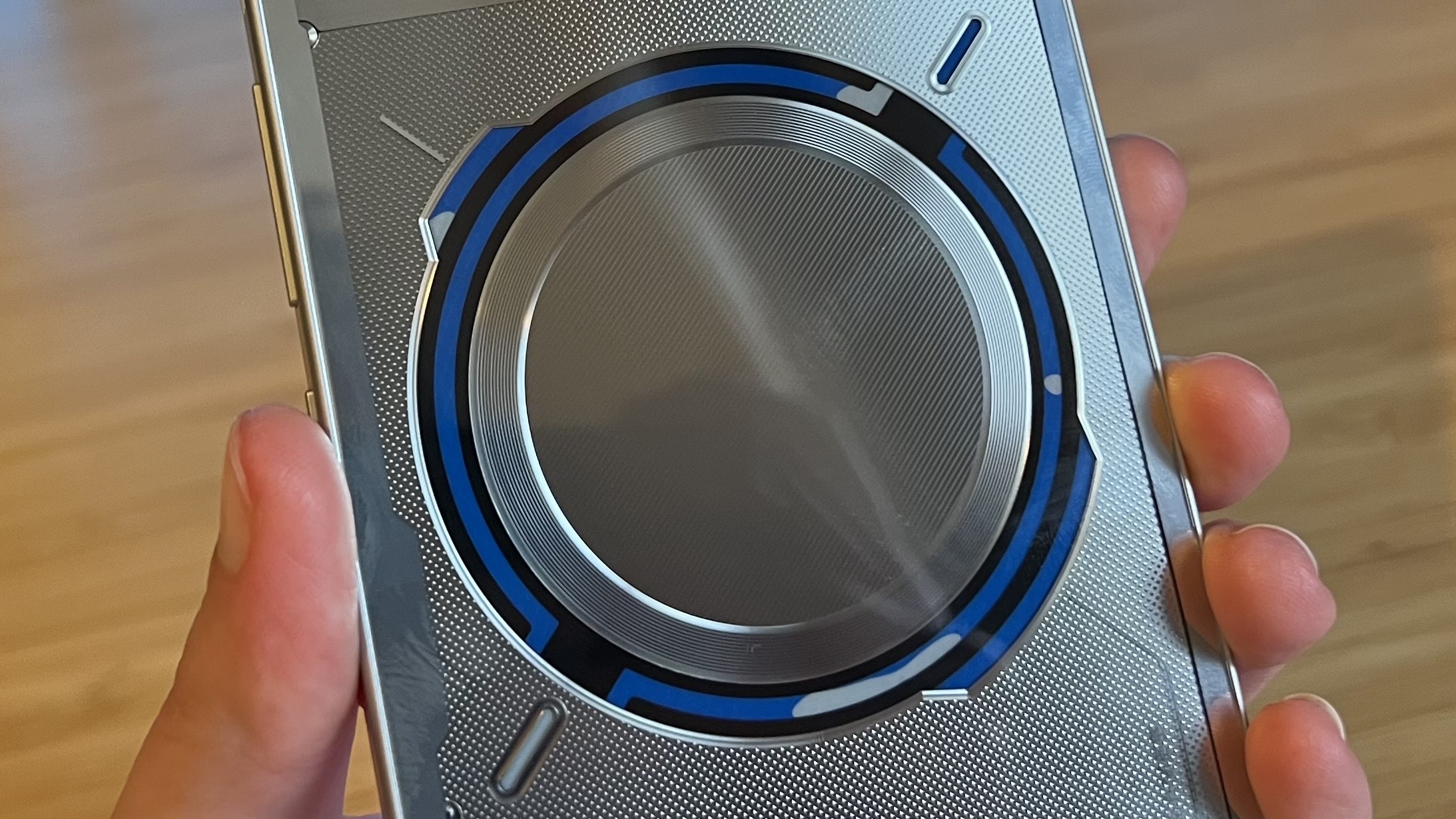
If you want a device that feels like a portable console rather than a communication tool, the RedMagic 11 Air is the undisputed champion. It is one of the most impressive snapdragon gaming phones under $500 because it doesn't just use the Snapdragon 8 Elite chip—it actually lets the chip breathe. Most mid-range phones throttle their speeds after twenty minutes to prevent overheating. The 11 Air uses an internal centrifugal fan to keep temperatures stable.
Display and Visuals
The front of the device is a pure, uninterrupted slab of glass. By using an under-display camera, RedMagic has eliminated the notch and the punch-hole. For a competitive gamer, that extra millimeter of screen real estate in the corner can be the difference between seeing an enemy and getting flanked. The 144Hz OLED panel offers a touch sampling rate that makes every swipe feel instantaneous, which is critical for high-speed titles.
Power and Battery
Powering this beast is a silicon-carbon battery. This technology allows for a higher energy density, resulting in a 7,000 mAh capacity without making the phone feel like a brick. It supports 80W fast charging, so even if you manage to drain it, you’re back in the game within thirty minutes. When we talk about best snapdragon 8 elite gaming phones under 500 dollars, the RedMagic 11 Air stands alone by offering this level of battery endurance.
Pros
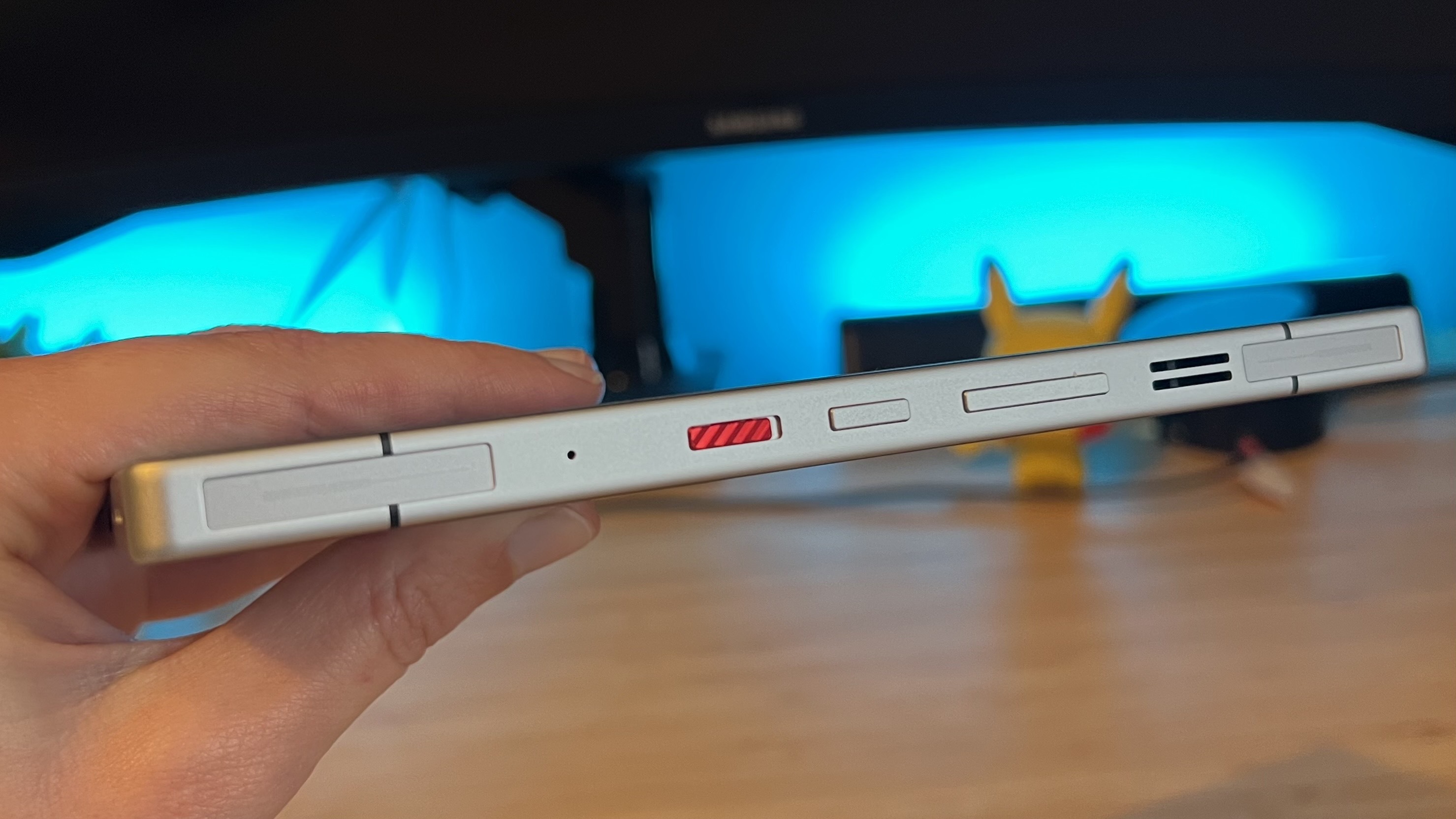
- Physical capacitive shoulder triggers for controller-like input.
- Active cooling fan prevents frame rate drops.
- Massive battery life for long gaming sessions with 7000mah.
- Uninterrupted 144Hz display with no notch.
Cons
- Bulky design may not fit all pockets.
- Camera quality is secondary to gaming performance.
- Software UI can feel cluttered compared to stock Android.
Competitive Edge: High Refresh Rates for Less
While the RedMagic is a dedicated machine, the Xiaomi Poco F7 and the OnePlus 13R offer a more balanced experience for those who want a daily driver that can still dominate in mobile esports. These are the mid-range phones with 120Hz display for gaming that provide the sweet spot of price and usability.
Poco F7: The Speed Demon
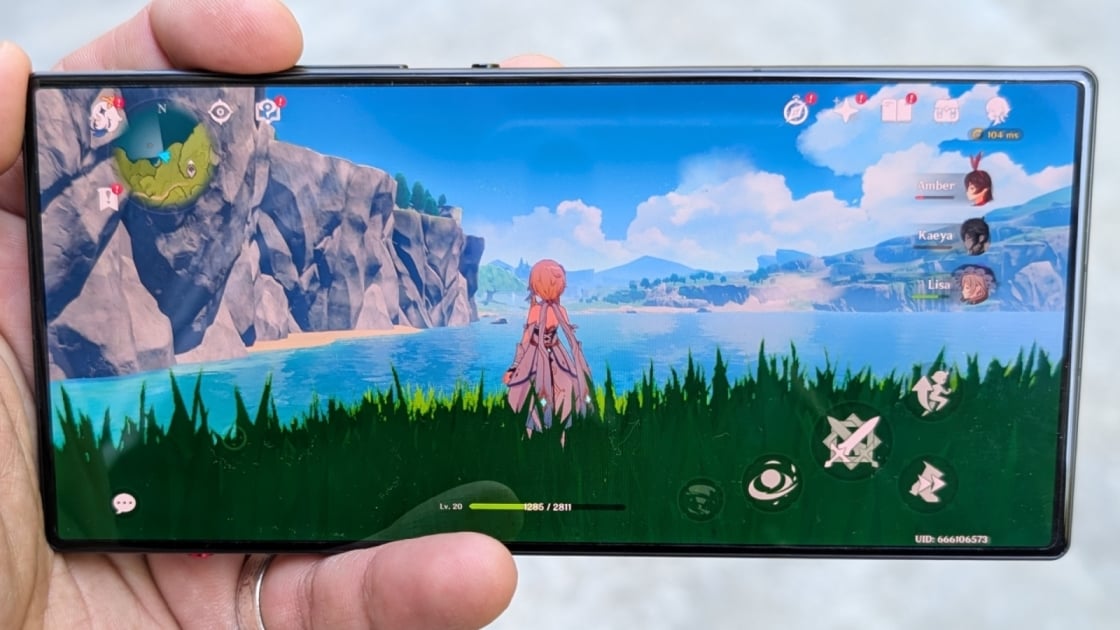
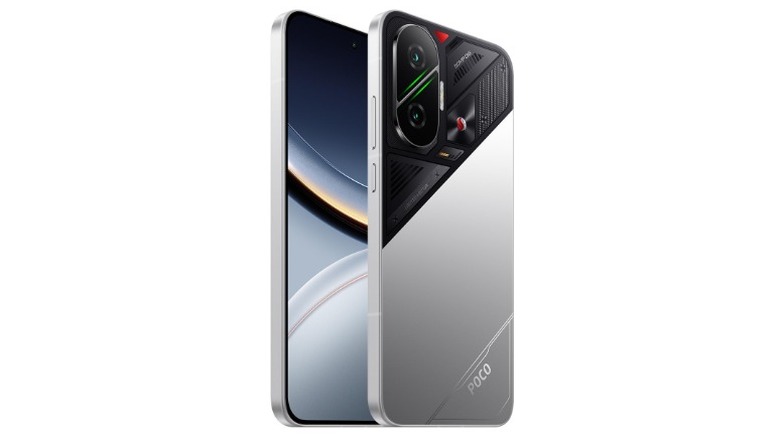
The Poco F7 is built for speed. It utilizes the Snapdragon 8s Gen 4, a chip designed to bring flagship features to a lower price point. It excels in frame rate stability, particularly in games like Genshin Impact where lower-end chips often stutter. The Poco F7 also boasts a 90W fast charging system that can top up the device significantly faster than more expensive rivals.
OnePlus 13R: The Brightness King
The OnePlus 13R is the go-to for gamers who play on the go. Its display features an incredible peak brightness that makes gaming in direct sunlight possible. This is particularly useful for AR games or outdoor tournaments. It also utilizes UFS 4.0 storage, ensuring that game loading times and asset streaming are virtually instant. If you are looking for gaming smartphones with 144hz under 500 for competitive play, check for regional variants of the 13R that occasionally boost the refresh rate beyond the standard 120Hz.
Pros (Poco F7)
- Excellent 90W fast charging.
- Lightweight and ergonomic for long-held sessions.
- Consistent Snapdragon performance.
Cons (Poco F7)
- Plastic build feels less premium than the OnePlus.
- Significant pre-installed bloatware.
Pros (OnePlus 13R)
- Stunning display with high peak brightness nits.
- Large 6,000 mAh battery.
- Fastest storage speeds in its class.
Cons (OnePlus 13R)
- Lacks the physical triggers found on the RedMagic.
- Thermal management is passive, meaning it may warm up under heavy load.
The Longevity Play: Samsung Galaxy S24 FE & Software Support
Not every gamer is looking for the highest possible FPS. Some want a phone that will play the latest games today and still be receiving security updates in 2030. The Samsung Galaxy S24 FE is the definitive "safe choice." It offers a refined user experience and a price-to-performance ratio that makes sense for the long term.
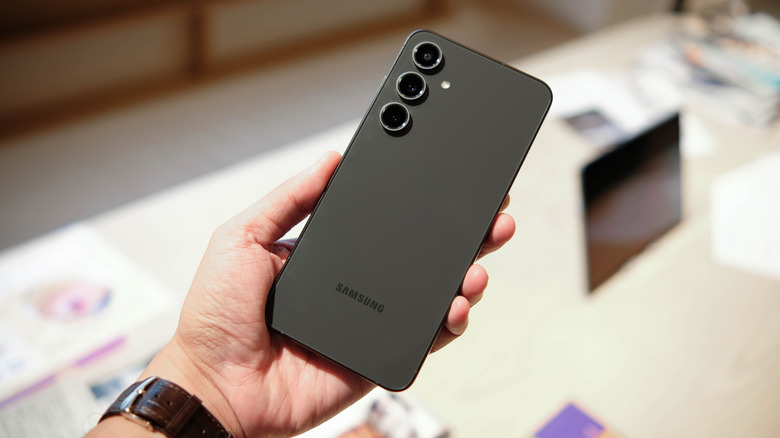
The S24 FE isn't just about software; it features ray tracing support, which is becoming increasingly common in high-end mobile titles. While it might not have the raw cooling power of a dedicated gaming rig, its integration with the Samsung ecosystem and high-quality 120Hz AMOLED panel makes it a versatile contender. For those who want affordable android phones for genshin impact high settings 2026, the S24 FE provides a stable, if not flashy, experience.
Pros
- Industry-leading seven years of OS updates.
- Excellent color accuracy on the AMOLED display.
- IP67 water and dust resistance.
Cons
- Charging speed is limited to 25W-45W, which is slow by 2026 standards.
- Smaller battery compared to the 6,000-7,000 mAh beasts.
Buying Guide: What to Look for in a 2026 Gaming Phone
When shopping for budget gaming phones with shoulder triggers and active cooling, or even a more standard mid-range device, you need to look beyond the marketing buzzwords. Here is what actually matters for performance in 2026.
Thermal Management and Throttling
In 2026, most processors are powerful enough to run modern games. The real bottleneck is thermal management. Without a massive vapor chamber cooling area or active fans, a phone will trigger thermal throttling to protect its internal components. This results in a sudden drop from 60 FPS to 30 FPS. Look for devices that explicitly mention their cooling surface area in square millimeters.
Memory and Storage
For gaming phones under $500, do not settle for anything less than 8GB of LPDDR5X RAM. Ideally, you want 12GB to ensure that background apps don't force your game to close. Storage is equally important. Ensure the device uses UFS 4.0 storage rather than the older UFS 3.1; this significantly improves how quickly the game can read textures and data during open-world gameplay.
Display Tech and Input
A 120Hz refresh rate is now the baseline for any serious gaming phone. However, you should also look at the touch sampling rate. A higher touch sampling rate (measured in Hz) means the phone registers your finger taps faster, giving you a competitive edge in shooters. Many mid range gaming phones with dedicated game turbo features allow you to customize these sensitivities in the software.
Recent data shows that high-performance gaming phones available for under $500 in 2026, such as the Poco X7 Pro 5G, utilize the MediaTek Dimensity 8400 Ultra chipset and come equipped with 6,000mAh batteries. This illustrates how the "mid-range" is now pushing specs that were exclusive to flagships just eighteen months ago. Furthermore, mid-range gaming devices in 2026 increasingly feature flagship-tier display specifications, including refresh rates of up to 144Hz and peak brightness levels reaching 2,700 nits.
FAQ
What is the best gaming phone under $500 right now?
The RedMagic 11 Air is widely considered the best choice due to its Snapdragon 8 Elite processor and active cooling fan, which prevents the phone from slowing down during long play sessions.
Are budget gaming phones good for high-end mobile games?
Yes, in 2026, mid-range chips like the Snapdragon 8s Gen 4 and MediaTek Dimensity 8400 Ultra are more than capable of running demanding titles like Genshin Impact or Warzone Mobile at high settings with stable frame rates.
Which mid-range phone has the fastest processor for gaming?
The RedMagic 11 Air leads the pack with the Snapdragon 8 Elite, while the Poco F7 follows closely with the Snapdragon 8s Gen 4, both of which outperform traditional mid-range processors.
Is 8GB of RAM enough for a gaming phone under $500?
8GB is the bare minimum for 2026. For the best experience and to avoid crashes in memory-intensive games, aiming for 12GB of LPDDR5X RAM is highly recommended for longevity.
Do budget gaming phones have good cooling systems?
Many now do. While cheaper phones usually rely on passive vapor chamber cooling, dedicated gaming models under $500, like the RedMagic series, include internal fans to provide superior thermal management compared to standard smartphones.