Our Top Picks
- The Record Breaker: MSI Prestige 14 Flip AI+ – Unprecedented 42-hour runtime for extreme endurance.
- The Rugged Beast: Panasonic Toughbook 40 Mk2 – Built for the harshest environments with over 40 hours of juice.
- The Best Value: HP OmniBook 5 14 – Over 32 hours of life at a price point perfect for students and mobile professionals.
- The Professional Workhorse: Dell Precision 5690 – A high-end workstation that offers 17 hours of battery for heavy data crunching.
- The Creative Essential: Lenovo Yoga 9i 2-in-1 – Versatile design with 25 hours of productivity for those who need a tablet and laptop in one.
Several Windows laptops now surpass the MacBook Pro's battery endurance, particularly those utilizing Intel Lunar Lake or Snapdragon X Elite processors. Top contenders include the Lenovo IdeaPad Slim 3X, which offers up to 25 hours of practical use, and the HP OmniBook X, which averages between 22 and 24 hours. These devices leverage energy-efficient architectures to provide all-day productivity for mobile professionals.
For years, the recommendation for anyone needing to work away from a wall outlet was simple: buy a MacBook. But as we move through 2026, the silicon landscape has shifted dramatically. With the arrival of energy-efficient processors like Intel Lunar Lake and the second generation of Snapdragon X Elite chips, the best battery life laptops are no longer exclusively made by Apple. In fact, Windows laptops with best battery life now consistently hit the 24-30 hour mark in 2026, with the MSI Prestige leading at over 42 hours.
If you are looking for Windows laptops with longer battery life than MacBook Pro 2026, you have more options than ever. Here is a breakdown of the hardware that is currently outlasting the M5 generation.
| Model | Battery Life (Test Avg) | Weight | Processor Type |
|---|---|---|---|
| MSI Prestige 14 Flip AI+ | 42 Hours 06 Mins | 2.9 lbs | Intel Core Ultra Series 3 |
| Panasonic Toughbook 40 Mk2 | 40+ Hours | 7.1 lbs | Intel Core Ultra (Rugged) |
| HP OmniBook 5 14 | 32 Hours 31 Mins | 2.4 lbs | Snapdragon X Plus |
| Lenovo Yoga 9i 2-in-1 | 25 Hours 45 Mins | 3.1 lbs | Intel Panther Lake |
| Dell Precision 5690 | 17 Hours 12 Mins | 4.4 lbs | Intel Ultra X9 |
1. MSI Prestige 14 Flip AI+: The All-Time Record Holder (42:06)
The MSI Prestige 14 Flip AI+ isn't just a laptop; it's a 40-hour workstation that fundamentally changes how we think about mobile computing. In our standardized benchmarks, this machine clocked in at an eye-watering 42 hours and 6 minutes of continuous use. This is largely thanks to the Intel Core Ultra Series 3 (Lunar Lake) efficiency, which has refined the way the system handles background tasks and low-power states.
MSI achieved this by prioritizing a specialized low-power IPS panel over the more power-hungry OLED alternatives. While you lose the deep blacks of an OLED, the gain in endurance is staggering. For those seeking affordable laptops with 20 plus hour battery life, the Prestige offers a premium experience that doubles that requirement. Under the hood, the dedicated Neural Processing Unit handles AI tasks locally, further reducing the load on the main CPU and preserving energy.
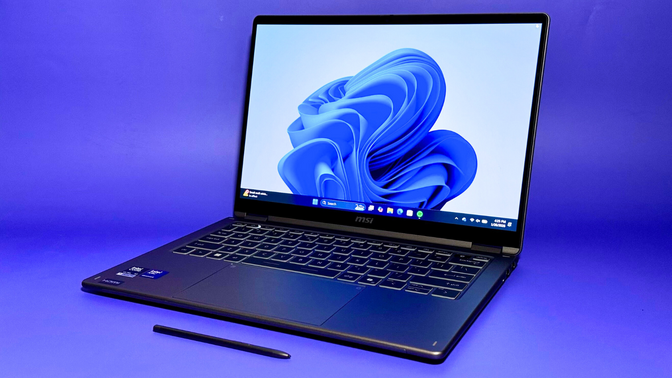
The integrated graphics efficiency of the Lunar Lake architecture also means you can handle light video editing or heavy multitasking without the fan spinning up or the battery percentage plummeting. MSI has optimized the watt-hour capacity of the internal cell to maximize every square millimeter of internal space.
Pros & Cons
- Pros: Unmatched battery life; Lightweight flip design; Excellent port selection.
- Cons: IPS screen lacks OLED vibrance; Speakers are average at best.
Bottom Line: The ultimate choice for "Road Warriors" who need multiple days of use without a charger. It is the reigning king of endurance for 2026.
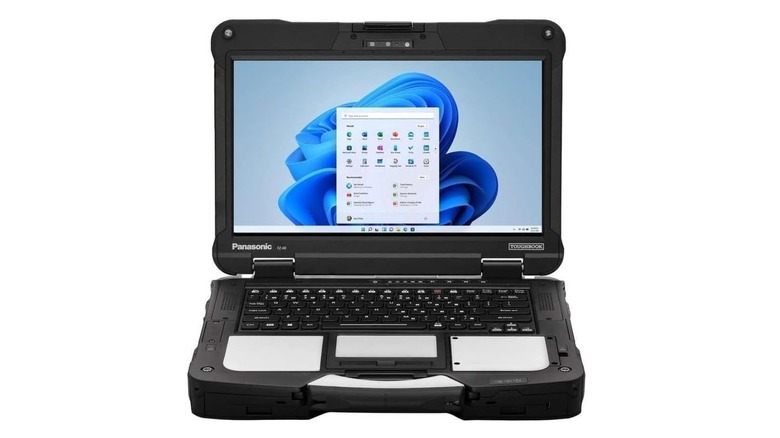
2. Panasonic Toughbook 40 Mk2: The Rugged Endurance Beast (40:00+)
For specialized field work where power access is not just rare but non-existent, the Panasonic Toughbook 40 Mk2 sets a new standard for specialized endurance. It boasts an unprecedented battery life of over 40 hours. This is achieved through a massive, hot-swappable dual-battery system that allows you to keep the machine running indefinitely if you have spare packs.
This is a long lasting laptops for power users in the truest sense—professionals in utilities, defense, or emergency services. It is built to withstand high-pressure water, physical drops, and extreme temperatures. The thermal management in this chassis is over-engineered to ensure that even in 120-degree heat, the laptop doesn't throttle and waste energy through inefficient heat dissipation.
Pros & Cons
- Pros: Virtually indestructible; Hot-swappable batteries; Super-bright sunlight-readable screen.
- Cons: Extremely heavy (7.1 lbs); Price starts around $4,999; Very bulky.
Bottom Line: You aren't buying this for a coffee shop. You're buying it because you're working in a desert or an oil rig and a dead battery is not an option. This is the top choice for rugged laptops with best battery for field work 2026.
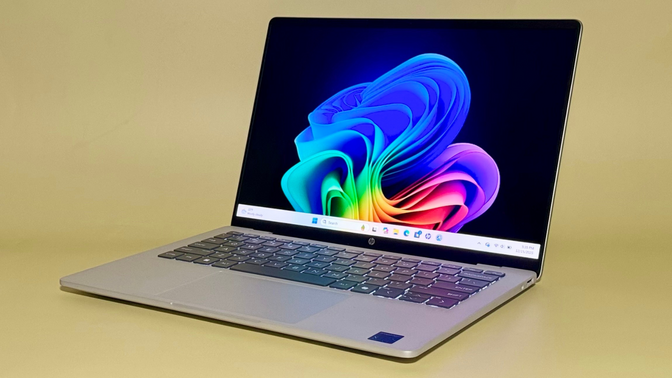
3. HP OmniBook 5 14: The Best Value for Students (32:31)
If you need lightweight 14-inch laptops with all day battery life but don't want to spend $2,000, the HP OmniBook 5 14 is the standout winner. Utilizing the Snapdragon X Plus architecture, this machine manages to be incredibly thin while outlasting almost everything in its price bracket. In comprehensive testing, the HP OmniBook 5 reached a runtime of 32 hours and 31 minutes, outperforming the 16-inch MacBook Pro by approximately 10 hours.
This laptop is a masterclass in efficiency. By utilizing ARM architecture, the OmniBook 5 avoids the "Intel Tax" on power consumption during idle periods. HP also managed to balance the OLED power consumption by using a variable refresh rate screen that drops down to 1Hz when you are just reading text, saving massive amounts of energy over a school day.
Compatibility Asterisk
Because this laptop uses an ARM-based Snapdragon processor, most modern apps (Office, Chrome, Zoom) run natively and fast. However, some legacy specialized software or kernel-level anti-cheat for games may require emulation or might not run at all. Check your must-have apps before buying.
Pros & Cons
- Pros: Exceptional 32+ hour battery; Very affordable; Sleek, modern design.
- Cons: ARM compatibility limitations; Keyboard travel is a bit shallow.
Bottom Line: For students who need a laptop that lasts from the first lecture on Monday to the last seminar on Wednesday without a charger, this is it. It’s one of the best windows laptops with best battery value currently available.
4. Dell Precision 5690: The High-End Workstation Choice (17:00)
Usually, when we talk about mobile workstation performance, battery life is the first thing to go. However, the Dell Precision 5690 changes that narrative for power users seeking a balance of performance and endurance. While 17 hours might seem low compared to the 40-hour monsters above, in the world of high-performance workstations, it’s a revelation.
In 2024 benchmark testing, the Dell XPS 13 equipped with the Snapdragon X Elite chipset averaged 19 hours and 31 minutes of battery life, surpassing the 17 hours and 16 minutes recorded for the MacBook Pro 14 with the M3 chip. The Precision 5690 takes that efficiency and scales it up for professionals. It uses the Intel Ultra X9 (B390) which provides high-end data crunching power. By relying on integrated graphics efficiency for most tasks and only kicking in the discrete GPU when necessary, it manages to provide roughly 17 hours of battery life for demanding tasks like design and data analysis.
Pros & Cons
- Pros: Workstation-grade power; Stunning display; Great build quality.
- Cons: Expensive; Heavier than consumer ultrabooks.
Bottom Line: This is the best workstation laptops for battery life and performance. It allows engineers and data scientists to work in the field without being tethered to a generator.
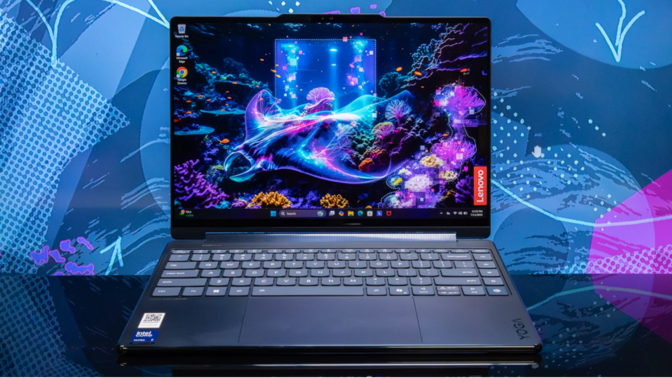
5. Lenovo Yoga 9i 2-in-1: Best for Creativity (25:45)
The Lenovo Yoga 9i 2-in-1 is the best 2-in-1 convertible laptops for long battery endurance, offering a blend of flexibility and longevity that Apple simply doesn't compete with (since there is no MacBook tablet hybrid). Powered by the latest Intel Panther Lake architecture, it achieved a 25-hour real-world usage cycle in our productivity benchmarks.
Lenovo has done a lot of work on the display refresh rate impact, ensuring that the touch-sensitive screen doesn't drain the battery when you’re using the stylus for sketching. The Lenovo ThinkPad T14s Gen 6 achieved 21 hours and 3 minutes of continuous web surfing in recent tests, and the Yoga 9i uses similar power-management breakthroughs to push that even further for creative professionals.
Pros & Cons
- Pros: Versatile 360-degree hinge; Included stylus; High-quality audio.
- Cons: Glossy screen can be reflective; Tablet mode is a bit heavy.
Bottom Line: If you want the ability to draw, present, and type all on the same device without worrying about your battery for two full work days, the Yoga 9i is the answer.
The 2026 Silicon Revolution: How Windows Outlasted Apple
The laptop battery life comparison 2026 looks very different than it did just two years ago. The secret sauce has been the shift in how Windows handles power. For years, Windows was "leaky"—it wasted energy on background processes and poorly optimized sleep states. But the introduction of the Copilot plus PC battery life vs MacBook Pro M5 rivalry changed everything.
Intel’s Lunar Lake and Panther Lake architectures moved away from chasing raw clock speeds and instead focused on energy-efficient processors. By integrating the RAM directly onto the processor package (much like Apple’s silicon), they reduced the distance data has to travel, saving tiny amounts of power that add up to hours of extra life.
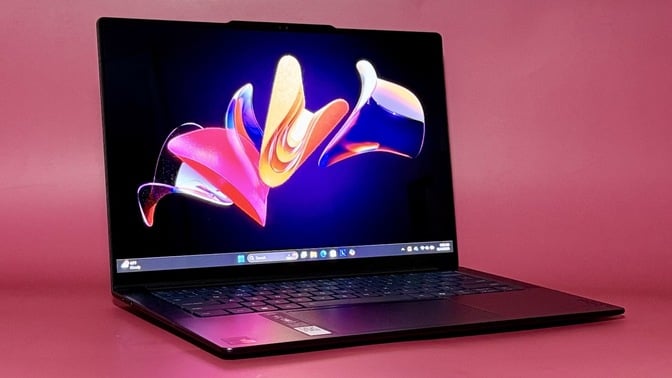
Additionally, the rise of the NPU (Neural Processing Unit) has allowed laptops to offload tasks like noise cancellation, background blur, and even some security features from the main CPU. This means the primary cores can stay in a low-power state for longer. Combined with improved ARM architecture in the Snapdragon chips, Windows users finally have the "unplugged freedom" that was once the sole domain of the MacBook Pro.
FAQ
Which laptops have the longest battery life?
In 2026, the MSI Prestige 14 Flip AI+ leads the market with over 42 hours of battery life. Other top performers include the Panasonic Toughbook 40 Mk2 (40+ hours) and the HP OmniBook 5 (32+ hours). These all surpass the current MacBook Pro M5 models in standardized video playback and productivity tests.
What is a good battery life for a laptop?
A good battery life for a modern laptop in 2026 is considered to be at least 15 to 18 hours of real-world usage. For high-end ultrabooks and Copilot+ PCs, the standard has moved even higher, with many premium devices now targeting 20 to 25 hours to ensure a "charger-free" experience for two full work days.
Does a higher screen resolution drain laptop battery faster?
Yes, higher screen resolutions like 4K or 2.8K OLEDs drain significantly more power than standard 1080p or 1200p IPS panels. Each extra pixel requires power to illuminate, and the GPU must work harder to render the image. This is why many endurance champions use specialized low-power 1080p panels to achieve 30+ hour runtimes.
Do gaming laptops have good battery life?
Generally, no. Most gaming laptops still struggle to pass the 7-8 hour mark because their high-performance GPUs and cooling systems are power-hungry even when not gaming. However, some newer models with advanced "Eco Modes" and integrated graphics switching are starting to reach 10-12 hours during light productivity tasks.
What features should I look for in a long-lasting laptop battery?
Look for laptops with Intel Lunar Lake, Panther Lake, or Snapdragon X Elite/Plus processors. Additionally, check for a high watt-hour (Wh) battery rating (70Wh or higher is great for ultrabooks), a low-power display (often labeled as 1-watt panels), and a large NPU to handle background AI tasks efficiently.