Our Top Picks
- Samson Q2U: The gold standard for value, offering a hybrid USB/XLR connection that grows with your skill level.
- Shure MV7+: A professional bridge for growing shows, delivering broadcast-quality sound without the need for high-end preamps.
- Elgato Wave:3: The top choice for live streamers who need sophisticated digital mixing software and a sensitive condenser capsule.
- Audio-Technica AT2040USB: High-fidelity 24-bit/96kHz audio for creators who prioritize vocal isolation in imperfect rooms.
- Rode Wireless Pro: A versatile podcasting microphone kit perfect for modern creators jumping between studio setups and mobile recording.
Start your journey with the best podcast mic for beginners. We review 5 top-value picks for 2026, balancing audio quality and cost. For beginners seeking high-quality audio on a budget, the Samson Q2U and Shure MV7+ are top value choices, offering hybrid USB/XLR connectivity that grows with your studio.
The landscape of content creation has shifted dramatically. As of 2024, global podcast listenership has surpassed 546 million people, and approximately 47% of the U.S. population aged 12 and older listens to podcasts on a monthly basis. With such a massive audience, the standard for what constitutes acceptable audio has risen. Fortunately, the global podcasting hardware market, valued at an estimated $3.6 billion in 2024, has driven innovation so far that entry-level gear now rivals what professionals used a decade ago.
| Microphone | Connection | Best For | Growth Potential |
|---|---|---|---|
| Samson Q2U | USB & XLR | Absolute Beginners | High (XLR-ready) |
| Shure MV7+ | USB & XLR | Pro-Leaning Creators | Elite |
| Elgato Wave:3 | USB-C | Streamers/Software Fans | Medium |
| AT2040USB | USB-C | Home Studios | Medium |
| Rode Wireless Pro | Wireless/USB | Mobile & Video Podcasting | High |
1. Samson Q2U: The Ultimate Entry-Level Hybrid
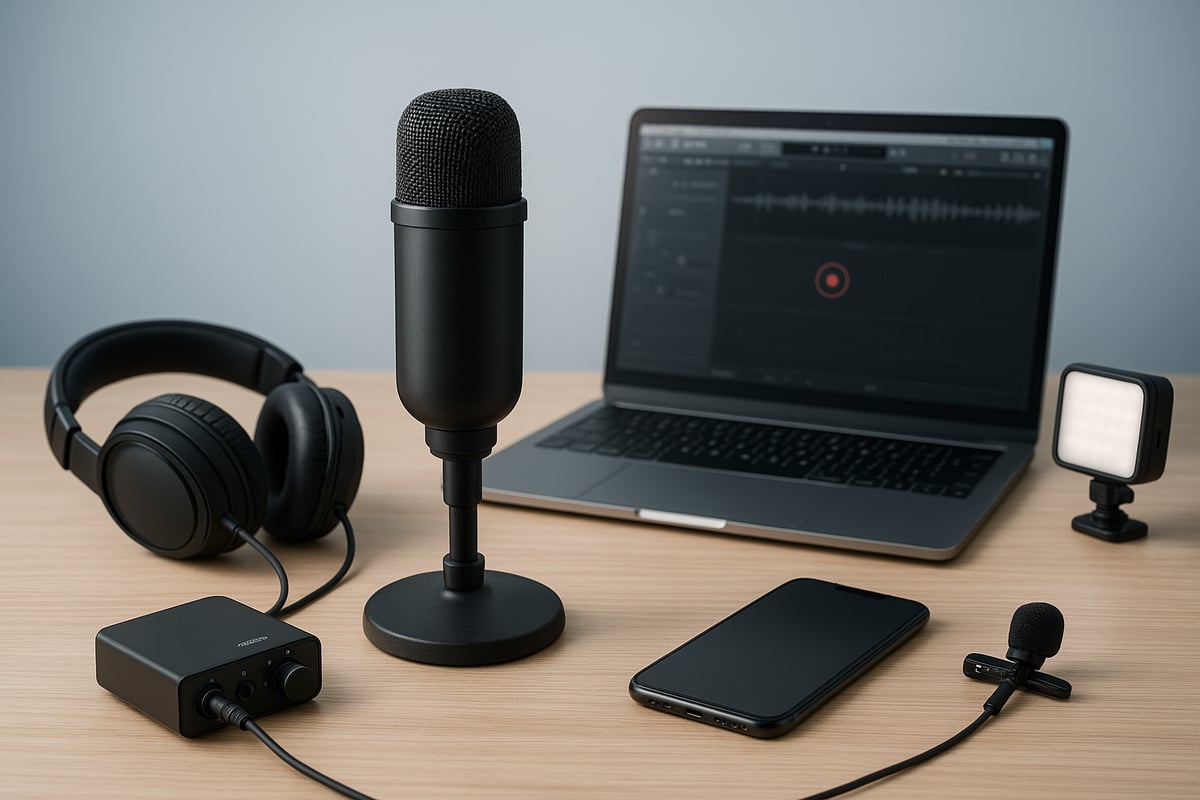
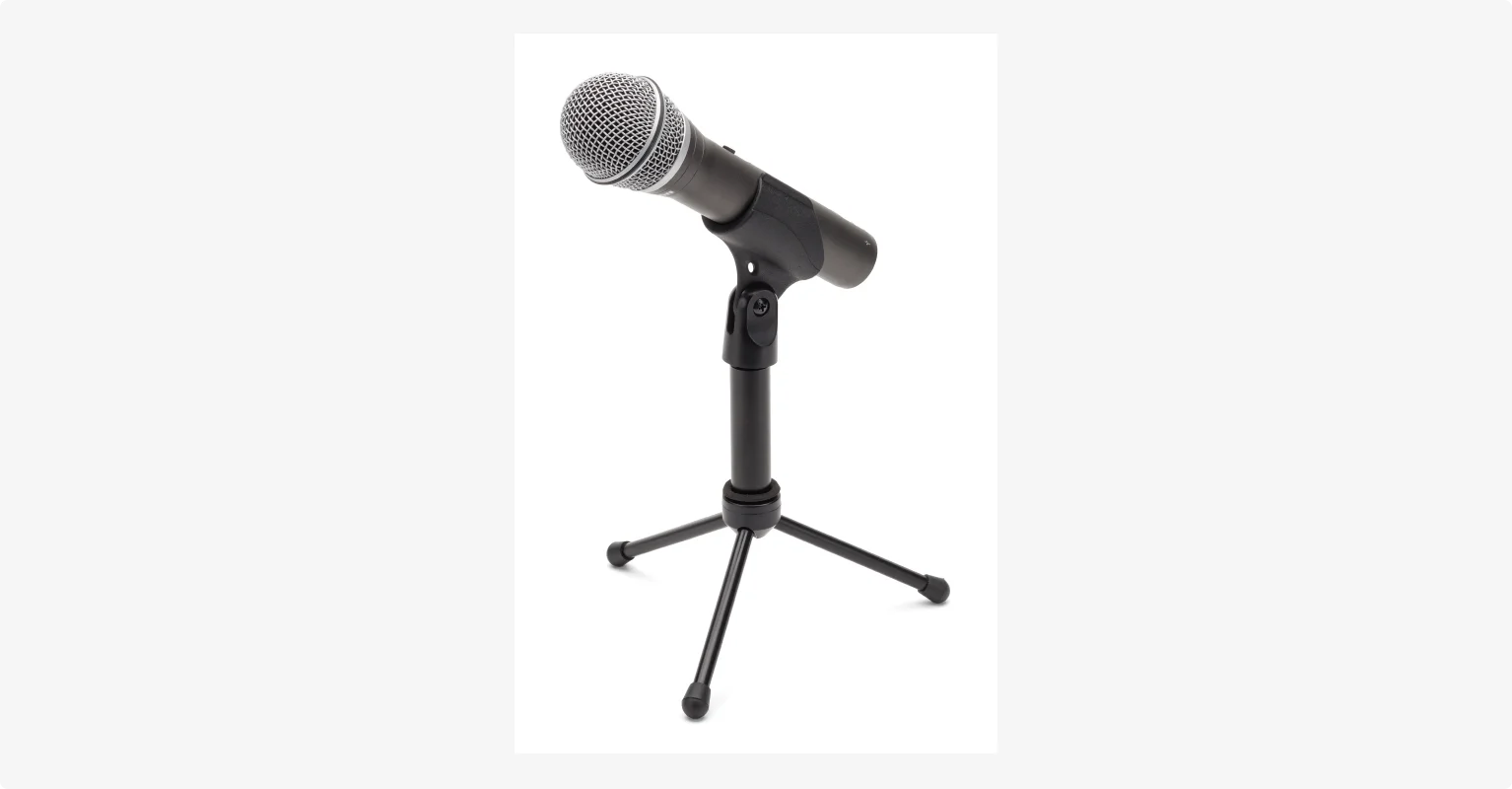
For anyone just dipping their toes into the water, the Samson Q2U remains a legendary recommendation. It is a rare beast in the audio world: a budget-friendly dynamic microphone that features both USB and XLR outputs. This hybrid design means you can plug it directly into your computer today, but should you decide to buy an audio interface later, you don't need to replace your podcasting microphone.
Performance evaluations suggest that entry-level dynamic microphones like this can deliver approximately 75% of the audio quality of prosumer-tier microphone bundles while costing as little as one-third of the price.
The cardioid polar pattern is specifically designed for voice isolation. In 2026, most of us aren't recording in professional studios; we are in bedrooms or home offices. The Q2U's dynamic capsule is less sensitive to the hum of an air conditioner or the traffic outside, making it the most practical podcasting microphone setup for untreated spaces.
Buy If: You are on a strict budget and want a mic that can stay with you as you upgrade your gear. Avoid If: You need the ultra-wide frequency response and detail that only a condenser can provide.
- Connectivity: USB-C (modernized) and XLR.
- Included Accessories: Desktop stand, mic clip, USB cable, and XLR cable.
- Key Feature: Zero-latency headphone monitoring via a 3.5mm jack.
2. Shure MV7+: The Professional Growth Path
If you have ever looked at the iconic Shure SM7B but felt intimidated by the price and the technical requirements, the MV7+ is your answer. While the SM7B is a professional microphone for podcasting, it is famously gain hungry, often requiring an expensive audio interface or an inline preamp like a Cloudlifter just to get a usable signal.
The MV7+ solves this by adding an internal preamp and high-quality digital processing. It offers a professional microphone for podcasting experience via USB-C, with a touch-to-mute panel and customizable LED levels. Its broadcast quality sound is achieved through a combination of the physical capsule and onboard Digital Signal Processing (DSP) that helps manage gain control and monitor latency automatically. This is arguably the best usb microphone for podcasting for those who want that thick, "radio voice" without a complex signal chain.
Buy If: You want the professional Shure aesthetic and sound signature with plug-and-play simplicity. Avoid If: You strictly want an analog-only setup; however, it does include an XLR port for that purpose.
3. Elgato Wave:3: Best for Live Streamers & Software
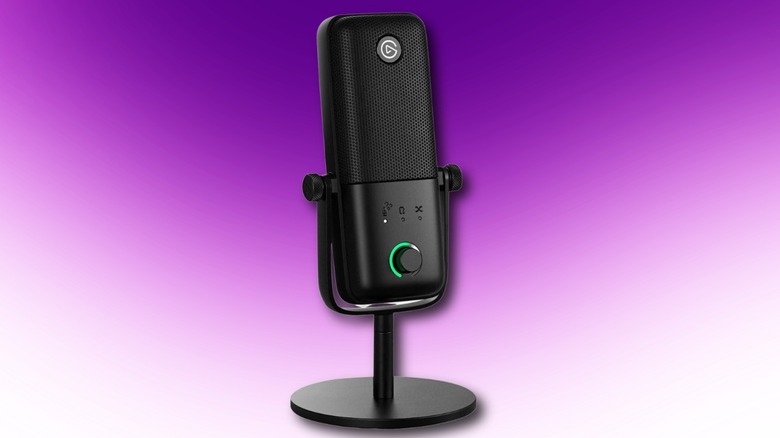
The Elgato Wave:3 takes a different approach to value. Instead of focusing solely on the hardware, Elgato focuses on the ecosystem. The Wave Link software acts as a virtual audio interface, allowing you to mix different audio sources (music, game sound, browser, mic) directly on your computer.
The Wave:3 uses a condenser capsule, which provides a wider frequency response and more detail than a dynamic mic. This makes your voice sound crisp and airy. However, condensers are more sensitive to background noise. Elgato counteracts this with their proprietary Clipguard technology, which prevents audio distortion if you get too loud during an excited moment of content creation. It is a fantastic best usb microphone for podcasting choice for creators who live and die by their software workflow.
Buy If: You are a streamer who needs sophisticated control over multiple audio channels. Avoid If: Your recording environment is very noisy or echoes significantly.
4. Audio-Technica AT2040USB: Best Technical Fidelity for Under $200
Audio-Technica has consistently provided the best budget microphone for podcasting options for decades, and the AT2040USB is the pinnacle of their value line. This is a dynamic microphone with a hypercardioid pattern. While a standard cardioid mic picks up sound in a heart shape, a hypercardioid pattern is even narrower, providing superior side-noise rejection to ensure your voice is the star of the show.
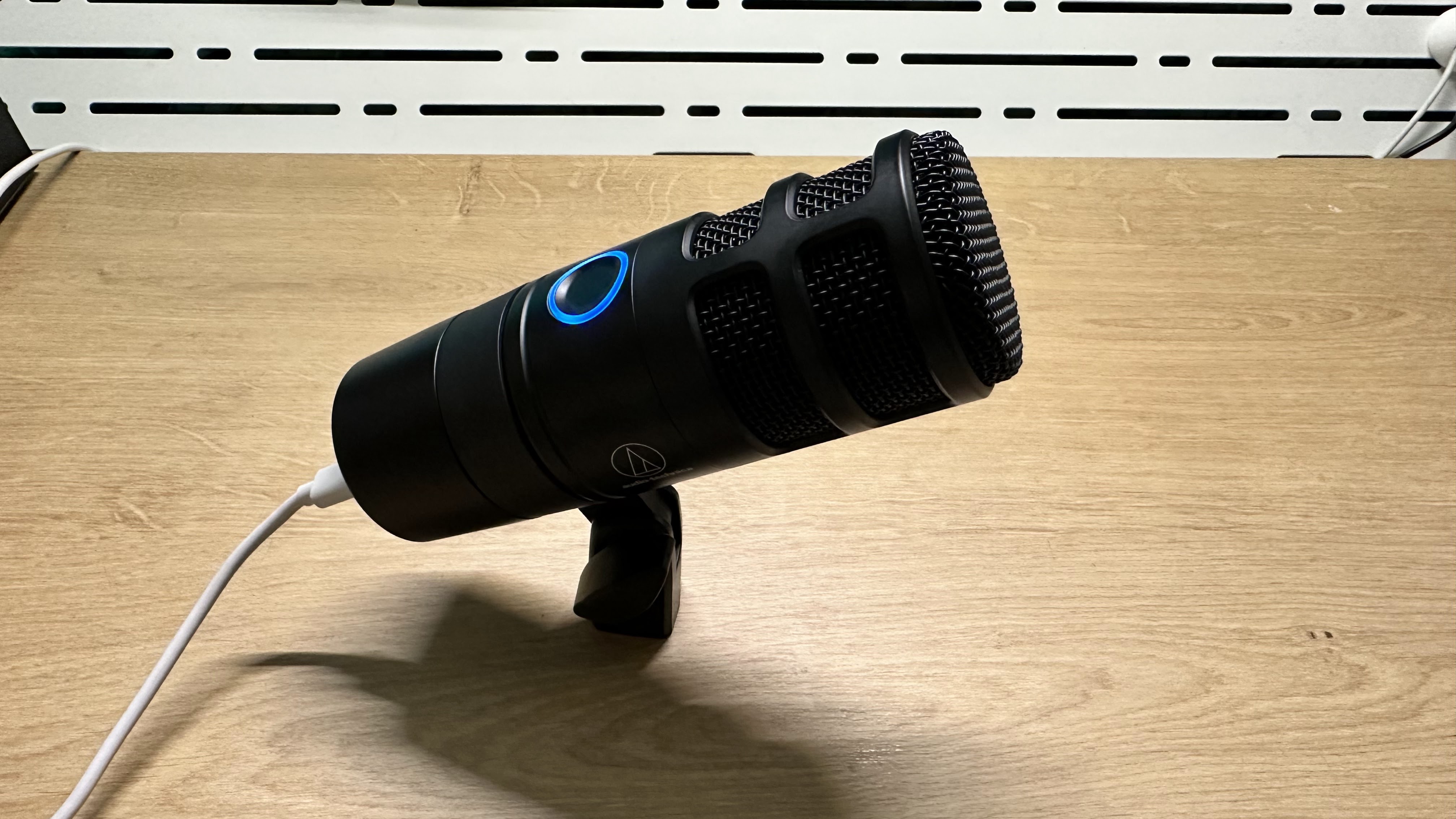
What makes this a high-value podcasting microphone is the internal 24-bit/96kHz high-resolution converter. This bit-depth ensures that your recordings have a high signal-to-noise ratio, giving you more "room to breathe" when you are editing your audio in post-production. It includes an integrated pop filter that handles plosives (those loud "P" and "B" sounds) better than almost any other mic in this price bracket.
- Resolution: High-quality 24-bit/96kHz sampling.
- Pattern: Hypercardioid for maximum voice isolation.
- Controls: Mute button and headphone volume dial on the body.
5. Rode Wireless Pro: The Video-First Solution
As we head into 2026, podcasting isn't just audio anymore—it's video clips for TikTok, YouTube, and Instagram. The Rode Wireless Pro is the best budget podcasting microphone solution for those who aren't tied to a desk. While technically a podcasting microphone kit, this system includes two transmitters with high-quality built-in mics and 32-bit float internal recording.
32-bit float is a game-changer for value because it makes it virtually impossible to clip or distort your audio. Even if you shout, you can bring the levels back down in editing without losing any quality. If you are looking for a podcasting microphone for iphone, the Rode system connects directly via USB-C or Lightning, making it the most flexible tool in a creator's bag.
Buy If: You record multi-person interviews or need a podcasting microphone for iphone that works on the go. Avoid If: You only record at your desk and prefer the bulky, "voice of god" look of a large dynamic mic.
The Signal Chain: Hidden Costs of Pro Audio
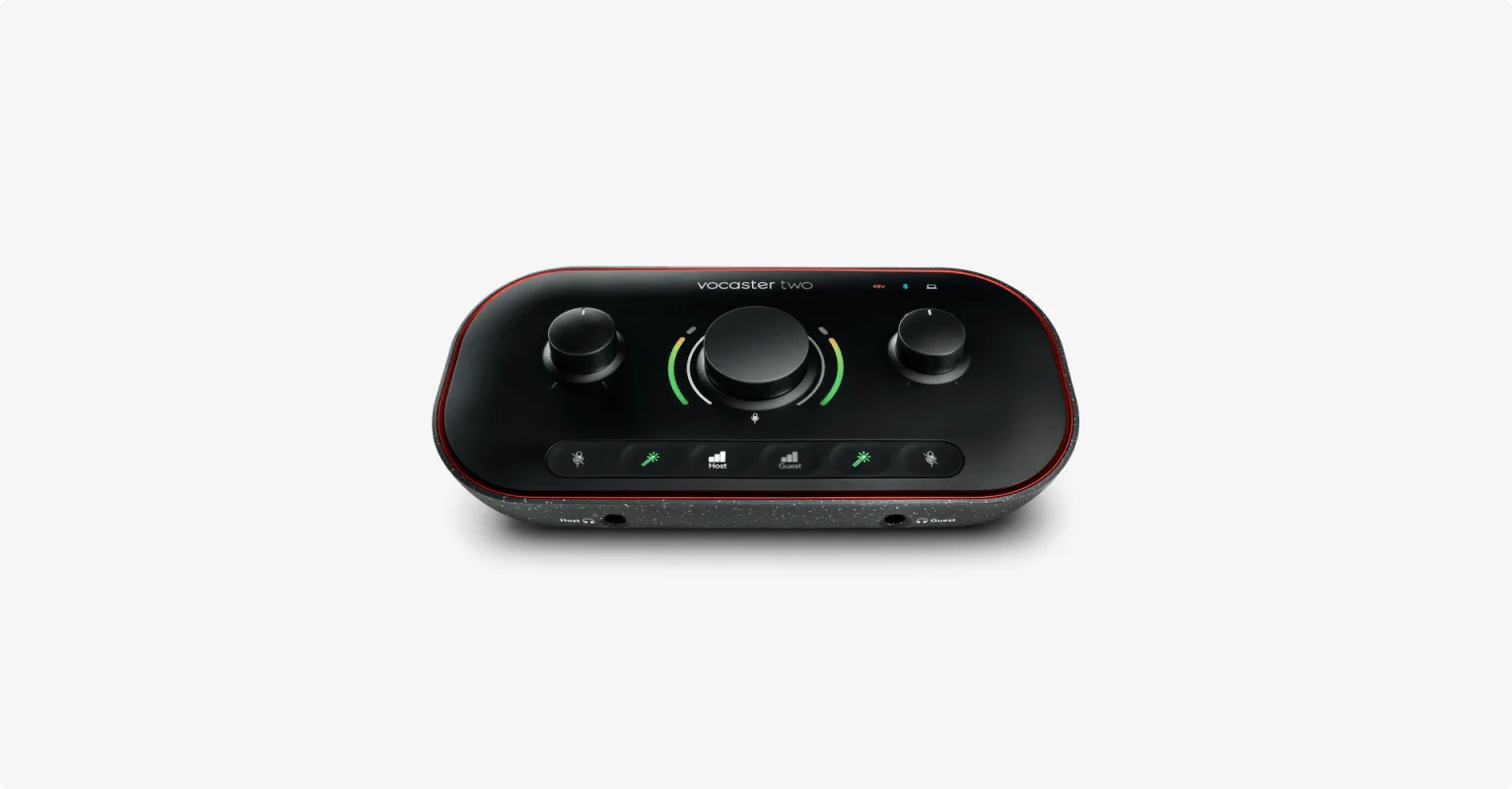
Getting a great mic is only 60% of the battle. When you move into the world of an xlr microphone for podcasting, you must account for the total cost of ownership. Unlike a USB mic, an XLR mic requires an audio interface to convert the analog signal into digital data for your computer.
If you choose a condenser mic, your interface must provide phantom power (usually labeled as +48V). If you choose a dynamic mic like a Shure or the AT2040, you might need a powerful interface with high gain to ensure your signal-to-noise ratio remains clean.
Beyond the electronics, your podcasting microphone setup requires physical support. A sturdy boom arm and a shock mount are essential to prevent the sound of your keyboard or desk bumps from ruining a take. Finally, never underestimate the power of acoustic treatment. Even a few budget foam panels or a heavy rug can make a $100 mic sound like a $500 mic by killing room reflections.
FAQ
What type of mic is best for podcasting?
Dynamic microphones are generally considered the best for podcasting, especially for home creators. They are naturally less sensitive than condensers, which means they do a better job of ignoring ambient noise like fans, traffic, or family members in the next room. They produce a warm, robust sound that is synonymous with professional broadcasting.
What do most podcasters use to record?
While professional studios use high-end XLR setups with interfaces like the Focusrite Scarlett or Rodecaster Pro, many independent podcasters use hybrid USB microphones. The Shure MV7 and Samson Q2U are among the most popular choices because they allow you to record into a computer or a mobile device without extra equipment, but still offer the ability to scale up to professional mixers later.
Why is the Shure SM7B so popular?
The Shure SM7B has been the industry standard for decades because of its unparalleled ability to make almost any voice sound smooth and authoritative. Its internal air suspension and pop filter make it very "clean." However, for many modern creators, it is a poor value choice because it requires a very expensive interface with a lot of gain, leading most to choose the MV7+ instead for better overall value.
What mic do most podcasters use?
In terms of pure numbers, the Blue Yeti (now under Logitech) and the Shure MV7 series dominate the market. The Yeti is favored for its multiple polar patterns that allow for solo or interview recording, while the Shure is the go-to for those seeking a more traditional broadcast sound.
What is the 3 to 1 mic rule?
The 3 to 1 mic rule is a guideline for multi-person podcasting to avoid phase interference. It states that if you have two people recording, the distance between the two microphones should be at least three times the distance from each speaker to their own microphone. This ensures that the voice of one person isn't being picked up by the other mic in a way that causes a hollow, thin sound.
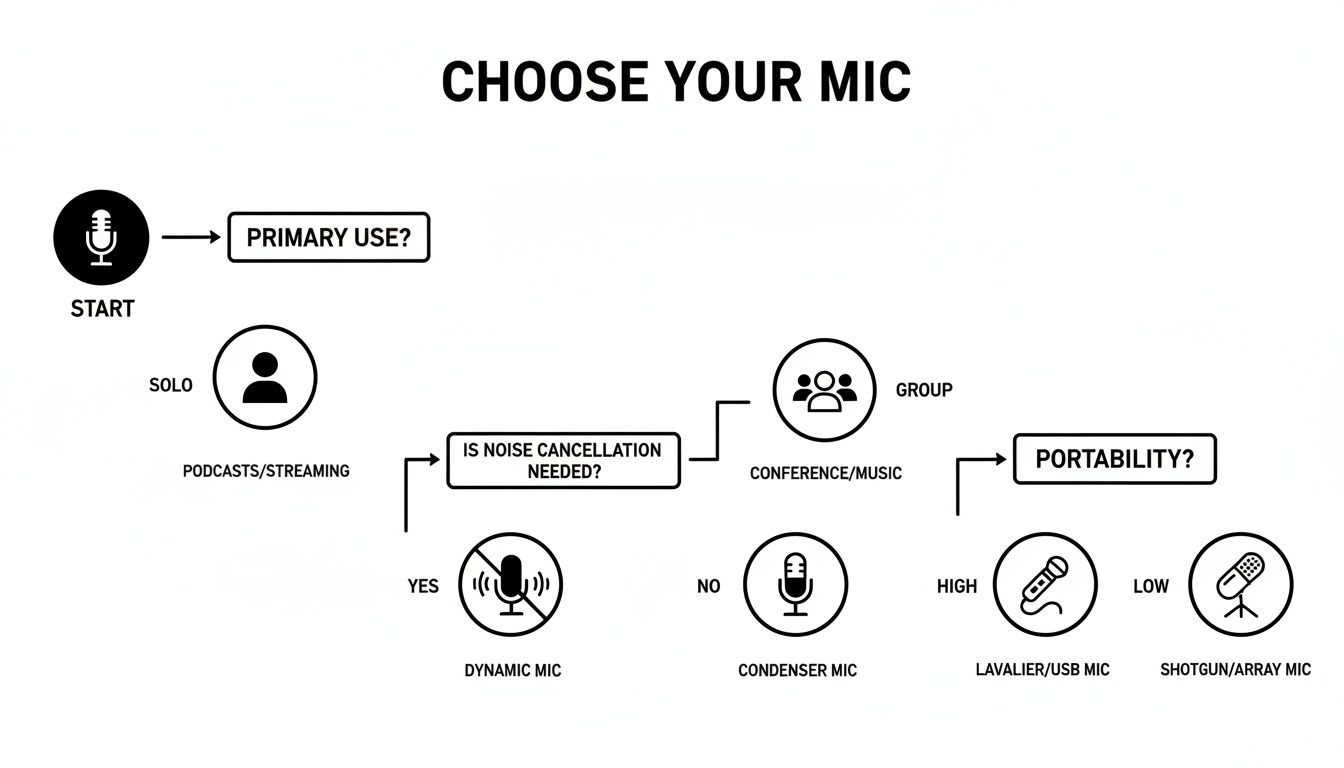
Selecting the best podcast mic for beginners doesn't have to be a gamble. If you want the safest bet for under $100, the Samson Q2U is an unbeatable value. If you have a slightly larger budget and want that iconic broadcast look and sound, the Shure MV7+ will serve you for years to come. No matter which you choose, remember that the content of your show is what matters—but having clear, professional audio is what keeps your audience coming back.