Quick Facts
- Computing Backbone: The 1966 invention of DRAM remains the primary memory type for virtually every modern computer and smartphone.
- Financial Revolution: The installation of the first 1967 atm initiated the global transition from physical cashiers to 24/7 digital banking.
- Productivity Shift: Word processing software was pioneered by the 1964 IBM MT/ST, effectively ending the era of manual typewriters.
- Energy Frontier: Early NASA satellite missions in the decade proved that solar panels were a viable solution for sustainable long-term power.
- Hardware Evolution: Integrated circuits catalyzed the miniaturization of hardware, allowing room-sized mainframes to evolve into portable electronics.
- Precursor to the Web: ARPANET sent its first message in 1969, growing into a network with over 4.4 billion users as of 2019.
The 1960s was a decade of radical transformation, transitioning from massive mainframes to the integrated circuits that define our modern digital world. While often remembered for the Space Race, these 1960s technology inventions laid the silicon foundation for every smartphone, electric vehicle, and digital bank we use today. Understanding how practical 1960s inventions used today evolved helps us appreciate the scale of modern miniaturization.
Key 1960s technology inventions that remain essential today include dynamic random-access memory (DRAM), which powers modern computing devices, and the first word processing systems pioneered by IBM. The decade also saw the introduction of the first automated teller machine (ATM) in 1967 and the extensive use of solar panels by NASA, laying the groundwork for modern renewable energy and digital banking.
The Invisible Engine: DRAM and the Birth of Modern Memory
If you are reading this on a PC with 16GB of RAM or a smartphone with 8GB, you are using a technology that traces its lineage directly back to 1966. Before this breakthrough, computers relied on magnetic core memory, a bulky system of tiny ferrite rings woven together with wires. It was slow, expensive, and physically massive. The shift toward modern computing required a leaner, faster way to store temporary data, leading to the invention of dynamic random-access memory (DRAM).
Robert Dennard, an engineer at the IBM Thomas J. Watson Research Center, realized that data could be stored in a way that used far less space. By pairing a single transistor with a capacitor to store a bit of data, he created a design that was significantly denser than anything available at the time. This silicon chip architecture allowed for the miniaturization of hardware, replacing room-filling cabinets with integrated components. In 1968, IBM was granted a patent for this single-transistor DRAM cell, fundamentally changing how we approach mainframe computing and eventually personal computing.
The importance of this 1960s technology inventions milestone cannot be overstated. DRAM is the reason we can multitask on modern devices. Without it, the "instant" response we expect from opening a new tab or launching an app would be impossible.
Memory Evolution: Then vs. Now
| Feature | 1960s Magnetic Core Memory | Modern DDR5 DRAM |
|---|---|---|
| Physical Size | Large cabinets/frames | 13.3 cm (DIMM module) |
| Typical Capacity | 4 KB to 32 KB | 16 GB to 64 GB per module |
| Storage Method | Magnetic polarity of ferrite rings | Electrical charge in capacitors |
| Volatility | Non-volatile (retains data) | Volatile (requires power) |
| Cost | Thousands of dollars per MB | Pennies per GB |
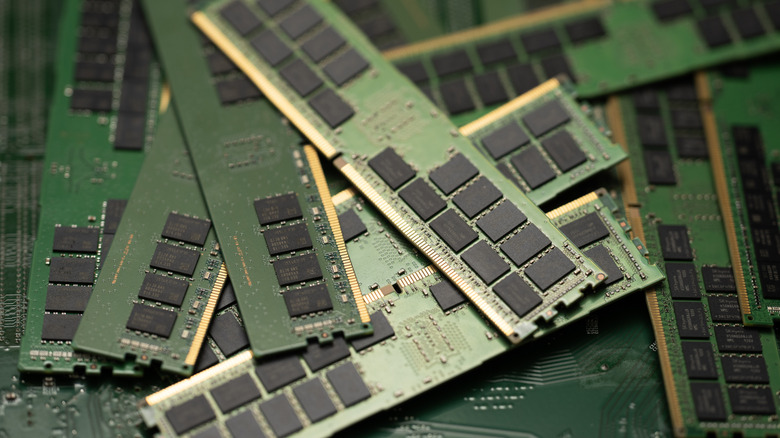
Understanding the first word processor and dram foundations gives us a clear look at why our devices have become so thin and powerful. By moving away from massive magnetic meshes to transistorized electronics, engineers paved the way for the mobile revolution.
From Typewriters to Pixels: IBM’s Word Processing Revolution
In the early part of the decade, "typing" was a mechanical, one-way process. If you made a mistake on a document, you either used correction fluid or started the whole page over. The concept of digital productivity did not exist until the 1964 release of the IBM Magnetic Tape/Selectric Typewriter (MT/ST). This machine introduced the world to word processing as a functional concept.
The MT/ST was essentially the grandfather of Microsoft Word and Google Docs. It allowed users to record their keystrokes onto magnetic tape. If a mistake was made, the user could back up the tape and type over the error. The machine could then play back the tape to print a perfect copy automatically. This innovation defined the 1960s technology inventions that defined modern office productivity, moving the focus from the mechanical act of typing to the intellectual act of editing.
- Storage Capacity: Early MT/ST systems could store roughly 10 pages of text on a single tape.
- Editing Capabilities: Provided the first ability to perform "revision" before committing to a final print.
- Speed: Automated playback could type at 150 words per minute, far faster than most human typists.
- Accessibility: While expensive, it saved thousands of labor hours in legal and corporate environments.
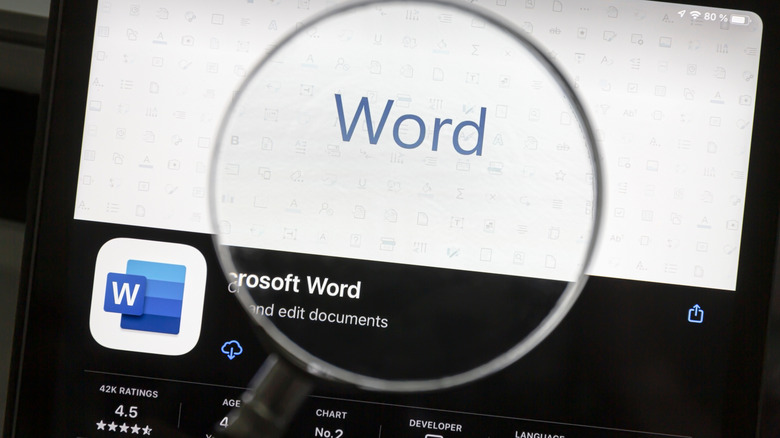
These information age precursors shifted the paradigm of the modern office. It proved that text was not just physical ink on paper, but data that could be stored, manipulated, and recalled. This 1960 inventions timeline highlights how the move to digital storage began long before the first personal computer sat on a desk.
The End of Banking Hours: The Arrival of the 1967 ATM
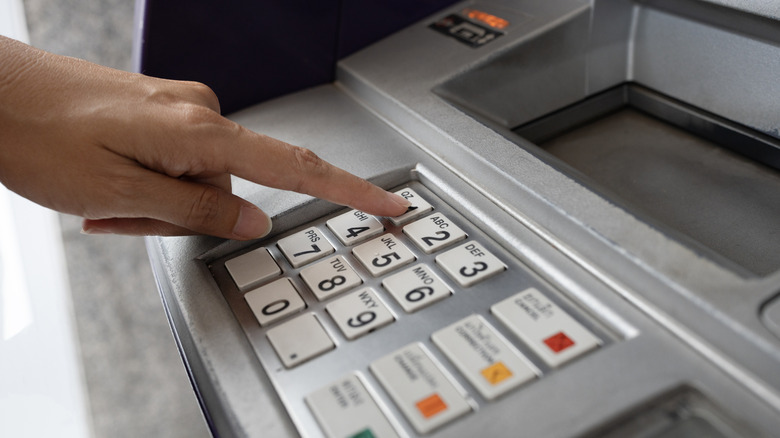
Before the late sixties, banking was strictly a daytime activity. If you needed cash on a Saturday night, you were essentially out of luck. That changed in June 1967 when Barclays Bank in Enfield, London, installed the first automated teller machine (ATM). Developed by John Shepherd-Barron of De La Rue, this device was a cornerstone in the evolution of the first 1967 atm to modern digital banking.
The first machine did not use plastic cards with magnetic stripes. instead, customers used special paper checks impregnated with Carbon-14, a mildly radioactive substance the machine could detect. The customer would enter a four-digit personal identification number (PIN)—a concept that remains the standard for security today—and the machine would dispense a maximum of £10.
Digital revolution foundations were laid here as banking moved away from human interaction toward a 24/7 digital interface. This was a critical step in automated banking terminals, proving that consumers were willing to trust machines with their financial transactions. This invention, alongside other inventions in the 60s and 70s, transformed the global economy by increasing the velocity of money and giving birth to the modern "always-on" consumer culture.
Space Age Sustainability: Solar Panels and the Vanguard Legacy
While photovoltaic cells were technically invented in the 1950s at Bell Labs, they were far too inefficient and expensive for terrestrial use. It was the space age engineering of the 1960s that turned solar energy from a laboratory curiosity into a practical technology. NASA required a power source for satellites that could last for years without the weight of massive batteries.
The Vanguard 1 satellite, launched in 1958, was the first to use small solar cells, but it was the missions of the 1960s like Telstar and the Nimbus weather satellites that pushed the efficiency of photovoltaics into the mainstream. Engineers had to figure out how to protect the cells from radiation in space, a challenge that led to the development of higher-quality silicon and protective glass coatings.
If you are wondering how to identify 1960s nasa technology in modern devices, you only need to look at your roof or a modern calculator. The basic structure of the silicon photovoltaic cells we use in green energy today is the direct result of the R&D funded during the Apollo era.
- Durability: 1960s space missions proved solar panels could survive extreme temperatures and radiation.
- Connectivity: The Telstar satellite, powered by 3,600 solar cells, facilitated the first live transatlantic television broadcast.
- Cost Reduction: The demand for solar cells in the 1960s began the long decline in price that eventually made home solar kits affordable.
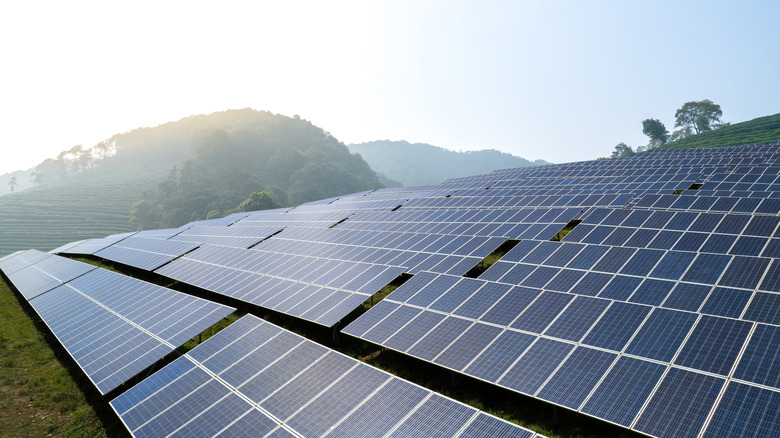
NASA's work on renewable energy during this decade also saw early forays into electric vehicles. While not a spacecraft, General Motors developed the Electrovair and Electrovair II prototypes in the mid-sixties to address urban pollution, while Ford released the Comuta electric microcar in 1967. These early experiments mirror the modern push toward EVs that we see today with brands like Tesla and Lucid.
Scaling Down: Integrated Circuits and the Path to Microprocessors
The most significant shift in the timeline of inventions in the 1960's was the transition from vacuum tubes and individual transistors to the integrated circuit (IC). In the early 1960s, a computer was a room-sized beast that required constant maintenance and cooling. Innovation was stalled by the "tyranny of numbers"—the physical difficulty of wiring thousands of individual components together.
The solution came from Fairchild Semiconductor and Texas Instruments, but it was the U.S. government that made the technology commercially viable. During the early 1960s, the price of integrated circuits dropped from approximately $1,000 per unit to between $20 and $30 as mass production was spurred by demand from programs like NASA's Apollo missions. This cost reduction was essential for the development of early minicomputers like the PDP-8, released in 1965 for $18,000—a fraction of the cost of previous mainframes.
This miniaturization of hardware allowed for the development of portable electronics. The IC allowed engineers to pack more logic into smaller spaces, eventually leading to the Intel 4004 in 1971, which is often cited among the most famous 1970s technology inventions. However, the foundational architectural work—the silicon chip architecture and mass production techniques—was entirely a product of 1960s technology inventions.
- Apollo Guidance Computer: The first major use of ICs, allowed a computer to fit on a spacecraft.
- Cost Factor: Mass production for the military and NASA made ICs cheap enough for consumer electronics.
- Architecture: Set the standard for using silicon as the primary semiconductor material.
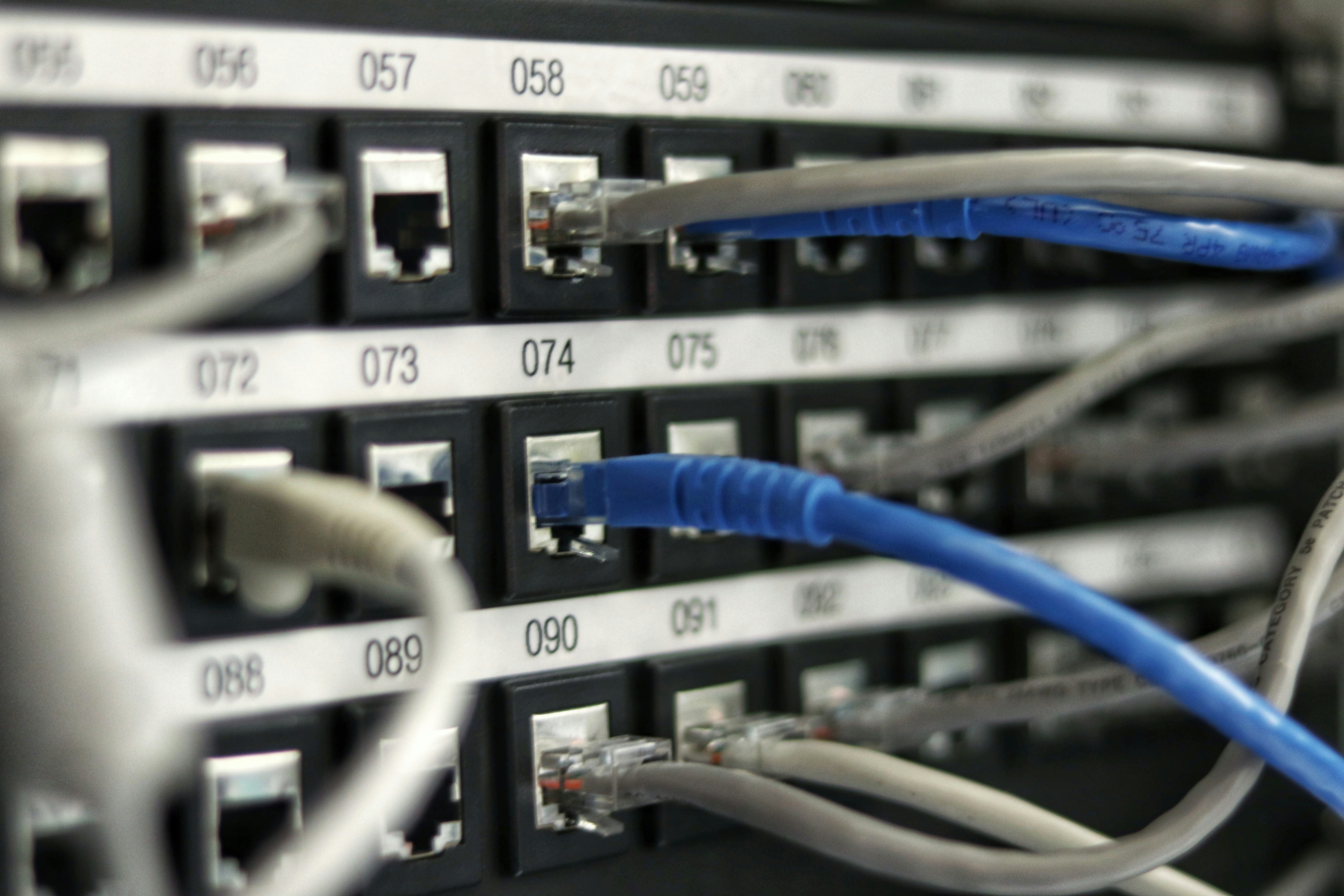
The 1960s served as the bridge between the mechanical age and the digital age. By the end of the decade, the basic building blocks of modern life—the internet (ARPANET), digital memory (DRAM), automated banking (ATM), and mobile power (Solar)—were all in place. As we look at the high-performance computing of today, it is clear that we are still building on the silicon foundation laid more than fifty years ago.
FAQ
What were the technological changes in the 1960s?
The decade saw a shift from analog and mechanical systems to solid-state electronics. Key changes included the move from vacuum tubes to integrated circuits, the transition from magnetic core memory to DRAM, and the first steps toward global digital networking through ARPANET. These changes enabled the miniaturization of hardware and the beginning of the information age.
What scientific breakthrough was introduced in 1960?
In 1960, Theodore Maiman at Hughes Research Laboratories created the first working laser. While not a consumer gadget at the time, the laser became the foundation for modern fiber-optic communication, barcode scanners, and optical storage like CDs and DVDs. This breakthrough is one of the most versatile scientific achievements of the century.
What was invented in 1960 technology?
The early 1960s were remarkably productive for foundational tech. In addition to the laser in 1960, the decade saw the invention of the computer mouse (1963), the first commercial minicomputer (the PDP-8 in 1965), and the first handheld electronic calculator (the Cal-Tech prototype in 1967). It was also the era when the basic programming language was popularized, making code more accessible to non-scientists.
What could $1 buy in 1960?
In 1960, one dollar had significantly more purchasing power than it does today. For $1, a person could buy roughly four or five gallons of gasoline, three to four loaves of bread, or two movie tickets in some regions. In the world of technology, however, $1 bought almost nothing; the earliest integrated circuits cost roughly $1,000 each, illustrating how drastically mass production has since lowered the cost of hardware.