Quick Facts
- Agentic AI Expansion: Expected to influence 15% of all enterprise decisions by 2028, moving from chatbots to autonomous decision-makers.
- Quantum Growth: The global market is set to hit a 41.8% compound annual growth rate, reaching over $20 billion by 2030.
- Neuromorphic Processing: Brain-inspired chips are growing at an annual rate of 89.7% as they integrate into robotics.
- Miniature Energy: Small Modular Reactors (SMRs) are now being deployed with cores as small as 2 meters tall.
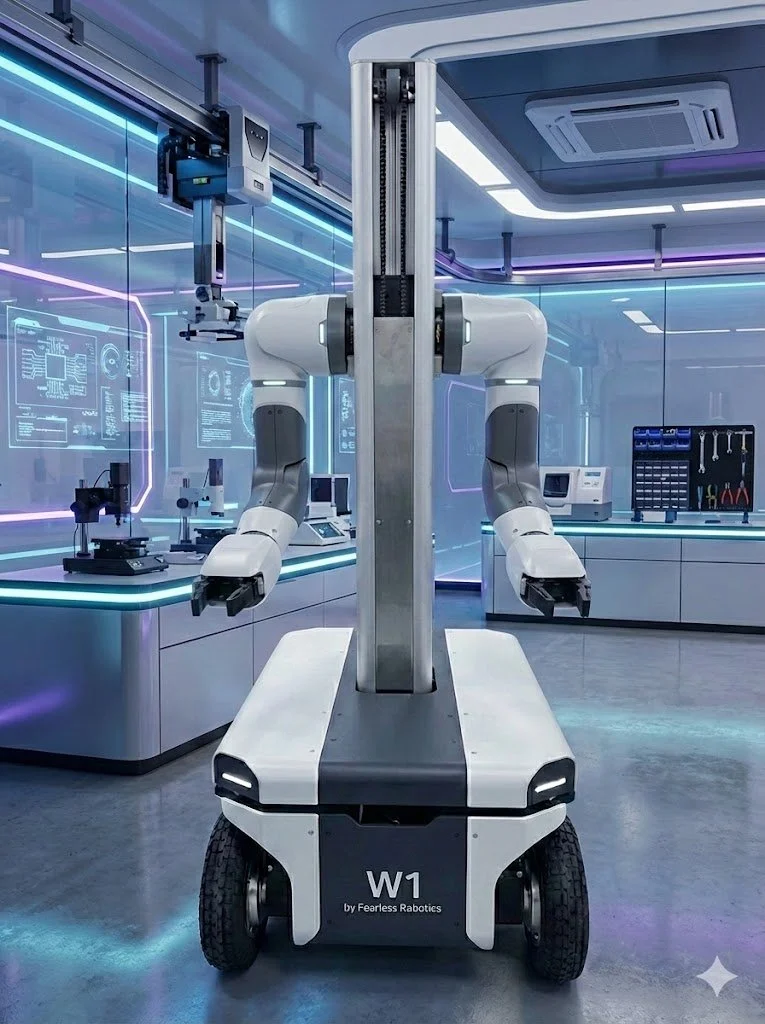
- Spatial Robotics: Humanoid robot shipments are projected to grow by more than 700% in 2026 alone.
Emerging technologies examples in 2026 are defined by Agentic AI models, biometric integration, and advanced spatial mapping that allow devices to act autonomously. They appear magical because they solve complex problems with zero manual input, using edge computing and neural networks. These breakthroughs represent the latest emerging technologies examples 2026 has to offer, bridging the gap between digital processing and physical interaction with unprecedented precision.
Have you ever looked at a device and wondered if it was powered by a wizard? By 2026, the gap between science fiction and reality has vanished. Emerging technologies examples today aren't just faster; they are intuitive. We have moved past the era of clicking buttons and toward an era of intent. From AI that thinks three steps ahead to batteries made of common table salt, these are the innovations redefining our world.
Agentic AI: The Personal Assistant That Actually Thinks
We all remember the early days of generative models. You would ask a chatbot to write an email, it would give you a draft, and then you would spend ten minutes fixing it. That is the old way. In 2026, we are witnessing the rise of Agentic AI. This is a fundamental shift in how emerging technologies work simple explanation: instead of just generating text, these systems use multi-agent frameworks like LangChain to execute tasks autonomously.
Imagine telling your computer, "I need to be in Tokyo next Tuesday for three days on a budget of $2,000." An Agentic AI doesn't just list flights; it checks your calendar, coordinates with your team’s scheduling bots, books the ticket, reserves a hotel near your meeting, and files the expense report before you’ve even finished your coffee. This level of autonomy is why these systems are projected to influence 15% of all enterprise decisions by 2028.
As a computing editor, I see this as the ultimate emerging technologies examples for personal productivity. We are moving toward a world where the operating system is replaced by a reasoning engine. These emerging digital technologies examples represent a move away from "apps" and toward "intent-based computing," where the hardware understands the outcome you want, not just the command you typed.
Spatial Mapping & Visual SLAM: Why Your Robot Doesn't Get Lost
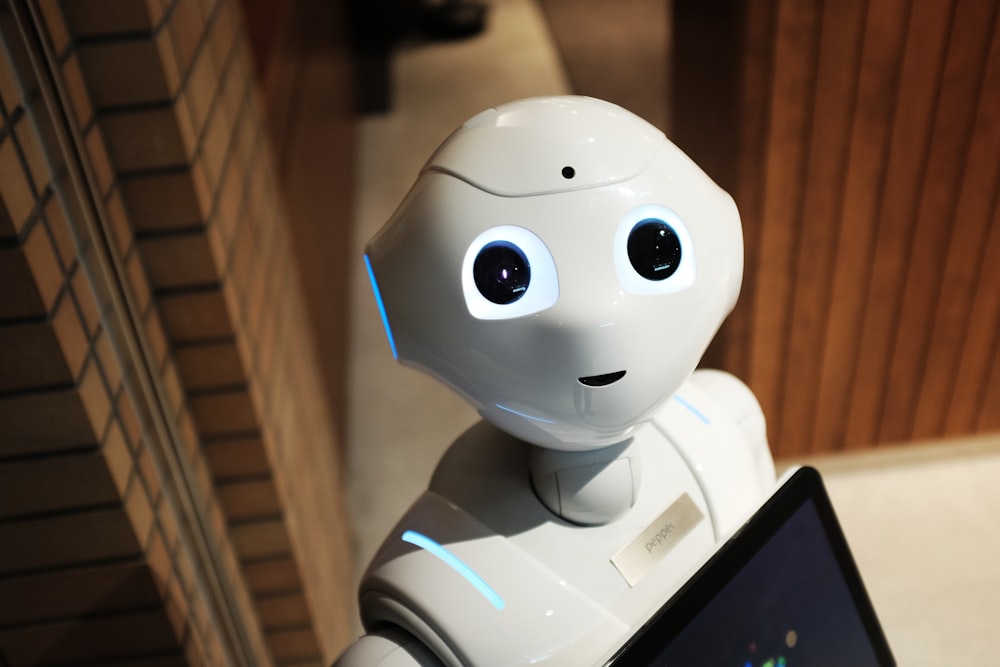
One of the defining characteristics of emerging technologies in the home is the mastery of space. It used to be that a robot vacuum was little more than a motorized puck that bounced off your baseboards until it accidentally cleaned the floor. Today, thanks to LiDAR technology and Visual SLAM (Simultaneous Localization and Mapping), these devices have a better "mental map" of your house than you do.
When we look at practical applications of emerging technologies at home, the integration of high-resolution sensors is key. These devices use hundreds of laser pulses per second to create a real-time 3D point cloud of their environment. They don't just see a chair; they see a 45-centimeter obstacle that requires a 5-degree course correction to avoid.
This spatial awareness is also the backbone of the 700% growth in humanoid robotics we are seeing this year. By combining visual SLAM with generative models that understand physical physics, robots can now navigate cluttered human environments, climb stairs, and even fold laundry without being pre-programmed for every movement. It feels like magic because the machine is finally respecting the physical boundaries of our world.

Neuromorphic Chips: Brain-Inspired Processing
If you peer into the motherboard of a 2026 workstation, you might find something that looks familiar but acts entirely differently: neuromorphic chips. Traditional binary processing is great for math, but it is incredibly energy-intensive for AI. To solve this, companies are turning to chips that mimic the neural structure of the human brain.
As one of the core 8 types of emerging technologies, neuromorphic computing uses spiking neural networks. Unlike a standard CPU that is "always on," these chips only fire a signal when they receive specific data, much like the neurons in your head. This allows for AI processing at a fraction of the power—we are talking about a 90% reduction in energy consumption for edge computing tasks.
This technology is currently growing at an annual rate of 89.7%. For the hardware enthusiast, this is the holy grail. It means your laptop can run massive, local large language models without turning your lap into a furnace or draining the battery in twenty minutes. It is the marriage of biological efficiency and silicon speed.

Sodium-Ion Batteries: Powering the Magic with Salt
We cannot talk about the latest emerging technologies examples 2026 without addressing the energy elephant in the room. Lithium is expensive and difficult to mine. Enter sodium-ion batteries. By using salt—one of the most abundant materials on earth—as the primary electrolyte, we are seeing a revolution in how we store power.
The characteristics of emerging technologies often involve making high-tech solutions more sustainable. While sodium-ion cells aren't quite as dense as the lithium-ion batteries in your phone yet, they are perfect for home energy storage and grid-level backups. They are 30-40% cheaper to produce and operate much better in extreme temperatures.
For the smart home ecosystem, this means home battery backups are finally becoming affordable for the average consumer. We are seeing a transition from the "Experiment" phase to a massive "Expand" phase, where every new home is equipped with salt-based storage that balances the load of your Agentic AI servers and smart appliances.
Tiny Nuclear Power: Small Modular Reactors (SMRs)
It sounds like a comic book plot, but miniature nuclear power is one of the most serious 8 types of emerging technologies being deployed right now. As AI data centers demand more power than ever before, big tech companies are stopping being just "software companies" and are becoming energy providers.
Small Modular Reactors, or SMRs, feature reactor cores that are often only 2 meters tall. These are not the massive cooling towers of the 1970s. These are factory-built, self-contained units that can be shipped on a truck and buried underground to provide localized, carbon-free power for decades.
This is a massive leap for edge computing. Instead of relying on a fragile national power grid, a silicon valley campus or a large-scale data center can run on its own "nuclear battery." This ensures what we call data geopatriation—keeping the power and the processing local, secure, and always on.
Advanced Wearables: Bone Conduction and Biometrics
In the world of personal devices, the most exciting examples of emerging technologies in everyday life are the ones you forget you’re wearing. We are moving away from bulky headsets toward discreet bone conduction headphones and biometric rings.
At the latest electronics shows, we've seen "audio lollipops" and glasses that use bone conduction to vibrate sound through your skull rather than your eardrums. This allows for perfect situational awareness; you can listen to your Agentic AI assistant whisper directions in your ear while still hearing the traffic around you. This is human-computer interaction at its most seamless.
Furthermore, biometric integration has moved beyond the fingerprint. Emerging wearable technology examples 2026 include devices that monitor your heart rate variability (HRV) and blood oxygen to adjust your environment before you even realize you’re stressed. Your smart home might dim the lights and lower the temperature just because your ring sensed a spike in your cortisol levels.

Quantum Computing: Bridging the Inflection Point
Quantum computing has long been the "five years away" technology. But in 2026, we have reached an inflection point. The global quantum computing market is projected to reach an estimated $3.52 billion in 2025, and the momentum is only increasing.
Software libraries like Qiskit are allowing developers to write code for quantum processors today. It feels like magic because of how emerging technologies work simple explanation: classical computers try every door in a maze one by one; quantum computers walk through every door simultaneously. We are seeing this applied to chemistry for discovering new battery materials and to logistics for optimizing global shipping routes in seconds.
While we aren't putting quantum chips in laptops yet, the cloud-based quantum services are now stable enough for commercial use. This is the ultimate "behind the scenes" magic—the reason your next medication was developed in months instead of decades is likely thanks to a quantum simulation.
Multi-Agent Ecosystems: The End of Apps
The final frontier of emerging technologies examples is the convergence of everything we’ve discussed. When 6G connectivity, high-density edge computing, and Agentic AI meet, the concept of an "app" becomes obsolete. We are entering the age of the multi-agent ecosystem.
In this world, your fridge doesn't just have a screen; it is an agent that communicates with your grocery store’s agent and your car’s agent. If you are low on milk, your fridge tells your car. When you pull out of your office, your car suggests a route that takes you by the store where your order is already sitting in a temperature-controlled locker.
This represents a total digital transformation of the smart home ecosystem. Devices no longer wait for a command; they collaborate to solve problems before you encounter them. This is the peak of the characteristics of emerging technologies—systems that are proactive, invisible, and ultimately, indispensable.
FAQ
What are emerging technology examples?
Emerging technology examples include innovations that are currently developing or will be available within the next few years, such as Agentic AI, neuromorphic computing, and sodium-ion batteries. These technologies typically offer a significant leap in efficiency or capability compared to current standards.
What are the top 10 emerging technologies in 2026?
The top technologies in 2026 include Agentic AI, Small Modular Reactors (SMRs), Neuromorphic chips, Quantum computing, Sodium-ion batteries, Visual SLAM for robotics, 6G communication, Bone-conduction wearables, Biometric security rings, and Generative spatial mapping.
Which 3 jobs will survive AI?
While AI is transforming the workforce, roles requiring high emotional intelligence, complex physical dexterity in unpredictable environments (like specialized trades), and strategic high-level human oversight—such as ethics officers, heart surgeons, and custom artisans—are most likely to remain human-centric.
What are the 7 advanced technologies?
The 7 advanced technologies often cited as industry pillars are Artificial Intelligence (specifically Agentic and Generative), Quantum Computing, Advanced Robotics/Automation, Biotechnology (CRISPR/Genomics), Clean Energy (SMRs/Fusion), Nanotechnology, and Advanced Connectivity (6G and the Internet of Bodies).
We are living through a period where the barrier between the digital and physical is evaporating. As a builder and professional, the best way to leverage these emerging technologies examples is to stay curious and start integrating these tools into your daily workflow. Whether it is adopting an Agentic AI assistant or upgrading your home network for the coming multi-agent wave, the magic is only just beginning.