Quick Facts
- Survey Size: 75,923 consumers tracked across major global markets.
- The Big Stat: Statistics show 16% of all laptops fail within the first 3 years of ownership.
- Primary Avoid List: Alienware, Dell (specifically the Inspiron line), MSI, Acer, and Asus.
- Most Reliable: Apple, LG, and Samsung continue to lead the industry in longevity.
- Key Failure Causes: Poor Thermal management and the use of budget plastic chassis materials.
- Consumer Priority: 56% of buyers now rank reliability as more important than raw performance or price.
Based on Consumer Reports' 2026 reliability data, the major laptop brands to avoid due to low predicted reliability scores are Alienware, Dell, MSI, Acer, and Asus. These rankings are derived from extensive user surveys tracking hardware defects and failure rates over the first three years of ownership, indicating these brands may require more frequent repairs.
The 2026 Reliability Crisis: Why 1 in 6 Laptops Fail
In the world of computing hardware, we often get distracted by peak clock speeds and NPU TOPS ratings. However, as an editor who has torn down hundreds of chassis, I can tell you that the most impressive spec is one that rarely makes the marketing slide: the ability to actually turn on three years from now. Current Consumer Reports data paints a sobering picture of the portable PC market. A Consumer Reports survey of nearly 76,000 consumers conducted between 2023 and 2025 identified Alienware and Gateway as the two least reliable laptop brands among more than a dozen brands studied.
This is not just a minor fluctuation in manufacturing quality. We are seeing a systemic issue where 56 percent of laptop buyers prioritize reliability as the most important factor when choosing a new computer, ranking it above performance and affordability. Despite this, the industry-wide failure rate remains stubbornly high. When we look at the statistical modeling for the 2026 market, approximately 16% of all notebooks are expected to suffer a major breakdown before their third birthday.

The gap between owner satisfaction and predicted reliability is widening. Many users love their machines for the first six months, only to find that the product lifecycle is cut short by component malfunction or deteriorating build quality. This is particularly true for high-performance machines that push the limits of modern silicon.
5 Laptop Brands to Avoid (And Why They Ranked Low)
When we look at the laptop reliability by brand, the data highlights specific manufacturers that consistently struggle with longevity. It is important to distinguish between a brand's premium enterprise offerings and their consumer-grade units, but for most shoppers, the following names represent the highest risk in 2026.
Alienware and MSI: The Gaming Performance Tax
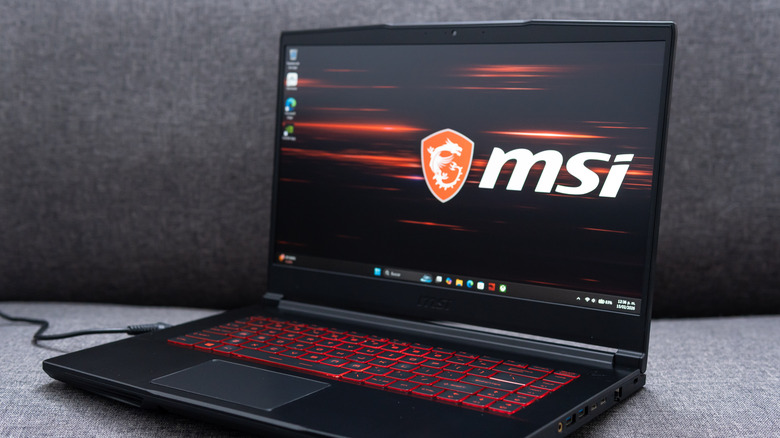
Gaming laptop failure rates by brand are traditionally higher than those of standard productivity machines. Alienware and MSI are frequently flagged for lower reliability because of the high-stress nature of their components and Thermal management demands. These machines are packed with high-wattage GPUs and CPUs that generate immense heat. If the cooling system isn't over-engineered, the constant expansion and contraction of the motherboard eventually lead to hardware defects like cracked solder joints or failing VRMs.
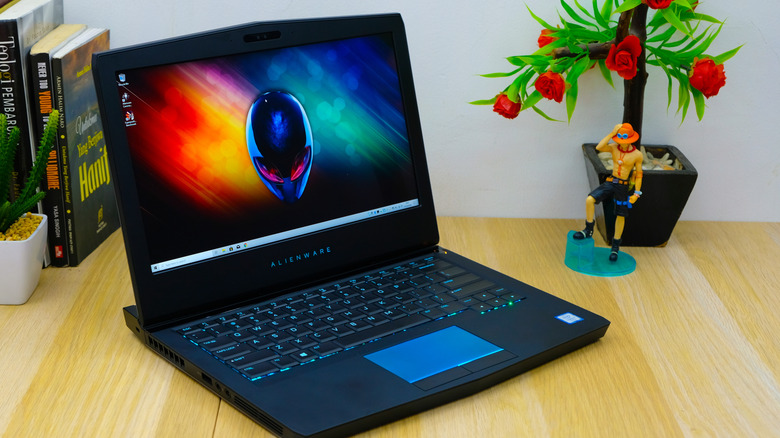
Is Alienware reliable for long term use? The data suggests that while these machines are powerful, they often experience more technical issues within a three-year window compared to standard laptops. MSI follows a similar trajectory. Many MSI models often prioritize high-end specs over chassis durability, leading to higher hardware defect reports in areas like screen hinges and power jacks.
Dell Inspiron: A Tale of Two Tiers
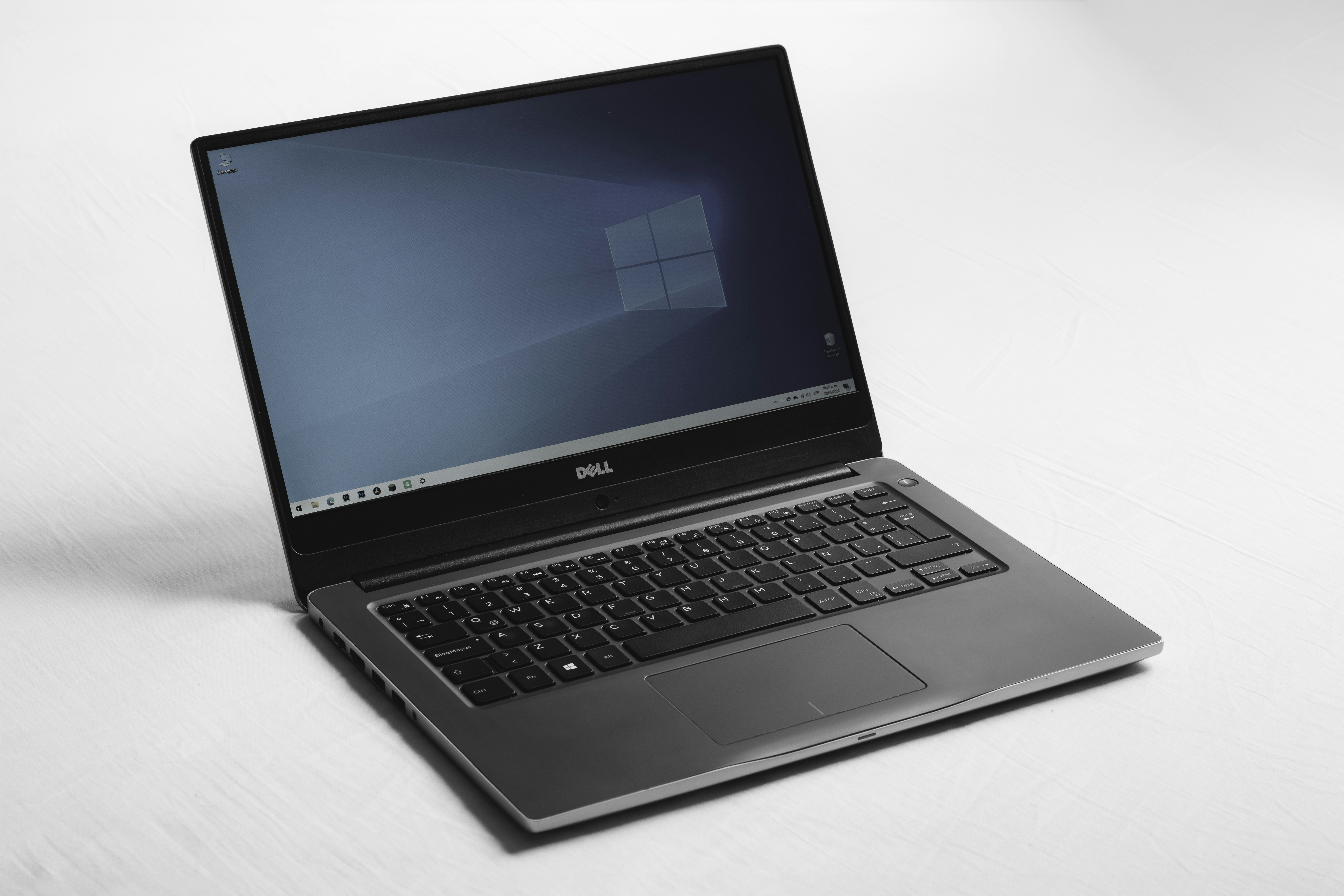
Dell is a giant in the industry, but there is a massive delta in quality between their lines. Should I avoid buying Dell Inspiron laptops? Consumer Reports notes a significant reliability gap between Dell's budget-friendly Inspiron series and its premium XPS or Latitude lines. The Inspiron series is designed for price-sensitive consumers, which often means thinner plastics and less robust internal bracing. This leads to higher maintenance costs over time as these machines are less capable of handling the rigors of daily travel.
Acer and Asus: Entry-Level Vulnerabilities
Acer and Asus produce some of the most innovative hardware on the market, but their entry-level and mid-range consumer models contribute heavily to their status as most unreliable laptop brands 2026. Acer models are frequently cited for component malfunctions and less durable plastic chassis materials. Asus, while lauded for its Zenbook and ROG lines, sees significant failure rates in its budget Vivobook and TUF series.
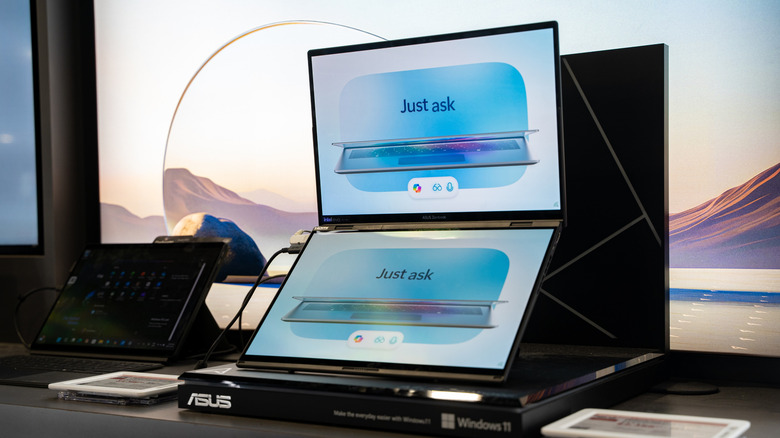
Innovative features like dual screens can sometimes introduce more points of failure, contributing to Asus's lower reliability ranking. When the internal architecture becomes overly complex, the probability of a cable failure or a display driver issue increases exponentially.
The Satisfaction Paradox: Why We Love 'Unreliable' Brands
There is a fascinating trend in the Consumer Reports laptop reliability rankings 2026: some of the brands with the highest failure rates also have high owner satisfaction scores. This is the "Satisfaction Paradox."
A user might buy an Alienware laptop, experience a motherboard failure in year two, get it repaired under warranty, and still give the brand a five-star rating because the gaming performance is unmatched. In fact, roughly 22% of buyers in these categories now opt for extended Warranty coverage to mitigate the risk. They accept that the machine might break, provided it performs well when it works. However, for a professional or a student, this downtime is a dealbreaker.
Expert Tip: Don't confuse "I love this laptop" with "This laptop will last." Satisfaction is about the experience; reliability is about the engineering. Always check the predicted failure rate before the performance benchmarks.
Durability Checklist: Materials That Last
If you want a machine that survives the 2026 to 2030 window, you need to look past the spec sheet and examine the physical build quality. Most durable laptop brands for college students and professionals share common physical traits that prevent common failure points.
- Chassis Materials: Avoid thin, flexible plastics. Look for magnesium alloy, CNC-machined aluminum, or carbon fiber. These materials protect the motherboard from flexing, which is a primary cause of Hardware defects.
- Thermal Design: Look for laptops with dual-fan setups and large exhaust vents. If a laptop is too thin but has a high-end processor, it will likely suffer from heat-related component malfunction.
- Hinge Strength: This is a frequent point of failure in Acer and budget Dell models. A single-bar hinge or reinforced metal hinges are far superior to small plastic ones.
- Repairability: Brands that offer easy access to the battery and SSD often have a longer service life because these components are meant to be replaced.
What to Buy Instead: The 2026 Reliability Winners
For consumers prioritizing longevity, Apple, LG, and Samsung are ranked as the most reliable alternatives to the brands on the avoid list. Consumer Reports findings show that while Apple laptops maintain a predicted three-year failure rate of approximately 10 percent, many Windows-based brands and specialized gaming lines experience significantly higher failure rates ranging from 18 to 25 percent.
The following table illustrates the predicted failure rates based on the most recent Consumer Reports laptop rankings:
| Brand Category | Predicted 3-Year Failure Rate | Primary Strength |
|---|---|---|
| Apple (MacBook) | 10% | Build quality and OS optimization |
| LG (Gram) | 12% | Lightweight but durable chassis |
| Samsung (Galaxy Book) | 13% | Excellent component integration |
| Industry Average (Windows) | 18% - 22% | Versatility and software support |
| High-End Gaming (Avoid List) | 24% - 26% | Peak performance at the cost of heat |
Apple's consistency is largely due to their closed ecosystem. Because they control both the hardware and the software, they can implement strict Thermal management protocols that prevent the silicon from reaching damaging temperatures. Similarly, LG and Samsung have leveraged their experience in smartphone and appliance manufacturing to create laptops with very high owner satisfaction and low maintenance costs.
FAQ
Which laptop brands are considered the least reliable?
Based on the latest data for 2026, Alienware, MSI, and Gateway are currently ranked as the least reliable. These brands frequently show higher rates of hardware failure within the first three years of use, often linked to cooling issues or component manufacturing defects.
What are the most common problems with low-quality laptop brands?
The most frequent issues include screen hinge failure, battery swelling, and motherboard failure due to poor heat dissipation. In budget models from Acer and Asus, users also report frequent issues with trackpad responsiveness and keyboard key failure.
Which laptop brands have the highest failure rates?
Specialized gaming brands like Alienware and MSI tend to have the highest failure rates, often exceeding 25% within three years. Budget consumer lines, such as the Dell Inspiron series, also trend significantly higher than the industry average.
Are budget-friendly laptops more likely to break?
Yes, there is a strong correlation between price and durability. Budget-friendly laptops often utilize plastic chassis materials that offer less protection for internal components. Statistical modeling suggests that entry-level models are twice as likely to experience a mechanical failure compared to enterprise-grade or premium business laptops.
Which laptop brands are known for frequent overheating issues?
Alienware and MSI are the most cited brands for overheating, due to the high-performance components they house. However, ultra-thin budget laptops from various brands can also suffer from Thermal management problems because they lack the internal space for adequate heat sinks and fans.
The Ryan Kim Verdict
As we navigate the hardware landscape of 2026, my advice remains the same: treat your laptop purchase as an investment in your time, not just your tech stack. While it is tempting to go for the highest specs on a budget, the data from nearly 76,000 users tells us that you often pay for those savings later through repairs and downtime.
If you can't afford a premium business-grade machine like a Lenovo ThinkPad or a Dell Latitude, look toward the reliability leaders like Apple or Samsung. If you must buy from a brand on the avoid list, specifically for gaming, I strongly recommend budgeting for an extended warranty. In the long run, a laptop that stays in your bag and off the repair bench is the best value you can find.