Quick Facts
- Unlocked Freedom: Every iPhone bought directly from Apple is SIM-free and unlocked on day one, allowing you to switch carriers at any time.
- Financial Advantages: Apple Card users earn 3% Daily Cash back and access 0% interest financing for 24 months.
- Zero Hidden Fees: Buying a SIM-free device from Apple avoids the standard carrier activation fees, which typically cost around $35.
- Instant Trade-In Credit: Unlike carriers that spread credits over 36 months, Apple Trade-In provides instant credit applied immediately to your purchase.
- Superior Return Policy: You get a 14-day risk-free trial with no restocking fees, compared to the $35-$50 fees charged by most third-party retailers.
- Expert Setup: Access to Apple Specialists who provide hands-on data migration and eSIM activation assistance in-store or online.
Planning to buy iPhone from Apple? While carriers offer flashy deals, buying direct provides immediate benefits like unlocked flexibility, no activation fees, and better resale value. Buying an iPhone directly from Apple ensures the device is unlocked and free of carrier bloatware, offering the most flexibility for international travel and the highest resale value.
1. Unlocked Flexibility and Travel Freedom
When you walk out of an Apple Store with a new device, it belongs to you in a way that carrier-purchased phones do not. The most significant of the unlocked iPhone benefits is the ability to use any carrier from the moment you power the device on. Carriers often hide their locking policies in the fine print; even if you pay for a phone in full at a carrier retail outlet, many will keep the device locked to their network for 60 to 90 days.
For those who prioritize international travel benefits of unlocked iPhone models, buying direct is the only logical choice. Frequent flyers can swap between local eSIM profiles in seconds. Whether you are landing in London or Tokyo, having a SIM-free device means you can skip the $10-a-day international roaming fees from your home carrier and instead use a local data plan for a fraction of the cost.
This technical freedom also translates into financial gain later in the device's lifecycle. Because the phone is not tied to a specific network, it has a broader appeal on the secondary market. When it comes time to upgrade, an unlocked device consistently commands a higher price than one that is carrier-restricted. Furthermore, having a SIM-free device allows you to take advantage of bring-your-own-device (BYOD) promotions, where carriers offer significant monthly discounts just for bringing an existing phone to their network.
2. Financial Transparency vs. Carrier Credit Traps
The "free" iPhone is perhaps the most successful marketing illusion in the mobile industry. When a carrier offers a flagship phone for zero dollars, they are almost always using a bill credit system. This means the value of the phone is divided by 36 months and credited back to your account each month. If you want to leave that carrier or upgrade early, you forfeit the remaining credits and must pay the full remaining balance of the phone immediately.
In contrast, Apple Store vs carrier iPhone purchase comparison shows that Apple’s financing is much more straightforward. If you choose buying iPhone with Apple Card monthly installments, you receive 0% interest financing for up to 24 months. Crucially, you are not locked into a specific cellular service plan to keep your financing. You can change your service provider tomorrow, and your 0% interest plan with Apple remains unchanged.
| Feature | Apple Store (Apple Card) | Typical Carrier Plan |
|---|---|---|
| Interest Rate | 0% APR | 0% APR |
| Contract Length | 24 Months | 36 Months |
| Trade-In Credit | Instant Upfront Credit | Monthly Bill Credits |
| Cashback | 3% Daily Cash | None (usually) |
| Activation Fee | $0 (for SIM-free) | $35+ |
| Network Lock | Never Locked | Locked for 60-90 days+ |
The Apple Trade-In program is another area where transparency wins. While carriers might promise $800 or $1,000 for your old device, they pay that out over three years. Apple provides instant credit that reduces the tax and the total amount you owe on day one. For many users, this immediate reduction in the purchase price is far more valuable than a small monthly discount on a bloated cellular bill.
3. The Most Generous Return Policy in Tech
There is a specific kind of anxiety that comes with unboxing a $1,000 piece of technology. What if the screen is too large? What if the new color looks different under your home lighting than it did in the store? The Apple Store iPhone return policy is designed to eliminate this "buyer's remorse" entirely.
Apple offers a 14-day, no-questions-asked return window. If the device isn't a perfect fit for your lifestyle, you can return it for a full refund. The most critical advantage here is the lack of restocking fees. Most carriers and big-box retailers charge between $35 and $50 just to take back a device that has been opened. With Apple, that fee is $0. This creates a "safety buffer" that allows you to truly test the device in real-world scenarios before committing to it for the next few years.
Holiday Return Extension: For purchases made between early November and December 25th, Apple typically extends the return window until January 8th of the following year. This is a massive perk for gift-givers or those wanting an extended trial period during the busy holiday season.
This policy makes Apple Store vs carrier iPhone comparisons lean heavily toward Apple for anyone who is undecided between models. If you are torn between an iPhone 16 Pro and an iPhone 16 Pro Max, you can purchase one, use it for 13 days, and swap it if the size isn't right—without losing a penny in fees.
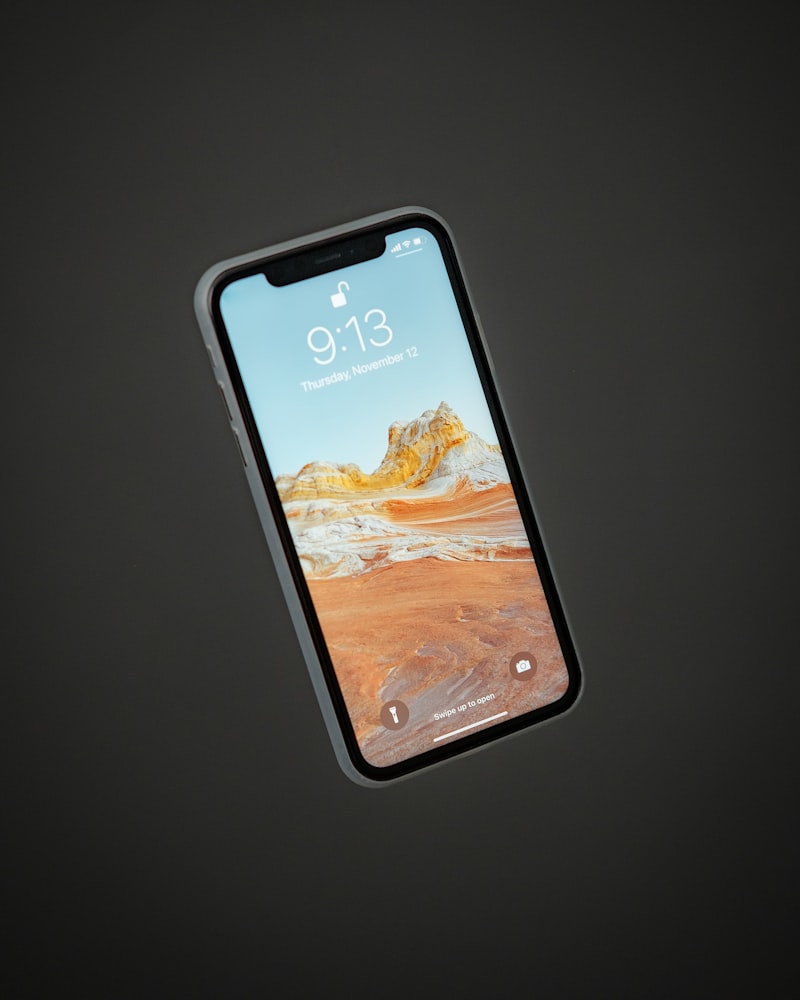
4. Exclusive Inventory and Personalized Setup
Carriers generally stock the models they know will sell in high volumes—usually the base storage tiers in the most popular colors. If you are looking for a specific high-capacity 1TB model or a niche colorway, the carrier's inventory is often "out of stock" or "ship to home only."
When you buy iPhone from Apple, you are tapping into the primary source of inventory. Apple retail stores and their online storefront prioritize their own stock, meaning you are far more likely to find the exact configuration you want. Furthermore, there is an authenticity guarantee that is sometimes lacking at third-party resellers; every unit is factory-sealed and hasn't been sitting in a carrier's backroom for months.
Beyond the hardware, the experience includes setup assistance for new iPhone at Apple Store. Apple Specialists are trained to handle the friction points of a new device purchase, such as data migration from an old Android phone or the complexities of eSIM activation. While carrier employees are often pressured by sales quotas and commissions, Apple Specialists are focused on customer satisfaction. They can walk you through the nuances of iOS, help you set up FaceID, and ensure your iCloud backup is restoring correctly before you leave the store.

5. Superior Post-Sales Support and Protection
The relationship with a carrier often ends the moment you sign the 36-month contract. If you have a hardware issue, carriers will frequently refer you back to the manufacturer anyway. By buying direct, you establish a direct line to Genius Bar support.
According to a 2024 customer satisfaction study, Apple maintained the highest rating in the smartphone industry at 81%, with personalized in-store support cited as a primary reason for this loyalty. When your device is purchased through Apple, your records are seamlessly integrated into their system, making warranty claims and technical support much smoother.
There is also the matter of device protection plans. Carrier insurance often costs between $14 and $19 per month and is frequently managed by third-party companies like Asurion. These plans can involve refurbished replacement parts and confusing deductible structures. AppleCare+, however, is integrated directly with the hardware and software. It offers 24/7 priority access to Apple experts and accidental damage coverage that uses genuine Apple parts installed by certified technicians. When you purchase through the iPhone Upgrade Program vs carrier installments, AppleCare+ is even baked into the monthly price, ensuring your device is protected from day one without an extra bill to manage.
FAQ
Is it better to buy an iPhone from Apple or a carrier?
For most users, buying from Apple is superior because it offers unlocked devices, no activation fees, and more flexible financing. Carriers are only "better" if you are certain you will stay with them for 36 months and can qualify for a high-value trade-in promotion that offsets their high monthly plan costs.
Are iPhones bought directly from Apple unlocked?
Yes, every iPhone purchased directly from Apple (either online or in-store) is SIM-free and factory unlocked. This means you can use it with any carrier worldwide immediately after purchase.
How does the Apple trade-in program work for new iPhones?
You can trade in your eligible device online or at an Apple Store. Unlike carriers, Apple provides an instant credit that is applied directly toward the purchase price of your new iPhone. If you are trading in a device that is worth more than the new one, Apple will issue the remaining balance on an Apple Gift Card.
Does Apple offer financing for iPhone purchases?
Apple offers several financing options, including 0% interest for 24 months through Apple Card Monthly Installments and the iPhone Upgrade Program. Both options allow you to pay for the device over time without being tied to a specific carrier contract.
What is the return policy for iPhones bought at the Apple Store?
Apple has a 14-day return policy for iPhones. You can return the device in its original condition for a full refund, and unlike many carriers, Apple does not charge any restocking fees. During the holiday season, this window is often extended.