Our Top Picks
- Best Overall: Garmin Venu 3 – Offers the most comprehensive data suite with absolutely no recurring fees and a premium AMOLED experience.
- Best Value: Samsung Galaxy Fit 3 – A high-quality build and vibrant display for Android users at a fraction of the cost of a full smartwatch.
- Best Battery: Amazfit Active 2 – Provides nearly three weeks of runtime alongside sophisticated readiness scores without a subscription.
- Best for iPhone: Apple Watch SE 3 – Seamless iOS integration and medical-grade sensor accuracy without requiring extra app memberships.
If you are looking for the best fitbit alternatives to avoid the $9.99/month Premium fee, brands like Garmin, Samsung, and Amazfit offer robust health data at a one-time upfront hardware cost. Several top-tier fitness trackers offer comprehensive health monitoring without requiring a monthly subscription. Brands provide full access to core data such as heart rate, sleep tracking, and GPS metrics out of the box. The Garmin Forerunner 55 and Samsung Galaxy Fit 3 are notable options that allow users to view long-term health trends and workout history through their respective mobile apps without additional charges.
Why Switch? The Real Cost of Fitbit Premium in 2026
When you buy a fitness tracker, you expect to own your data. However, the industry has shifted toward recurring revenue models. The subscription-based fitness tracking software market is projected to grow at a compound annual growth rate of 25% through 2030 as more wearable brands adopt these models for premium analytics. For a Fitbit user, that $9.99 monthly fee adds up to roughly $120 a year—nearly the cost of a new device every 12 months.
Choosing a Fitbit alternative depends on your specific lifestyle and health goals. Over a three-year period, a subscription-free tracker like a Garmin can save you over $350 compared to a Fitbit that requires Premium for readiness scores and deep sleep insights. Modern fitness trackers often exceed the battery performance of standard smartwatches, with budget-friendly devices like the Xiaomi Mi Smart Band 10 offering up to 21 days on a single charge. Most alternatives include essential features such as 5ATM water resistance, SpO2 monitoring, and AMOLED touchscreens.
1. Garmin Venu 3: The Gold Standard for No-Fee Data
The Garmin Venu 3 is widely considered the ultimate choice for those walking away from a subscription model. Unlike Fitbit, which hides your Daily Readiness Score behind a paywall, Garmin provides its Body Battery metric as a standard feature. This tool uses heart rate variability, sleep quality, and activity data to tell you exactly how much energy you have for the day.
In my testing, the Garmin Venu 3 stands out because of its device battery endurance. While many high-end smartwatches struggle to last two days, the Venu 3 can reach up to 14 days in smartwatch mode. When comparing garmin vs fitbit tracking, the most significant difference is the transparency of the Garmin Connect app. Every metric, from your VO2 Max to your respiration rate, is available for historical review without a single extra cent.
| Feature | Garmin Venu 3 |
|---|---|
| Subscription Cost | $0/month |
| Battery Life | 14 Days |
| Display | AMOLED |
| Best For | All-around health and fitness enthusiasts |
Sarah’s Verdict: If you want a "buy it once and own it forever" experience with the most sophisticated physiological recovery metrics on the market, this is the one.
2. Apple Watch SE 3: Best for iPhone Beginners
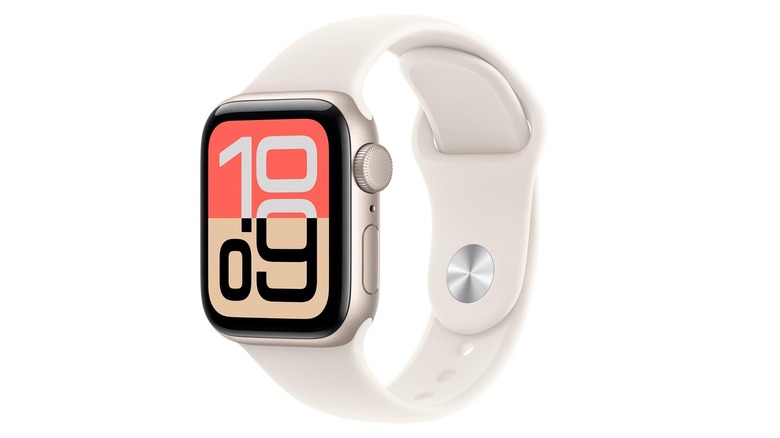
For those deep in the Apple ecosystem, the Apple Watch SE 3 is the most logical step. While Apple does offer a paid Fitness+ service for guided workouts, the core Apple Watch provides detailed workout, health, and sleep metrics through its native apps without requiring an additional subscription fee to access advanced data insights.
The Apple Watch SE 3 offers incredible smartphone ecosystem compatibility. You get smart notification support, the ability to take calls from your wrist, and access to a massive library of third-party apps. The trade-off is the battery life, which typically sits at around 18 to 24 hours. However, for many, the trade-off is worth it for the high-precision heart rate monitoring and seamless integration with Apple Health.
Subscription Check: Apple Watch SE 3
- Monthly Fee: $0 for all health and sleep data.
- Advanced Metrics: Heart rate zones, sleep stages, and cycle tracking included.
3. Samsung Galaxy Fit 3: The Android Budget King
If you are looking for budget fitbit alternatives with heart rate monitoring, the Samsung Galaxy Fit 3 is a revelation. For under $60, you get a beautiful aluminum body and a large AMOLED display that feels much more premium than its price tag suggests.
Samsung has made a clear play for the fitness trackers with no monthly fee market. The Galaxy Fit 3 supports over 100 workout modes and offers 5ATM water resistance, making it suitable for swimmers. In the ongoing debate of amazfit vs samsung fitness tracker for android, Samsung often wins on software polish. The Samsung Health app is intuitive, free of advertisements, and provides long-term trend analysis that rivals Fitbit's paid tier.
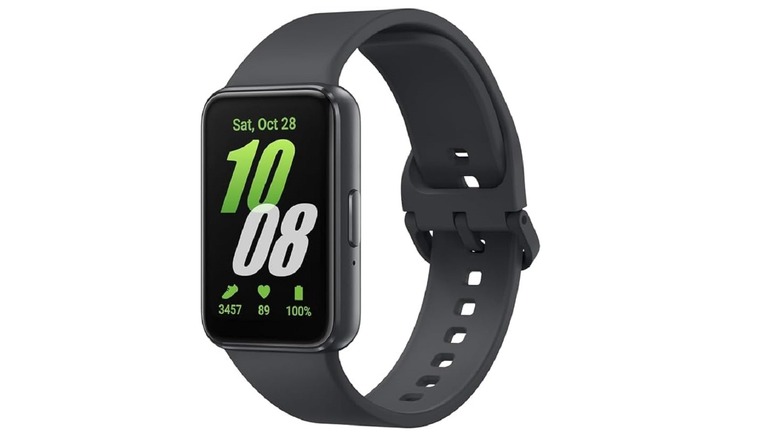
Bottom Line: The Galaxy Fit 3 is the best choice for Android users who want a slim, lightweight tracker without the bulk of a full smartwatch.
4. Amazfit Active 2: Premium Features, Budget Price
The Amazfit Active 2 is a strong contender for those who want best fitness trackers with no monthly fee 2026. Amazfit has invested heavily in AI-driven health insights, and unlike some competitors, they don't charge a monthly fee for their "Readiness" score. This score evaluates your physical and mental recovery each morning.
One of the standout features here is the inclusion of built-in dual-band GPS. Most trackers in this price range rely on your phone for GPS, but the Amazfit Active 2 can track your runs and cycles independently. It also features incredible device battery endurance, often lasting 14 days with heavy use. For users seeking specialized multi-sport tracking modes, Amazfit provides deep data on everything from outdoor running to indoor rowing.
5. Withings ScanWatch Light: The Stylish Hybrid
Not everyone wants a glowing screen on their wrist. For those seeking wearables for sleep monitoring with no premium membership that look like traditional timepieces, the Withings ScanWatch Light is the answer. This hybrid smartwatch uses a physical dial for the time and a small circular screen for digital metrics.
The focus here is on sleep hygiene monitoring and heart health. Withings provides medical-grade accuracy for heart rate tracking and respiratory scan features. Because it doesn't have a large AMOLED screen, it boasts a staggering 35-day battery life. It’s an elegant solution for users who want to track their heart rate variability without the "techy" look of a standard fitness band.
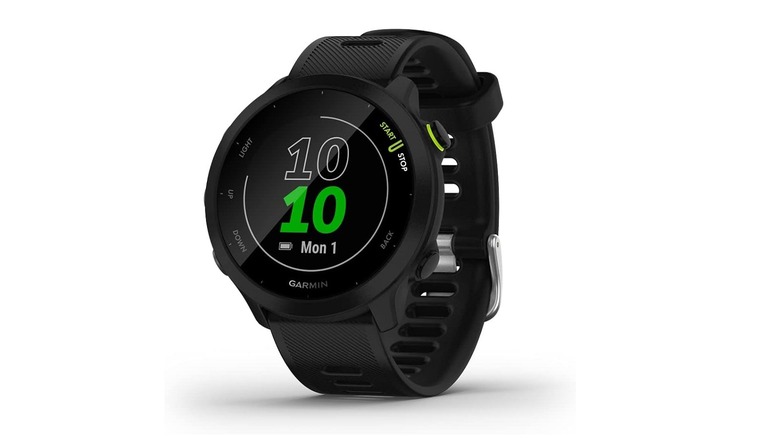
6. Garmin Forerunner 55: Best for Performance Athletes
For dedicated runners, the Garmin Forerunner 55 is the entry-level king. When comparing garmin vs fitbit for running tracking accuracy, Garmin’s heritage in satellite positioning systems gives it a clear edge. The Forerunner 55 includes PacePro technology, which provides GPS-based pace guidance for your chosen course or distance.
It is one of the best smartwatches for health tracking because it focuses on performance metrics. It tells you your recommended recovery time after a hard run and predicts your race times based on your current fitness level. All of these physiological recovery metrics are included in the upfront hardware cost, ensuring you never have to pay for your own performance data.
Why Runners Choose Garmin
- Precision: Superior GPS accuracy in urban environments.
- Coaching: Free Garmin Coach training plans for 5K, 10K, and half-marathons.
- Durability: Sunlight-readable display and physical buttons for sweaty hands.
7. Xiaomi Mi Smart Band 10: The Ultimate Ultra-Budget Pick
The Xiaomi Mi Smart Band 10 continues the tradition of offering the best "bang for your buck" in the industry. For a very low price, you get a tracker that covers all the basics: SpO2 monitoring, all-day heart rate tracking, and 5ATM water resistance.
While it lacks the advanced smartphone ecosystem compatibility of an Apple or Samsung watch, its pedometer accuracy and real-time biometric feedback are surprisingly solid for the price. The 21-day battery life means you can almost forget about the charger, making it a great low-maintenance option for those who just want to keep an eye on their daily steps and sleep.

8. Garmin Vivosmart 5: The Best Screenless-Style Tracker
If you miss the slim, non-intrusive design of the old Fitbit Alta or Inspire, the Garmin Vivosmart 5 is your best bet. It is one of the top fitness trackers for seniors with large displays (relative to its slim frame) because it prioritizes readability and ease of use.
There are no confusing buttons; the interface is driven by a simple touchscreen and a single haptic button. It provides the same subscription-free mobile apps experience as Garmin's high-end watches, giving you access to the Body Battery and sleep score metrics without a monthly bill. It’s the perfect "set it and forget it" tracker for someone who wants to stay healthy without managing a complex gadget.
Expert Pitfalls: What to Avoid When Buying Subscription-Free
When hunting for the best smartwatches for health tracking without a fee, you need to be careful of "feature locking." Some newer brands may offer a low upfront cost but lock advanced metrics like heart rate variability behind a subscription after a six-month "trial" period. Always look for the subscription-free mobile apps label in reviews.
Another pitfall is ecosystem locking. If you choose an Apple Watch but later switch to an Android phone, your tracker becomes a paperweight. Conversely, the Samsung Galaxy Fit 3 works best within the Samsung ecosystem. If you want total flexibility, Garmin and Amazfit offer the best platform-agnostic experiences, working equally well on both iOS and Android.
Lastly, distinguish between professional health trackers with one-time purchase price and generic "no-name" brands found on discount sites. While the latter have no fees, their sensor accuracy—especially for sleep and SpO2—is often unreliable. Stick to established brands that have validated their sensors through clinical studies.
FAQ
What is the best alternative to a Fitbit?
The Garmin Venu 3 is generally the best alternative because it offers a similar (or better) health suite, including sleep and stress tracking, without the need for a monthly subscription. For those on a budget, the Samsung Galaxy Fit 3 provides a very similar aesthetic and feature set for a lower one-time price.
Are there fitness trackers without a monthly subscription?
Yes, most major brands besides Fitbit and Whoop allow you to access all your health data for free. Garmin, Apple, Samsung, Amazfit, and Xiaomi all provide their core health metrics, historical data, and recovery scores as part of the initial hardware purchase.
How do Garmin watches compare to Fitbit?
Garmin watches typically offer better battery life and more robust GPS tracking for outdoor activities. While Fitbit's app is often praised for its simplicity, Garmin Connect is much deeper and provides more technical data for free. Fitbit requires a Premium subscription for deep sleep analysis and readiness scores, whereas Garmin includes these features by default.
What are the best budget-friendly fitness trackers?
The Samsung Galaxy Fit 3 and the Xiaomi Mi Smart Band 10 are the top choices for budget-conscious buyers. Both offer heart rate, sleep, and activity tracking for under $60, with the Xiaomi band offering exceptional battery life of up to three weeks.
Which tracker is best for sleep monitoring besides Fitbit?
The Withings ScanWatch series and the Garmin Venu 3 are excellent for sleep monitoring. Withings focuses on medical-grade sleep apnea detection and heart health, while Garmin provides a comprehensive "Sleep Score" that factors in your previous day's activity and stress levels to explain why you feel rested or tired.
Choose Your Tracker Without the Monthly Bill
The trend of "everything as a service" shouldn't apply to your own heart rate and sleep data. By opting for one of these alternatives, you avoid the hidden long-term costs of Fitbit ownership while often gaining superior battery life and more accurate sensors.
If you are a hardcore runner, go with a Garmin. If you just want to track your steps and sleep on a budget, the Samsung or Xiaomi options will serve you well. For those who want the best of both worlds—style and substance—the Apple Watch SE 3 remains the king of integration. Whichever you choose, you can rest easy knowing that your health data belongs to you, not a monthly billing cycle.