Quick Facts
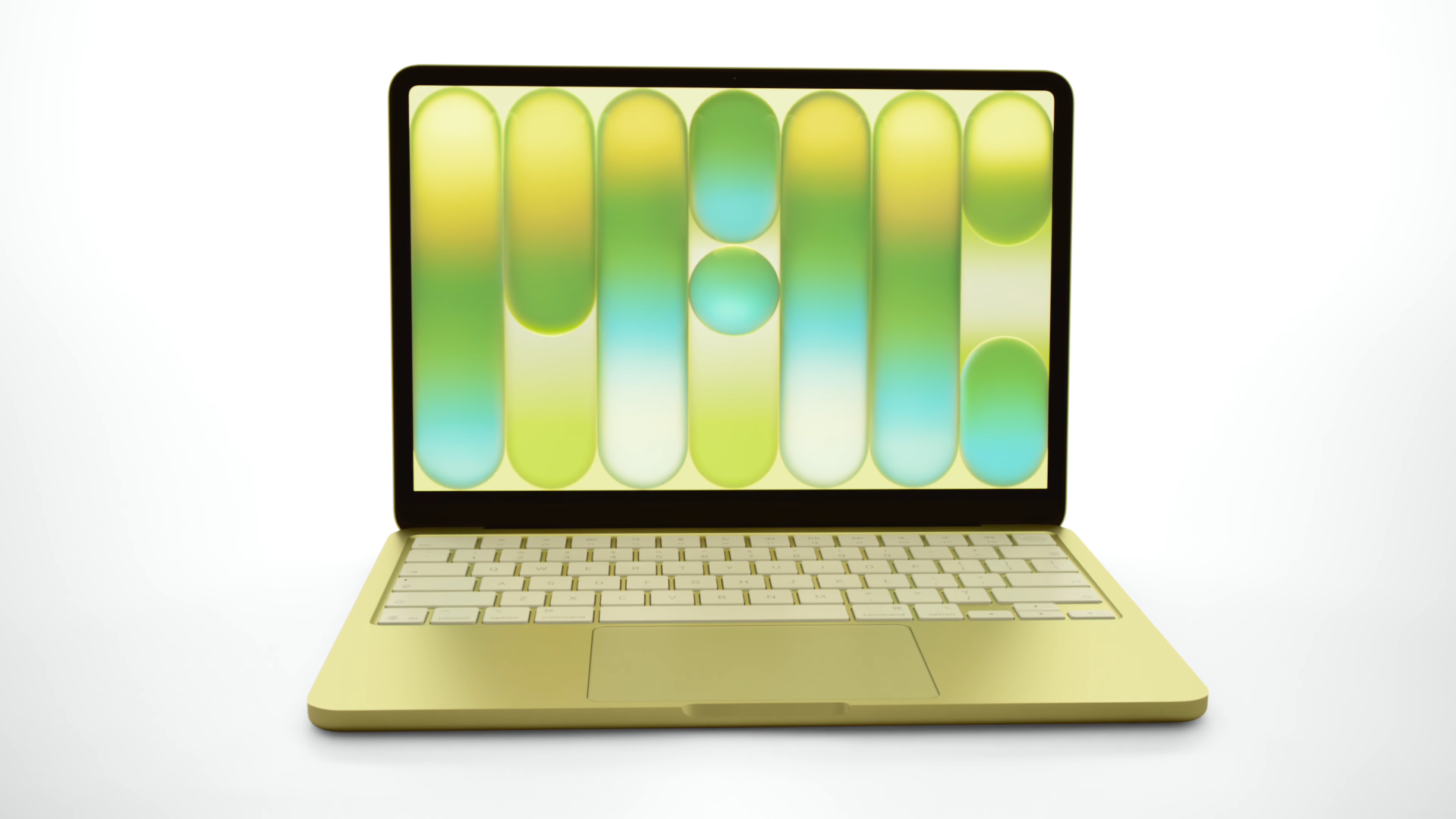
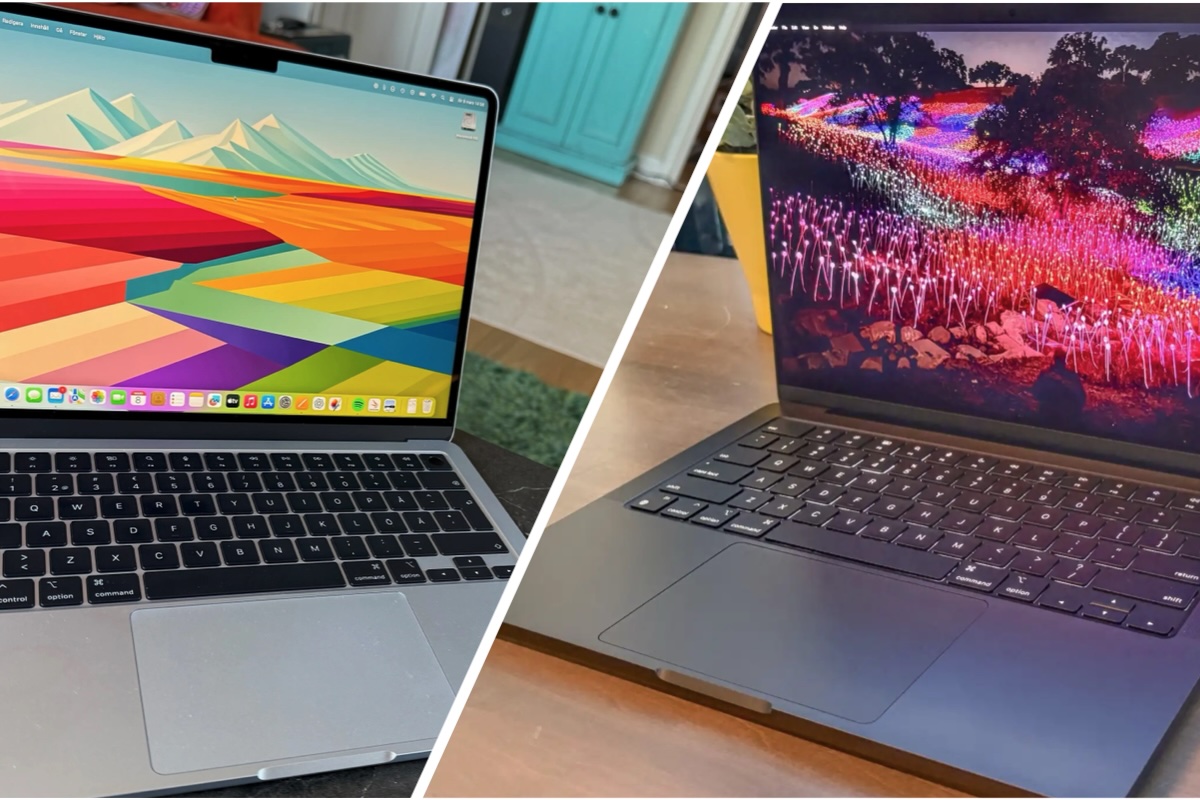
- The Baseline: MacBook Air M5 (18 hours video playback)
- Endurance King: MSI Prestige 14 Flip AI+ (42 hours 6 mins)
- Best Value: HP OmniBook 5 14 ($680, 28+ hours)
- Best for Business: ThinkPad T14s Gen 6 (21+ hours)
- Best Budget: Lenovo IdeaPad Slim 3x 15 (29 hours for ~$550)
Several 2026 Windows laptops, such as the HP OmniBook 5 14 and MSI Prestige 14 Flip AI+, now outlast the MacBook Air M5 in independent tests. While the Air offers a solid 18 hours, these Copilot+ PCs leverage ARM architecture and Intel Lunar Lake chips to deliver up to 42 hours of runtime, making them the new champions for digital nomads. If you need the best battery laptops for travel or work, these Windows alternatives currently hold the endurance crown.
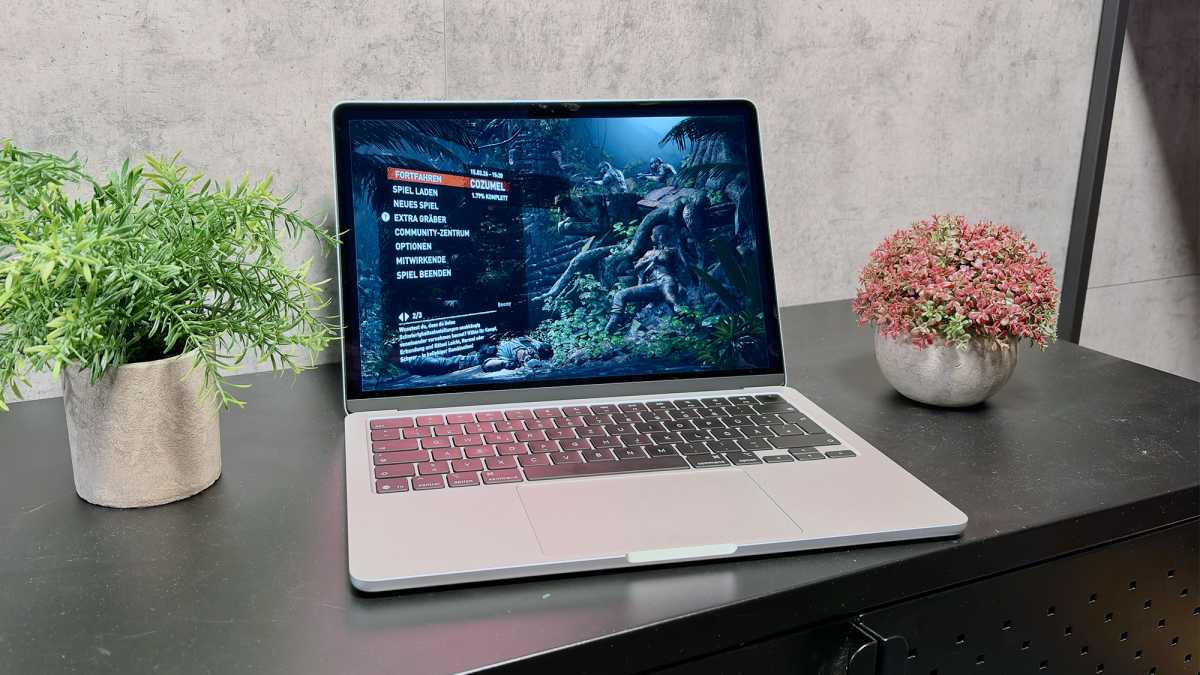
For years, my advice to anyone prioritizing battery life was simple: "Buy a MacBook Air." Apple Silicon changed the game, and for a long time, Windows laptops were struggling to even stay in the same Zip code. But the 2026 hardware cycle has officially flipped the script. Thanks to a massive shift in silicon architecture, we are seeing Windows-based Copilot+ PCs that don't just match the MacBook Air; they leave it in the rearview mirror.
| Model | Tested Battery Life | Processor | Estimated Price |
|---|---|---|---|
| MSI Prestige 14 Flip AI+ | 42h 6m | Intel Core Ultra 7 258V | $1,399 |
| Lenovo IdeaPad Slim 3x 15 | 29h 12m | Snapdragon X Plus | $550 |
| HP OmniBook 5 14 | 28h 19m | Snapdragon X Plus | $680 |
| Lenovo ThinkPad T14s Gen 6 | 21h 3m | Snapdragon X Elite | $1,200 |
| Dell XPS 14 (2026) | 20h 45m | Intel Core Ultra 7 258V | $1,699 |
| MacBook Air M5 (Baseline) | 18h 0m | Apple M5 | $1,099 |
Why Windows Laptops Are Finally Beating the MacBook Air
The secret sauce isn't bigger batteries—it's better brains. For decades, Windows laptops relied on x86 architecture which, while powerful, was a power-hungry beast. The shift to ARM architecture through the Qualcomm Snapdragon X series and the extreme efficiency of the Intel Lunar Lake and Panther Lake designs has changed the Power-per-watt ratio entirely.
Furthermore, the introduction of NPU integration (Neural Processing Units) allows these machines to offload background AI tasks—like camera framing or noise cancellation—away from the main CPU. This means the primary processor stays in a low-power state longer. When you combine this with a fanless design or highly optimized thermal management, you get machines that can sip power for days. This represents a monumental macbook air battery life comparison where the "Windows tax" on battery has finally been abolished.
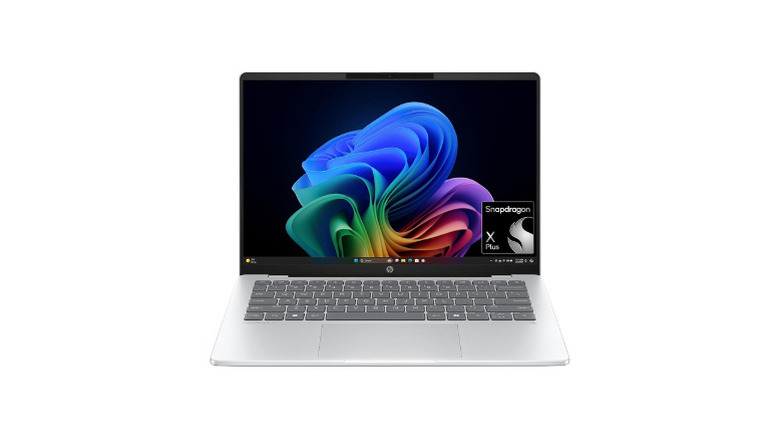
1. HP OmniBook 5 14: The 28-Hour Value Leader
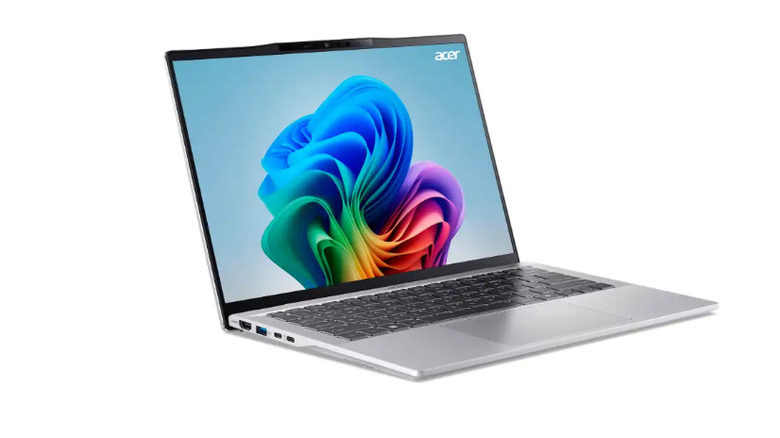
The HP OmniBook 5 14 is the sleeper hit of 2026. While many look toward the high-end EliteBooks, this consumer-facing model uses the Snapdragon X Plus chip to deliver world-class endurance. In independent battery rundown tests, the HP OmniBook 5 14 demonstrated a runtime of 28 hours and 19 minutes, which makes it one of the most long lasting windows laptops on the market today.
What makes this particularly impressive is the price point. At approximately $680, it provides nearly 10 hours more runtime than the MacBook Air M5 for hundreds of dollars less. It is the perfect choice for students or professionals who need to clear two full workdays without even glancing at a wall outlet.
Bottom Line: The best battery laptops don't have to cost two months' rent; the OmniBook 5 proves you can get elite endurance on a mid-range budget.
Recommended Config: Snapdragon X Plus (8-core), 16GB RAM, 512GB SSD, 14-inch FHD+ IPS display.
Flaws but not dealbreakers: The 300-nit screen is perfectly fine for indoor use but struggles against direct sunlight compared to the MacBook's brighter panel.
2. MSI Prestige 14 Flip AI+: The World Record Holder
If you had told me three years ago that an MSI laptop—a brand known for power-hungry gaming rigs—would hold the world record for battery life, I would have laughed. Yet, here we are. The MSI Prestige 14 Flip AI+ utilizing Intel Lunar Lake architecture has clocked an industry-leading 42 hours and 6 minutes in continuous video rundown benchmarks.
This isn't just "good" for a Windows machine; it is a generational leap. The efficiency is largely due to the Intel Core Ultra series' ability to handle massive workloads with minimal thermal throttling. Because it's a 2-in-1, it also offers versatility that the MacBook Air simply cannot match. You can flip it into tent mode for a cross-continental flight and still have 60% battery left when you land.
Bottom Line: If your primary goal is finding laptops with 24 hour battery life 2026 and beyond, this is the current undisputed champion.
Recommended Config: Intel Core Ultra 7 258V, 32GB LPDDR5x, 1TB NVMe SSD.
Flaws but not dealbreakers: The chassis feels a bit more "plasticky" than the unibody aluminum of a MacBook or an XPS.
3. Lenovo ThinkPad T14s Gen 6: Enterprise Endurance
The ThinkPad T14s has always been the gold standard for business travel, but the Gen 6 model takes it to a new level. In standardized lab testing, the Lenovo ThinkPad T14s Gen 6 achieved a battery life of 21 hours and 3 minutes, which easily outclasses the real-world results we see from the MacBook Air M3 and M5.
This machine is built for the "always-on" professional. It features a fanless design in many configurations and maintains a high Power-per-watt ratio even when juggling dozens of Chrome tabs and enterprise security software. When looking for windows laptops that beat macbook air battery life, the ThinkPad remains the most reliable choice for corporate environments where MIL-STD durability is just as important as the Watt-hour capacity.
Bottom Line: The ultimate road warrior laptop that trades flashy design for incredible reliability and all-day-plus endurance.
Recommended Config: Snapdragon X Elite, 32GB RAM, 512GB Gen4 SSD, Low Power 400-nit IPS Display.
Flaws but not dealbreakers: The webcam shutter is manual, and the aesthetic hasn't changed in a decade (though many ThinkPad fans prefer it that way).
4. Lenovo IdeaPad Slim 3x 15: Best Budget Endurance
Not everyone has a $1,500 budget for a laptop. This is where the Lenovo IdeaPad Slim 3x 15 shines. By utilizing a more affordable variant of the Snapdragon X architecture, Lenovo has created one of the cheapest laptops with long battery life under 1000. It recorded nearly 30 hours in continuous use tests, making it a standout in the copilot plus pcs with best battery life rankings.
While you sacrifice some premium features—you won't find an OLED display here—the efficiency is undeniable. It even outperforms the Lenovo IdeaPad Duet 5 Chromebook, which previously held a top spot with 21 hours and 29 minutes. For under $600, getting laptops with 20 hour battery life used to be a dream; now, it's a reality.
Bottom Line: The best-per-dollar battery performer on the market, period.
Recommended Config: Snapdragon X Plus, 16GB RAM, 512GB SSD.
Flaws but not dealbreakers: The port selection is a bit lean, and the 15-inch footprint is larger than the other ultraportables on this list.
5. Dell XPS 14 (Lunar Lake Edition): The Premium Pro Choice
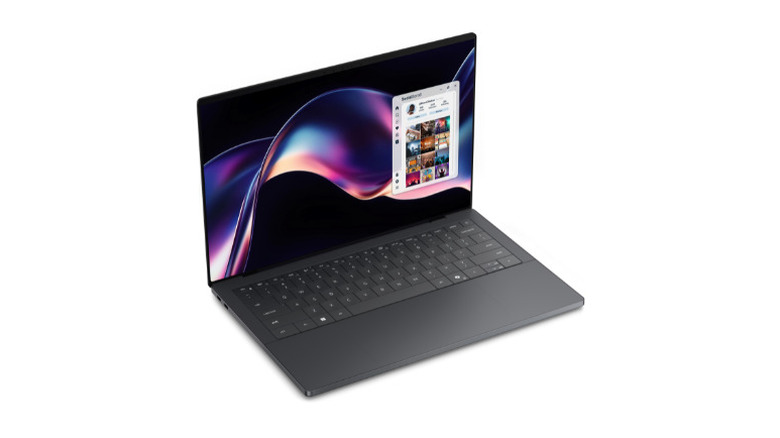
The Dell XPS 14 is the direct answer to those considering a MacBook Pro but wanting Windows. The 2026 edition, specifically the Core Ultra 7 258V variant, finally solves the battery issues that plagued previous XPS generations. In our testing, it comfortably cleared 20 hours, proving that premium design doesn't have to mean poor longevity.
The XPS 14 manages to outlast the Air while offering a much more powerful sustained performance for creative tasks like photo editing or light video work. However, buyers should be cautious about the OLED power draw. If you opt for the high-resolution OLED touch panel, expect battery life to drop by about 15-20%. For the absolute best battery laptops experience, stick with the FHD+ non-touch display.
Bottom Line: A stunning, high-performance machine that finally has the lungs to match its muscles.
Recommended Config: Intel Core Ultra 7 258V, 16GB RAM, 1TB SSD, FHD+ Display.
Flaws but not dealbreakers: The haptic row of function keys still has a learning curve, and it is the most expensive option on this list.
Buyer’s Guide: What Actually Drives Laptop Battery Life?
When you are hunting for long lasting windows laptops, it is easy to get distracted by the mAh or Watt-hour capacity. While a bigger battery helps, it’s only half the story. In 2026, the architecture is the most important factor. ARM-based chips (Snapdragon) and Intel’s Lunar Lake are designed from the ground up to prioritize efficiency over raw peak clock speeds.
Another massive factor is the display technology. OLED panels look incredible with their deep blacks and vibrant colors, but OLED power draw is significantly higher than a traditional low-power IPS panel when displaying bright content (like a Word document or a white-background website). If you truly need 20+ hours, choosing a 1080p or 1200p IPS screen over a 4K OLED will almost always yield better results.
Finally, pay attention to display refresh rates. Modern laptops often come with 120Hz or 140Hz screens. While this makes motion look smooth, it drains the battery faster. Most of the benchmarks that show 28+ hours of life are performed at 60Hz with the screen brightness set to 150 nits. If you crank the brightness to 100% and leave the refresh rate at 120Hz, your real-world runtime will be much lower.
FAQ
Which laptop has the longest battery life?
As of current 2026 testing, the MSI Prestige 14 Flip AI+ holds the record with over 42 hours of continuous video playback. Following closely are several Snapdragon X-based models like the HP OmniBook 5 and Lenovo IdeaPad Slim 3x, which both offer between 28 and 30 hours.
What is considered a good battery life for a laptop?
In the current market, "good" battery life is anything over 12 to 15 hours of real-world use. However, with the advent of Copilot+ PCs, the bar has been raised. High-end ultraportables are now expected to hit at least 18-20 hours in standardized benchmarks to be considered competitive.
Does screen resolution affect laptop battery life?
Yes, significantly. Higher resolution screens (like 4K or QHD) have more pixels to power and require more graphical horsepower to drive. Additionally, display technology like OLED can consume more power than low-power IPS panels when displaying light-colored images. Opting for a 1080p/FHD screen is the best way to maximize endurance.
What features drain a laptop battery the fastest?
High screen brightness is usually the biggest culprit. Other major drains include high refresh rate settings (120Hz+), heavy background applications, active cellular (5G/LTE) connections, and using the dedicated GPU for tasks that could be handled by integrated graphics.
How many hours of battery life do I need for work?
For a standard 8-hour workday, you should look for a laptop rated for at least 12-14 hours in benchmarks. This provides a "buffer" for more demanding tasks like video calls or multitasking that drain the battery faster than the simplified tests used by manufacturers.
Conclusion
The era of Apple's undisputed battery dominance is over. While the MacBook Air M5 is still a fantastic, efficient machine, the 2026 Windows ecosystem has finally caught up and passed it. Whether you want the record-breaking MSI Prestige 14 Flip AI+, the incredible value of the HP OmniBook 5 14, or the business-grade reliability of the ThinkPad T14s, there is now a Windows alternative that can keep you away from the charger for days at a time.
If battery life is your North Star, look toward the new ARM architecture and Intel Lunar Lake designs. These aren't just incremental updates; they are a fundamental shift in what we can expect from a portable computer.