Quick Facts
- Best Overall Value: Aqara Hub M3 offers high protocol-per-dollar value by integrating Zigbee, Thread, Bluetooth, and Infrared into a single unit.
- Best for Power Users: Home Assistant Green provides the ultimate edge computing experience with unmatched local processing and privacy.
- Best Ecosystem Anchor: Samsung SmartThings Station serves as a reliable multi-protocol bridge with the added utility of Qi charging.
- Essential Protocol: Any smart home hub purchased in 2026 should support Matter 1.4 or higher and function as a Thread border router.
- Local Control: Prioritize hubs that process automation locally to ensure sub-200ms latency and functionality during internet outages.
- Market Growth: The global market for Matter-compatible smart home devices reached an estimated value of USD 8.4 billion in 2024.
When choosing a smart home hub, prioritize compatibility with the Matter protocol and Thread networking to ensure long-term interoperability. The Aqara Hub M3 offers high protocol-per-dollar value, while the Samsung SmartThings Station provides extensive multi-protocol support including Zigbee and Wi-Fi. For power users seeking advanced customization and local processing, open-source hardware like Home Assistant Green provides the widest range of integrations and edge computing capabilities.
Matter vs. Thread: Understanding the 2026 Standard
In the world of smart home technology, terms like Matter and Thread are often used interchangeably, but they serve very different roles. Matter is the application layer, effectively the universal language that allows a light bulb from one brand to talk to a switch from another. Thread, however, is the transport layer. It is a low-power, wireless mesh networking protocol designed specifically for IoT devices.
The distinction between a matter controller and thread border router is vital for any modern smart home hub. A Matter controller acts as the central brain of your system, managing device permissions and automation logic. A Thread border router is the bridge that connects your low-power Thread devices to your home network, like Wi-Fi or Ethernet. In 2026, the best smart home hubs combine both of these functions into a single piece of gateway hardware.
By utilizing smart home hubs with built-in thread border routers, you create a self-healing network. If one device in the mesh fails, the signal simply reroutes through another, ensuring that your home automation remains stable. This multi-protocol support is a significant leap from the fragmented ecosystems of the past, where a single bridge was required for every brand you owned.
The Best Smart Home Hubs of 2026: Top Picks
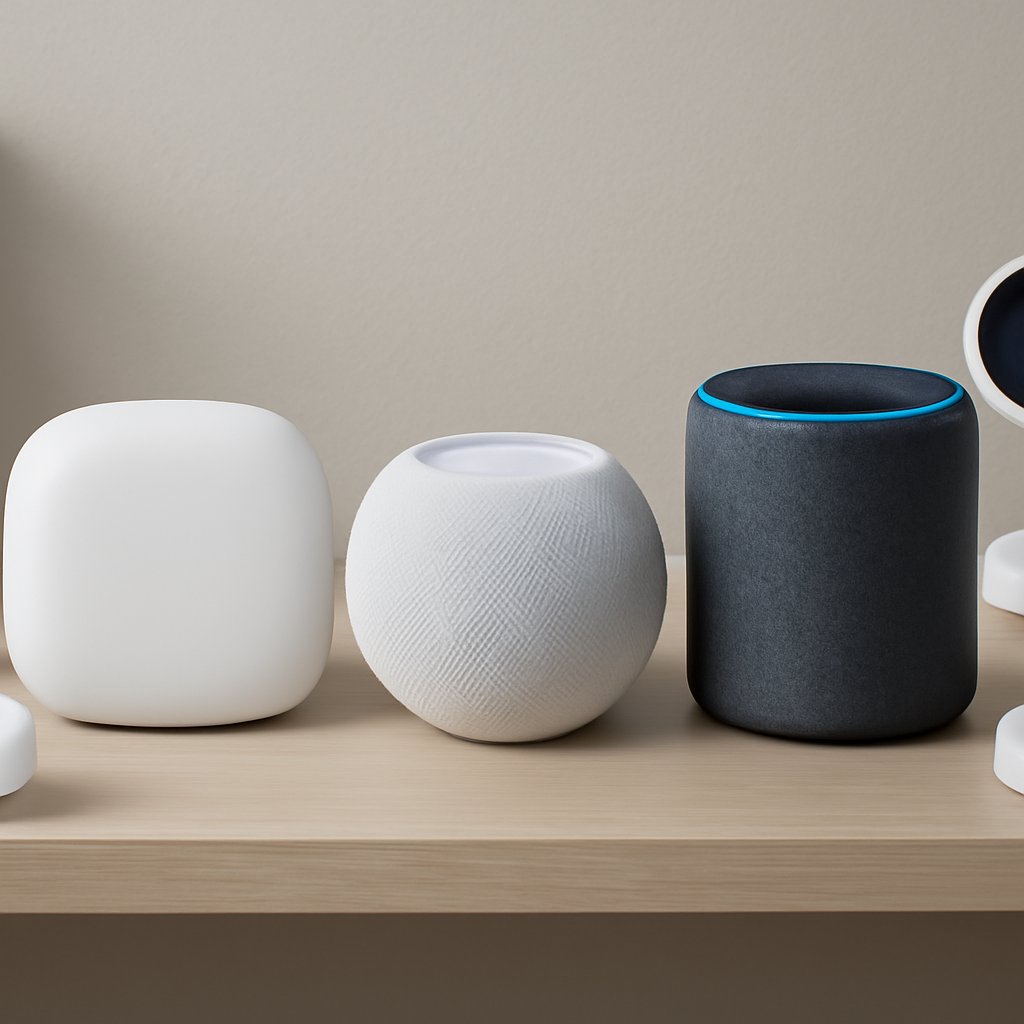
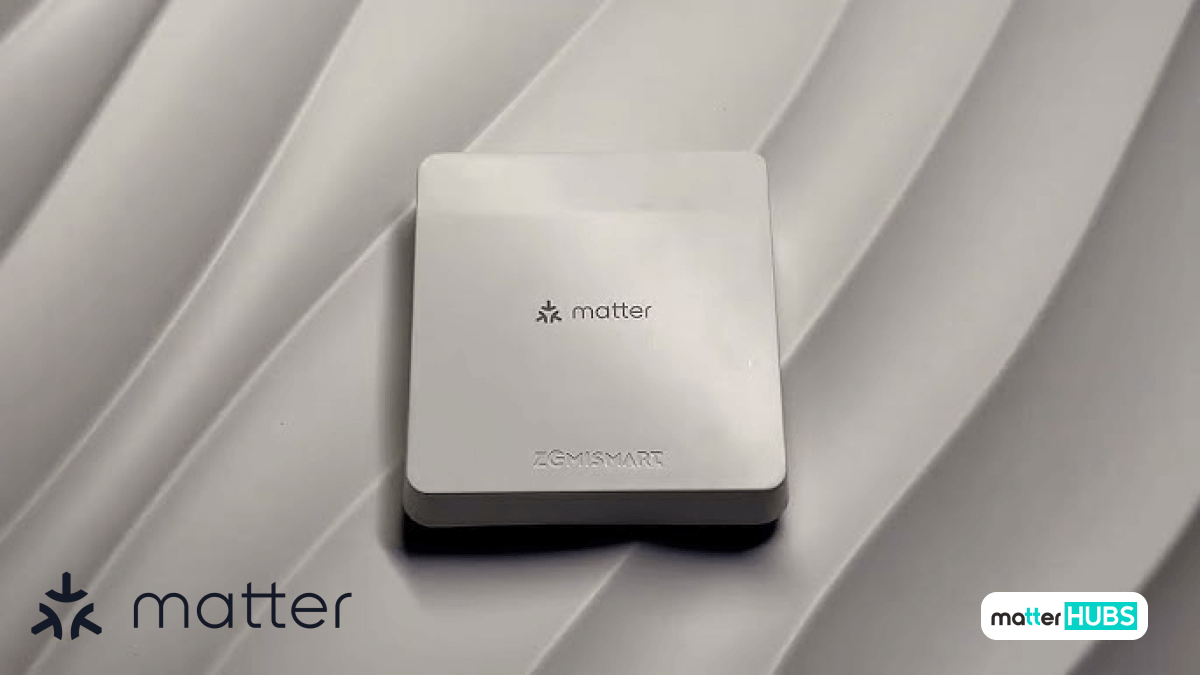
The current market offers a diverse range of best home automation controllers tailored to different user needs. Whether you are looking for a budget-friendly entry point or a high-performance system for a massive device count, the following comparison highlights the top hardware choices available today.
| Feature | Aqara Hub M3 | Samsung SmartThings Station | Home Assistant Green | Apple HomePod (2nd Gen) |
|---|---|---|---|---|
| Primary Protocol | Zigbee, Thread, IR | Zigbee, Thread, Matter | All (via expansion) | Thread, Wi-Fi |
| Local Processing | Full Local Support | Partial | 100% Local | Full Local Support |
| Matter Support | Controller & Bridge | Controller | Controller & Bridge | Controller |
| Best For | Multi-protocol density | Mainstream ease | Privacy and Power Users | Apple Ecosystem |
| Estimated Price | $129 | $79 | $99 | $299 |
Samsung SmartThings Station
The Samsung SmartThings Station remains a standout choice for those seeking smart home ecosystem compatibility without a steep learning curve. It is particularly unique because it doubles as a 15W Qi wireless charger. For users invested in the Galaxy ecosystem, it offers seamless setup and reliable performance as both a Matter controller and a Thread border router.
Aqara Hub M3
The Aqara Hub M3 is frequently cited as one of the best budget matter and thread hubs 2026 has to offer when considering its sheer protocol coverage. Unlike its predecessors, the M3 focuses heavily on local processing. It can take over automation logic from other Aqara hubs on the network, ensuring that if your internet goes down, your sensors and lights still respond instantly.
Home Assistant Green
For the enthusiast, Home Assistant Green is the gold standard. It represents the pinnacle of edge computing in the home. By keeping all data on-site, it ensures a privacy-centric environment. When comparing home assistant green vs smartthings station for power users, the Green model wins on flexibility, allowing you to integrate virtually any device through its open-source software, though it requires a slightly higher technical comfort level to set up.
How to Choose: Ecosystem vs. Local Control
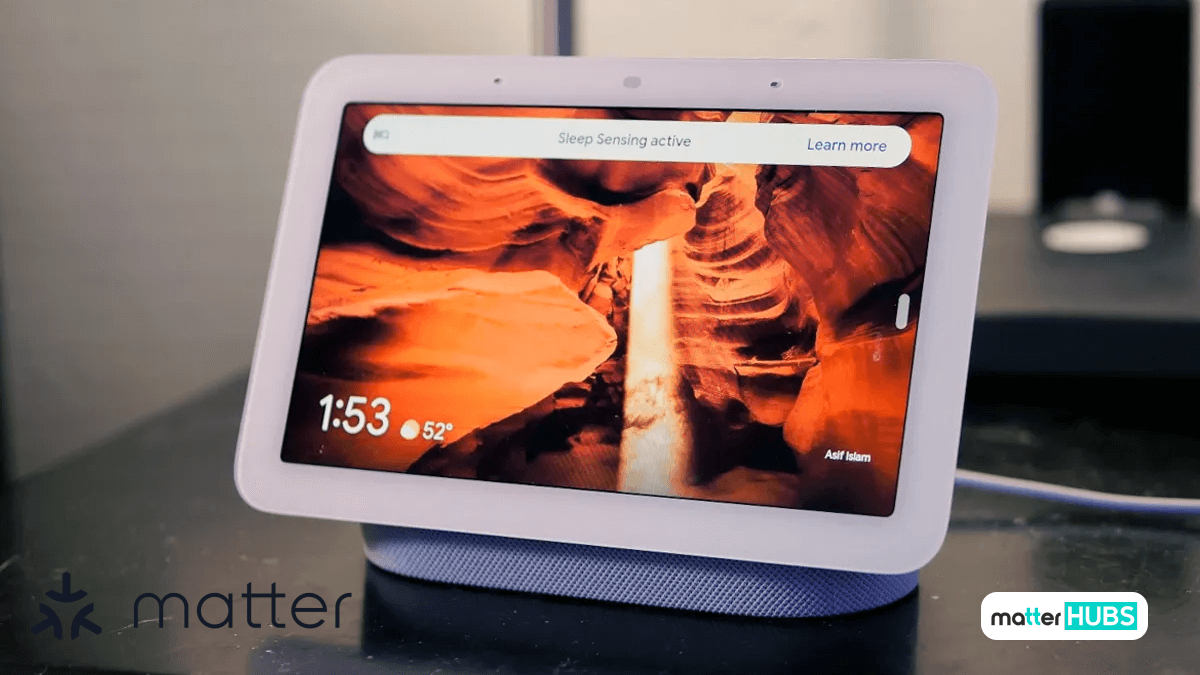
Selecting a smart home hub often comes down to a choice between the convenience of a major ecosystem and the reliability of local control. Major platforms like Apple Home, Amazon Alexa, and Google Home provide excellent user interfaces and remote access, but they often rely on cloud servers to process complex commands.
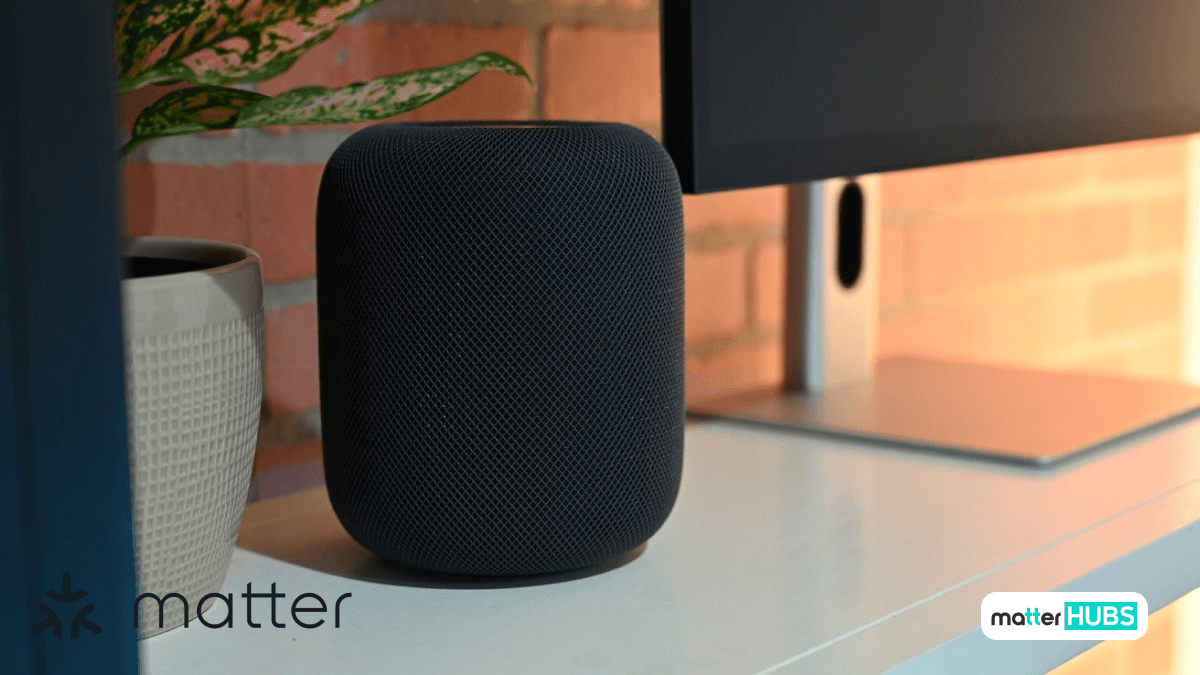
If you are wondering how to choose a matter controller for apple homekit, look for devices that are certified Thread border routers. Apple’s architecture heavily favors local processing within the home network, which minimizes latency. For users prioritizing privacy, choosing a smart home hub for local control like the Aqara M3 or Home Assistant Green is essential. These devices process routines within the box itself, meaning your data never leaves your four walls, and your lights will turn on even if your ISP has an outage.
While Wi-Fi technology dominated the U.S. smart home hub market in 2024, holding a 46.2% share of connectivity protocols, the shift toward Thread is accelerating. This transition is driven by the need for better battery life in small sensors and the desire for a more robust mesh networking environment that Wi-Fi alone cannot provide for hundreds of IoT nodes.
Legacy Bridging: Transitioning from Zigbee and Z-Wave
Many long-time smart home users find themselves with dozens of Zigbee or Z-Wave devices. You don't need to throw these away. When transitioning from zigbee to a matter smart home hub, look for hubs that offer bridge functionality. The Aqara Hub M3, for instance, can expose your older Aqara Zigbee sensors to the Matter standard, allowing them to show up in the Apple Home or Google Home apps as if they were native Matter devices.
Pro Tip: If you are expanding your network on a budget, look for Matter-over-Thread sensors like the IKEA PARASOLL or VALLHORN. These are affordable ways to strengthen your Thread mesh without needing a brand-specific bridge for every room.
Finding the best smart home hubs for zigbee and matter compatibility is the key to future-proofing your investment. It allows for a gradual migration. You can keep your reliable Z-Wave door locks while adding new Matter-over-Thread light strips, managing them all through a single, unified smart home hub. This hybrid approach ensures you get the benefits of modern interoperability without the cost of replacing every functional device in your house.
FAQ
What is a smart home hub and how does it work?
A smart home hub acts as the central command center for all your connected devices. It translates various wireless protocols—like Zigbee, Z-Wave, Bluetooth, and Thread—into a language your home network can understand. This allows you to control a wide variety of devices from different manufacturers through a single app and create automated routines where devices interact with each other.
Do I really need a hub for my smart home devices?
Whether you need a hub depends on the devices you choose. If you only have a few Wi-Fi-based smart bulbs, you may not need one. However, if you want to use low-power sensors, achieve faster response times through local processing, or build a comprehensive system with Matter compatible smart hubs, a dedicated hub becomes essential for stability and advanced automation.
What is the difference between a smart home hub and a bridge?
A bridge is typically a device that connects one specific brand's products to your network (like a Philips Hue Bridge). A smart home hub is broader, often supporting multiple protocols and brands simultaneously. In 2026, many hubs also act as a Matter controller, allowing them to manage devices across many different bridges and brands through one interface.
How do I choose the best smart home hub for my home?
Start by identifying which smart home ecosystem you prefer (Apple, Google, Amazon, or Samsung). Next, check your existing devices for protocol support. If you have many older sensors, ensure the hub has Zigbee or Z-Wave radios. Finally, prioritize hubs that offer local processing and Thread border router capabilities to ensure your home remains fast and functional for years to come.
Do smart home hubs work without an internet connection?
Some do, and some do not. Hubs designed with a hardware-first and local-first philosophy, such as Home Assistant Green or the Aqara Hub M3, can process your automations entirely on the local network. This means your motion sensors will still turn on your lights even if your internet is down. Cloud-dependent hubs may lose most functionality without an active connection.
Can one smart home hub control all brands?
While the industry is moving toward that goal through Matter, we aren't quite there yet. However, a high-quality smart home hub with multi-protocol support and Matter compatibility can control the vast majority of modern brands. For niche or older products, you may still need a specific bridge, which can then be linked to your main hub to consolidate control.