Quick Facts
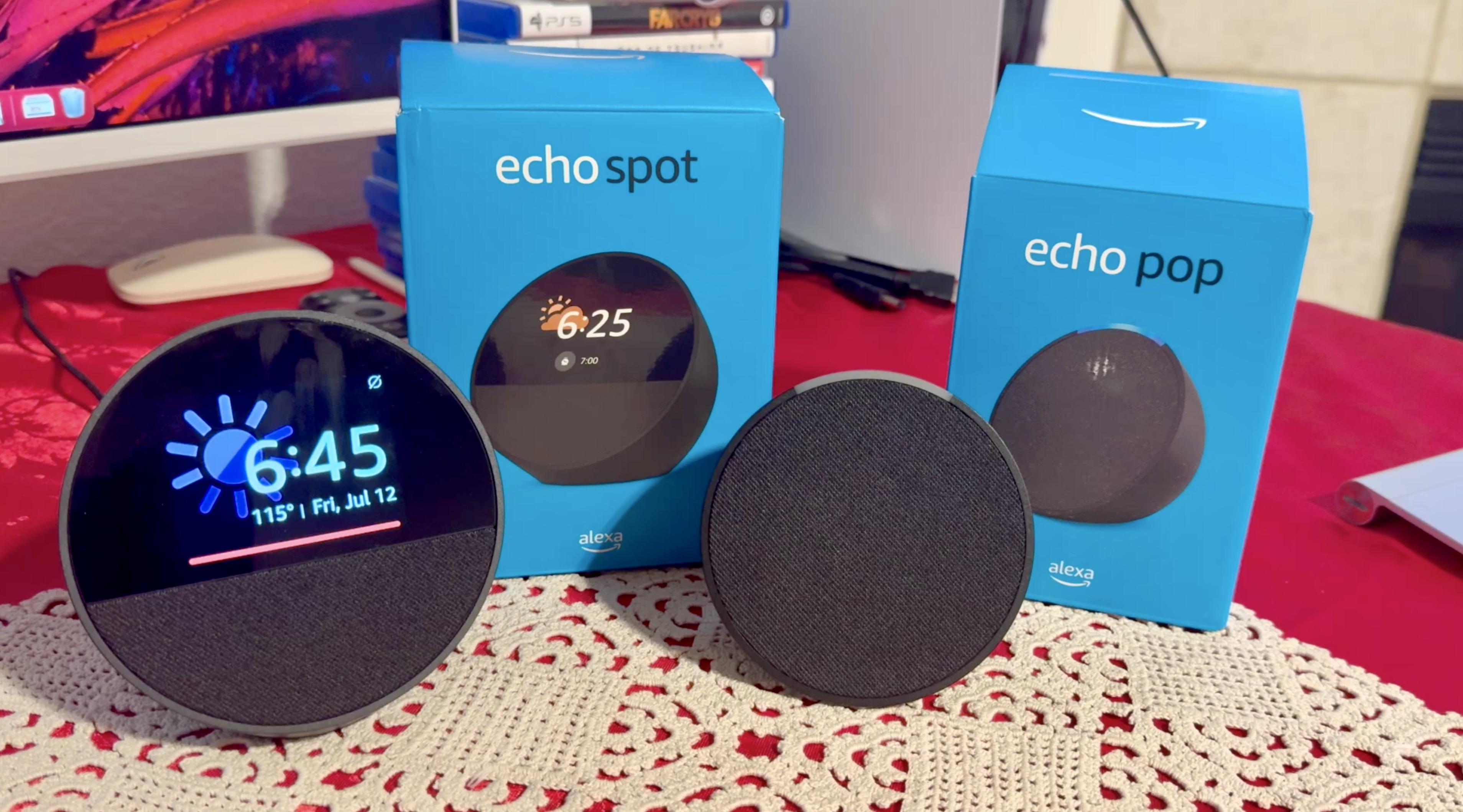
- Display: The Echo Spot features a 2.83-inch visual display for clock and weather, whereas the Echo Pop is a voice-only speaker.
- Audio: Both utilize front-firing speakers optimized for small rooms like bedrooms or home offices.
- Smart Home: Both devices support the Matter smart home standard and include the AZ2 Neural Edge chip.
- Network: Both speakers include an Eero Built-in range extender to add up to 1,000 sq ft of Wi-Fi coverage.
- Price: The Echo Pop retails for $39.99, while the Echo Spot is priced at $79.99.
- Privacy: Neither device contains a camera, making them high-privacy options for personal spaces.
- Core Recommendation: The Echo Spot is the ultimate bedside assistant for those who want a digital bedside assistant with visual feedback, while the Echo Pop is the best value for budget-conscious background audio in small spaces.
The Echo Spot and Echo Pop differ primarily in their visual interface. The Echo Spot features a semi-circular display designed for bedside use, showing time, weather, and song titles, whereas the Echo Pop is a voice-only speaker with a minimalist semi-sphere design. Deciding between the Echo Spot vs Echo Pop depends on whether you prefer a screen-based smart clock or a simple, colorful voice-controlled speaker.
Design and Physical Footprint: Small Office vs. Nightstand
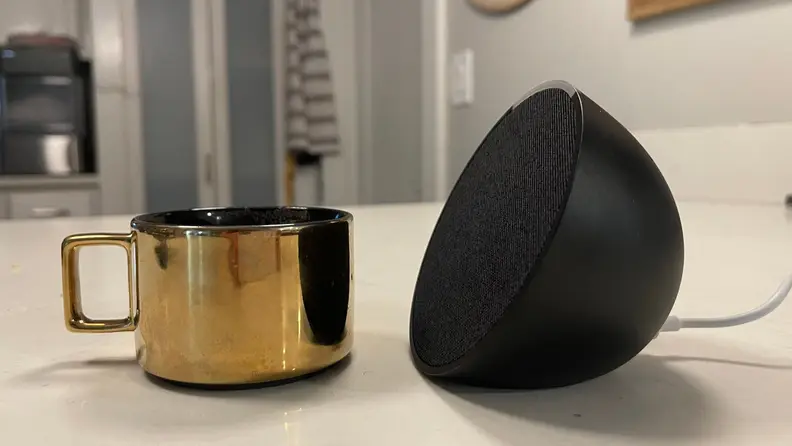
When I first unboxed these two devices, the contrast in design philosophy was immediately apparent. The Echo Pop looks like a grapefruit that has been sliced cleanly at an angle. It is a semi-sphere design that feels incredibly modern and unobtrusive. Its compact size is perfect for those tight corners on a kitchen counter or a crowded bookshelf. If you are looking at the Echo Spot vs Echo Pop footprint for small office desk use, the Pop is the clear winner for minimalist bedroom tech enthusiasts who want their gadgets to disappear into the decor.
The Echo Spot, on the other hand, revives the spirit of the original 2017 model but with a much sharper execution. It stands as a semi-circle with a flat face, half of which is dedicated to the speaker grille and the other half to a vibrant 2.83-inch display. It feels like a dedicated piece of furniture rather than just a tech accessory. While both are small, the Spot demands a bit more visual attention because of its screen. In my testing, I found that the Spot fits perfectly on a nightstand where the screen faces you directly, while the Pop is better suited for high shelves where you only need to hear it, not look at it.
Interface Battle: Screen Features vs. Voice-Only
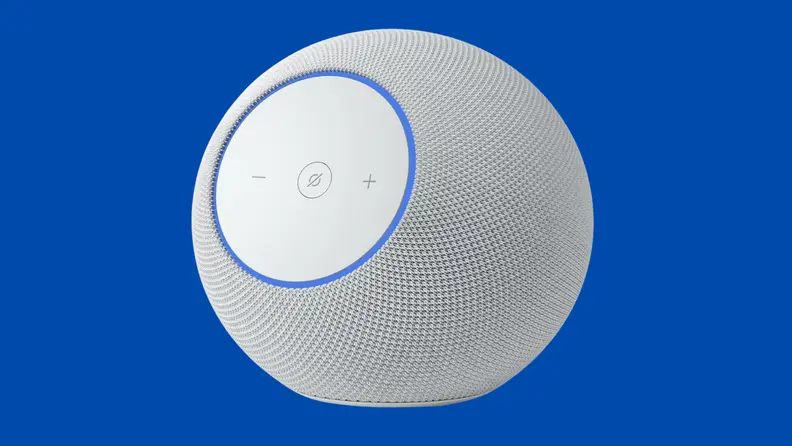
The real divide in this Echo Spot vs Echo Pop comparison is how you interact with them. The Echo Spot is built around the idea of visual feedback. Amazon Echo Spot display features include a variety of customizable visual themes that let you match the clock face to your room's aesthetic. You can see the weather forecast at a glance, view the title of the song currently playing, or see the name of the person calling you. The touch-capacitive controls on the top allow for quick volume adjustments or snoozing an alarm with a physical tap.
Conversely, the Echo Pop represents a return to the voice-only minimalist approach. There is no screen to tell you the time or the temperature; you have to ask Alexa. This makes the Echo Spot display features vs Echo Pop voice only interaction a major deciding factor for most buyers. If you are the type of person who wakes up in the middle of the night and wants to know the time without speaking aloud, the Spot is your only real choice. However, if you find screens in the bedroom distracting or "too much tech," the Pop offers a refreshing simplicity.
Audio Quality: Front-Firing Performance
From an audio editor's perspective, neither of these speakers is going to replace your high-fidelity living room setup, but they punch surprisingly well for their weight. Both devices use front-firing directional audio drivers. This means the sound is projected forward rather than in a 360-degree radius like the standard Echo or Echo Dot. This design is intentional; it prevents sound from bouncing off the wall behind the speaker, which often muddies the audio in small rooms.
In my Echo Spot vs Echo Pop sound quality tests, I found that the Pop actually holds its own quite well for casual listening. Because it is a slightly larger driver than what you find in the oldest Echo Dots, the mid-range is surprisingly clear. However, don't expect deep bass. When comparing the Amazon Echo Pop vs Echo Spot sound quality for music, the Spot feels slightly more refined in the high-frequency range, making it better for podcasts or audiobooks where vocal clarity is paramount. One thing to note is that the Echo Pop lacks a 3.5mm line-out jack, so you cannot tether it to a larger speaker system—you are locked into its built-in driver or Bluetooth.
Comparative Specifications
| Feature | Amazon Echo Spot | Amazon Echo Pop |
|---|---|---|
| Display | 2.83-inch LCD (Touch) | None (Light Bar only) |
| Speaker Size | 1.73-inch front-firing | 1.95-inch front-firing |
| Processor | AZ2 Neural Edge | AZ2 Neural Edge |
| Wi-Fi Extender | Eero Built-in | Eero Built-in |
| Smart Home | Matter, Bluetooth | Matter, Bluetooth |
| Privacy | No Camera, Mic Off button | No Camera, Mic Off button |
| MSRP | $79.99 | $39.99 |
Future-Proofing with Alexa+ and Matter
As we move through 2026, the smart home landscape is changing. Both of these devices are equipped with the AZ2 Neural Edge chip, which is crucial for the new Alexa+ subscription model. This chip allows for more "on-device" processing, meaning Alexa can understand your requests faster without always pinging the cloud. When asking is the Echo Spot worth the price difference over Echo Pop, you have to consider that both offer the same "brain" power.
Furthermore, both speakers are fully compatible with the Matter smart home standard. This means they can act as controllers for your smart lights, plugs, and thermostats regardless of the manufacturer. If you are building a smart home today, you want devices that won't be obsolete in two years. Both the Spot and the Pop serve as excellent entry points or "satellite" controllers for a larger ecosystem. Additionally, the inclusion of the Eero Built-in range extender is a massive value-add. It allows your speaker to function as a mesh Wi-Fi node, improving connectivity in far-flung corners of your home.
Use Case Scenarios: Nursery to Bedside
Selecting the right device often comes down to the specific room you are furnishing. If you are looking for an Echo Spot vs Echo Pop for bedside alarm clock use, the Spot is the winner by a landslide. The ability to see the time at a glance and the lack of a camera make it the perfect digital bedside assistant. It even features a "night mode" that dims the display to a faint red hue, ensuring your sleep isn't disturbed by blue light.
For other areas of the house, the choice might flip. When evaluating the Echo Pop kids edition vs Echo Spot for nursery environments, the Pop often wins on durability and color. The Pop comes in vibrant colors like Lavender Bloom and Midnight Teal, which look great in a child's room. Amazon reported that engagement with Alexa increased by more than 35% in 2022, coinciding with the brand reaching a milestone of over 500 million Alexa-enabled devices sold globally. A large portion of that growth comes from these specialized, smaller units that fit into rooms where a larger Echo Show would be overkill.

Pros and Cons
Echo Spot
- Pros:
- Clear visual display for time and weather.
- Excellent touch-capacitive snooze function.
- Customizable clock faces.
- No camera ensures maximum bedroom privacy.
- Cons:
- Double the price of the Echo Pop.
- Screen might still be too bright for some sleepers.
Echo Pop
- Pros:
- Extremely affordable entry point into the Alexa ecosystem.
- Unique semi-sphere design fits anywhere.
- Available in several fun colors.
- Same high-end processor as more expensive models.
- Cons:
- No visual feedback; voice only.
- No 3.5mm audio output.
FAQ
What is the main difference between Echo Spot and Echo Pop?
The primary difference is the display. The Echo Spot has a screen that shows the time, weather, and media info, while the Echo Pop is a voice-only speaker with no screen.
Which smart speaker has better sound quality, Echo Spot or Echo Pop?
Both have very similar front-firing audio profiles. The Echo Pop has a slightly larger driver which helps with mid-range volume, while the Echo Spot is tuned for vocal clarity, making it better for news and podcasts.
Is the Echo Spot worth the price compared to the Echo Pop?
The Echo Spot vs Echo Pop price comparison shows a $40 gap. It is worth the extra money if you plan to use it as an alarm clock where seeing the time is essential. If you just want a speaker for a laundry room or hallway, the Pop is a better value.
Can you use the Echo Spot as an alarm clock?
Yes, the Echo Spot is specifically designed as a smart alarm clock. It features customizable clock faces, a dedicated snooze tap function, and a light-sensing display that dims at night.
Are there cameras on the Echo Spot or Echo Pop?
No, neither device has a camera. This is a deliberate design choice by Amazon to make both devices feel safer for use in private areas like bedrooms and bathrooms.
Does the Echo Pop support Eero mesh wifi?
Yes, the Echo Pop features Eero Built-in, which can extend your existing Eero mesh Wi-Fi network by up to 1,000 square feet, provided you have a compatible Eero router.
Final Verdict
Choosing between the Echo Spot and the Echo Pop comes down to a simple question: Do you need to see the time? If you are upgrading your nightstand, the Echo Spot is the most focused and well-designed smart clock Amazon has ever produced. It balances utility with privacy in a way that the camera-equipped Echo Show models do not.
However, if you are looking to sprinkle Alexa throughout your home—in the kitchen, the garage, or a guest room—the Echo Pop is the smarter financial move. It offers the same fast processing and smart home connectivity as the Spot at half the price. As an audio editor, I appreciate the simplicity of the Pop, but as a guy who needs to know it’s 3:00 AM without shouting at a speaker, the Spot is the one that stays on my nightstand.