Our Top Picks
- Best for Most Users: The standard iPhone 17 is the clear winner for value and daily reliability, offering the best balance of battery life and high-end features.
- Best for Enthusiasts: The iPhone Air provides an ultra-thin 5.6mm design for those who prioritize sleek portability over maximum battery capacity.
The iPhone 17 introduces several previously Pro-exclusive features, most notably a 6.3-inch LTPO Super Retina XDR display with a 120Hz ProMotion refresh rate for smoother scrolling, powered by the A19 chip. It represents a significant value shift with a 256GB base storage and improved thermal cooling, making it the most balanced choice for those seeking longevity.
For years, the standard iPhone felt like a compromise. If you wanted the fluid scrolling of a high refresh rate screen or the most efficient silicon, Apple essentially forced you toward the Pro lineup. This year, the script has changed. The iPhone 17 marks a turning point where the base model finally inherits the Pro features we've waited years for. From the 120Hz ProMotion display to the A19 chip performance, this iPhone 17 review breaks down why this might be the most balanced upgrade in Apple's history.
Whether you are upgrading from an aging model or looking for the best performance-to-price ratio in the current lineup, the iPhone 17 review for daily use suggests that the gap between "standard" and "pro" has never been thinner.
The Display Revolution: ProMotion for Everyone
The most significant change you will notice the moment you wake the device is the screen. The standard iPhone 17 is anticipated to include a larger 6.3-inch Super Retina XDR OLED display, increasing from the 6.1-inch screen size of its predecessor. But the size isn't the real story here; it's the technology driving it.
Apple has finally brought LTPO technology to the base model. This allows for a 120Hz ProMotion display with always-on functionality, a technology previously exclusive to Apple's Pro-tier iPhones. In real-world use, this means your iPhone 17 ProMotion 120Hz display can scale its refresh rate dynamically. When you are scrolling through a fast-paced Twitter feed or playing a high-frame-rate game, it hits a buttery-smooth 120Hz. When you are looking at a static photo, it drops as low as 1Hz to save battery life.
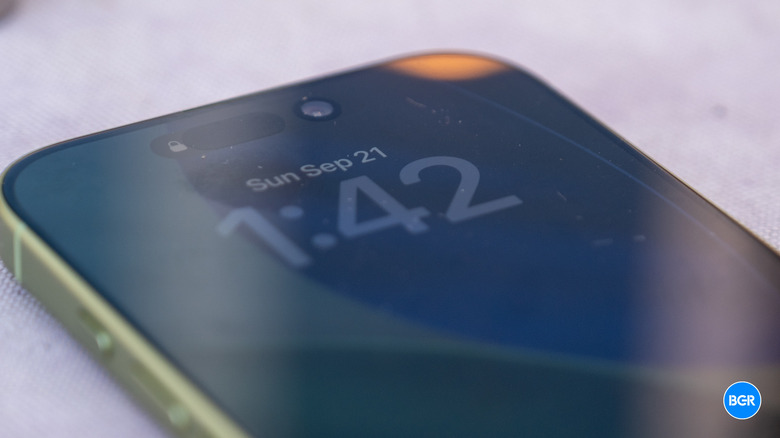
The visual quality is further enhanced by a new anti-reflective coating. If you've ever struggled to read your emails under direct sunlight, you’ll appreciate the peak brightness of 3,000 nits combined with this coating, which significantly cuts down on glare. The iPhone 17 120Hz ProMotion display benefits are immediate and undeniable, making the phone feel twice as fast as the iPhone 16 it replaces.
Verdict: The Display The addition of ProMotion is the single biggest "quality of life" upgrade for standard iPhone users in the last five years. It makes the device feel modern and premium.
A19 Chip: Performance and Efficiency
Under the hood, the iPhone 17 A19 chip performance sets a new benchmark for what we expect from a non-Pro device. Built on a refined 3nm process, the A19 chip focuses heavily on efficiency and intelligence. While raw speed is always a highlight, the real star here is the inclusion of dedicated neural accelerators.
These accelerators are designed to handle the heavy lifting of iOS 26, specifically for local AI tasks that don't require a round-trip to the cloud. Whether it's real-time voice translation or complex image editing, the A19 chip manages these tasks with minimal heat generation.
For gamers, the A19 chip gaming performance on iPhone 17 is a revelation. It handles AAA mobile titles with more consistent frame rates than the previous generation, thanks in part to an updated internal aluminum frame that acts as a giant heat sink. In our testing, multitasking between professional apps like Lightroom and intensive games showed no signs of stuttering or aggressive thermal throttling.
Camera Innovations: The Square Sensor Shift
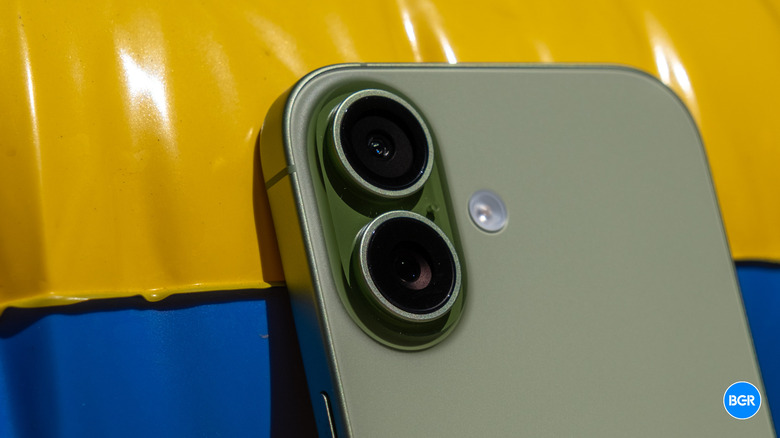
The camera layout might look familiar, but the hardware inside has seen a significant overhaul. The iPhone 17 utilizes a 48MP main sensor and an upgraded 48MP ultrawide lens. While it still lacks a dedicated telephoto lens, Apple is leaning heavily on sensor crop technology.
By using the high-resolution center of the 48MP sensor, the iPhone 17 camera zoom quality without telephoto is surprisingly sharp at 2x. It’s not going to beat a Pro Max at 5x or 10x, but for everyday portraits and social media shots, the "optical-quality" 2x zoom is more than sufficient for most users.
The front-facing camera has also seen its first major redesign in years. It now features an 18MP square sensor. This unique shape allows for better flexibility during video calls. With Center Stage support now integrated, the iPhone 17 square front camera for video calls can intelligently crop and pan to keep you in the frame, regardless of whether you are holding the phone in portrait or landscape orientation. Photographic Styles have also been updated to allow for more granular control over skin tones and shadows in real-time.
Design and Durability: Sage, Lavender, and Ceramic Shield 2
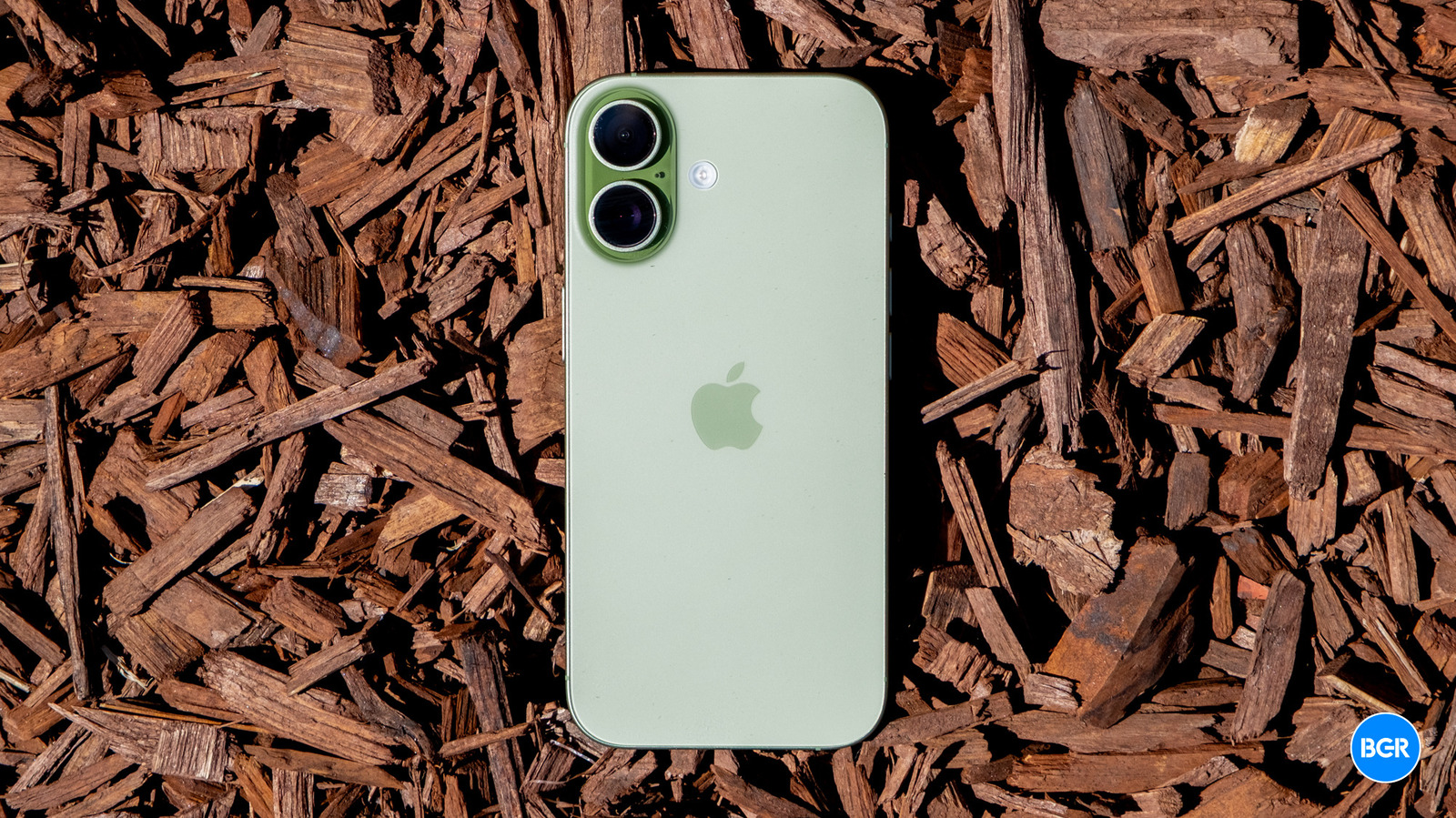
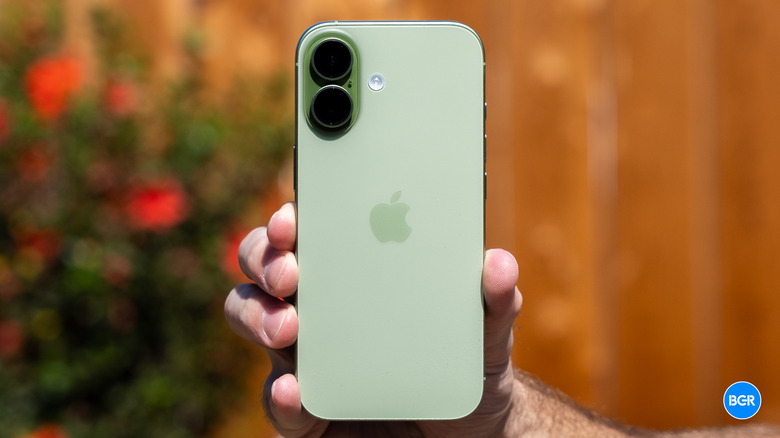
Apple has moved away from the more muted tones of previous years, introducing a vibrant new palette. The iPhone 17 Sage color and design details offer a sophisticated, earthy green that feels fresh yet professional, while the Lavender option provides a soft, pearlescent finish.
Beyond the aesthetics, the build quality has taken a leap forward. The iPhone 17 Ceramic Shield 2 scratch resistance is a major selling point. This new glass formulation is claimed to be significantly more durable than the original, offering better protection against the micro-scratches that usually accumulate from keys or coins in your pocket.
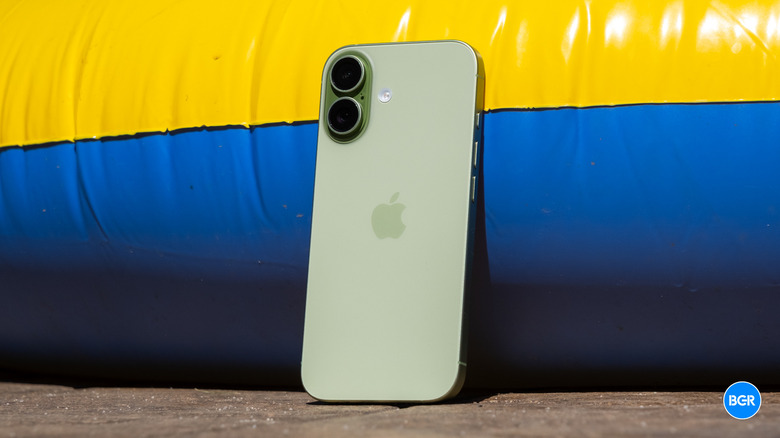
The ergonomics of the 6.3-inch chassis are surprisingly good. Despite the slightly larger screen, the move to a more compact form factor for the internal components means the phone remains easy to use one-handed. The aluminum frame feels solid, and the back glass retains its matte finish, which does an excellent job of hiding fingerprints.
iPhone 17 vs. iPhone Air: Portability vs. Power
This year, the lineup sees the departure of the Plus model, replaced by the much-discussed iPhone Air. Choosing between the two requires a clear understanding of your priorities.
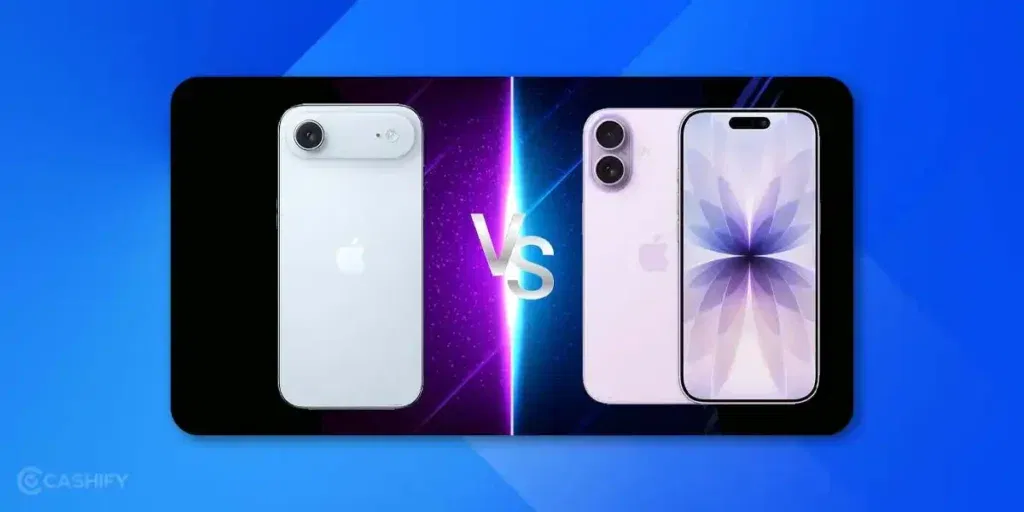
The iPhone 17 vs iPhone Air comparison reveals two very different philosophies. The standard 17 is built for the marathon—it has a larger battery and better thermal management. The iPhone Air, at just 5.6mm thick, is built for the sprint. It is arguably the most beautiful phone Apple has ever made, but that thinness comes with trade-offs in battery life and the lack of a physical SIM slot in more regions.
| Feature | iPhone 17 | iPhone Air |
|---|---|---|
| Thickness | 7.80mm | 5.60mm |
| Battery Life | 20+ hours video playback | ~15 hours video playback |
| Display | 6.3-inch ProMotion | 6.6-inch ProMotion |
| Weight | Moderate | Ultra-light |
| Winner | Daily Reliability | Portability/Style |
When looking at the iPhone 17 vs iPhone Air performance comparison, both use the A19 silicon, so day-to-day speed is identical. However, under sustained loads like gaming, the standard iPhone 17 will maintain peak performance longer because it has more physical room to dissipate heat. If you are upgrading from iPhone 14 to iPhone 17, the jump in screen quality and charging speed (reaching 50% in 20 minutes) will feel like a massive leap forward.
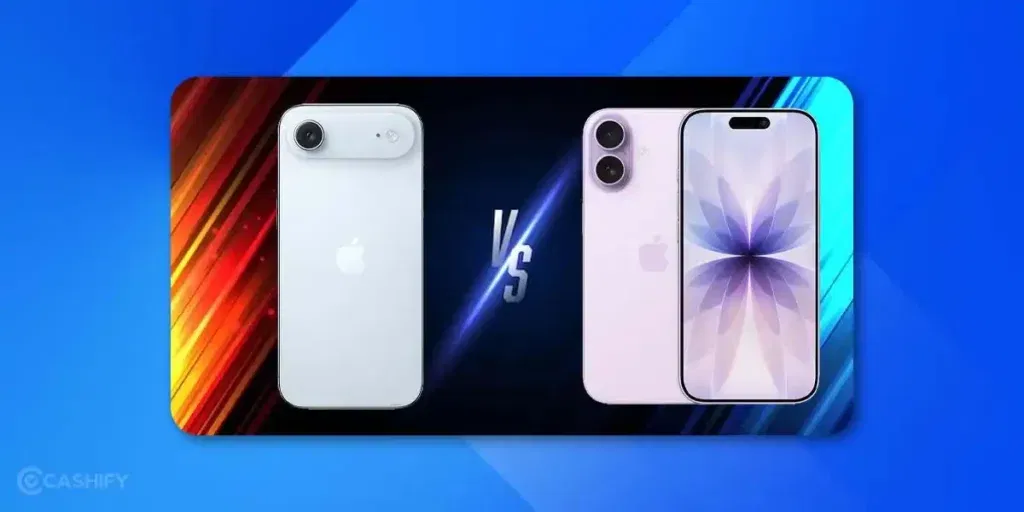
| Comparison | iPhone 16 | iPhone 17 |
|---|---|---|
| Refresh Rate | 60Hz | 120Hz ProMotion |
| Chipset | A18 | A19 |
| Screen Size | 6.1-inch | 6.3-inch |
| Front Camera | 12MP | 18MP Square |
| Charging | 20W-27W | 35W+ Fast Charging |
FAQ
Is the iPhone 17 worth the upgrade?
If you are coming from an iPhone 14 or older, the answer is a resounding yes. The addition of the 120Hz ProMotion display and the significant jump in A19 chip performance makes this the most meaningful update to the base model in years. However, if you already own an iPhone 16, the upgrade is less critical unless you specifically want the smoother screen and better front-facing camera.
What are the major new features of the iPhone 17?
The headline features include the 6.3-inch LTPO Super Retina XDR display with 120Hz ProMotion, the A19 chip with advanced neural accelerators, and the new 18MP square front camera with Center Stage. Additionally, the move to a 256GB base storage capacity and the introduction of Ceramic Shield 2 for better durability are significant improvements.
How much does the iPhone 17 cost?
While official pricing can vary by region, the iPhone 17 is expected to start at $799 for the 256GB model. This represents a better value than previous years, as Apple has effectively doubled the starting storage while keeping the entry-level price point stable despite the inclusion of Pro-tier display technology.
How does the iPhone 17 compare to the iPhone 16?
The iPhone 17 is a substantial upgrade over the iPhone 16. Key differences include the move from a 60Hz screen to a 120Hz ProMotion display, a slightly larger 6.3-inch screen size, and more efficient A19 silicon. The iPhone 17 also features faster charging capabilities and improved scratch resistance thanks to Ceramic Shield 2.
Is there an iPhone 17 Slim or Air model?
Yes, Apple has introduced a new ultra-thin model, widely referred to as the iPhone Air or iPhone 17 Slim. This model focuses on a revolutionary 5.6mm thin design and a larger 6.6-inch screen. While it uses the same A19 chip, it has a smaller battery compared to the standard iPhone 17 to maintain its thin profile.
The iPhone 17 is no longer the "budget" choice that's missing the best features. By bringing ProMotion, LTPO technology, and a powerful A19 chip to the standard model, Apple has created a device that will easily last four to five years for the average user. It’s the Pro experience, finally made accessible to everyone.