Our Top Picks
- The Value King: iPhone 17 Standard ($799) is the definitive choice for most users, offering the 120Hz ProMotion display and 256GB base storage for the first time in a non-Pro model.
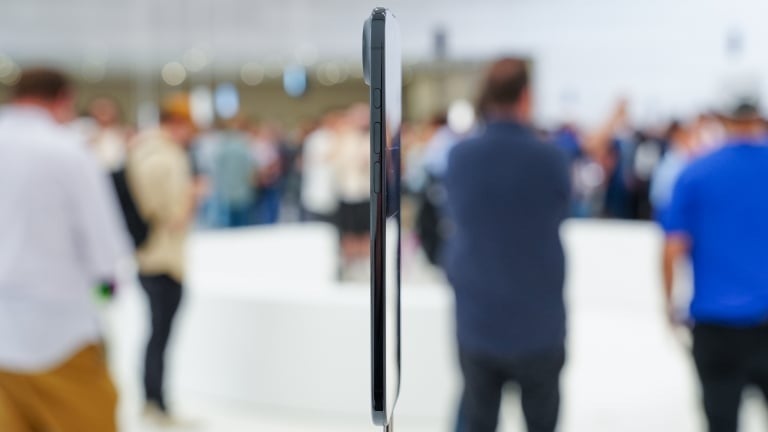
- The Aesthetic Choice: iPhone 17 Air ($999) targets design enthusiasts with its record-breaking 5.6mm ultra-thin chassis and lightweight titanium-aluminum alloy frame.
- The Powerhouse: iPhone 17 Pro ($1,099) remains the tool for creators, featuring vapor chamber cooling and the N1 chip for advanced smart home and wireless networking.
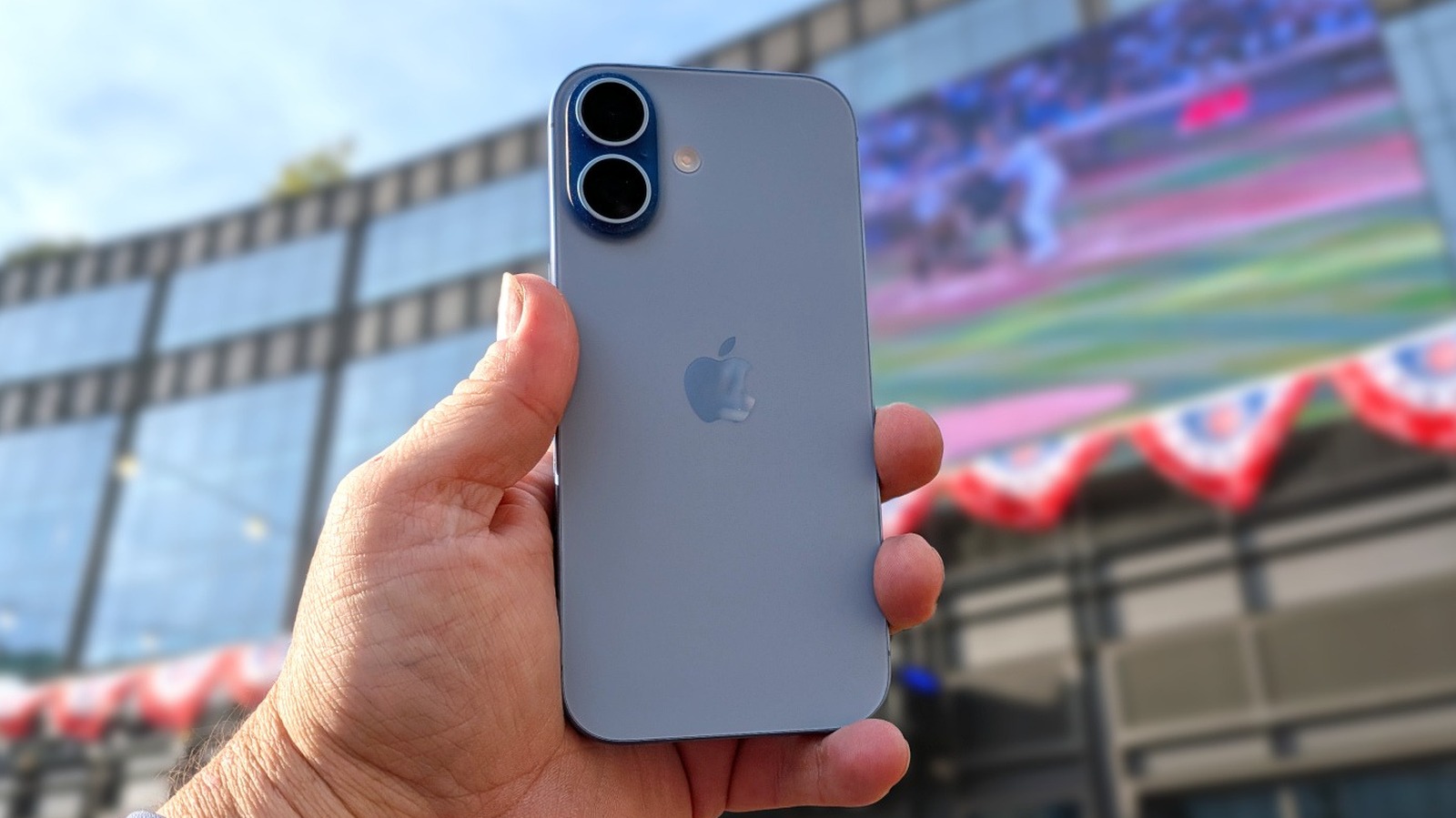
The iPhone 17 is worth buying because it offers a significant value leap, incorporating a 120Hz ProMotion display, an 18-megapixel selfie sensor, and a 48-megapixel ultrawide camera previously exclusive to Pro models. In this iPhone 17 review, we examine how Apple has narrowed the gap by bringing high-end technology to the entry-level flagship, making it the most balanced device in years.
The Pro-fication of the Standard Model: A Smartest Upgrade Path
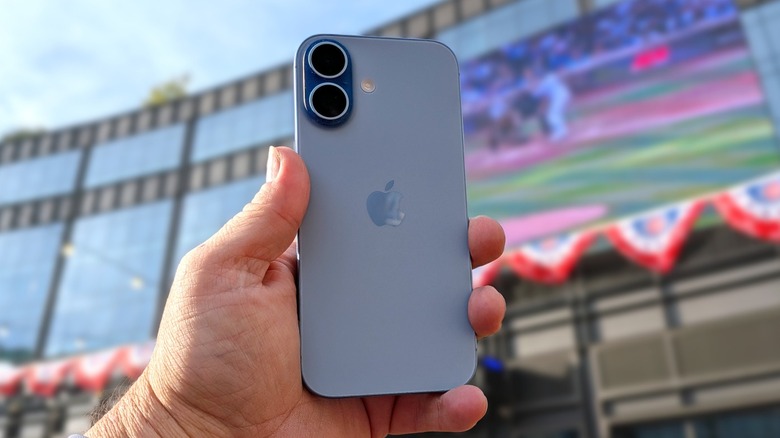
For years, the recommendation for the "regular" iPhone came with a series of footnotes. You had to accept a slower screen, a less versatile camera, and a feeling that you were buying last year’s leftovers in a new coat of paint. With the iPhone 17, those compromises have largely vanished. Apple has effectively "Pro-fied" the base model, creating a sleeper hit that disrupts the traditional hierarchy.
One of the most immediate changes is the death of the 128GB storage tier. The iPhone 17 now starts with 256GB as the standard, which is a welcome relief for anyone who takes a lot of photos or uses Apple Intelligence features extensively. When considering is the base iPhone 17 a better deal than the Pro, the answer for most people is now a resounding yes. You are getting roughly 90% of the Pro experience for hundreds of dollars less.
If you are upgrading from iPhone 13 to iPhone 17 what to expect is a generational shift in how the device feels in your hand. We aren't just talking about a faster processor; we are talking about the move from a static 60Hz panel to a dynamic LTPO technology display. This change alone makes the entire interface feel like it’s running on a different class of hardware. Furthermore, the lineup has seen a structural shake-up. Reports indicate that Apple is replacing the 6.7-inch 'Plus' model with a new slim variant featuring a 6.6-inch OLED display, creating a more diverse range of options for different hand sizes and style preferences.
Display Parity: 120Hz ProMotion for All
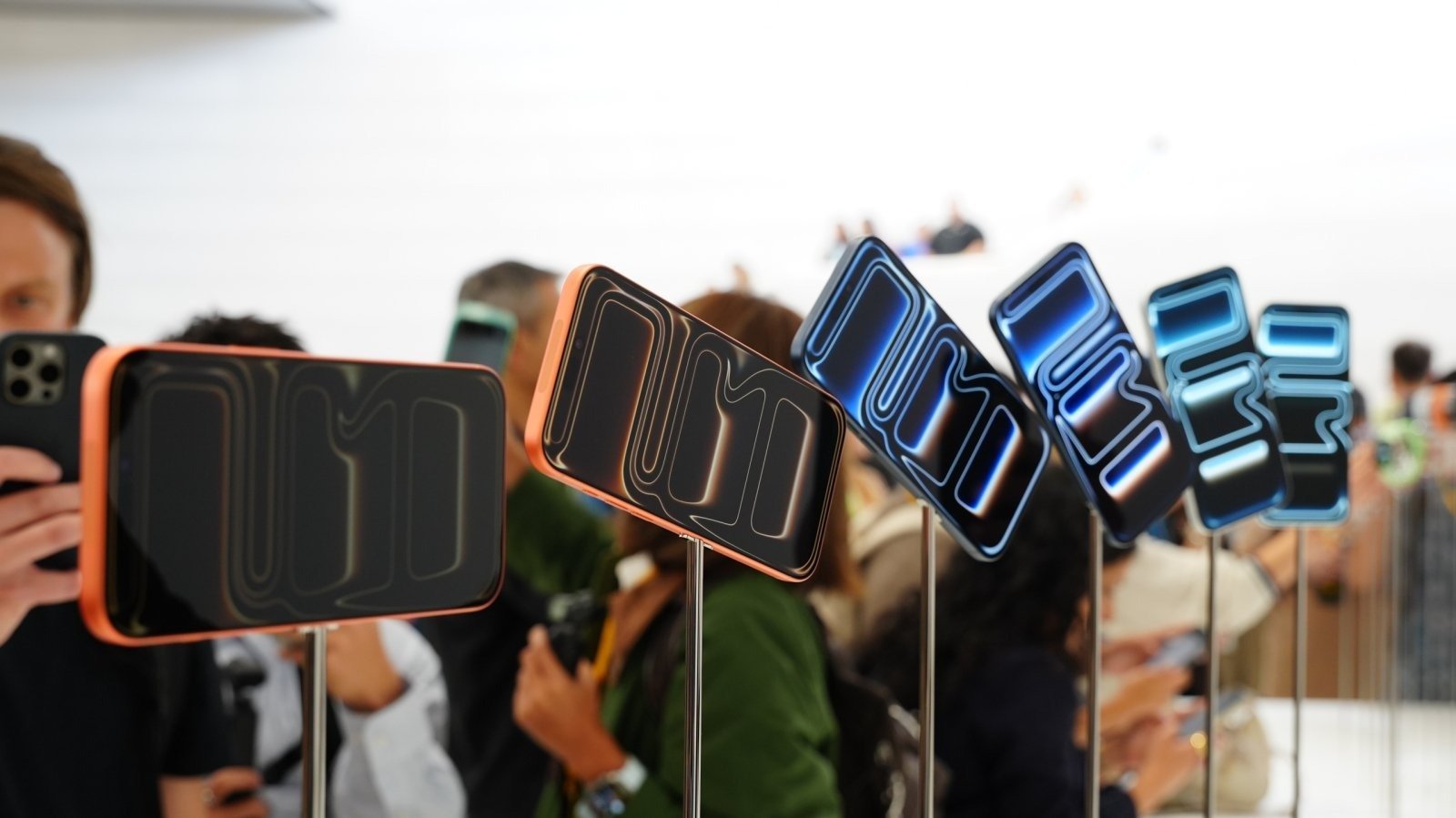
The biggest story of this release is undoubtedly the screen. Industry reports confirmed that the entire iPhone 17 lineup will adopt 120Hz ProMotion display technology, which was previously a gatekept feature for the Pro-tier models. This isn't just about smoother scrolling in Safari; it's about the Variable refresh rate that can scale down to as low as 1Hz to preserve battery life when you’re looking at a static image or using the Always-On display.
The iPhone 17 ProMotion display utilizes LTPO technology (low-temperature polycrystalline oxide), allowing for precise control over the panel's power consumption. In my testing, the 3,000 nits peak brightness makes outdoor visibility effortless, even under the direct glare of the afternoon sun. But the real benefit is how this interacts with the new Liquid Glass UI in iOS 26.
The iPhone 17 120Hz ProMotion display features and benefits extend to every interaction, from the way apps bounce into place to the fluidity of the system animations. The Liquid Glass UI is designed to feel more "organic," with elements that stretch and blur as you move them. Without the 120Hz refresh rate, these animations would look stuttery; on the iPhone 17, they feel tactile and responsive. Apple has also reinforced the panel with Ceramic Shield 2, which offers significantly better scratch resistance than the previous generation, addressing a long-standing complaint from users who prefer to go case-less.
Camera Evolution: 48MP Ultrawide and the Octagonal Selfie Sensor
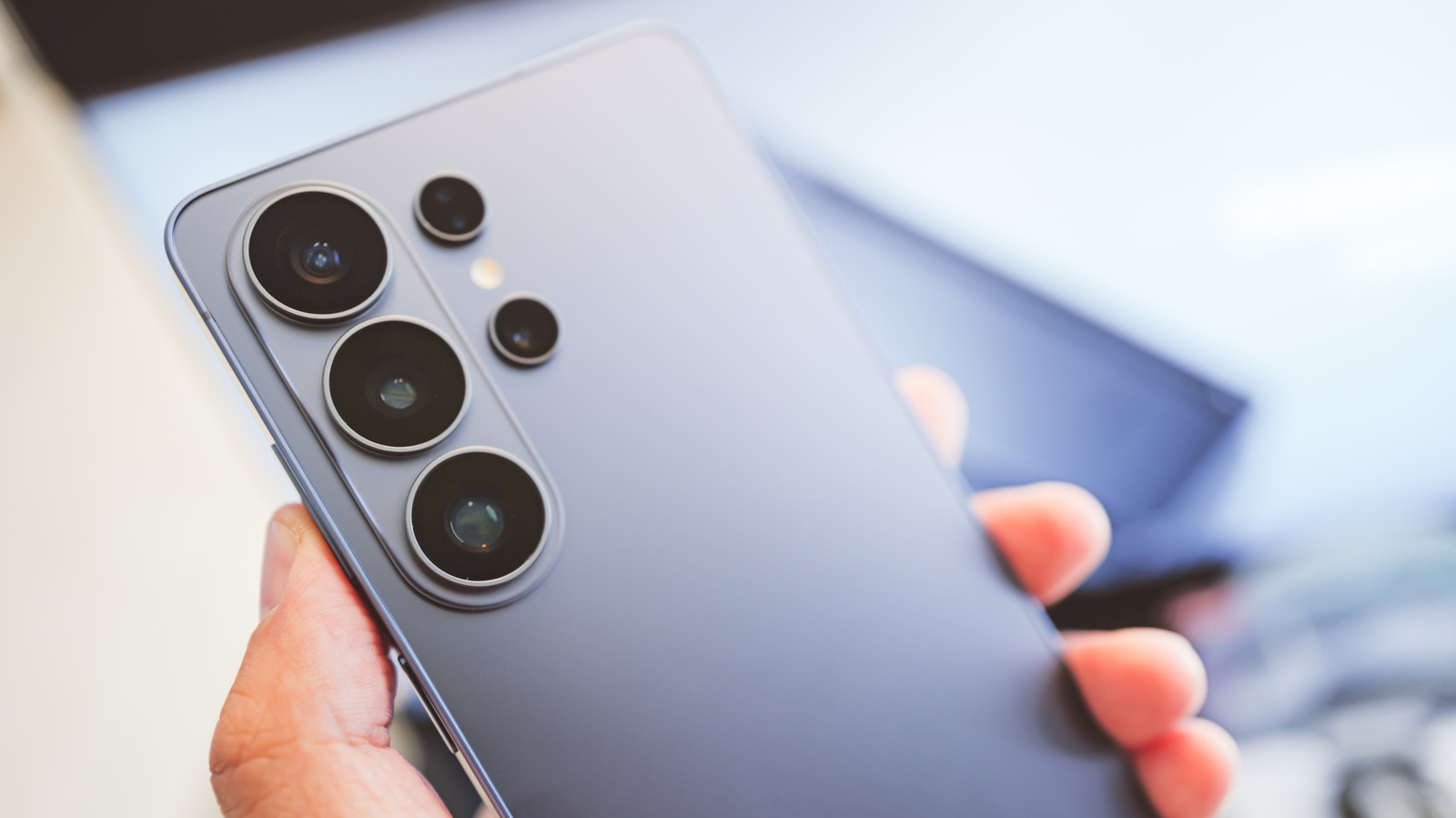
In previous years, the base iPhone was often the "two-camera" sibling that missed out on the high-resolution fun. That changes with the iPhone 17 48MP ultrawide camera. By moving away from the old 12-megapixel sensor, Apple has finally achieved Color consistency across its lenses.
The main sensor is the Sony IMX904, while the ultrawide now utilizes the IMX972. This parity in resolution means that when you zoom from 0.5x to 1x, the color profile, noise levels, and detail remains virtually identical. One of the most practical upgrades is the iPhone 17 48MP ultrawide camera performance vs iPhone 16 in low light. The larger sensor and improved optics allow for a true Macro photography mode on the base model, letting you get within centimeters of a subject for stunning detail that was previously a Pro-only perk.
| Feature | iPhone 17 Standard | iPhone 17 Air | iPhone 17 Pro | iPhone 17 Pro Max |
|---|---|---|---|---|
| Price | $799 | $999 | $1,099 | $1,199 |
| Display | 6.1" 120Hz LTPO | 6.6" 120Hz LTPO | 6.3" 120Hz LTPO | 6.9" 120Hz LTPO |
| Cooling | Graphite Sheets | Graphite Sheets | Vapor Chamber | Vapor Chamber |
| Selfie Cam | 18MP (IMX914) | 18MP (IMX914) | 18MP (IMX914) | 18MP (IMX914) |
| Weight | 175g | 155g | 199g | 221g |
We also have to talk about the "wild card" in the camera system: the new 18-megapixel front-facing sensor (Sony IMX914). Apple has moved to a unique 24mm equivalent lens with a larger physical footprint, resulting in better natural bokeh for selfies. It also handles group shots much better, with less distortion at the edges. For those asking is the iPhone 17 256GB base storage enough for photography, the answer is yes, though keep in mind that shooting in 48MP HEIF Max or ProRAW will eat through that space faster than standard 12MP shots.

A19 Performance and the Thermal Divide
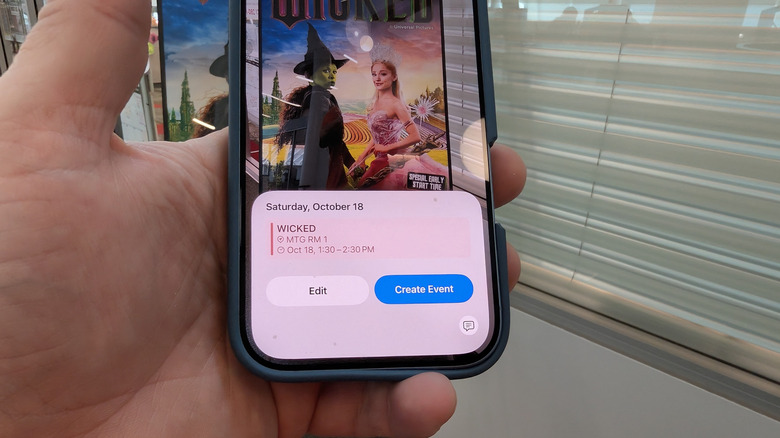
Powering the entire experience is the A19 Bionic chip. While the Pro models get a "Pro" variant of the chip with more GPU cores, the standard A19 is no slouch. In our Geekbench 6 testing, the iPhone 17 delivered a single-core score of 3,429 and a multi-core score of 9,011. This puts it ahead of most high-end Android flagships and ensures that Apple Intelligence features, like automated calendar scheduling and local LLM processing, run without a hitch.
However, there is a clear distinction in how the models handle heat. The Pro models utilize Vapor chamber cooling, which allows them to maintain peak performance for much longer during intensive gaming sessions or 4K video editing. The standard iPhone 17 relies on high-conductive graphite sheets. While this is fine for daily tasks and moderate gaming, you might notice some thermal throttling if you are playing AAA titles for more than thirty minutes.
Early adopters should also be aware of some common Liquid Glass interface bugs on iPhone 17. In the initial iOS 26 builds, I noticed occasional "ghosting" where the translucent elements of the UI didn't refresh as quickly as the 120Hz display, creating a slight visual trail. Apple is already rolling out patches for this, but it’s a reminder that new interface paradigms often come with teething issues.
On the connectivity front, the inclusion of Wi-Fi 7 connectivity and the N1 chip is a massive win for future-proofing. The N1 chip, in particular, improves smart home networking by acting as a more efficient thread border router, making your interactions with HomeKit devices faster and more reliable.
FAQ
Is the iPhone 17 worth buying?
The iPhone 17 is arguably the most worthwhile upgrade in several years for those on an iPhone 13 or older. By bringing 120Hz ProMotion and a 48MP ultrawide camera to the base model, Apple has removed the biggest reasons to spend the extra $300 on a Pro model. It represents a significant jump in display quality and camera versatility for the standard $799 price point.
How does the iPhone 17 compare to the iPhone 16?
The jump from the 16 to the 17 is substantial. While the 16 was a refined version of the previous design, the 17 introduces a 120Hz refresh rate across the board, which makes the phone feel twice as fast in daily use. Additionally, the move to a 48MP ultrawide sensor and an 18MP selfie camera provides a much higher ceiling for mobile photography compared to the 16’s older sensor array.
What are the camera specifications for the iPhone 17?
The iPhone 17 features a dual-camera system on the rear, consisting of a 48-megapixel main sensor (Sony IMX904) and a 48-megapixel ultrawide sensor (Sony IMX972) that supports macro photography. On the front, it has been upgraded to an 18-megapixel sensor (Sony IMX914) with improved low-light performance and better dynamic range for portrait selfies.
What battery life can be expected from the iPhone 17?
Apple has rated the iPhone 17 for up to 30 hours of video playback. In real-world usage, this typically translates to a full day of heavy use with about 20-30% remaining by bedtime. The LTPO technology in the new display helps significantly by scaling down the refresh rate during low-intensity tasks, which offsets the power draw of the faster A19 Bionic chip.
Are there any major upgrades in the iPhone 17?
The major upgrades include the 120Hz ProMotion display, the 48MP ultrawide camera, the A19 Bionic chip, and the new 256GB base storage capacity. Beyond hardware, the iPhone 17 is built to support the next generation of Apple Intelligence and features the ultra-slim design philosophy seen in the iPhone 17 'Air' model, which is rumored to be approximately 5.5mm thick.