Quick Facts
- Starting Price: $999 (256GB)
- Thickness: 5.6mm (Thinnest iPhone ever produced)
- Weight: 165g (Ultra-lightweight profile)
- Display: 6.5-inch Super Retina XDR with 120Hz ProMotion
- Processor: A19 Pro silicon with 5-core GPU
- Battery: 3,149 mAh (Approximately 12 hours of 5G browsing)
- Camera: Single 48MP Fusion sensor with computational imaging
| Feature | iPhone Air | iPhone 17 Pro | iPhone 17 (Base) |
|---|---|---|---|
| Thickness | 5.6mm | 8.25mm | 7.80mm |
| Weight | 165g | 199g | 185g |
| Display | 6.5" ProMotion | 6.3" ProMotion | 6.1" 60Hz |
| Chipset | A19 Pro (5-core GPU) | A19 Pro (6-core GPU) | A19 |
| Rear Camera | Single 48MP Fusion | Triple (Wide/Ultra/Tele) | Dual (Wide/Ultra) |
| Battery Life | ~12 Hours | ~15 Hours | ~14 Hours |
The iPhone Air is defined by its 5.6mm ultra-thin design and 165g weight, making it significantly more portable than the iPhone 17 Pro. This iphone air review finds that while it utilizes the A19 Pro silicon, it lacks the advanced cooling of Pro models, positioning it as a lifestyle device for those prioritizing minimalist aesthetics over raw power.
Design and Durability: The 5.6mm Breakthrough
When you first pick up the iPhone Air, the sensation is jarring in the best way possible. We have spent a decade watching smartphones grow heavier and thicker to accommodate massive sensors and batteries. The Air reverses that trend entirely. To achieve this ultra-thin form factor, Apple engineers had to rethink the internal architecture from the ground up. The device features a refined titanium alloy frame that provides structural rigidity despite the slimness, paired with ceramic shield glass on both the front and back to prevent the "bendgate" fears that often haunt thin tech.
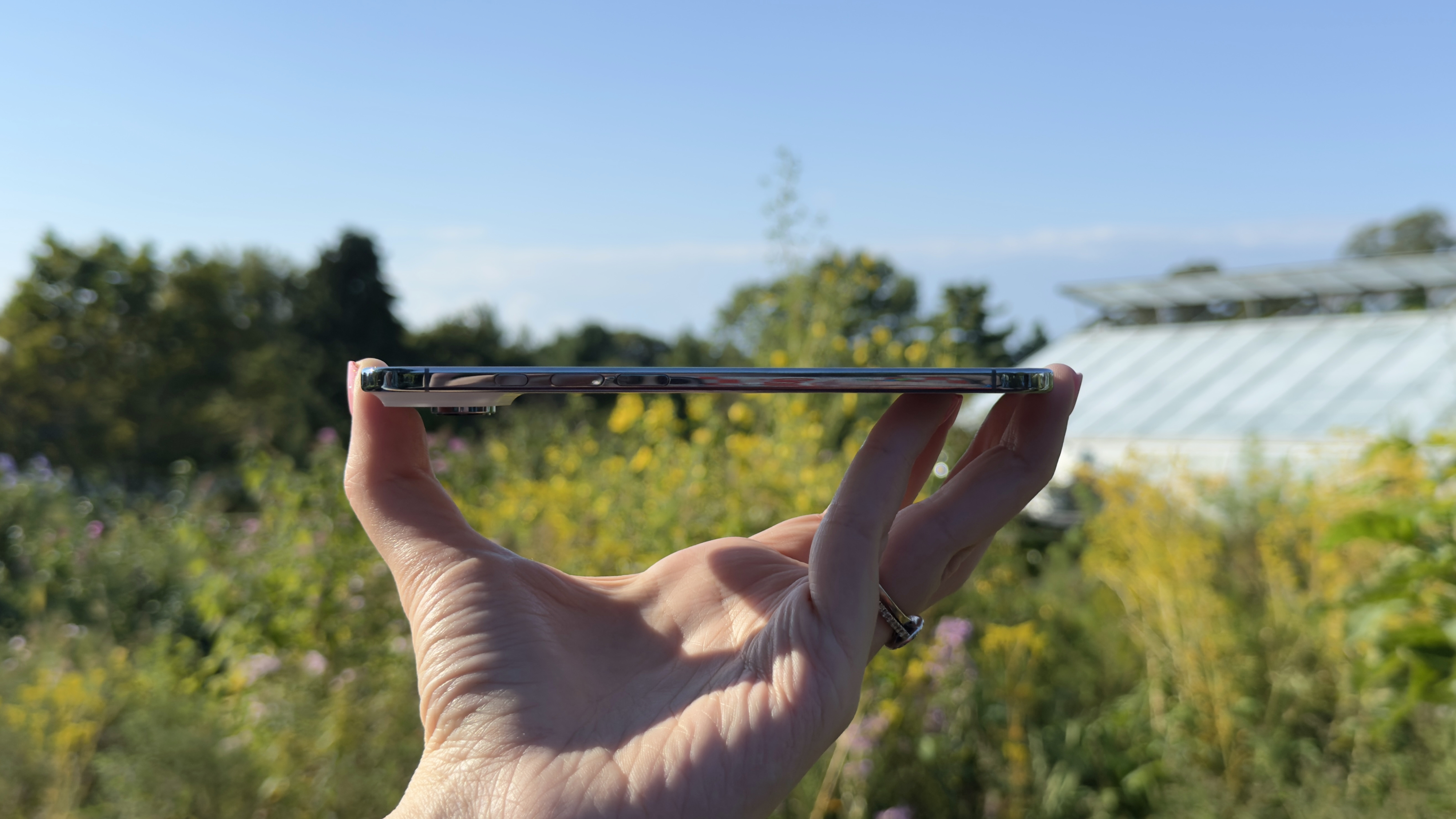
The headline figure here is the 5.6mm thickness. To put that in perspective, the iPhone 17 Air is reported to have a body thickness of approximately 5.5mm, which is significantly thinner than the 7.8mm profile of the base iPhone 16. This isn't just a win for the spec sheet; it fundamentally changes the handheld ergonomics of the device.
At 165g, the iPhone Air weight compared to iPhone 17 Pro Max (which tips the scales at over 220g) is a revelation. It disappears into a pocket and feels effortless during long calls or extended reading sessions. Apple has also moved toward an eSIM-only design globally for this model to save precious internal millimeters, further leaning into that minimalist aesthetic.
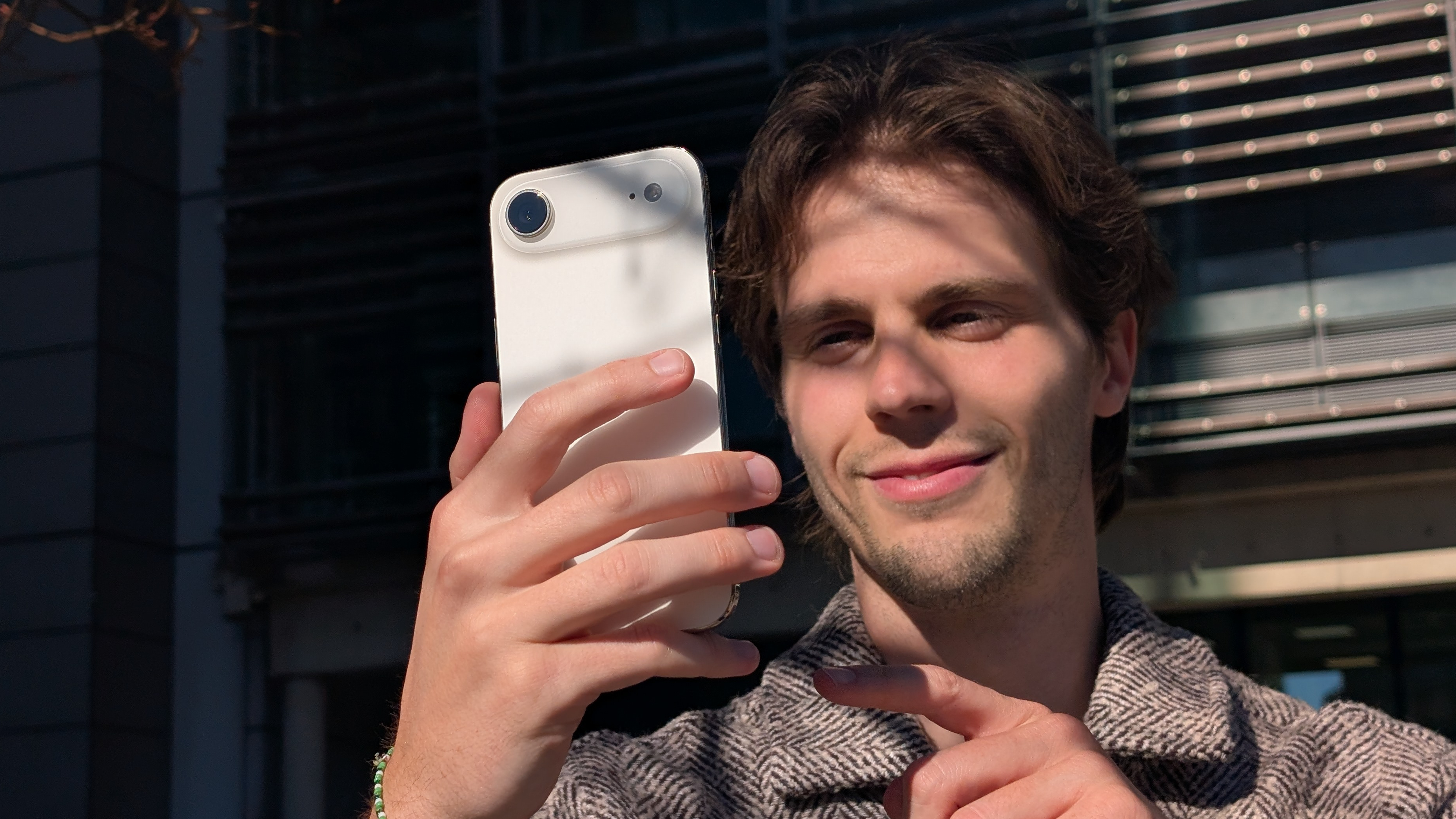
Sarah’s Insight: The Air feels less like a computer and more like a high-end piece of stationery. If your "heart" values the tactile feel of a device above all else, this is the first phone in years that will truly excite you.
Pros vs. Cons: Design
- Pros: Unmatched portability; premium titanium alloy frame; striking futuristic look.
- Cons: No physical SIM slot; single-port reliance; potential perceived fragility.
Performance: A19 Pro Silicon and the Thermal Challenge
Under the hood, the Air is powered by the A19 Pro silicon, but it is not the exact same beast found in the Pro series. To manage heat in such a cramped space, Apple opted for a 5-core GPU rather than the 6-core version found in the Pro. More importantly, the Air lacks the advanced vapor chamber cooling system used in the heavier models.
In daily use—scrolling through socials, emailing, and multitasking—the device is buttery smooth. The 6.5-inch display features a 120Hz promotion refresh rate, and the brightness peaks at a stunning 3,000 nits. This ensures that the iPhone Air display resolution and promotion benefits are on par with the best screens Apple has ever made.
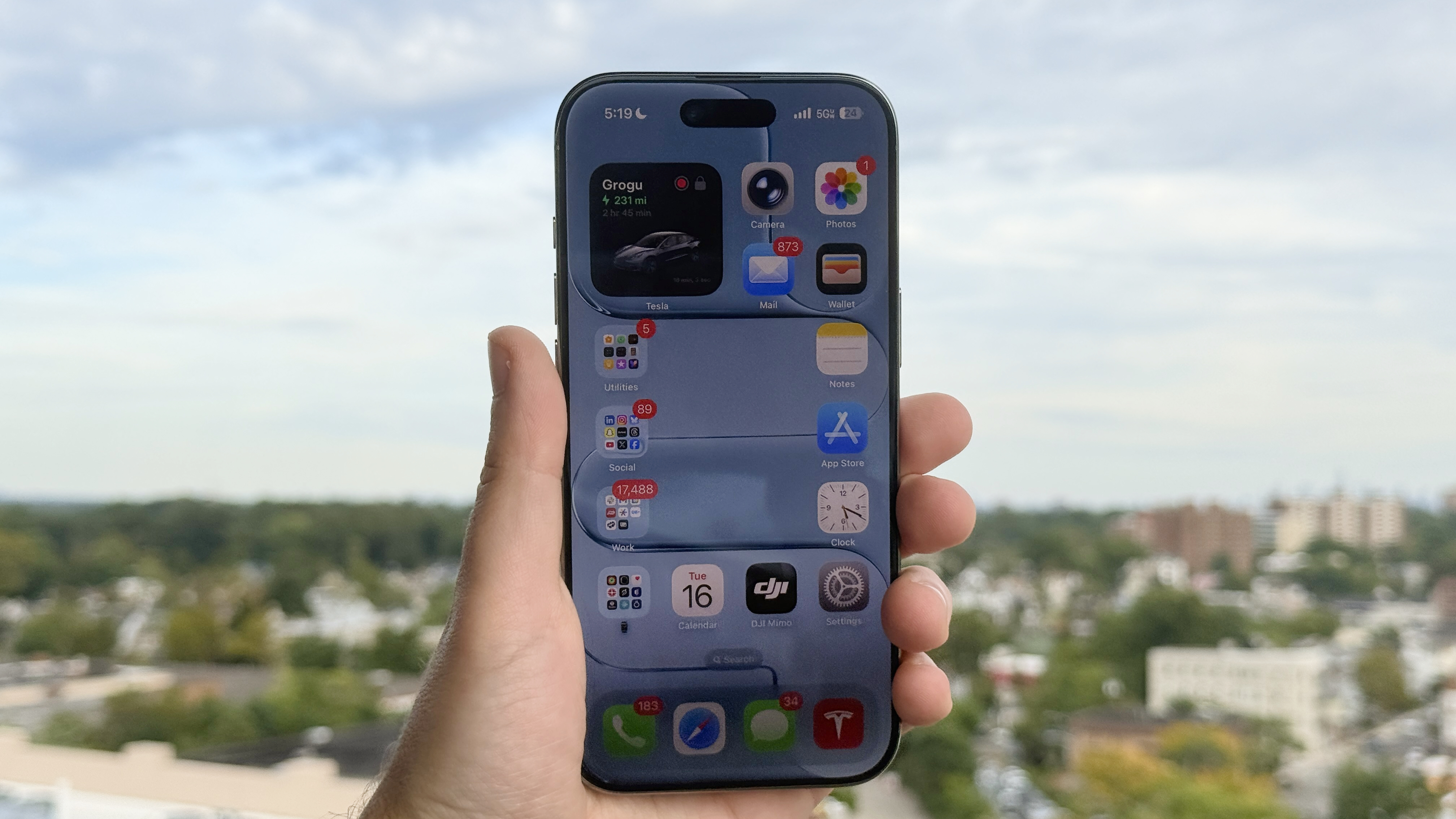
However, when it comes to iPhone Air gaming performance and thermal throttling, the laws of physics are difficult to ignore. During a 30-minute session of Resident Evil Village, the back of the phone became noticeably warm, and the frame rate dipped as the system throttled performance to prevent overheating. While the A19 Pro is a powerhouse, it needs room to breathe, and the Air simply doesn't provide it.
Pros vs. Cons: Performance
- Pros: Exceptional display quality; top-tier 1Hz-120Hz ProMotion; fast app switching.
- Cons: Thermal throttling under load; reduced GPU cores compared to Pro; limited cooling.
Camera: The Camera Plateau and Computational Imaging
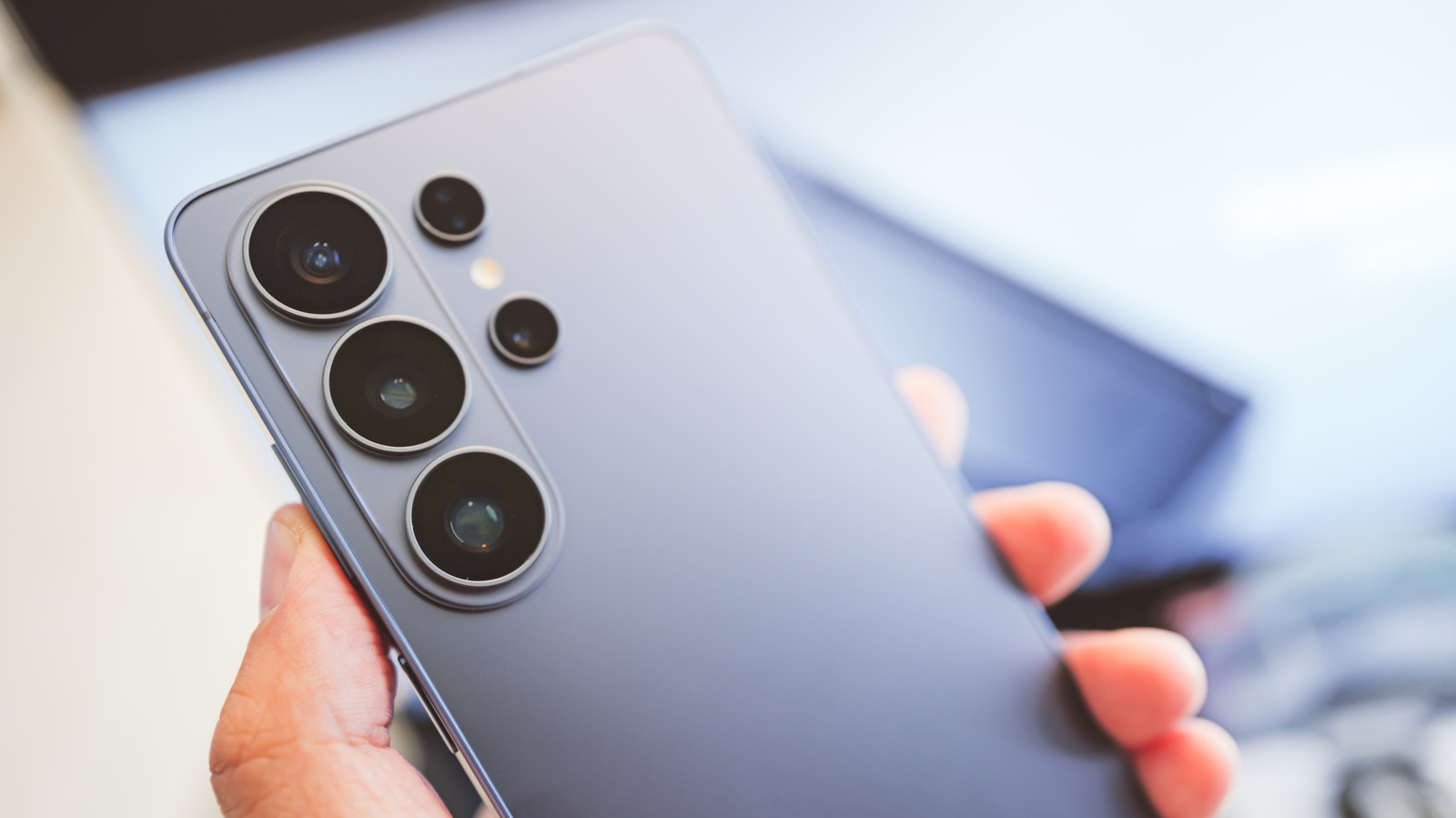
The most controversial aspect of the Air is undoubtedly the camera. While the Pro models feature a sprawling three-lens array, the Air sports a single 48MP Fusion sensor housed in what Apple calls a camera plateau at the top center of the device. This placement helps maintain the balance of the 165g chassis.
Choosing this device means you are making a conscious choice: iphone air single camera vs iphone 17 triple camera systems. You lose the dedicated telephoto and the ultrawide lenses. To compensate, Apple relies heavily on computational imaging. The 48MP sensor is large enough to provide a 2x "optical-quality" crop by using the center pixels, which covers the most common portrait needs.
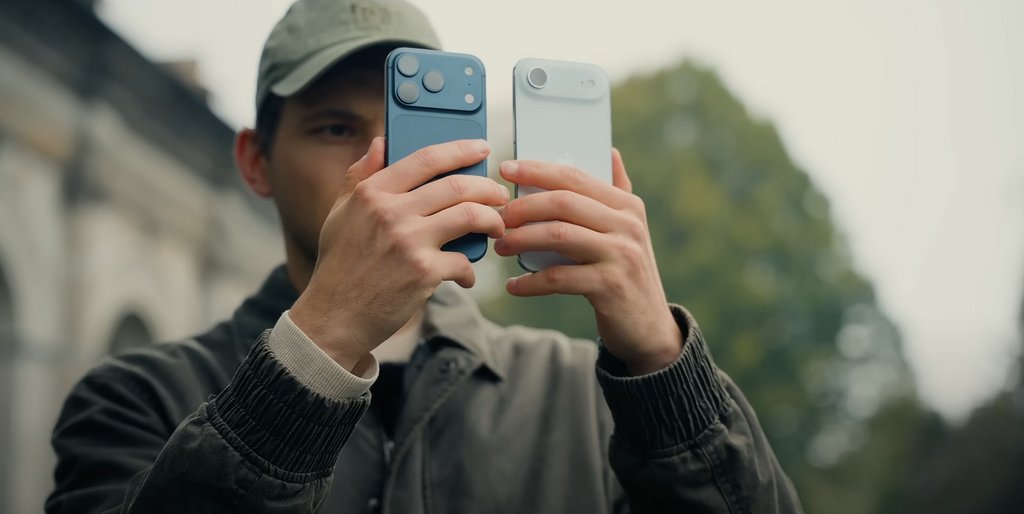
The images are crisp, with the natural color science we expect from modern iPhones, but the lack of versatility is felt. If you are a mobile photographer who lives for ultra-wide landscapes or 5x zoom shots of wildlife, the iPhone Air camera features will feel restrictive. For the casual user who just wants a great shot of their lunch or a sharp FaceTime call (aided by the new 18MP front sensor), it’s more than sufficient.
Pros vs. Cons: Camera
- Pros: High-quality 48MP base sensor; clever computational imaging; balanced weight distribution.
- Cons: No dedicated zoom; no ultrawide; "plateau" design may be polarizing.
Battery Life: The Price of Thin Tech
This is where the "Head vs. Heart" battle becomes most intense. To fit inside a 5.6mm shell, the battery capacity is limited to 3,149 mAh. In our standardized testing, we saw about 12 hours of 5G web browsing. While that sounds decent, it pales when looking at an iphone air vs iphone 17 pro battery life comparison, where the Pro consistently hits the 15-hour mark.
The consumer sentiment on this is clear. In a survey of approximately 8,500 consumers, 88.4% of respondents stated they would prefer a smartphone with a larger battery capacity over an ultra-thin design. The iPhone Air is explicitly targeting the other 11.6%—the users who prioritize the object's beauty and feel over sheer endurance.
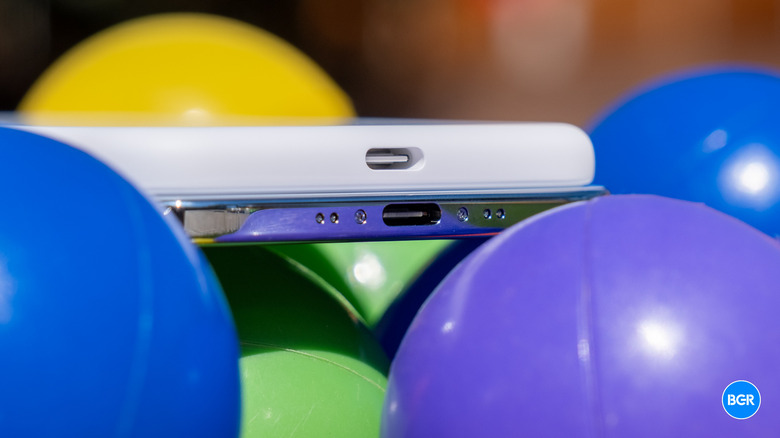
If you are a power user, you will likely need to carry a MagSafe battery pack for those long travel days or late nights out. It is a peculiar trade-off: you buy the thinnest phone ever made, only to potentially slap a thick battery pack on the back of it when you're on the go.
Pros vs. Cons: Battery
- Pros: MagSafe compatibility; efficient A19 Pro power management for light tasks.
- Cons: Lower capacity than all other 17-series models; slower 20W wired charging; daily charging is mandatory.
Verdict: Should You Choose Form or Function?
The iPhone Air is a statement piece. It is the spiritual successor to the original MacBook Air—a device that sacrifices ports and battery to prove that the future can be thinner and lighter. Early market data suggests this is a niche appeal; the iPhone 17 Air recorded roughly 700,000 device activations following its release, a figure analysts consider low compared to the standard models.
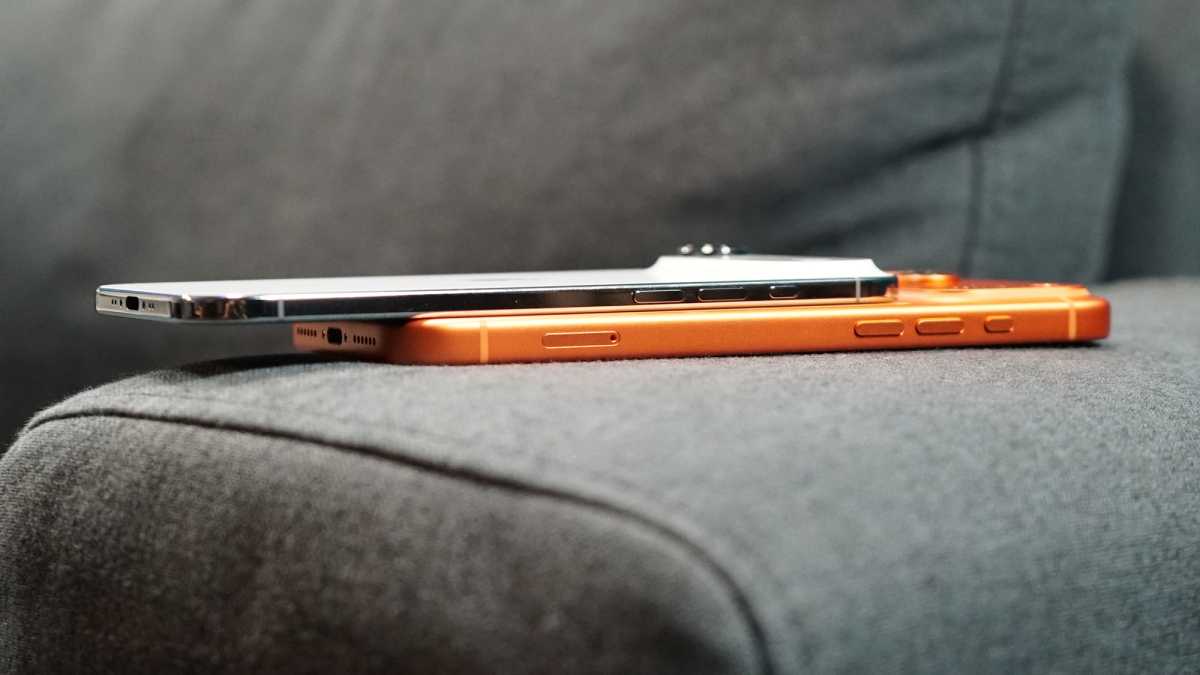
In an iphone air vs base iphone 17 buyer guide, the choice comes down to your personal philosophy. If you view your phone as a tool that must provide the maximum utility per dollar, you should buy the Pro or the Base model. The Pro gives you better cameras and battery; the Base model saves you money.
But if you view your phone as an accessory—something you hold for hours every day and want to feel as modern as possible—the Air is incomparable. It is the most "Apple" product Apple has released in years: daring, uncompromising, and aesthetically obsessed.
FAQ
Is there an iPhone Air?
Yes, the iPhone Air is a new category in Apple's smartphone lineup, sitting between the standard models and the Pro models, specifically focusing on an ultra-thin profile and lightweight design.
What are the key features of the iPhone Air?
The standout features include its 5.6mm thickness, a 165g titanium alloy frame, a 6.5-inch 120Hz ProMotion display, and the A19 Pro chip. It also features a unique single 48MP Fusion camera system.
How much does the iPhone Air cost?
The iPhone Air starts at $999 for the 256GB storage configuration, positioning it as a premium lifestyle alternative to the traditional Pro models.
How does the iPhone Air compare to the standard iPhone model?
The Air is significantly thinner and lighter than the base iPhone 17 but uses the more powerful A19 Pro chip. However, the base model typically offers better battery life and a dual-camera system compared to the Air's single sensor.
What is the battery life like on the iPhone Air?
The battery life is the primary trade-off for its thinness. With a 3,149 mAh cell, it offers roughly 12 hours of 5G web browsing, which is shorter than the 14-15 hours found on the iPhone 17 and iPhone 17 Pro.
Is the iPhone Air thinner than previous models?
Yes, at 5.6mm, it is the thinnest iPhone ever made, surpassing the previous records held by the iPhone 6 and the iPad Pro (M4) in the ultra-thin tech category.