Quick Facts
- Value Retention: iPhones typically retain 60% to 70% of their original purchase price after two years, outperforming the majority of the consumer electronics market.
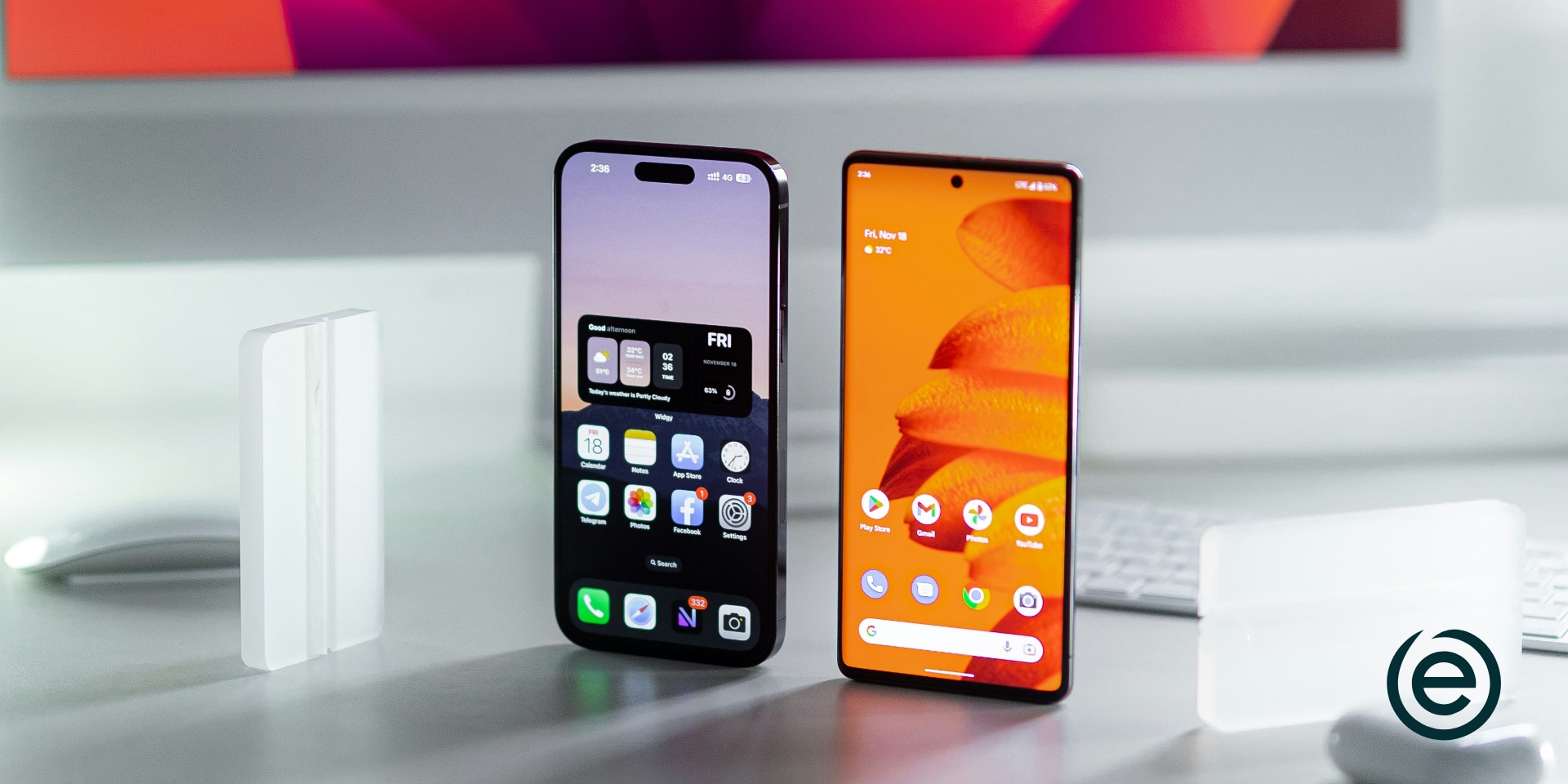
- First-Year Comparison: On average, a new iPhone loses only 16.7% of its value in the first twelve months, while Android flagships often see a drop of over 33%.
- Software Longevity: Apple provides five to seven years of iOS updates, ensuring the device remains functional and secure for second and third owners.
- Global Liquidity: High market demand for refurbished Apple products means you can sell an iPhone in almost any major city within hours.
- Total Cost of Ownership: Despite a higher initial price, the high trade-in credit available for iPhones often results in a lower net expenditure over the life of the device.
iPhones maintain a high iPhone resale value due to extended software cycles and hardware durability, significantly reducing the smartphone total cost of ownership compared to Android devices which depreciate twice as fast. This financial reality makes the iPhone a more pragmatic long-term investment for users who prioritize residual value and lower net costs over several upgrade cycles.
The Thief Test: Why Even Criminals Prefer iPhone
When looking at the liquidity of an asset, sometimes the most telling data comes from the most unconventional sources. In major metropolitan areas like London, police statistics have historically shown a disproportionate number of stolen smartphones are iPhones. While this is an unfortunate reality for owners, it serves as a powerful indicator of market demand. Criminals, much like savvy traders, look for assets that are easy to move and hold a high resale floor.
The reason an iPhone is considered a liquid asset in the second-hand marketplace is its universal appeal. Unlike many Android devices that may be tied to specific regions or suffer from rapid brand dilution, the iPhone remains the gold standard for global consumer electronics liquidity. Even a locked or older model has a "security floor" because its premium parts—like the display and camera modules—carry significant value. When you buy an iPhone, you aren't just buying a phone; you are buying into a global ecosystem where the hardware remains a high-demand commodity long after the original plastic wrap is removed.
The Math: Explaining Smartphone Total Cost of Ownership
To truly understand why the iPhone is a smarter purchase, we have to look past the sticker price. Most consumers focus on the initial $1,000 to $1,200 layout, but the "smart investor" perspective focuses on the smartphone total cost of ownership. This calculation subtracts the final trade-in credit from the initial purchase price, then divides it by the months of use.
Consider a scenario where you purchase a flagship premium device. If you spend $1,100 on an iPhone and sell it two years later for $650, your net expenditure was $450. If you spend $800 on a competing Android device that only fetches $200 after two years, your net expenditure was $600. Despite the Android phone having a lower sticker price, it actually cost you $150 more to own over that two-year period.
The depreciation curve for these devices is starkly different. Data suggests that the iPhone vs Android depreciation rates comparison favors Apple across almost every price bracket.
| Timeline | iPhone Value Retention | Android Value Retention (Avg) |
|---|---|---|
| 1 Year | 83.30% | 66.38% |
| 2 Years | 65% | 30% |
| 4 Years | 33.57% | 18.89% |
According to trade-in data from BankMyCell, the average value of a new iPhone declines by 16.70% in its first year, whereas Android smartphones lose an average of 33.62% of their value in the same period. Furthermore, after four years, iPhones lose an average of 66.43% of their initial buyback value, compared to an 81.11% loss for flagship Android smartphones.
Why iPhones Hold Value: The Software and Hardware Advantage
The primary driver of iPhone resale value is Apple’s unmatched software lifecycle. While the Android ecosystem has made strides in recent years, Apple still leads the pack by supporting devices for five to seven years with the latest iOS software updates. When a buyer looks for a used device, they want to know it won't be obsolete in twelve months. Because an iPhone 13 or 14 still runs the same core software as the iPhone 16, the older models remain relevant and functional for a much longer window.
Hardware durability also plays a massive role. Apple’s control over its supply chain ensures that replacement parts are widely available, and the build quality—using surgical-grade stainless steel or aerospace-grade aluminum—helps the device withstand the wear and tear of daily use. In the world of professional refurbishing, grading stability is key. A "Grade B" iPhone often retains more structural integrity and aesthetic appeal than a "Grade A" device from a lesser-known brand.
Choosing the best iphone for high resale value usually means looking at the Pro models. These devices feature superior screen technology and camera arrays that take longer to feel "dated." Even as new models launch, the gap between a two-year-old Pro model and a brand-new entry-level phone is often negligible to the average consumer, keeping the demand for used Pro models exceptionally high.
Actionable Tips to Maximize Your iPhone Trade-In Value
To ensure you get the highest possible trade-in credit when it's time to upgrade, you need a maintenance strategy. It is not just about keeping the screen crack-free; it is about managing the internal health of the device.
The 20/80 Battery Rule
The effect of battery health on iphone resale price is one of the most significant factors in professional grading. A device with 95% battery health will command a much higher price than one at 82%. To preserve this, try to keep your battery charge between 20% and 80%. Avoid leaving your phone plugged in overnight if you can, and try to keep it out of extreme heat, which is the number one killer of lithium-ion longevity.
Strategic Timing for Sales
The upgrade cycle is predictable. Every September, Apple releases new hardware, causing a temporary dip in the value of previous generations. To maximize your return, consider selling your current device about four weeks before the keynote. If you have a backup phone to use for a month, you can often capture an extra $50 to $100 in value before the market becomes saturated with used units.
Invest in Professional Repairs
If you have a cracked screen or a degraded battery, it is often worth the investment to get an official repair before selling. Buyers in the second-hand marketplace are wary of "parts only" or "broken" listings. An official receipt from an Apple Store for a fresh battery or screen can significantly improve buyer confidence, often returning more than the cost of the repair itself in the final sale price.
Storage Capacity and Model Choice
While higher storage capacity does increase the initial price, it doesn't always scale linearly in the resale market. Often, the mid-tier storage option (e.g., 256GB) offers the best balance of initial cost and resale demand. Extreme high-capacity models (like 1TB) often see the steepest depreciation because the pool of buyers willing to pay the premium for that much space is smaller.
FAQ
How much value does an iPhone lose per year?
On average, an iPhone loses about 15% to 20% of its value in the first year. In subsequent years, the depreciation rate slows down, usually averaging around 10% to 15% per year until the device is about five years old, at which point it reaches a value floor based on its utility as a budget or "first phone" for children.
Which iPhone model holds its value best?
The Pro and Pro Max models generally hold their value better than the standard or "Plus" models. This is because they feature more advanced camera systems and displays that stay competitive with newer releases for a longer period. Among colors, neutral options like Silver, Space Black, or Titanium tend to have a broader appeal and slightly higher resale speed than seasonal "trend" colors.
How much is an iPhone worth after two years?
Based on industry reports, iPhones typically retain approximately 65% of their original resale value after two years of use. This is significantly higher than the 30% retention rate seen in many Android competitors. For a phone that originally cost $1,000, you can reasonably expect a trade-in or resale value of $600 to $650 if the condition is excellent.
Does higher storage capacity increase iPhone resale value?
Yes, but the return on investment diminishes as you go higher. A 256GB model will sell for more than a 128GB model, but the price difference on the used market is often only half of what the original price difference was at retail. For the best resale logic, the base or mid-tier storage options are usually the most cost-effective.
How do I maximize my iPhone trade-in value?
To maximize your value, keep the device in a protective case and use a screen protector from day one. Maintain your battery health by following the 20/80 charging rule. Keep the original box and accessories if possible, as "Full Box" listings often attract higher bids. Finally, time your sale to occur just before the announcement of the next generation to avoid the post-launch price drop.