Our Top Picks
Status: Non-commercial prototype known as Project Crystal. Innovation: Massive 17.3-inch Micro-LED display featuring 55% transparency. Input: Integrated haptic touch deck that replaces the physical keyboard with a digital surface. Verdict: A visionary step into spatial computing and augmented reality, though mass production remains several years away due to technical hurdles.
The Lenovo ThinkBook Transparent Display Laptop, also known as Project Crystal, is a 17.3-inch Micro-LED concept device that redefines mobile computing. It is currently a non-commercial prototype showcasing 55% transparency and 1,000 nits brightness, signaling a major shift in how we interact with digital and physical environments.
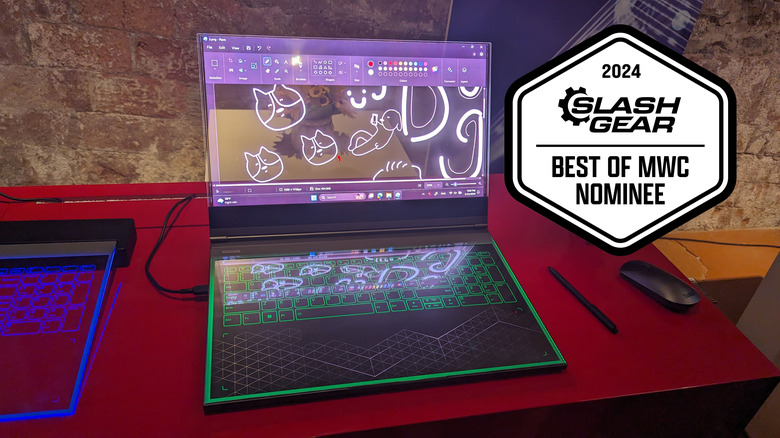
As someone who spends most of my time dissecting the latest silicon and chassis refinements, it is rare to see a piece of hardware that truly feels like it was plucked from a sci-fi set. Unveiled at MWC 2024, the lenovo transparent laptop is a proof-of-concept device utilizing Micro-LED technology to create a see-through glass chassis for augmented reality workflows. It isn't just about the aesthetics; it is an exploration of spatial computing where the boundary between your screen and your surroundings effectively disappears.
The Micro-LED Edge: Display Tech Explained
The centerpiece of this machine is undoubtedly the panel. While we have seen transparent OLEDs in the past—mostly in signage or high-end televisions—Lenovo opted for Micro-LED transparent display technology for a very specific reason: brightness. Transparency is a double-edged sword; if the screen isn't bright enough, the image gets lost against the background.
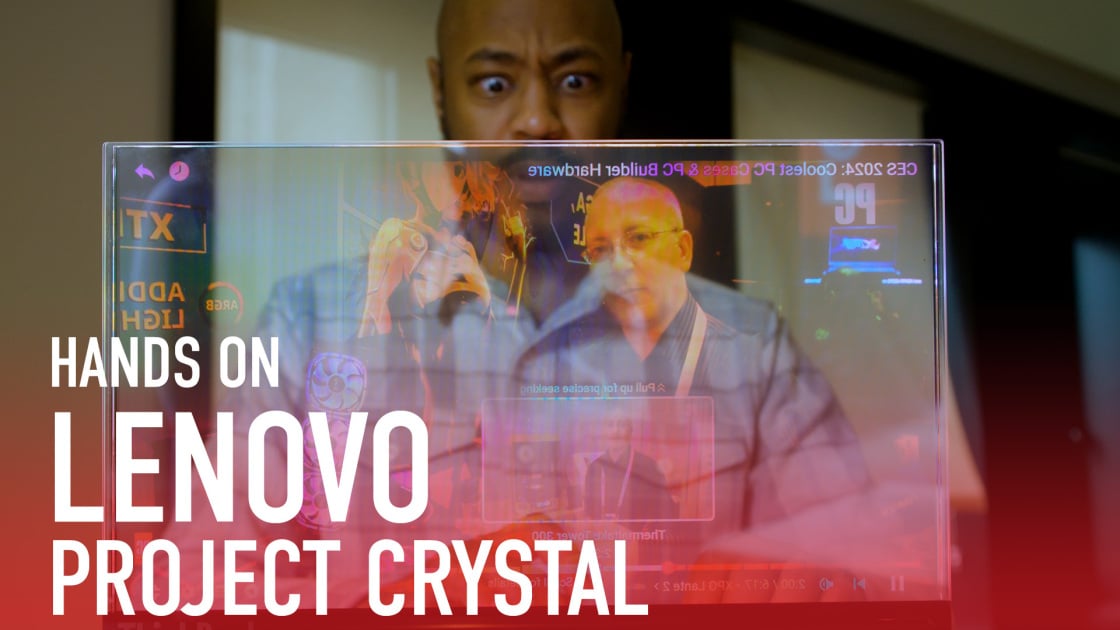
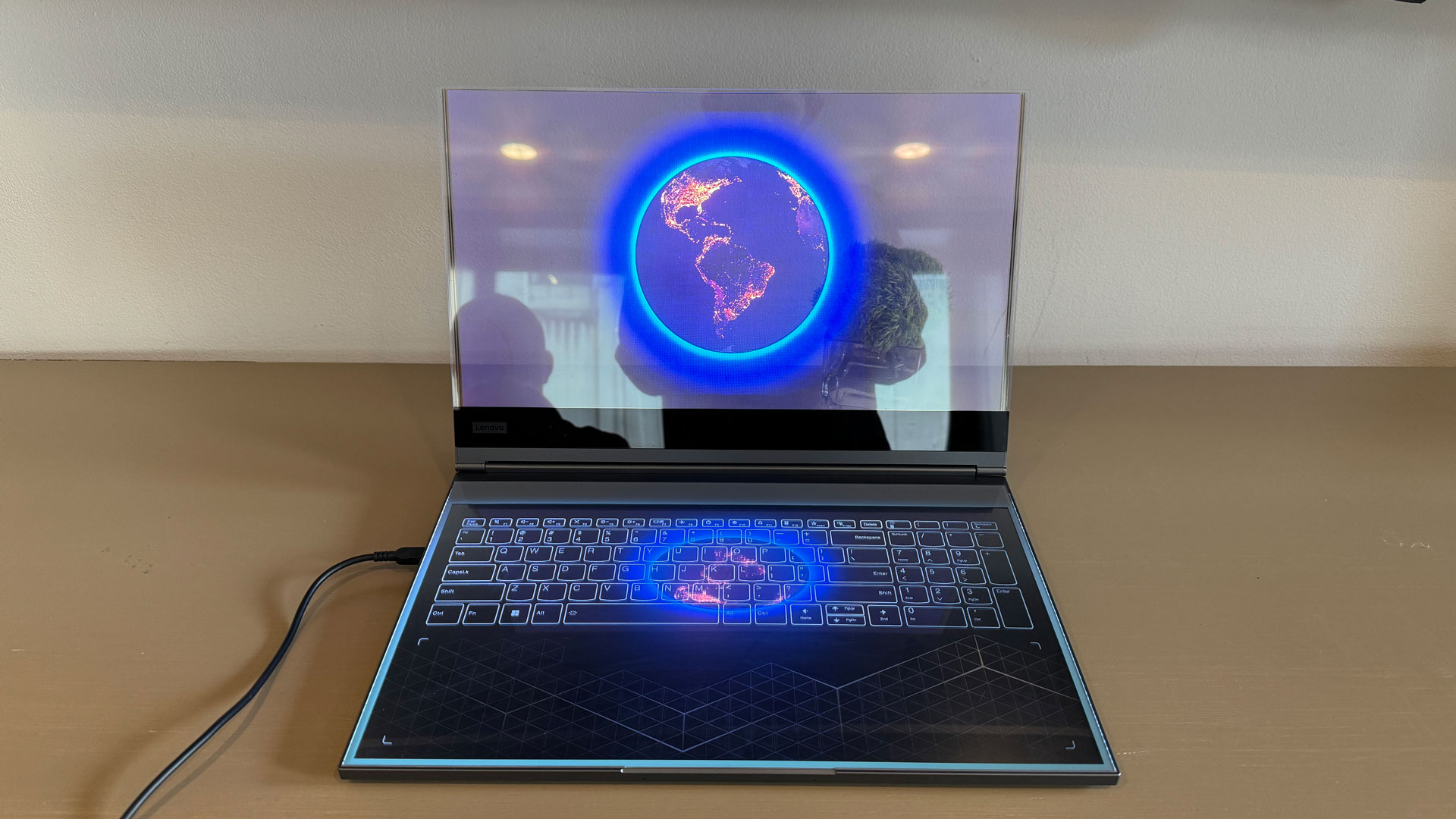
The lenovo transparent laptop features a 17.3-inch Micro-LED display that offers up to 55% transparency when pixels are set to black and deactivated. This is a massive leap over transparent OLED panels, which often struggle with visibility in well-lit environments. When you are comparing transparent displays vs oled for laptops, Micro-LED wins on raw output. This specific display is capable of reaching a nominal brightness of 1,000 nits and a peak brightness of up to 3,000 nits.
From a technical standpoint, micro-led transparent display technology explained simply involves tiny LEDs that emit their own light, allowing for a bezel-less panel that doesn't require a traditional backlight. This allows the panel to remain less than 4 millimeters thick. However, because this is a prototype, there is a trade-off. Current Micro-LED manufacturing at this scale results in a lower resolution—roughly 720p—compared to the 4K OLED panels we see on the market today.
| Feature | Project Crystal (Micro-LED Prototype) | High-End Laptop (Typical OLED) |
|---|---|---|
| Panel Size | 17.3-inch | 14-16 inch |
| Transparency | 55% (when pixels are off) | 0% (Fully Opaque) |
| Peak Brightness | 3,000 nits | 400-600 nits |
| Resolution | 720p (Targeting higher for retail) | 2.8K to 4K |
| Chassis Material | Transparent Glass | Aluminum / Carbon Fiber |
From Typing to Sketching: The Haptic Touch Deck
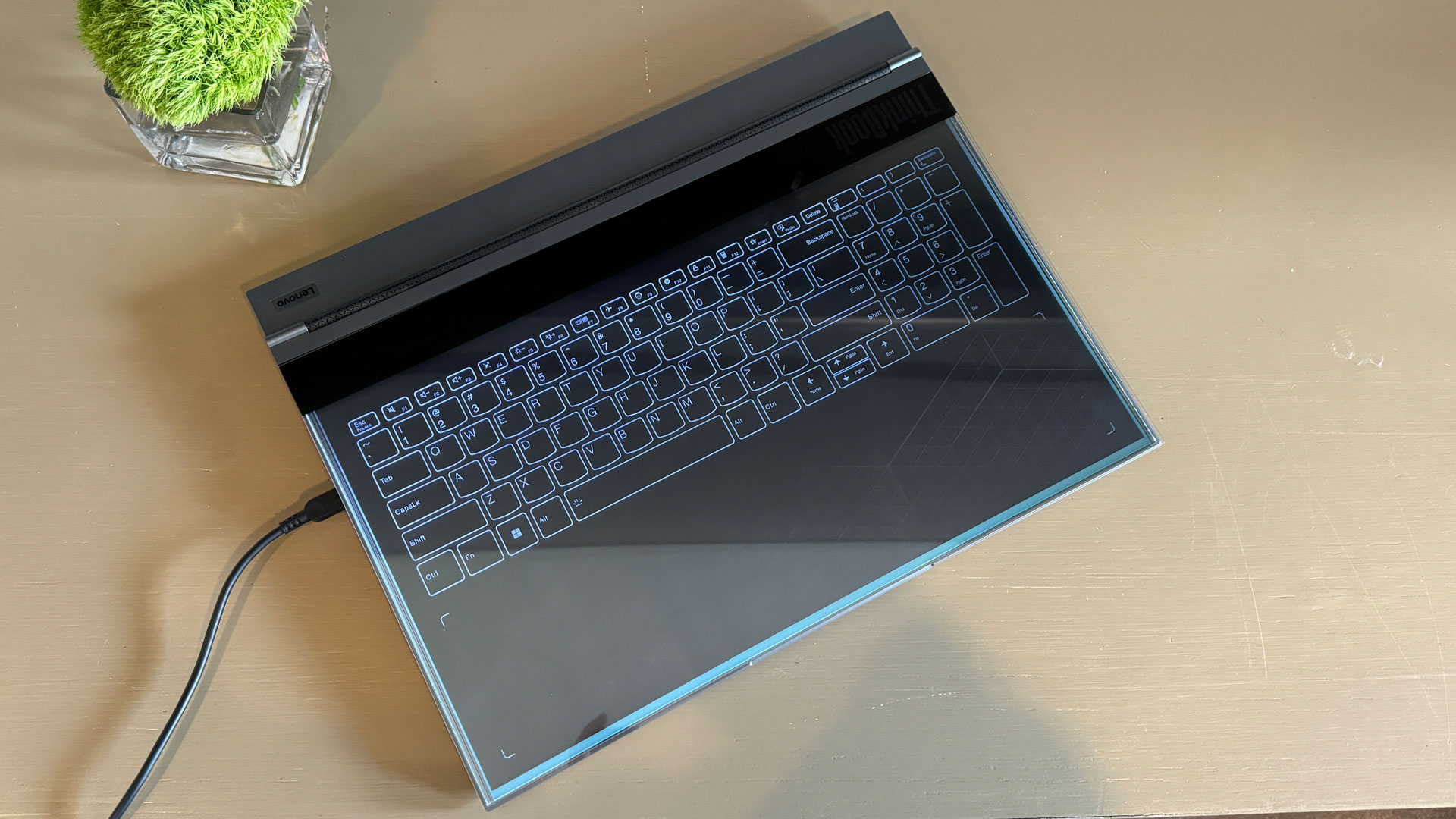
One of the most radical departures from standard design is the replacement of the keyboard. This proof-of-concept device replaces the traditional physical keyboard with a flat, touch-enabled glass surface that functions as both a virtual keyboard and a digital drawing board.
This haptic touch deck is where the creative workflow transparent notebooks vision really comes to life. When you need to type, a set of laser-etched, glowing keys appear on the surface. When you bring an active stylus near the deck, the keys fade away, turning the entire bottom half of the laptop into a massive digital illustration surface. For artists and designers, this creates a seamless transition between traditional computing and creative tablet work.
However, from a practical standpoint, the lenovo transparent notebook drawing board functionality still faces the "glass slab" problem. Without physical key travel, typing long documents is a challenge for muscle memory. Lenovo has integrated haptic feedback to simulate the click of a key, but it is a far cry from the tactile satisfaction of a ThinkPad keyboard. As a professional, I see this as a specialized tool rather than a general-purpose laptop.
Augmented Reality and Spatial Computing Integration
The real "why" behind this device isn't just looking cool—it is about augmented reality laptop applications. By utilizing the transparency of the screen, the laptop can overlay digital information onto real-world objects visible through the panel.
Lenovo has integrated a rear-facing camera on the base of the laptop that uses Generative AI overlays to identify objects behind the screen. Imagine an architect looking at a physical model of a building through the screen while the laptop overlays digital structural data, or a technician looking at a circuit board while the screen highlights where a specific component should be placed.
Practical uses for transparent laptop screens in business include:
- Industrial Design: Overlaying digital textures onto physical prototypes.
- Collaborative Planning: Allowing two people to see each other and the data simultaneously in a shared space.
- Architecture: Visualizing 3D blueprints over a physical landscape or site model.
- Medical Training: Viewing anatomical overlays during diagnostic reviews.
This integration of spatial computing and environmental context awareness allows the laptop to become a window rather than a wall. Using Lenovo Qira, the on-board AI, the device can maintain a sense of what is happening in the physical world and adjust the digital display accordingly. This is the primary reason why augmented reality features on lenovo transparent laptop are being viewed as a potential game-changer for specialized industries.
Privacy, Portability, and the Production Roadblock
Despite the sci-fi aesthetics, there are significant hurdles before we see this in a Best Buy. The most immediate concern for most users is privacy. After all, if the screen is transparent, can everyone in the coffee shop see what you are working on? Currently, privacy concerns with transparent laptop screens are valid. While the screen becomes more opaque at higher brightness levels, there is no "privacy shutter" for the transparency itself yet. Lenovo is exploring software solutions to turn pixels entirely white or black to create a temporary privacy shield, but it is not yet perfected.
Then there is the manufacturing complexity. Calibrating thousands of tiny LEDs to ensure uniform color and brightness across a see-through panel is incredibly difficult. This is why the lenovo transparent laptop for creative professionals remains a non-commercial prototype. Mass-producing these panels without a high failure rate is the current "production roadblock."
Finally, we have to talk about the innovative form factor in daily use. Is the lenovo transparent laptop good for outdoor use? In theory, the 3,000-nit peak brightness suggests it could handle direct sunlight better than almost any laptop on the market. However, the 55% transparency means the background clutter of a park or a busy street might prove too distracting for serious work.
Final Assessment
The Lenovo Project Crystal is a bold statement. It isn't just about a see-through screen; it's about reimagining the laptop as a tool for spatial computing. While the haptic touch deck and the Micro-LED panel are impressive, they are currently parts of a beautiful, fragile experiment.
For the average professional, a standard OLED or IPS display is still the way to go for resolution and privacy. But for the industrial designer or the creative visionary, this concept offers a glimpse into a future where the digital and physical worlds aren't just connected—they are layered. We are likely five years away from a retail version, but the foundation has been laid.
FAQ
Is the Lenovo transparent laptop real?
Yes, it is a real, functioning proof-of-concept device developed by Lenovo under the name Project Crystal. It was physically demonstrated at MWC 2024, though it is not yet available for purchase as a commercial product.
How much will the Lenovo transparent laptop cost?
There is no official price since the device is currently a non-commercial prototype. However, given the high cost of Micro-LED technology and the specialized glass chassis, any future retail version would likely be priced significantly higher than current flagship mobile workstations.
When can I buy the Lenovo transparent laptop?
Currently, you cannot buy it. Lenovo has stated there are no immediate plans for a commercial release. Industry experts suggest that the technical challenges of mass-producing and calibrating Micro-LED panels mean a consumer version could be at least three to five years away.
How does a transparent laptop screen work?
The screen uses Micro-LED technology where each pixel is its own light source. Because there is no traditional backlight or thick liquid crystal layer, the spaces between the tiny LEDs allow light to pass through. When pixels are turned off, the panel achieves up to 55% transparency.
Can people behind the laptop see my screen?
Yes, in its current prototype form, the contents of the screen are visible from the back, albeit as a mirrored and less bright image. Lenovo is investigating ways to add a switchable privacy layer to make the screen opaque when needed, but this feature was not fully implemented in the initial showcase.