Our Top Picks
- Best for Longevity: The most repairable Apple laptop since 2012, designed to last well beyond the typical upgrade cycle.
- Best for Students: Unbeatable $499 education pricing combined with modular parts that survive the rigors of campus life.
- Top Value: Significant maintenance savings over a 5-year ownership period compared to the MacBook Air.
MacBook Neo repairability represents a massive shift in Apple’s design philosophy, featuring an adhesive-free internal layout that allows users to swap out critical components like the battery and ports in a matter of minutes using standard tools. This modular approach directly addresses the needs of the right-to-repair movement while offering a sustainable path for entry-level computing.
The 6-Minute Teardown: Modular Design Benefits
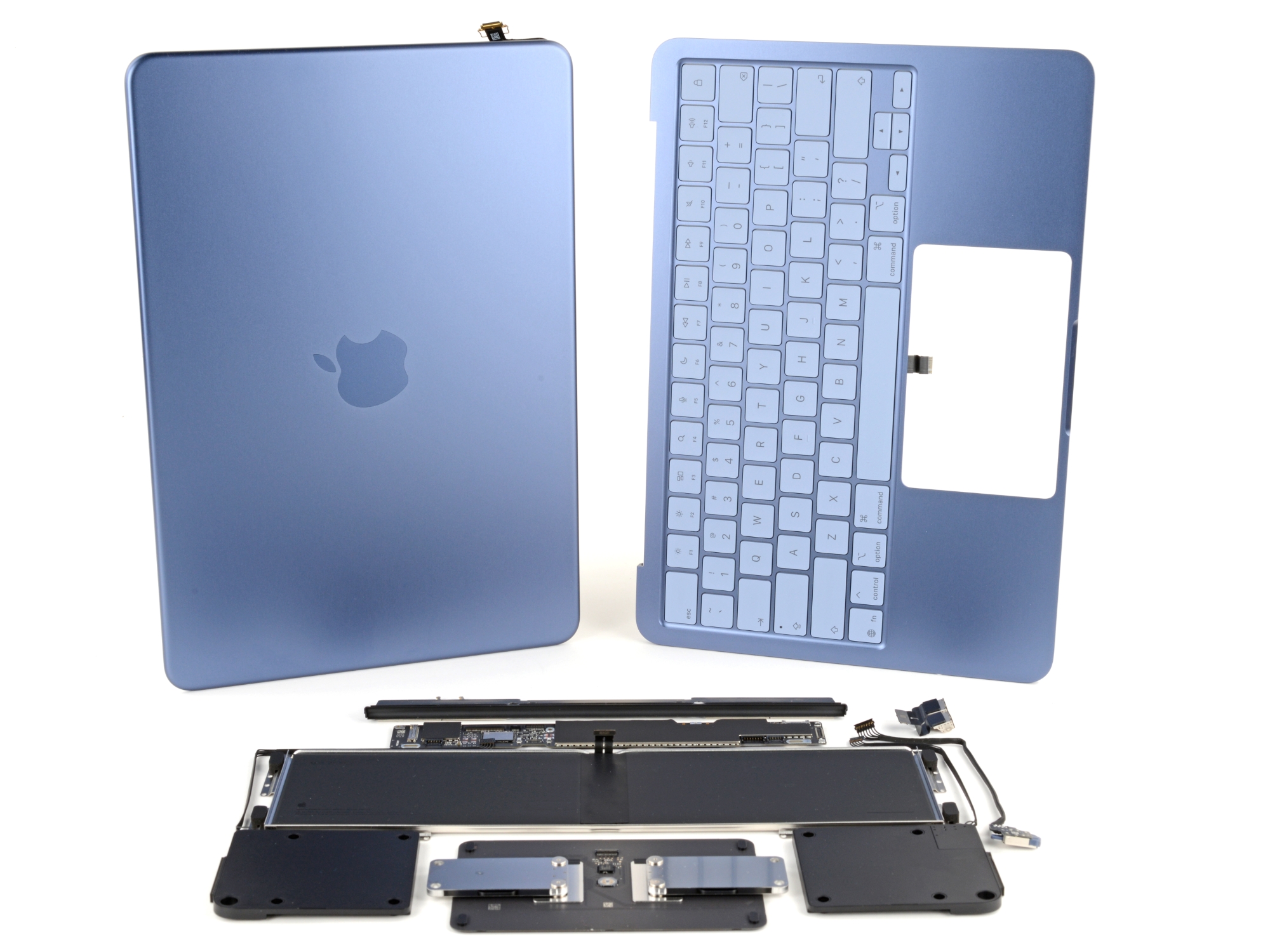
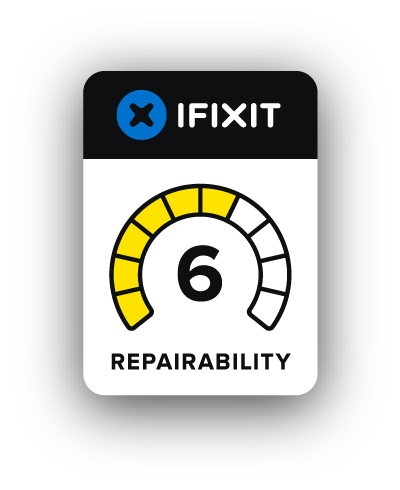
For over a decade, opening a MacBook felt less like a repair and more like an archaeological dig through layers of epoxy and proprietary fasteners. The MacBook Neo changes that narrative entirely. According to the latest iFixit teardown analysis, this device earned a 6 out of 10 repairability score, making it the highest-rated Apple laptop in approximately 14 years.
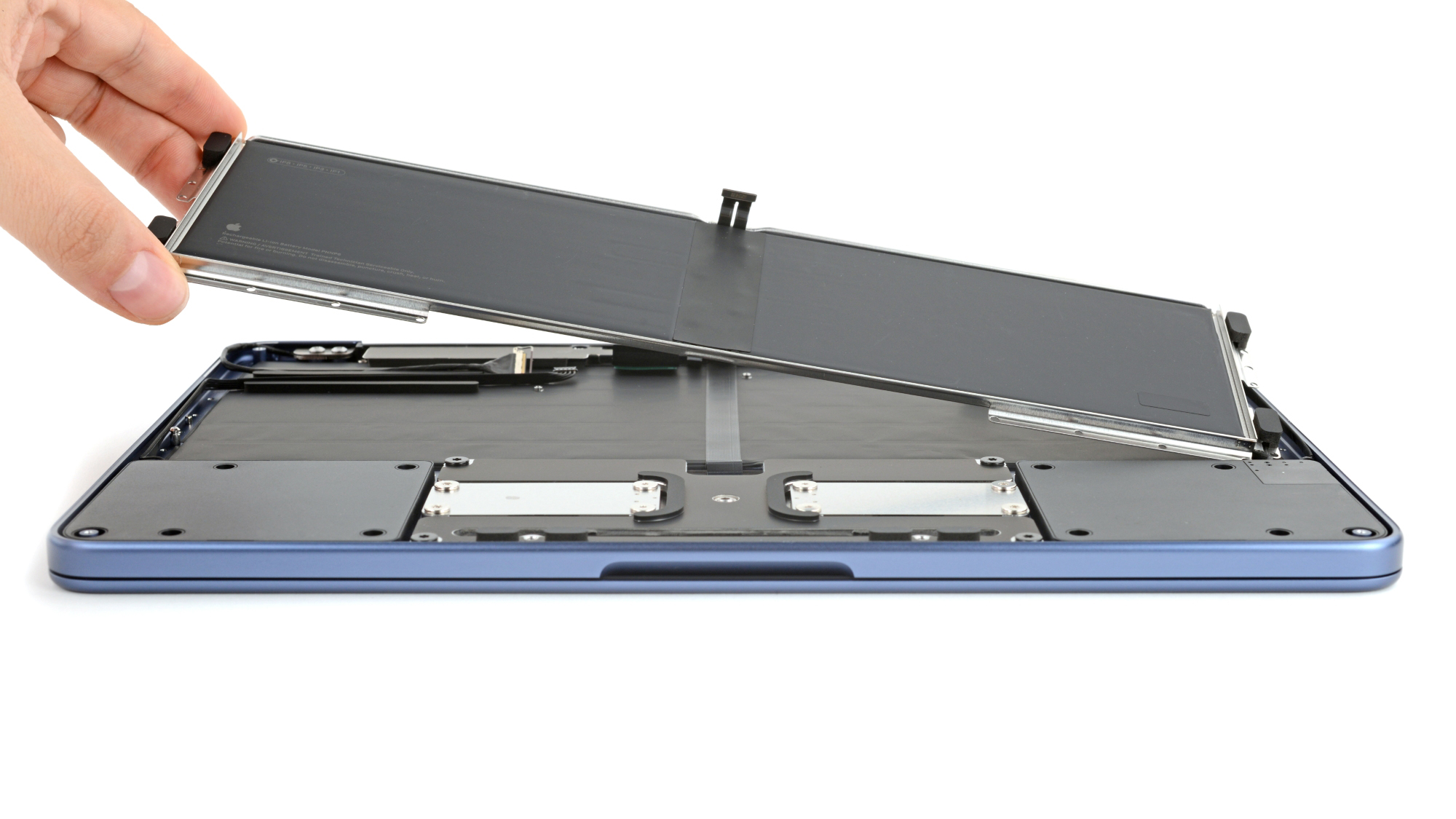
The internal component layout is a masterclass in technical accessibility. Unlike the MacBook Air, which relies on notoriously difficult adhesive pull-tabs, the Neo uses a battery mounted on a tray secured by 18 screws. This design choice allows for total removal without the need for heat guns or volatile solvents.
If you are wondering how to replace MacBook Neo battery at home, the process is surprisingly straightforward. You only need a few basic tools required for MacBook Neo disassembly, specifically a Pentalobe driver for the bottom case and standard Torx T3 drivers for the internal fasteners.
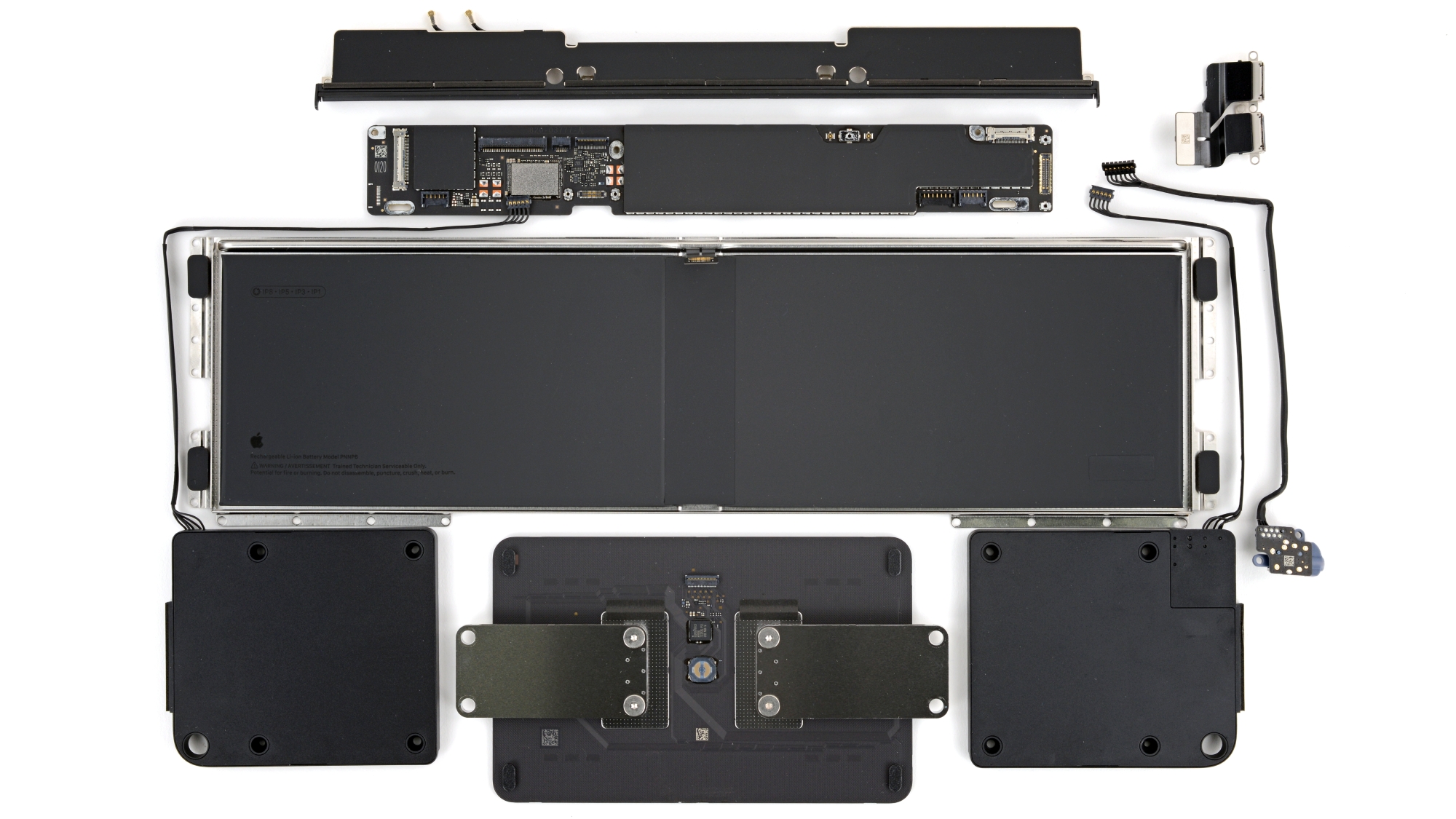
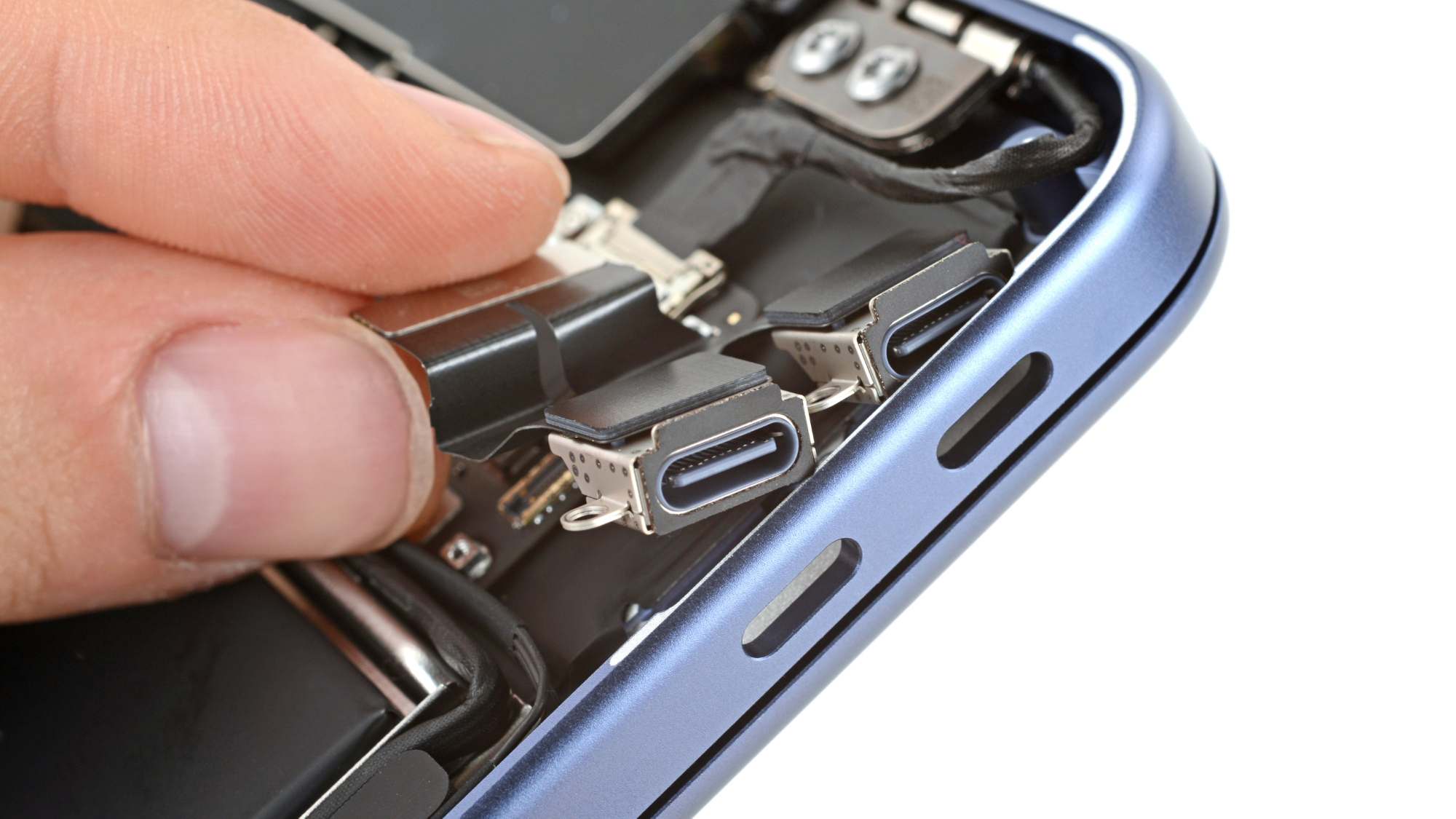
Beyond the power cell, the MacBook Neo modular design benefits extend to high-wear components. The USB-C ports, speakers, and even the headphone jack are independent modules. In previous generations, a liquid spill in a port or a blown speaker often required a full logic board or top-case replacement. Here, they can be swapped individually, supporting hardware longevity and significantly reducing electronic waste reduction efforts.
Hidden Savings: Out-of-Warranty Repair Costs
When evaluating a $599 laptop, most buyers focus on the sticker price. However, as an editor who focuses on the total cost of ownership, the real story lies in the MacBook Neo maintenance savings. Because of the independent repair of MacBook Neo keyboard and ports, the long-term financial burden of owning this machine is much lower than its siblings.
Traditionally, Apple keyboards are riveted into the top case. If a single key fails, you are looking at a $400+ repair because the entire aluminum assembly must be replaced. The Neo uses a separate keyboard unit that can be unscrewed from the chassis. This shift is a win for anyone looking at saving money on MacBook Neo out-of-warranty repairs.
| Component | MacBook Neo (Repair Cost) | MacBook Air M3 (Repair Cost) | Repair Type |
|---|---|---|---|
| Battery | $149 | $199 | Tray Swap vs. Adhesive |
| Charging Port | $89 | $450+ | Modular vs. Logic Board |
| Keyboard | $129 | $400+ | Individual Unit vs. Top Case |
| Speakers | $69 | $150+ | Independent vs. Integrated |
The MacBook Neo vs MacBook Air repair costs comparison highlights a fundamental difference in architecture. For education fleets or budget-conscious professionals, the MacBook Neo vs MacBook Air long-term repair costs make the Neo the obvious choice for a fleet of devices that need to stay in service for five to seven years.
Hardware Standards: CAMM2 and M.2 Storage
While the adhesive-free assembly is the headline, the inclusion of industry-standard hardware is what will excite the PC builder community. Under the hood, the logic board is surprisingly compact, powered by the A18 Pro chip. This efficiency allows for a more spacious internal layout that accommodates user-serviceable components.
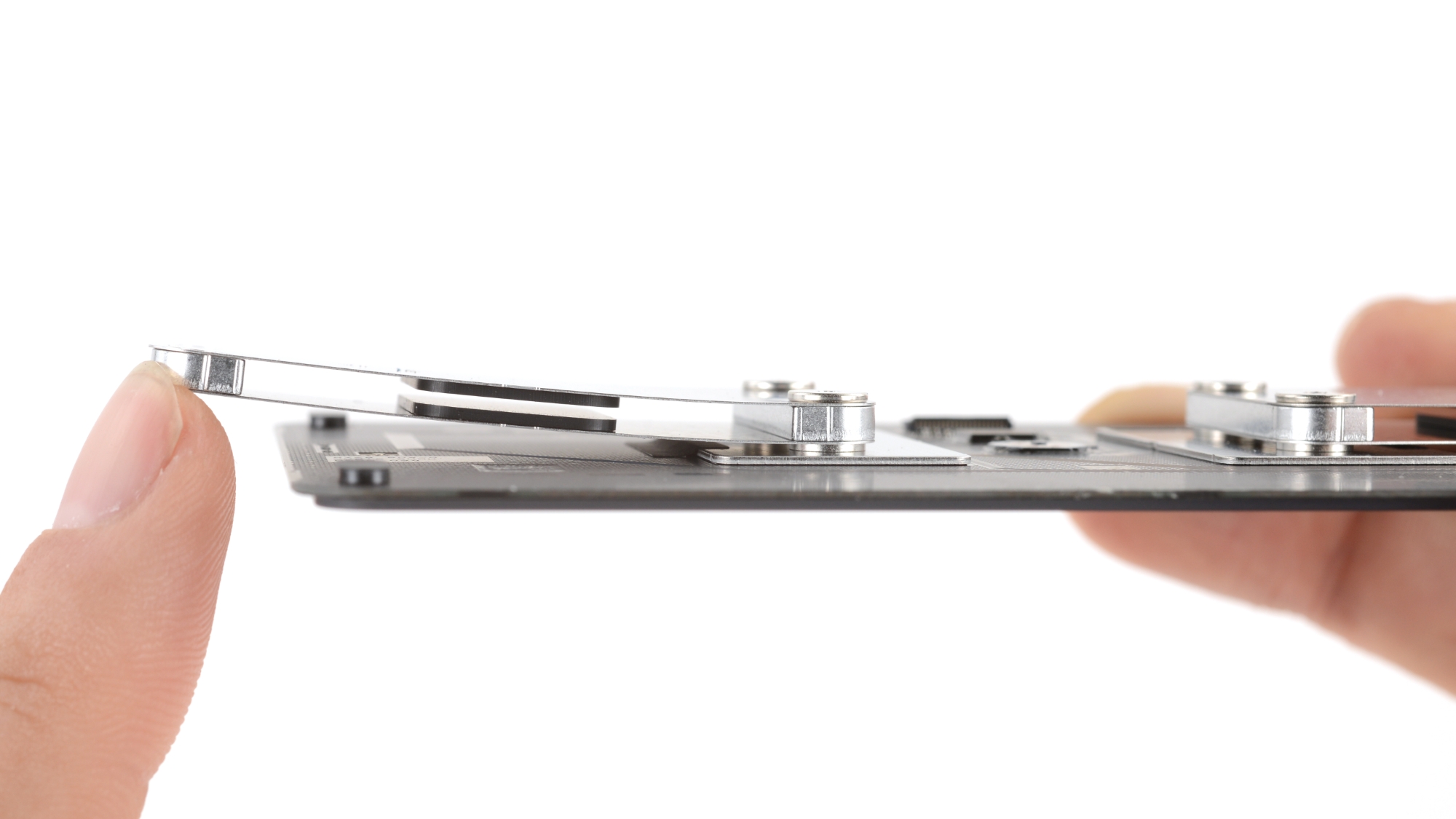
The most shocking discovery in the teardown was the transition away from soldered memory and storage in this entry-level computing tier. The Neo utilizes modular components such as USB-C ports and speakers, but it also flirts with CAMM2 memory standards and M.2 2230 SSD slots.

Comparing MacBook Neo repairability vs M1 MacBook Air reveals just how far we have come. The M1 Air was a revolution in performance, but it was essentially a disposable product once the NAND flash or RAM modules failed. The Neo, by contrast, is built with a "repair-first" mindset. This design supports the global right-to-repair movement by ensuring that a single component failure doesn't end the life of the entire machine.
Strategic Omissions: What $599 Doesn't Get You
To hit the $599 price point (and the unbelievable $499 for education), Apple had to make some calculated sacrifices. As an editor, I appreciate transparency, and it is important to know where the corners were cut to provide such high user serviceability.
First, the Neo uses a mechanical trackpad instead of the Force Touch haptic engine found in the Pro and Air models. While it feels a bit "old school" to have a physical click, the benefit is that it is much easier and cheaper to replace if it breaks. Second, you won't find MagSafe here; the Neo relies entirely on its modular USB-C ports for charging. Finally, the keyboard lacks a backlight, and the display, while bright and accurate, lacks the ProMotion technology of higher-end models.
Despite these omissions, the recycled aluminum housing feels premium. Apple has essentially traded "luxury features" for "longevity features." For a student or a professional who needs a reliable workhorse, this trade-off is more than fair. The focus on MacBook Neo repairability ensures that even if you drop the device or wear out the battery, you aren't forced into a $1,000 upgrade.
FAQ
How easy is it to repair a MacBook Neo?
The MacBook Neo is significantly easier to repair than any other modern Apple laptop. Because it uses an adhesive-free assembly and standard Torx T3 drivers, a basic battery replacement can be completed in about 10 to 15 minutes. Most components are modular and held in place by screws rather than glue, which drastically reduces the risk of damaging the device during disassembly.
Can I replace the battery in a MacBook Neo myself?
Yes, the battery is mounted on a rigid tray secured by 18 screws. Unlike the MacBook Air, which requires prying against fragile lithium-ion cells stuck down with strong adhesive, the Neo battery simply lifts out once the screws and the connector are removed. This makes it a very approachable project for someone with basic technical skills.
What is the repairability score for the MacBook Neo?
The MacBook Neo received a 6 out of 10 repairability score from iFixit. This is a landmark rating for Apple, representing their most serviceable laptop in over a decade. The score reflects the move toward modularity, the lack of internal glue, and the use of standard fasteners.
Are the RAM and storage upgradeable in the MacBook Neo?
The MacBook Neo features more modularity than we have seen in years, utilizing CAMM2 for memory and M.2 2230 slots for storage in certain configurations. This allows users to potentially upgrade their capacity or replace a failing drive without replacing the entire logic board, which is a major win for hardware longevity.
How does the MacBook Neo repairability compare to older models?
The Neo is a complete departure from the "unibody" and "thin-and-light" eras that prioritized thinness over serviceability. While the M1 and M2 MacBook Air models are nearly impossible for a novice to repair due to soldered parts and heavy adhesive, the Neo returns to a philosophy of technical accessibility that we haven't seen since the non-Retina MacBook Pros of 2012.