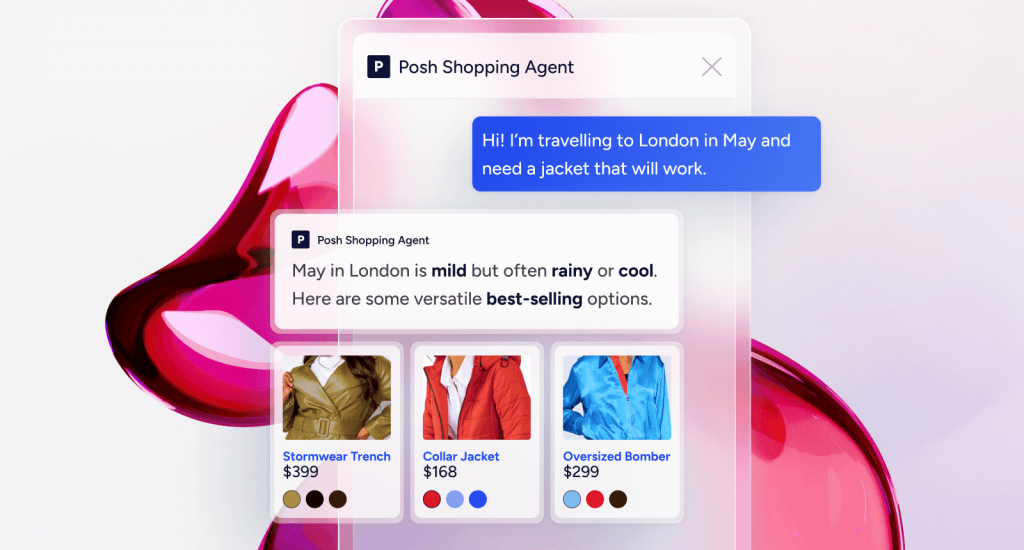
The traditional way we shop online—scrolling through endless tabs, comparing prices manually, and sifting through thousands of reviews—is becoming a relic of the past. As we move through 2026, the era of the ai shopping assistant has fully arrived, transforming how we make purchasing decisions. Instead of doing the legwork yourself, you can now deploy sophisticated software agents to do the research, find the best deals, and even visualize how a new piece of clothing might look on you.
Quick Facts
- Market Outlook: The AI shopping market is projected to hit $84.6B by 2034 as consumer habits shift toward Conversational Commerce.
- Efficiency: Average users report saving 6.2 hours per week by using AI for product discovery and deal hunting.
- Adoption: Recent data shows 60% of artificial intelligence users utilize ChatGPT for shopping, while 57% use Google Gemini.
- Top Performance: GPT-5.4 currently leads the market for complex technical specification analysis and multi-source comparison.
- Growth: Retail site traffic from generative AI platforms increased by 4,700% between July 2024 and July 2025.
- Fashion Leader: Google Gemini is currently the best ai shopping assistant for fashion due to its native virtual try-on features.
To use an ai shopping assistant effectively, you should provide detailed prompts that include your specific technical requirements, physical dimensions, and exact use cases. AI models like ChatGPT and Gemini streamline the Consumer Decision Journey by performing deep research, cross-referencing multiple product lists, and analyzing review sentiment to narrow down elite candidates for High-Consideration Purchases.
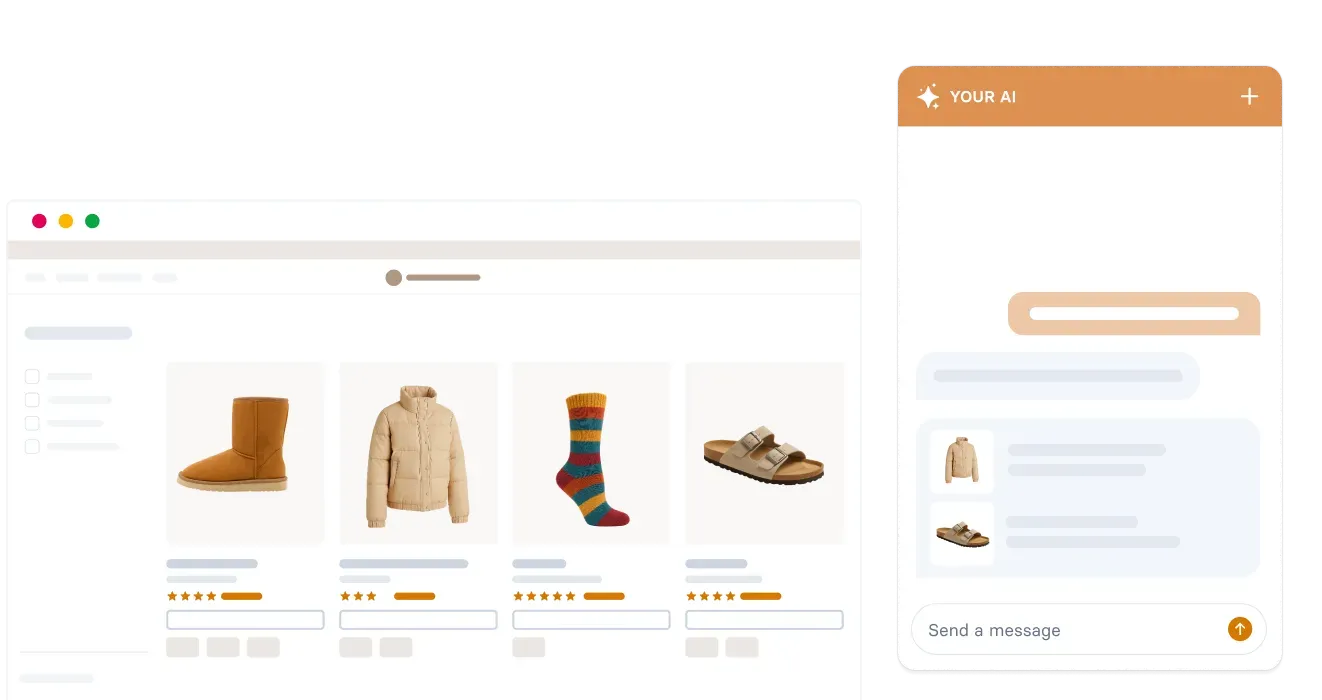
Conversational Commerce: ChatGPT vs. Gemini for Shopping
When choosing the best free ai shopping assistant 2026 has to offer, the decision often comes down to the two heavyweights: OpenAI’s ChatGPT and Google’s Gemini. Both platforms have evolved into robust Decision Support Systems, but they serve different needs within the shopping ecosystem.
Gemini 3.1 Pro is deeply integrated with Google Search and Google Shopping, making it the superior choice for Real-Time Data Retrieval. If you are looking for the latest price on a specific mountain bike or checking local stock, Gemini can pull that data instantly. One of its standout features for 2026 is the gemini virtual try on for clothing. By uploading a photo or using a 3D avatar, you can see how different styles and colors drape on your body, significantly reducing the likelihood of returns. This visual commerce capability makes it a favorite for ai for online shopping decisions focused on apparel.
ChatGPT, particularly the latest GPT-5.4 model, excels in Technical Specification Analysis and complex reasoning. While it may not always have the split-second price updates of Gemini, its persistent memory allows it to remember your preferences across weeks of research. If you are planning a professional home office setup, ChatGPT can keep track of the dimensions of your room, the specific ergonomic requirements you mentioned in earlier sessions, and suggest compatible equipment. It acts more like a long-term consultant than a simple search tool.
| Feature | ChatGPT (GPT-5.4) | Google Gemini 3.1 Pro |
|---|---|---|
| Primary Strength | Technical Research & Memory | Real-time Search & Fashion Visuals |
| Comparison Logic | Multi-layered spec analysis | Real-time price cross-referencing |
| Visual Tools | DALL-E 3 visualizations | Native gemini virtual try on for clothing |
| Ecosystem | Custom Shopping GPTs | Google Shopping & Lens integration |
| Best For | High-Consideration Purchases | Last-minute deals & Fashion |
Choosing between chatgpt vs gemini for product recommendations depends on whether you value deep analysis or real-time visual feedback. Gemini’s ability to "see" products through Google Lens and provide instant price comparisons makes it highly efficient for everyday items. Meanwhile, ChatGPT’s logic makes it the best ai shopping assistant for navigating the complexities of electronics, professional gear, and multi-component projects.

E-commerce Specialists: Rufus and Shopify Sidekick
Beyond general-purpose Large Language Models, specialized agents integrated directly into retail platforms are changing the game. This phenomenon, often called Agentic AI, allows for a more seamless exchange between the buyer and the brand.
Amazon’s Rufus is a prime example of an ai shopping assistant that lives where you shop. Rufus uses your personal buyer history and thousands of community answers to provide hyper-specific advice. You can ask Rufus, "Will this coffee maker fit under my 15-inch cabinets?" or "Is this tent durable enough for a rainy weekend in the Pacific Northwest?" Because Rufus has access to the exact logistical data of the products and the context of your past purchases, it offers a level of Buyer Hesitation Mitigation that general AI can’t always match.
Similarly, Shopify Sidekick has empowered individual brands to offer a personalized concierge experience. Brands like Tatcha have seen conversions increase significantly by using these specialized agents to guide customers through skincare routines or complex sizing charts. These tools focus on E-commerce Personalization, ensuring that the recommendations you receive aren't just trending products, but items that truly fit your lifestyle.

Strategy: Mastering Deep Research Prompts
To get the most out of your ai shopping assistant, you have to move beyond simple one-line queries. The secret to Intelligent Product Discovery lies in the quality of your prompt. If you want the AI to act as a pro researcher, you need to provide a framework that allows it to perform actual Technical Specification Analysis rather than giving you a generic summary.
When you are looking for ai product research prompts for chatgpt, aim for the "Intent-Predicting" formula. This involves stating who you are, what you are trying to achieve, what your constraints are, and what the ultimate success metric looks like. Instead of asking "What is the best laptop?", try a prompt like this:
"Act as a hardware consultant. I am a video editor moving from a desktop to a mobile setup. I need a laptop with at least 64GB of RAM, a 4K color-accurate screen, and a thermal design that prevents throttling during long renders. Research the top five 2026 models, cross-reference professional reviews for heat management, and create a table comparing their ports, weight, and current prices at major retailers."
By framing your request this way, you force the Large Language Models to dig into the details that matter. This approach is essential for High-Consideration Purchases where a wrong decision costs time and money. You can also ask the AI to perform review sentiment analysis, asking it to "Summarize the top three common complaints from verified buyers on Reddit and Amazon for this specific model." This helps you spot potential red flags that a simple star rating would miss.

The Reality Check: Accuracy and Practical Limits
While the benefits are clear, understanding the limitations of generative ai for online shopping is vital for any savvy consumer. Even the most advanced ai shopping assistant free tools can suffer from "hallucinations" or data lag.
Current AI models still struggle with Real-Time Data Retrieval in certain niche areas. For example, if a flash sale goes live on a specific boutique website, an AI might not index that information for several hours. This means that for the absolute lowest price on high-velocity items, a manual check or a dedicated price tracker is still necessary. Furthermore, AI can occasionally get technical specifications wrong if it pulls from an unreliable third-party source. Always verify critical measurements or compatibility requirements on the manufacturer's official product guide before hitting the "buy" button.
Data privacy is another factor to consider. When you use these tools for E-commerce Personalization, you are often sharing your purchase history, physical dimensions, or even photos for virtual try-ons. It is important to review the privacy settings of whichever ai shopping assistant you choose to ensure your personal data isn't being used in ways you haven't authorized.
Finally, though an ai shopping assistant can track price drops, they are not always 100% accurate with local inventory. A product that appears "in stock" during a conversation might actually be sold out at your specific local branch due to the delay in inventory database syncing.

FAQ
What is an AI shopping assistant?
An ai shopping assistant is a software tool powered by artificial intelligence designed to help consumers find, compare, and purchase products. These tools use natural language processing to understand complex requests, search the internet for the best deals, and provide personalized recommendations based on user preferences and technical requirements.
How does an AI shopping assistant work?
These assistants work by leveraging Large Language Models to scan vast amounts of data from retail websites, review forums, and technical spec sheets. When you provide a prompt, the AI analyzes the intent of your request, filters through available product data, and uses reasoning to present you with the most relevant options, often saving you hours of manual research.
Are AI shopping assistants free to use?
Many of the most popular tools, including the basic versions of ChatGPT and Google Gemini, offer a free tier that is highly capable of handling shopping tasks. While some "Pro" versions offer faster processing or more advanced features like GPT-5.4, a best free ai shopping assistant 2026 option is usually sufficient for standard consumer research and price comparison.
Which AI shopping assistant is the best for finding deals?
Google Gemini is currently often considered the best for finding real-time deals due to its direct integration with the Google Search engine and Google Shopping. It can scan for live price updates across thousands of retailers faster than most other general AI models, making it ideal for budget-conscious shoppers.
Can an AI shopping assistant track price drops for me?
Yes, many AI assistants can track price drops, though their effectiveness varies. While models like Gemini can give you current pricing, specialized agents like Rufus or dedicated AI shopping apps are often better at setting alerts and notifying you the moment a price hits your target threshold.
As you lean into the future of shopping, remember that these tools are best used as an extension of your own judgment. By mastering how to use ai as a shopping assistant, you can reclaim your time and shop with a level of confidence that was impossible just a few years ago. Experiment with different prompts today and see how much easier your next big purchase can be.