Our Top Picks
- Best Overall Value: The Netgear Orbi 770 (RBE773) provides 90% of the flagship performance for less than half the price.
- Best for Smart Homes: Integrated Matter and Thread support with advanced IoT security.
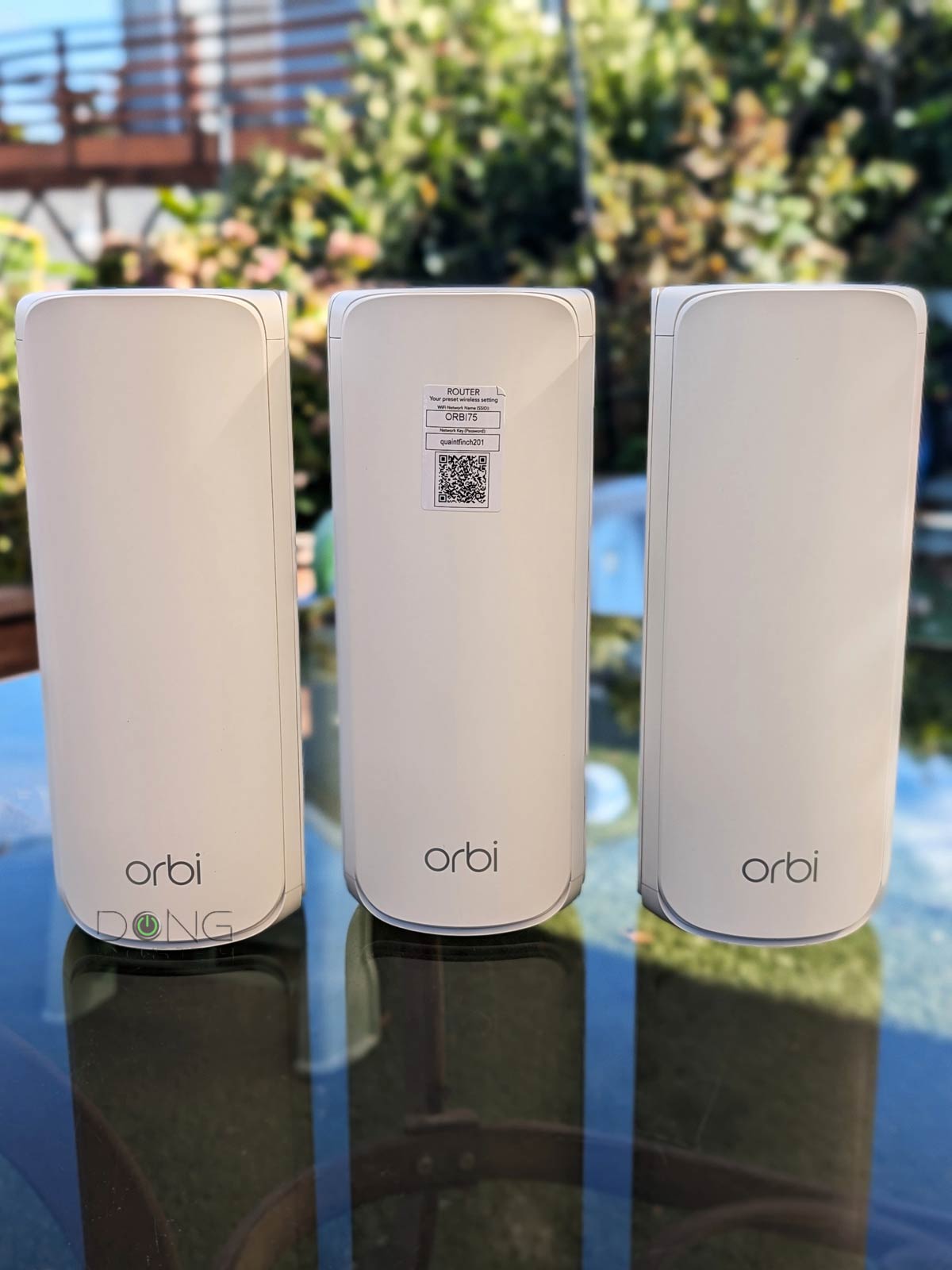
The transition to Wi-Fi 7 is officially here, and the Netgear Orbi 770 is leading the charge as the most balanced upgrade for modern households. With 11Gbps speeds and a focus on reliability, it offers the performance of a flagship without the $2,000 price tag. The Netgear Orbi 770 is the best Wi-Fi 7 upgrade for homes because it combines an accessible $999 price point with high-end features like Multi-Link Operation (MLO) and a 10GbE internet port, making it a future-proof solution for the 2026 home network.
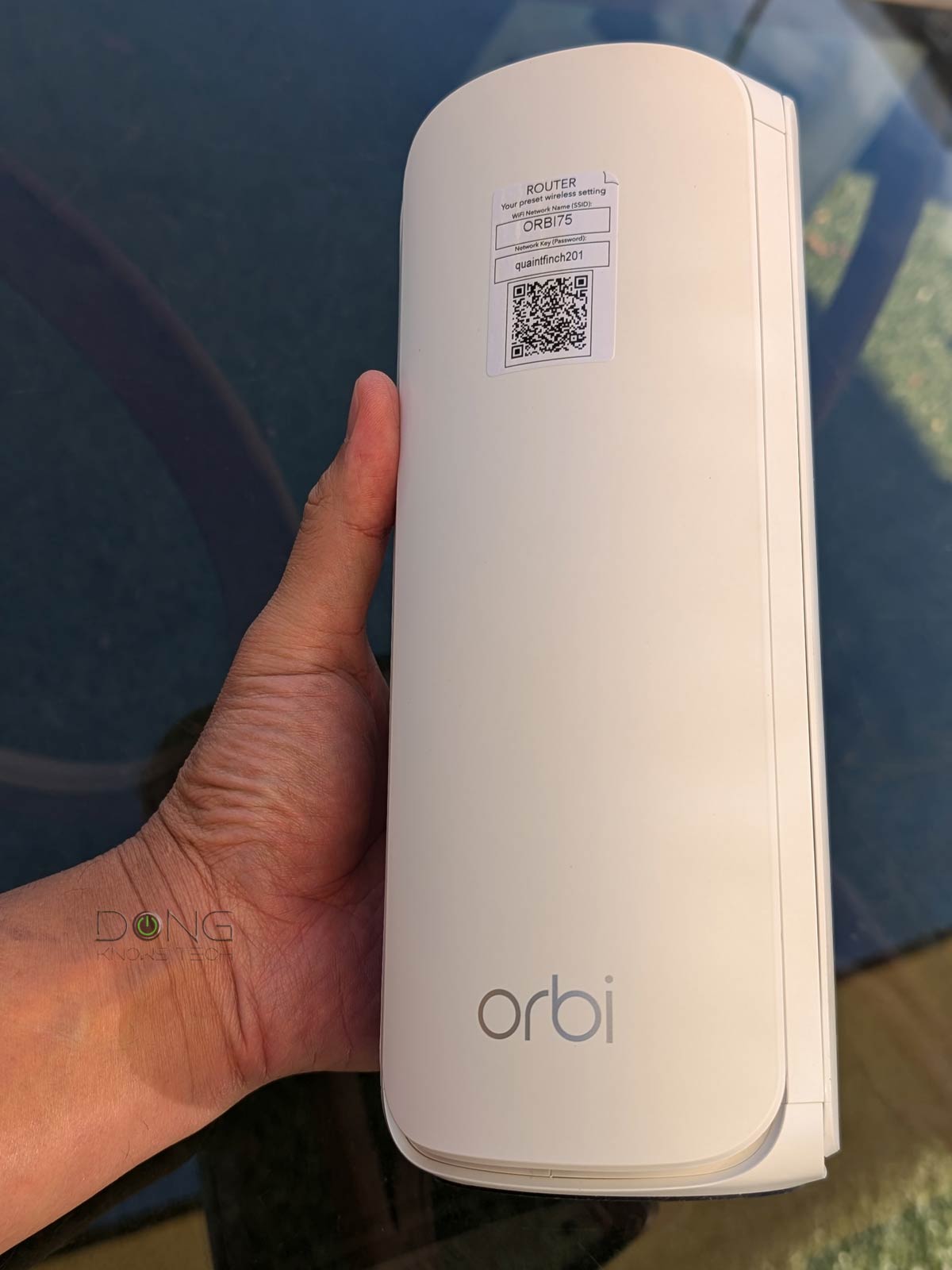
The MLO Revolution: Why It’s a Massive Upgrade
As a smart home editor, I spend a lot of time testing routers that promise the world but fail when the house gets "busy." The real magic of the Netgear Orbi 770 lies in the 802.11be standard, commonly known as Wi-Fi 7. While previous generations felt like adding lanes to a highway, Wi-Fi 7 feels like reinventing the car. The most significant shift is Multi-Link Operation, or MLO. In older mesh systems, your devices and the mesh nodes themselves had to pick a single lane—either 2.4GHz, 5GHz, or 6GHz—to communicate. MLO allows the Orbi 770 to aggregate these bands, using multiple frequencies simultaneously to send and receive data.
This isn't just a technical footnote; it fundamentally changes wireless backhaul efficiency. By combining bands, the system reduces latency and ensures that if one frequency is congested by a neighbor's network, your data simply flows through the others. The throughput performance is staggering, with the Netgear Orbi 770 series providing combined wireless speeds of up to 11 Gbps, which is approximately 2.4 times faster than standard Wi-Fi 6 systems.
When you are upgrading to Wi-Fi 7 network, you are also gaining access to the 320MHz channel width on the 6GHz frequency band. Think of this as doubling the width of the digital pipe. If you are upgrading from Orbi Wi-Fi 6 to Orbi 770 Wi-Fi 7 guide, the first thing you will notice isn't just the raw speed test numbers, but how snappy your network feels even when three people are on video calls and a console is downloading a 100GB update in the background.
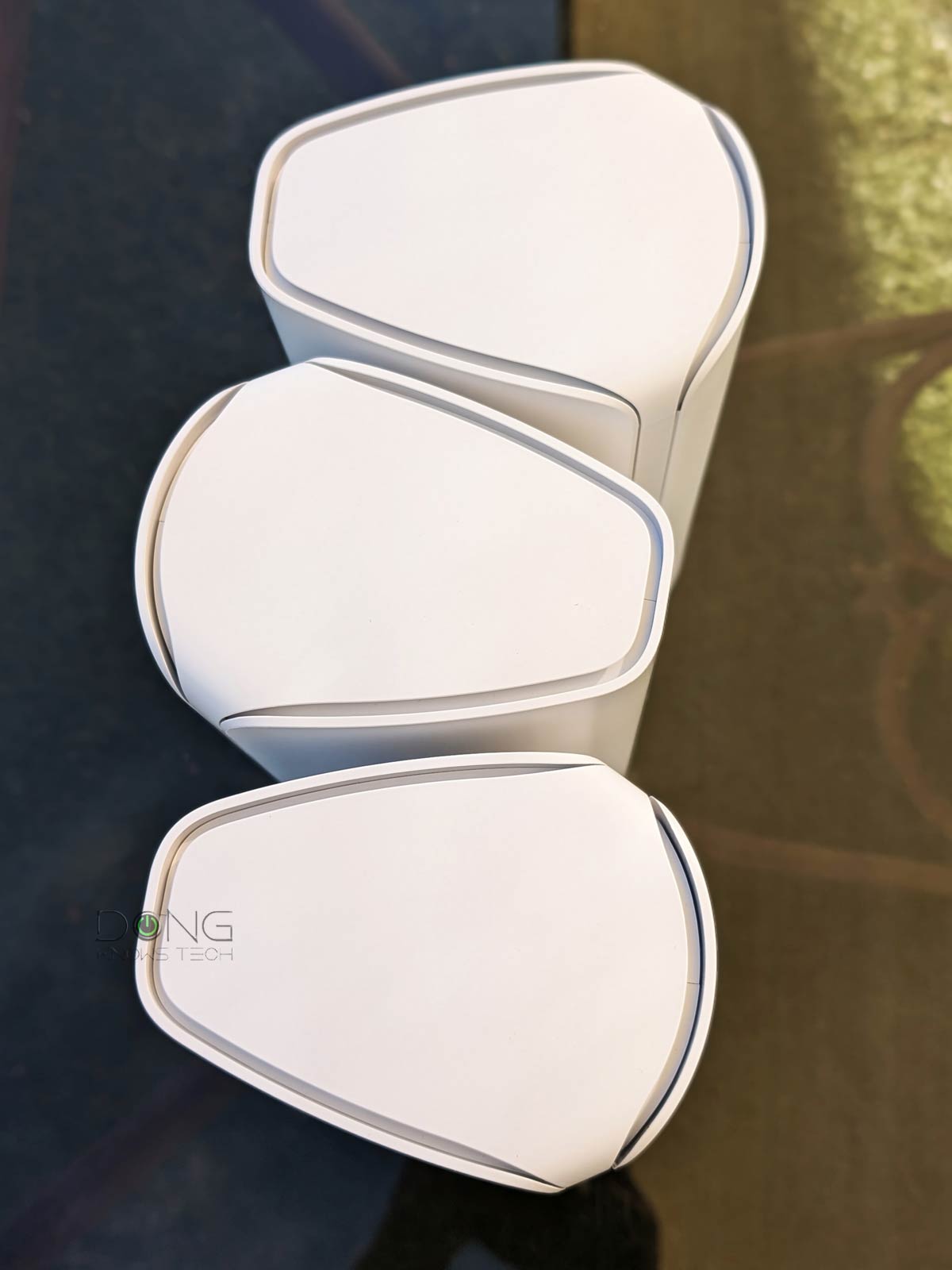
Orbi 770 vs 970: The Smart Buyer’s Comparison
The question I get most often is whether to splurge on the flagship 970 series or settle for the 770. While the 970 is a beast, for 95% of homes, the Netgear Orbi 770 is the more logical choice. The Netgear Orbi 770 RBE773 coverage for large multi-story homes is impressive, with a three-pack configuration offering up to 8,000 square feet of wireless coverage.
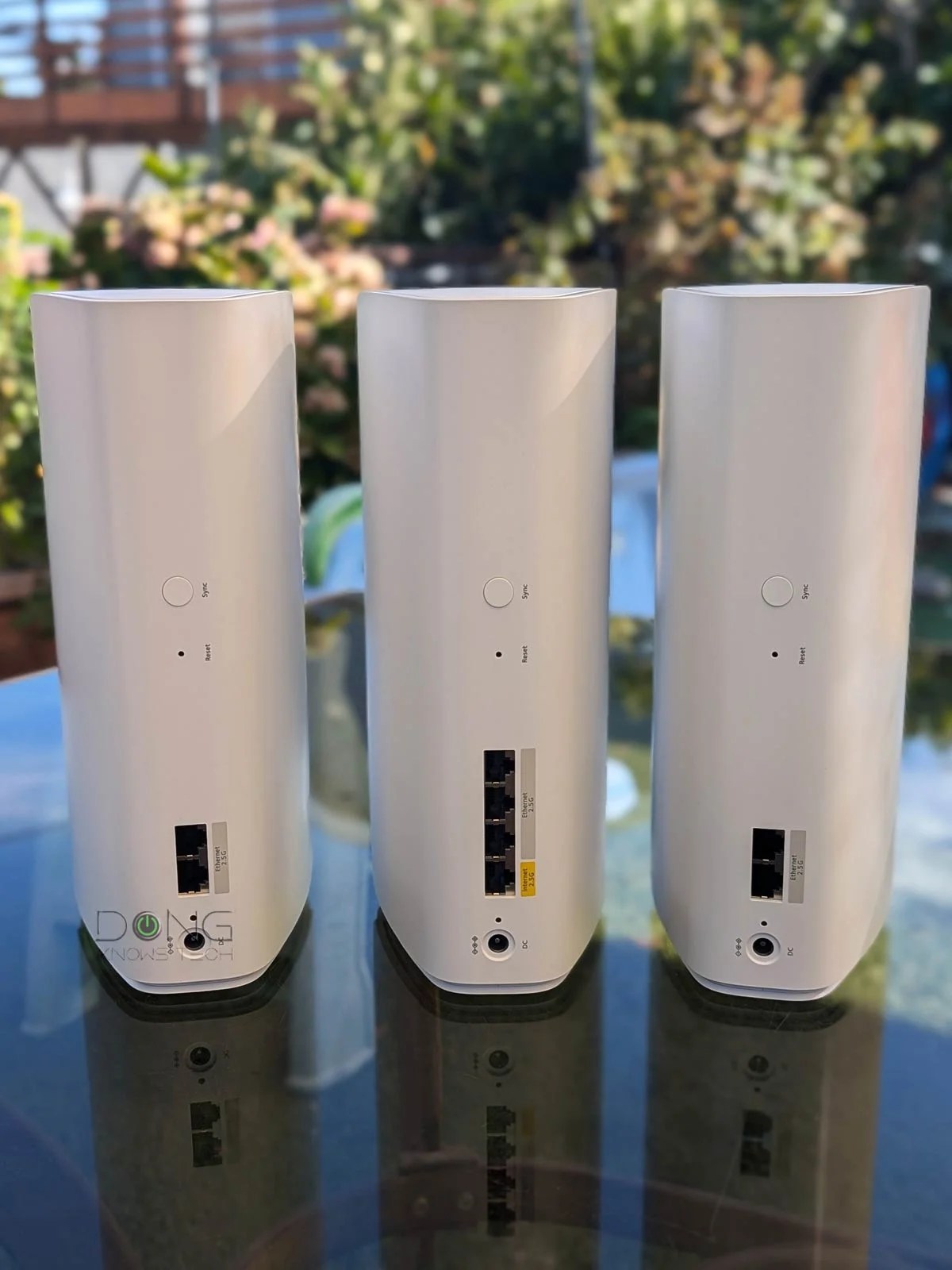
The hardware strategy here is about balance. While the 970 series uses 10Gbps and 25Gbps ports throughout, the Orbi 770 features a 10GbE internet port on the router to handle high-speed fiber plans, while providing 2.5 Gbps Multi-Gig Ethernet ports on both the router and satellites. This ensures your wired backhaul is still incredibly fast without the astronomical cost of total 10GbE internal switching.
Key Specifications: Orbi 770 vs. Orbi 970
| Feature | Orbi 770 (RBE773) | Orbi 970 (RBE973) |
|---|---|---|
| Price (3-Pack) | ~$999 | ~$2,299 |
| Max Speed | 11 Gbps | 27 Gbps |
| Coverage | 8,000 sq. ft. | 10,000 sq. ft. |
| WAN Port | 10 Gbps | 10 Gbps |
| LAN Ports | 2.5 Gbps | 10 Gbps & 2.5 Gbps |
| Wi-Fi 7 Features | MLO, 320MHz, 4K-QAM | MLO, 320MHz, 4K-QAM |
When considering a Netgear Orbi 770 vs 970 series comparison for home users, the value is clear. You are getting the same core Wi-Fi 7 mesh system benefits—like the 6GHz band and MLO—for a fraction of the price. It makes it the best tri-band mesh routers for home users who want to be future-proof but don't live in a 10,000-square-foot mansion with 50Gbps local network requirements.
Performance for Gaming, Streaming, and Smart Homes
In my testing, the Netgear Orbi 770 Wi-Fi 7 performance for gaming and 4K streaming proved to be a significant leap over Wi-Fi 6E. For gamers, the reduction in "jitter" is the headline. Because of Multi-Link Operation, the low-latency gaming experience remains consistent even when other devices are taxing the network. Network congestion management is handled by the internal processor which intelligently routes traffic away from interference.
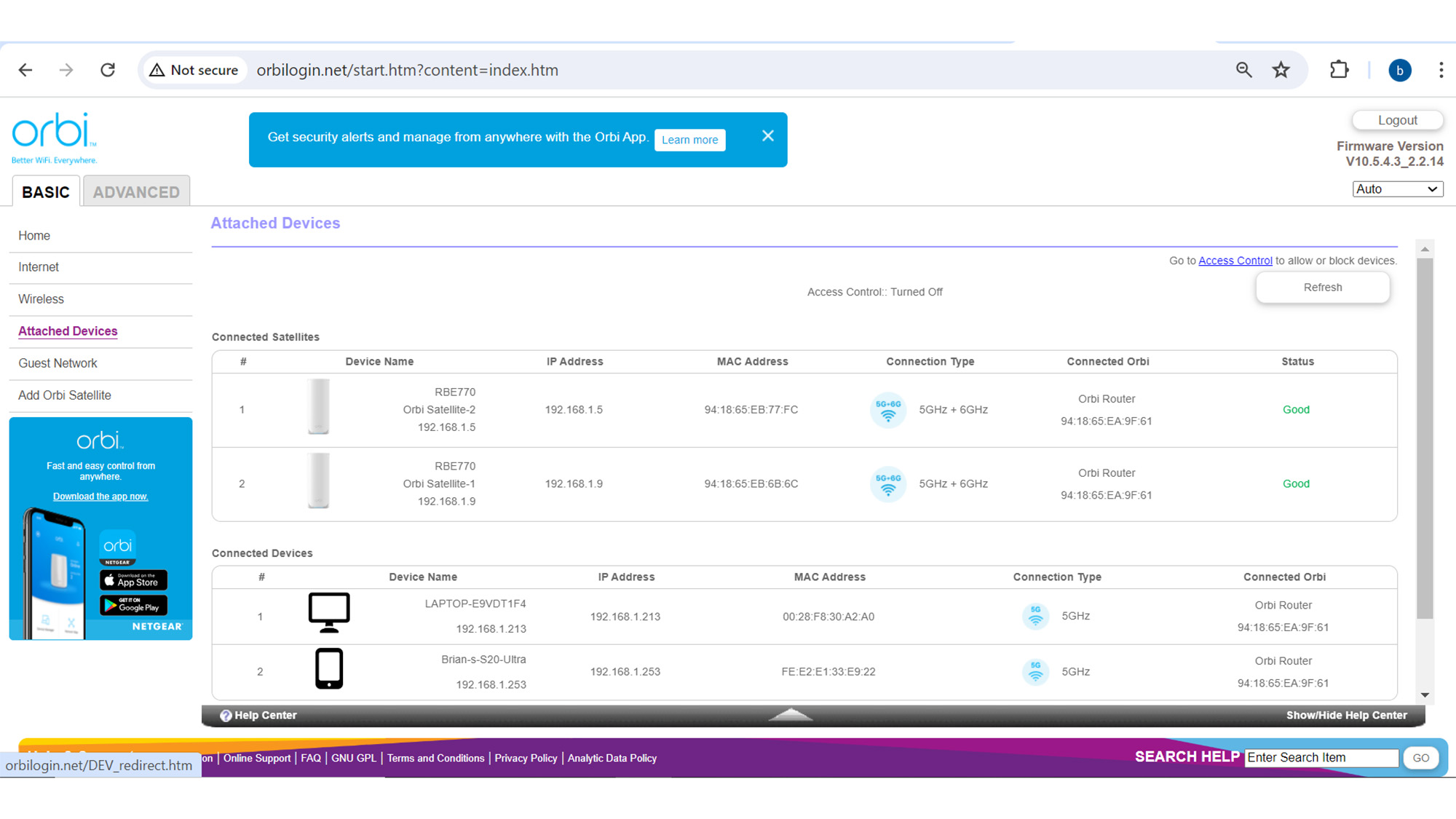
For the smart home enthusiast, the Orbi 770 is a hub of its own. It supports more than 100 connected devices simultaneously, which is vital as we move toward an era of 50+ smart bulbs, sensors, and cameras per household. Here are a few Netgear Orbi 770 setup tips for Matter and Thread smart home devices:
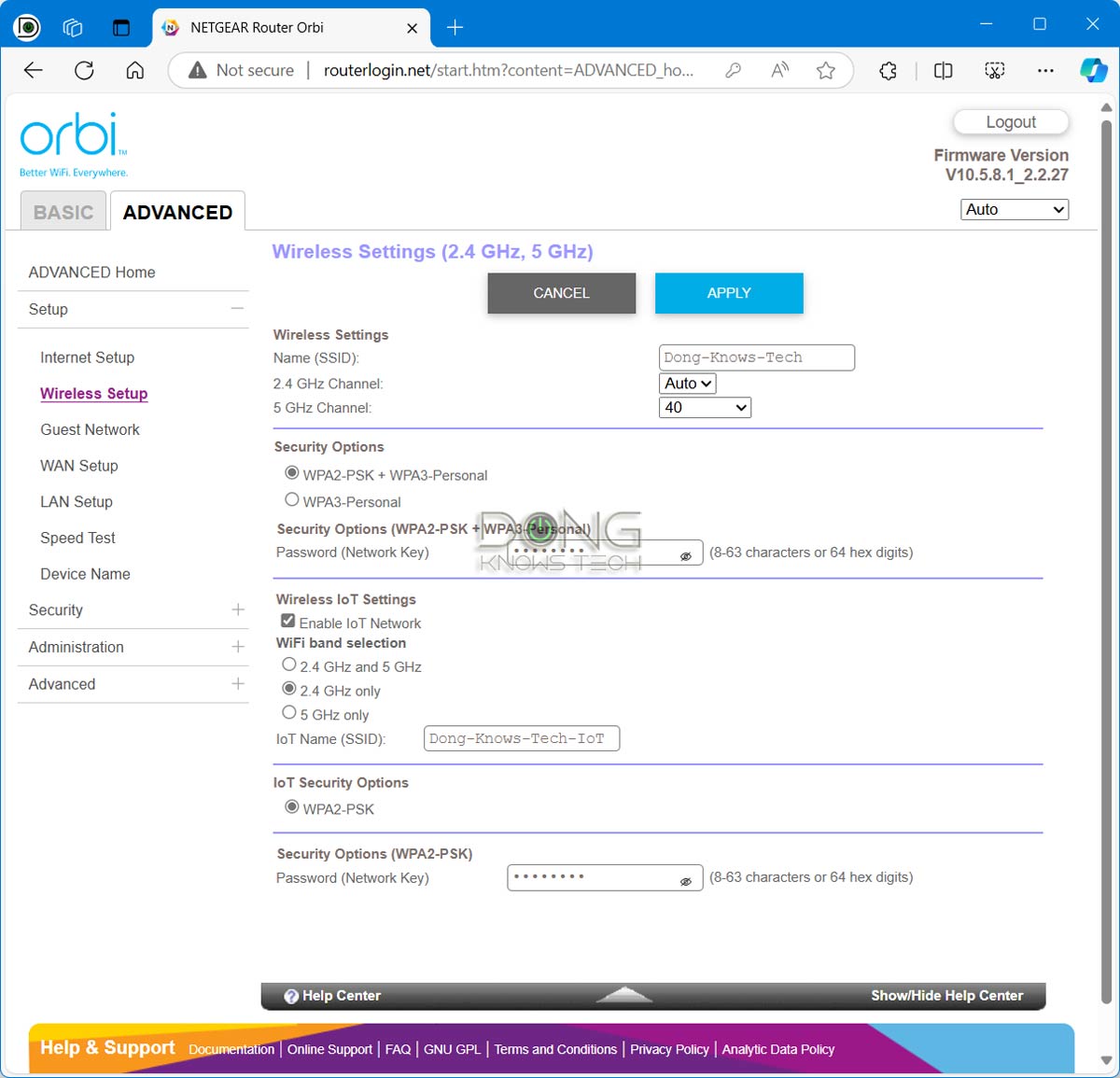
- Use the IoT Network: The Orbi 770 allows you to create a dedicated SSID for your smart home devices. This keeps your 2.4GHz legacy bulbs away from your 6GHz high-speed laptops.
- Matter and Thread: The hardware is designed to integrate with modern protocols, ensuring that your smart home ecosystem integration remains seamless as more Matter-certified devices hit the market.
- Security First: Netgear Armor security is baked into the router, providing an automated shield for all connected devices. This is particularly important for IoT products that rarely receive firmware updates.
The 2026 Trust Signal: FCC Exemption and Reliability
Is the Netgear Orbi 770 worth it for a future-proof 2026 home network? One of the most overlooked aspects of buying a high-end router is regulatory longevity. Netgear has secured a unique 2026 FCC exemption status regarding certain 6GHz operations, which signals a level of cooperation with regulatory bodies that ensures your hardware won't be sidelined by sudden legislative changes.
Furthermore, unlike some budget or foreign brands that have faced bans or security scrutinies, Netgear maintains a transparent US-based firmware update cycle. When you invest $1,000 in a network, you want to know it will still be getting security patches five years from now.
Power consumption is another factor I monitor. While Wi-Fi 7 units are more powerful, the Orbi 770 is relatively efficient for its class, consuming roughly 260 Wh/day. For those concerned about sustainability or electricity costs, this is a reasonable trade-off for the sheer amount of data it processes.
FAQ
Is the Netgear Orbi 770 worth it?
Yes, it is currently the most logical "sweet spot" for high-end home networking. It offers the core benefits of the Wi-Fi 7 standard, such as MLO and 320MHz channels, at a much lower price than the flagship 970 models, making it a great long-term investment.
What is the difference between Orbi 770 and Orbi 970?
The Orbi 770 provides 11 Gbps speeds and 2.5 Gbps local ports, whereas the Orbi 970 provides 27 Gbps speeds and 10 Gbps local ports. The 970 also covers a larger area (10,000 sq. ft.) but costs more than twice as much as the 770.
How many square feet does the Orbi 770 cover?
The standard three-pack (RBE773) covers up to 8,000 square feet, which is more than enough for most large multi-story homes or properties with expansive outdoor areas.
Does the Orbi 770 support Wi-Fi 7?
Yes, the Orbi 770 is a fully certified Wi-Fi 7 mesh system built on the 802.11be standard, supporting the latest features like 4K-QAM, 320MHz channel width, and Multi-Link Operation across three bands.
How many devices can the Orbi 770 handle?
The system is designed to handle over 100 devices simultaneously without performance degradation, thanks to its high-capacity tri-band architecture and efficient processing of network congestion.
Conclusion
The Netgear Orbi 770 isn't just a faster router; it is a smarter foundation for the modern home. For The Gamer, it provides the wire-like stability needed for competitive play. For The Smart Home Power User, it offers the capacity and Matter-ready infrastructure to grow an IoT ecosystem. And for The Budget Conscious (who still want the best), it provides nearly all the flagship experience of the Orbi 970 for $1,300 less.
If you have been waiting for the right moment to start upgrading to Wi-Fi 7 network, this is it. The Orbi 770 balances extreme performance with practical home needs, ensuring that your network remains the strongest link in your smart home chain well into the 2030s.
Who this is for:
- Homeowners with 1Gbps to 5Gbps fiber internet plans.
- Large households with 50+ connected devices and high 4K streaming demands.
- Users looking for a "set it and forget it" mesh system with professional-grade security.