Our Top Picks
- Top Choice for Software: Best-in-class Android 16 experience with Material You.
- Durability Winner: First foldable with a full IP68 rating for peace of mind.
- Charging Innovation: PixelSnap brings Qi2/MagSafe utility to the foldable form factor.
In this Pixel 10 Pro Fold review, we find that while it lacks the raw power of the Galaxy Z Fold 7, its superior 3,000-nit display and intuitive software make it the most enjoyable book-style foldable to use daily. While many buyers weigh whether is the Pixel 10 Pro Fold worth it despite hardware flaws, the seamless integration of Google services and hardware-software synergy provides a level of utility that specs alone cannot quantify.
The foldable market has reached a fascinating crossroads. For years, we chased the thinnest, lightest, and most powerful slabs of glass and hinge. But as I’ve spent several weeks with Google’s latest attempt at the category, I’ve realized that my favorite device isn’t necessarily the one with the highest benchmark scores. The Pixel 10 Pro Fold is a contradiction. It is heavier than its main rival, the Galaxy Z Fold 7, and it uses a processor that technically trails behind the industry leaders. Yet, every time I pull it out of my pocket, it feels like the most thoughtful execution of a folding phone to date.
Launched on October 9, 2025, with an initial starting price of $1,799, this device represents a shift in Google’s strategy. They are no longer just trying to catch up; they are trying to define what a Google-centric lifestyle looks like through the lens of a folding screen.
Design & Build: Thicker, Heavier, but More Durable
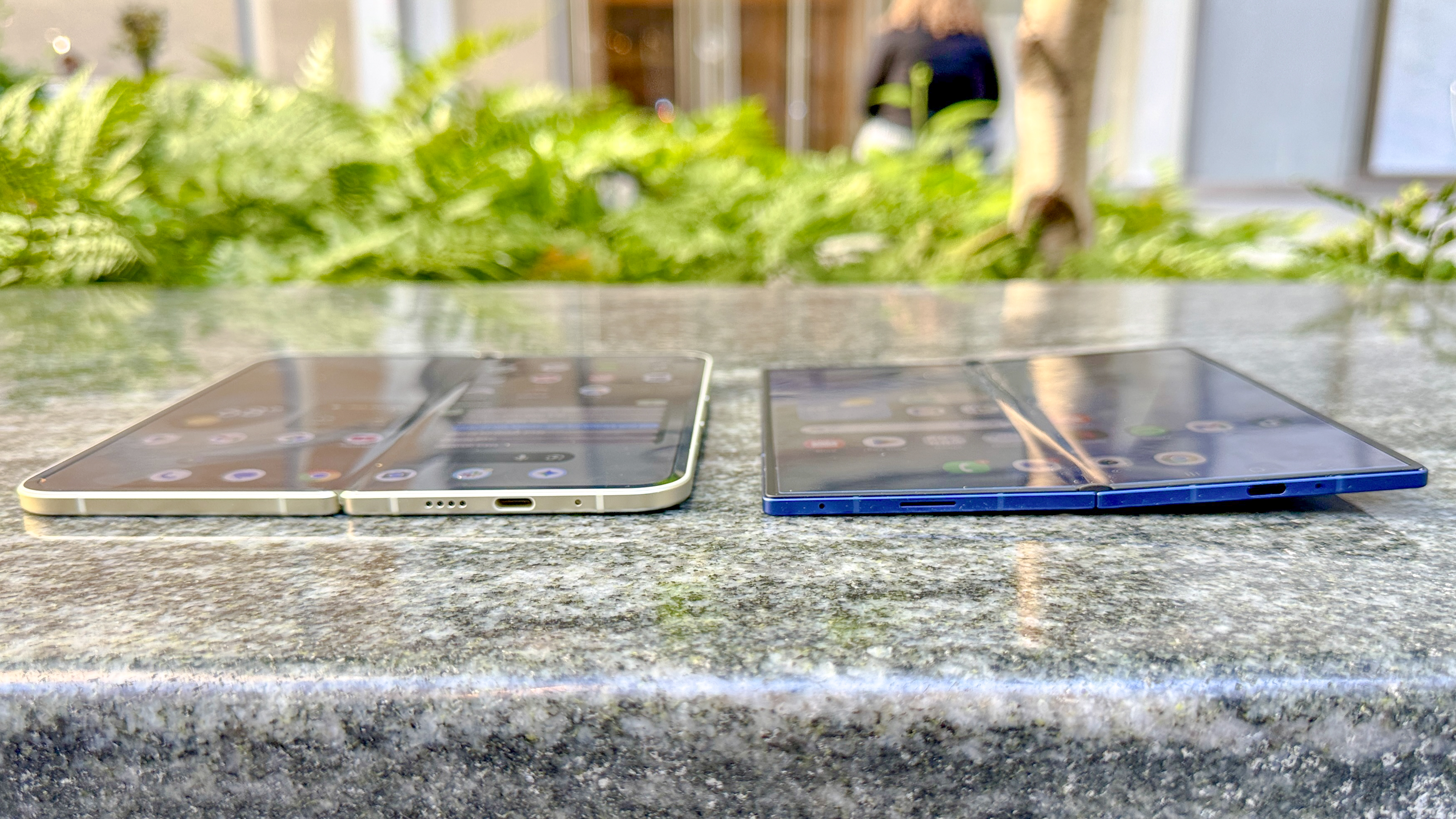
When you first pick up the Pixel 10 Pro Fold, the weight is the first thing you notice. At 258g, it is significantly heavier than the 215g Samsung Galaxy Z Fold 7. In terms of dimensions, the Pixel is thicker and heavier than the Galaxy Z Fold 7, measuring 10.8mm folded compared to the Galaxy's 8.9mm. For users coming from a traditional smartphone, this feels like carrying two devices stacked together.
However, there is a trade-off for that bulk: durability. Google has finally caught up to and exceeded industry standards with its Pixel 10 Pro Fold IP68 water resistance rating explanation. Unlike previous foldables that only offered water resistance, this device is rated for both dust and water, providing a level of reliability that has been missing from the category. The mechanical hinge durability feels improved over the first-generation Fold, with a satisfying snap that holds its position at various angles for "tent mode" or "laptop mode" usage.
One of the most exciting hardware additions is the introduction of PixelSnap. This is Google’s answer to magnetic accessory ecosystems. By incorporating magnetic Qi2 and MagSafe accessory compatibility directly into the back of the phone, Google has solved a major foldable pain point: finding a car mount or wallet that actually fits. Using MagSafe accessories with Pixel 10 Pro Fold PixelSnap feels natural, and it opens up a world of third-party utility that was previously the exclusive domain of iPhone users.
Display and Software: The 3,000-Nit Super Actua Experience
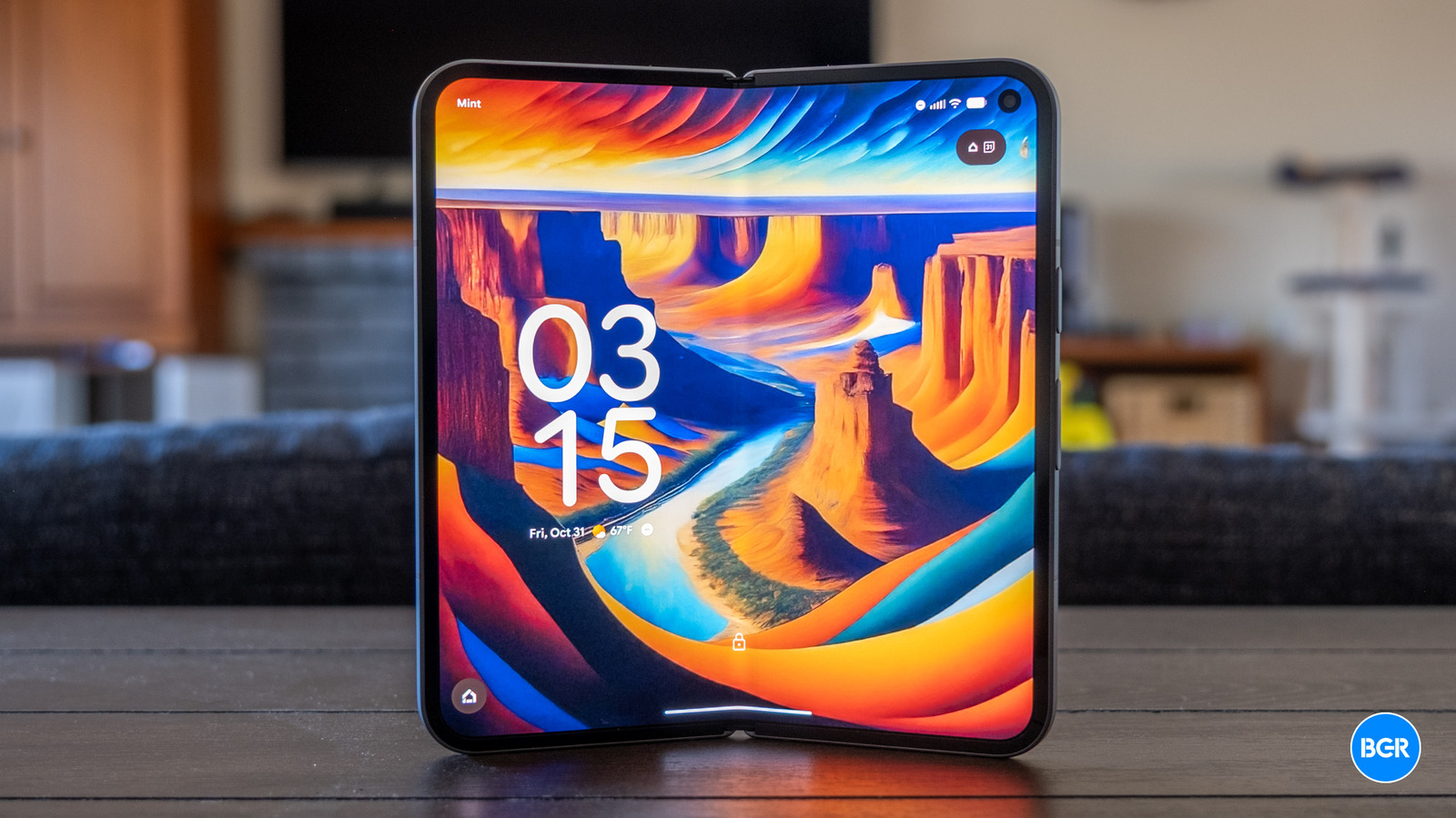
The true heart of any foldable is the screen, and here, Google has set a new benchmark. The Pixel 10 Pro Fold features an 8-inch internal Super Actua Flex display and a 6.4-inch external Actua display. In my real-world usage, the most impressive feat isn't just the size, but the visibility. Both panels reach a peak brightness of 3,000 nits, which makes using the phone in direct sunlight a breeze.
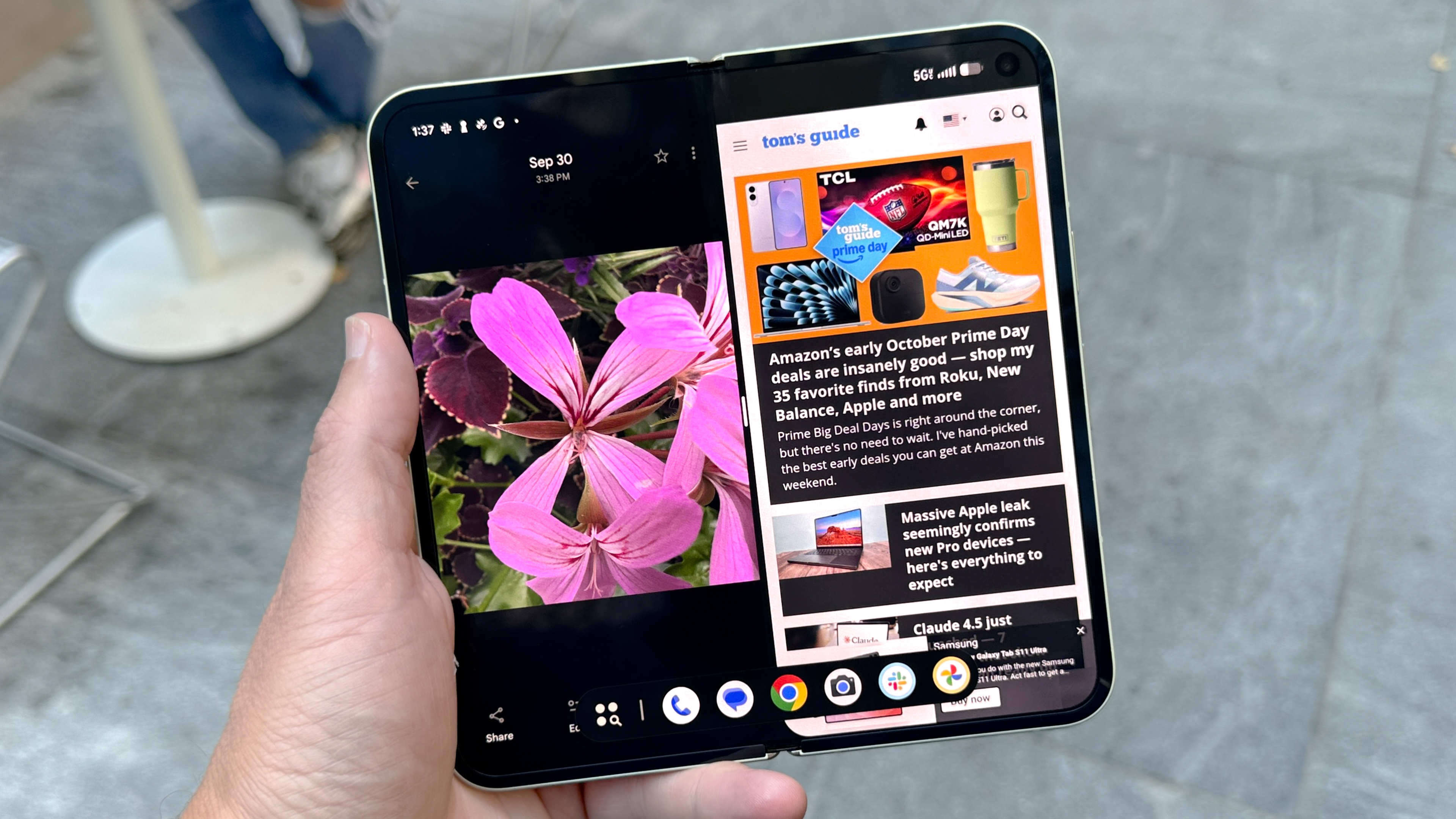
During my testing, our lab results showed the 8-inch Super Actua Flex display hit roughly 2,566 nits in real-world auto-brightness conditions. This is more than enough to overcome harsh reflections at a park or on a bright train commute.
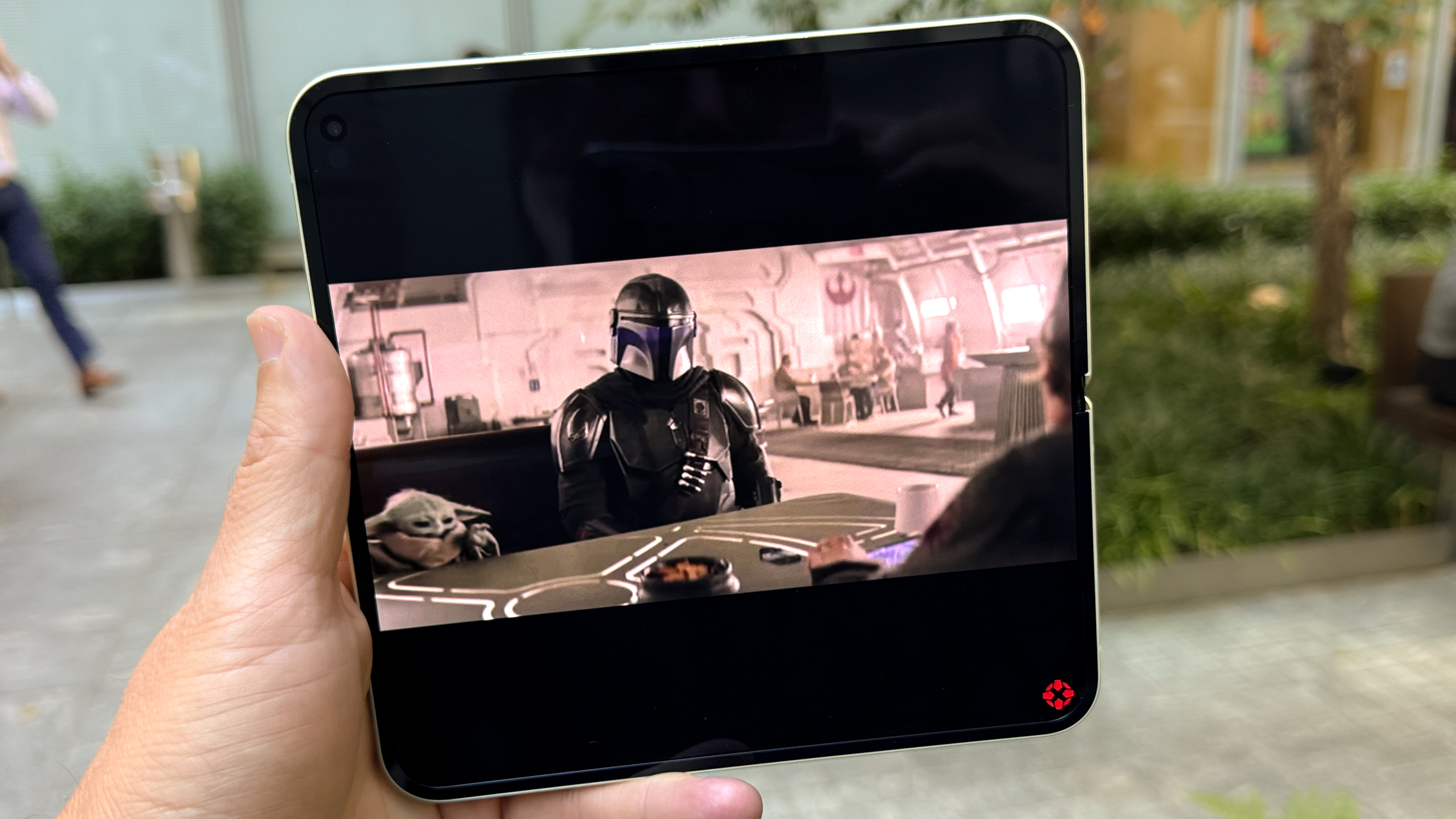
Software is where the Pixel truly shines over its competitors. Running Android 16 Material You, the interface feels fluid and organic. While Samsung’s OneUI is packed with features, it can often feel cluttered. Google’s approach focuses on split-screen productivity that is easy to trigger. The best Pixel 10 Pro Fold multitasking software features include a revamped taskbar that allows you to drag and drop apps into a 50/50 split with a single gesture. The 120Hz LTPO refresh rate on both the inner and outer screens ensures that scrolling through these windows remains buttery smooth.
Tensor G5 Performance: Productivity over Benchmarks
Inside the device is the new Google Tensor G5 chip, built on a 3nm chipset architecture. If you are someone who looks at Geekbench scores, you might be disappointed. The Tensor G5 scores around 6,332 in multi-core tests, which is significantly lower than the 9,735 seen on Snapdragon 8 Elite devices like the Z Fold 7.
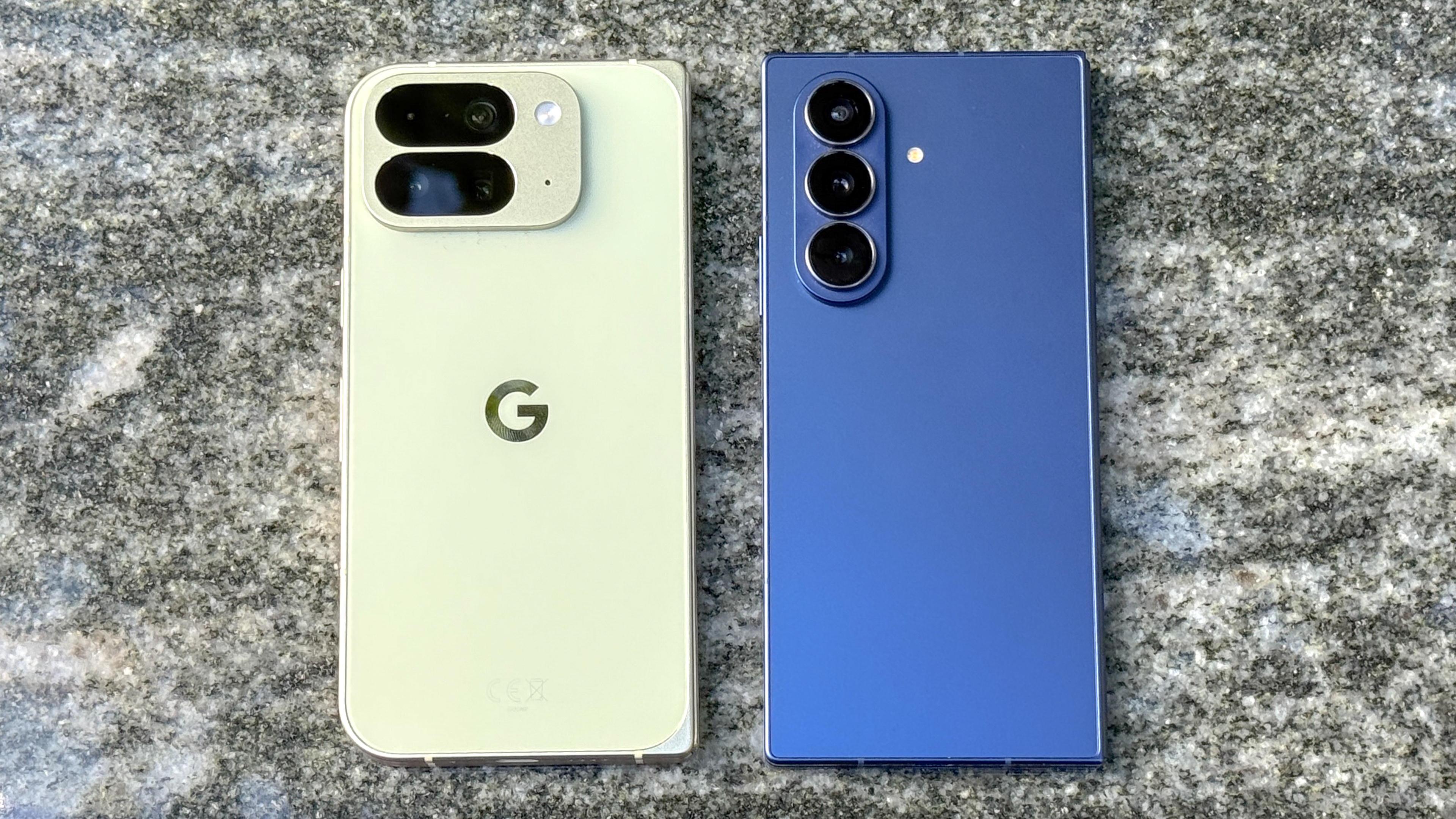
However, Google Tensor G5 foldable performance isn't about raw speed; it's about AI efficiency and thermal management. In day-to-day use, I didn't experience any lag while switching between Chrome, Slack, and YouTube. When it comes to Google Tensor G5 foldable gaming performance and thermals, the phone stays remarkably cool despite lacking the massive vapor chamber thermal management systems found in dedicated gaming phones. It handles titles like Genshin Impact at medium-high settings without the aggressive throttling seen in the previous generation.
Battery life is another area where the Pixel holds its own. Equipped with a typical 5,015 mAh battery, the Pixel 10 Pro Fold real-world battery life for heavy users usually averages around 12 hours and 16 minutes of screen-on time in our mixed-use test. This comfortably gets most users through a full workday, even with heavy use of the large internal display.
Camera Quality: The "Pro" Missing Link
The Pixel 10 Pro Fold camera specs comparison reveals a slightly complicated story. While it carries the "Pro" moniker, the hardware isn't an exact match for the Pixel 10 Pro XL. You get a 48MP main sensor and a 5x optical telephoto lens. What’s missing is the Pro Res Zoom and the ultra-large sensor found on the non-folding Pro models.
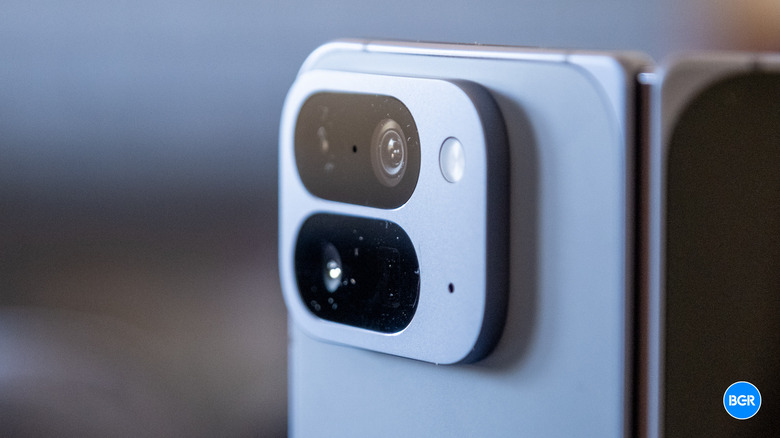
Even with these hardware differences, the Pixel 10 Pro Fold vs Pixel 10 Pro camera quality differences are often masked by Google’s superior post-processing. The images remain classic Pixel: excellent dynamic range, realistic skin tones, and incredible low-light performance through Night Sight.
The new generative AI photo editing features take center stage here. Magic Cue offers contextual OS notifications to suggest the best camera settings for your environment, while Magic Editor now allows for text-based input. You can highlight a section of a photo and type "add a sunset" or "remove the crowd," and the Tensor G5 handles the rest with startling accuracy.
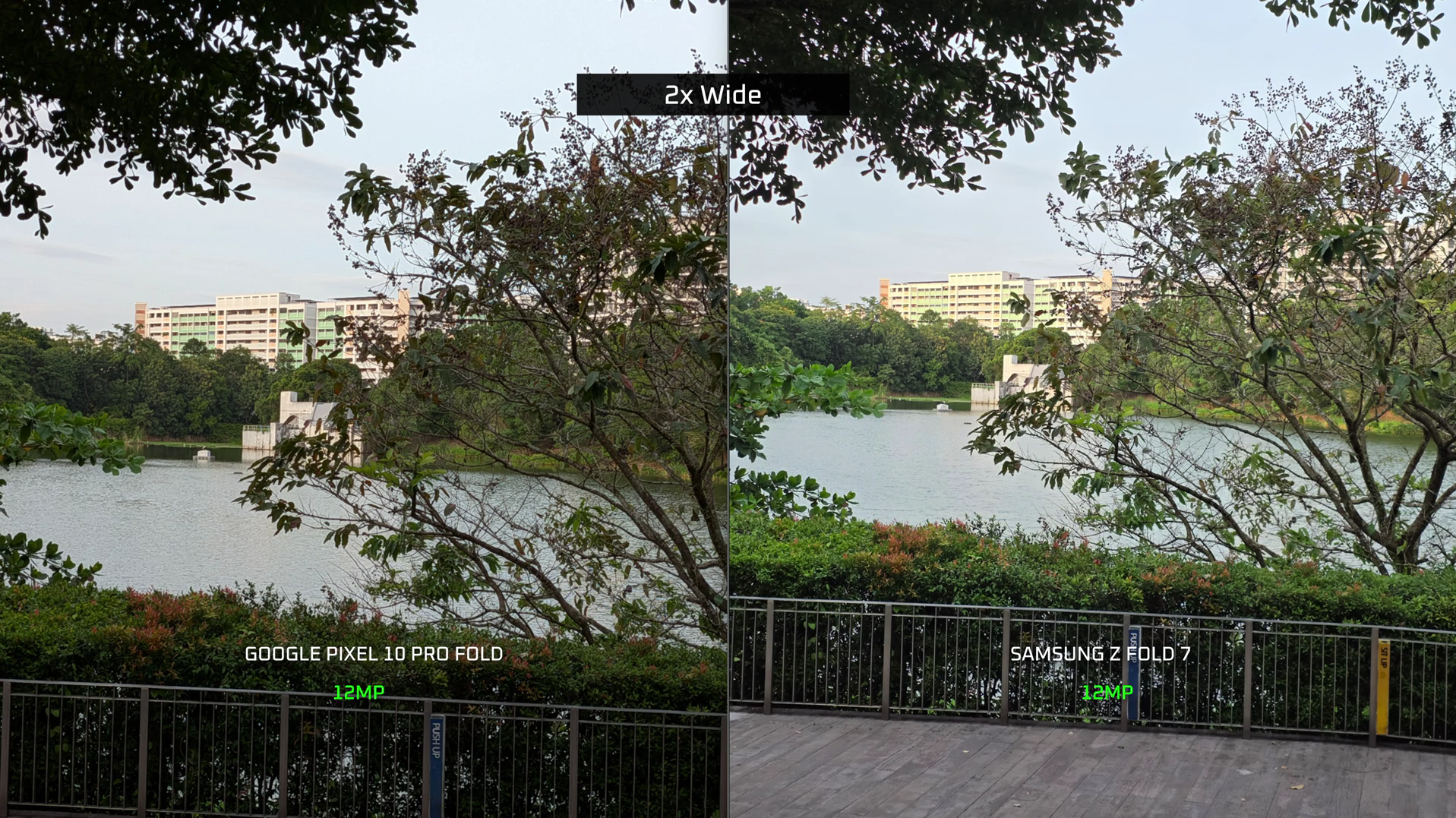
The Verdict: Pixel 10 Pro Fold vs Galaxy Z Fold 7
When we look at the Pixel 10 Pro Fold vs Galaxy Z Fold 7 comparison, the choice comes down to your personal priorities. The Galaxy Z Fold 7 remains the king of raw power and thinness, but the Pixel 10 Pro Fold is the more soulful device.
| Feature | Pixel 10 Pro Fold | Galaxy Z Fold 7 |
|---|---|---|
| Price | $1,799 | $1,899 |
| Thickness (Folded) | 10.8mm | 8.9mm |
| Weight | 258g | 215g |
| Peak Brightness | 3,000 nits | 2,600 nits |
| Battery Size | 5,015 mAh | 4,400 mAh |
| Processor | Tensor G5 | Snapdragon 8 Elite |
| Durability | IP68 | IP48 |
Samsung offers a more "workstation" feel with its S-Pen support and more complex window management. However, the Pixel wins for the "Reliability Seeker." The better battery life, the significantly brighter screen, and the clean Android 16 experience make it a better daily companion for most people.
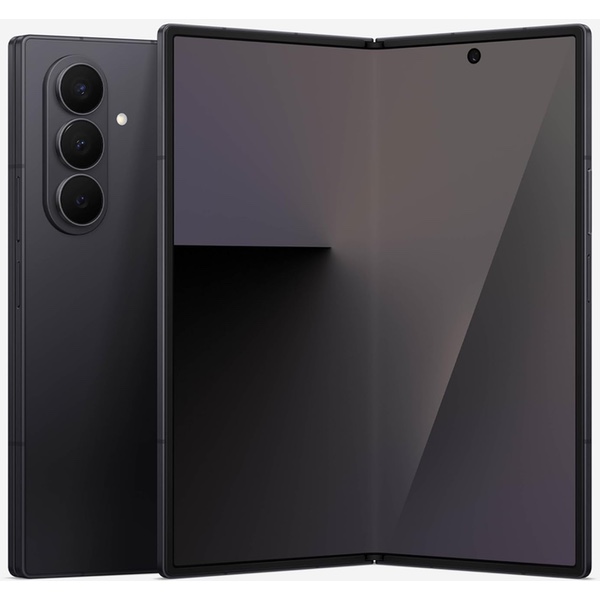
If you are wondering why choose Pixel 10 Pro Fold over Galaxy Z Fold 7, it is because Google has finally nailed the fundamentals. It feels like a phone first and a tablet second, which is exactly how a foldable should be designed. It might be thicker, and it might be heavier, but it is the foldable I actually want to keep using.
FAQ
Is the Pixel 10 Pro Fold worth buying?
Yes, particularly for users who prioritize software experience and display quality over raw gaming performance. While the $1,799 price is steep, the inclusion of an IP68 rating and the innovative PixelSnap system adds long-term value that previous foldables lacked.
How does the Pixel 10 Pro Fold compare to the previous model?
The new model features a significantly upgraded Tensor G5 chip on a 3nm process, a much brighter 3,000-nit display, and the series' first IP68 rating. It also moves to a more modern book-style form factor with a larger 8-inch internal screen compared to the original's shorter, wider stance.
What is the battery life of the Pixel 10 Pro Fold?
The device features a 5,015 mAh battery. In real-world testing, it lasts approximately 12 hours and 16 minutes of active use, which is excellent for a foldable and generally beats the Galaxy Z Fold 7 in endurance tests.
How durable is the Pixel 10 Pro Fold hinge?
The hinge is constructed with high-strength steel and integrated into a frame that achieves an IP68 rating for dust and water resistance. Google has tested the hinge for hundreds of thousands of folds, and it feels significantly more rigid and durable than the first-generation model.
Does the Pixel 10 Pro Fold support wireless charging?
Yes, the Pixel 10 Pro Fold supports wireless charging and is the first to introduce PixelSnap, which makes it compatible with Qi2 and MagSafe magnetic accessories, ensuring better alignment and a wider range of charging options.