Quick Facts
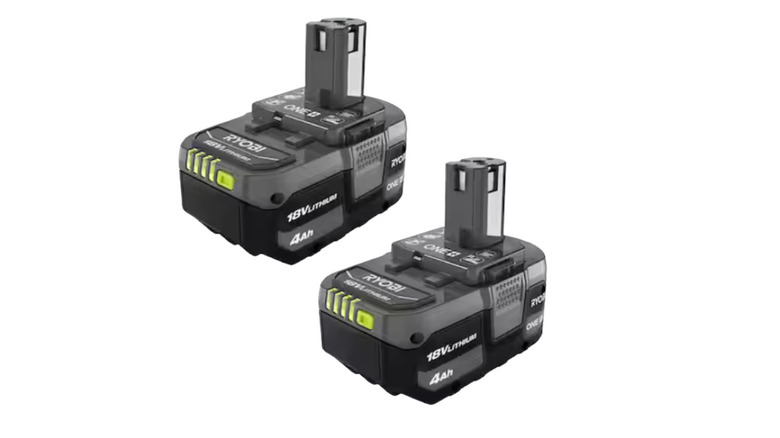
- Most Affordable Brand: Ryobi 18V One+ stands as the budget leader, offering replacement 4.0 Ah batteries for roughly $60 each when purchased in bundles.
- Premium Brand Pricing: Professional names like Milwaukee and Makita feature the highest tool battery costs, with single 5.0 Ah units often retailing between $150 and $170.
- Best Long-Term Value: Ridgid provides a Lifetime Service Agreement that includes free battery replacements, potentially lowering the total cost of ownership to zero over several years.
- Market Pricing Trends: In 2025-2026 comparisons, a DeWalt 20V 5.0 Ah two-pack costs approximately $219, nearly double the price of a comparable Ryobi set.
- Internal Technology: Higher prices in pro-grade batteries are often justified by the use of 21700 cells, which offer 35% more energy density than standard 18650 cells.
- Retail Availability: Many of the most affordable cordless tool batteries are exclusive house brands for major retailers like Home Depot and Lowe's.
Ryobi is currently the most affordable major national brand for tool battery costs, providing homeowners with a standard 18V 4.0 Ah two-pack for approximately $119, or roughly $60 per battery. In contrast, professional brands like DeWalt, Milwaukee, and Makita frequently charge between $110 and $170 for a single high-capacity battery, making the Ryobi ecosystem the most budget-friendly choice for routine maintenance and DIY projects.
| Brand | Typical Battery (Ah) | Price Per Unit (Approx.) | Market Tier |
|---|---|---|---|
| Ryobi 18V One+ | 4.0 Ah (in 2-pack) | $59.50 | DIY / Homeowner |
| Craftsman V20 | 4.0 Ah | $79.00 | DIY / Mid-Range |
| Kobalt 24V | 4.0 Ah | $85.00 | DIY / Prosumer |
| Ridgid 18V | 4.0 Ah | $99.00 | Prosumer (LSA eligible) |
| DeWalt 20V Max | 5.0 Ah (in 2-pack) | $109.50 | Professional |
| Makita LXT 18V | 5.0 Ah | $157.00 | Professional |
| Milwaukee M18 | 5.0 Ah | $169.00 | Professional |
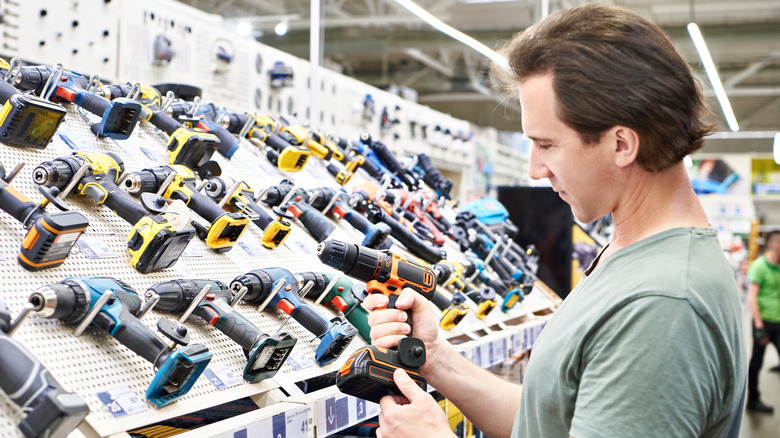
The Budget Leader: Why Ryobi Dominates the DIY Market
When analyzing tool battery costs across the industry, Ryobi consistently emerges as the price leader. The brand has built its reputation on the 18V One+ platform, which has remained compatible with every tool released since 1996. This consistency allows homeowners to invest in a single battery type without worrying about planned obsolescence.
The primary reason Ryobi offers the most affordable 18V battery brands for DIYers is its manufacturing strategy. Ryobi is owned by Techtronic Industries (TTI), a global powerhouse that also produces Milwaukee tools. By utilizing established technology and manufacturing at a massive scale, TTI can keep retail prices low. While Ryobi vs DeWalt battery replacement cost analysis shows a significant gap, much of that comes down to the materials used in the casing. Ryobi often incorporates durable plastic components instead of the heavy-duty metal and over-molded rubber found in professional units, significantly reducing manufacturing costs.
Furthermore, Ryobi benefits from Home Depot exclusivity. This partnership allows for aggressive promotional bundling, such as the famous Buy One Get One (BOGO) deals during Father's Day or the holiday season. During these events, the cost of affordable cordless tool batteries can drop even further, sometimes reaching as low as $40 per unit when stripped from a kit. For a typical homeowner who needs a drill, a circular saw, and a leaf blower, sticking with Ryobi can save hundreds of dollars in replacement tool battery value over a five-year span.
Mid-Range Contenders: Kobalt and Craftsman Value Analysis
If you find yourself needing more power than a standard DIY tool but aren't ready to pay professional prices, the mid-range market offers a compelling middle ground. Comparing battery platform value for homeowners often leads to a showdown between Lowe's house brands, like Kobalt, and the legendary Craftsman brand now owned by Stanley Black & Decker.
Kobalt 24V batteries are an interesting case study in replacement tool battery value. Because they operate on a 24V system, they often provide more torque and faster charging than standard 18V tools. However, because they are tied specifically to Lowe's, their pricing is kept competitive to drive foot traffic. Craftsman, meanwhile, focuses on the V20 platform. While their batteries are slightly more expensive than Ryobi, they offer a more robust build quality and a wider distribution network, including Ace Hardware and various online retailers.
For most users, the decision between these two comes down to retail margins and promotional bundling strategy. Craftsman frequently bundles two 4.0 Ah batteries with a charger for under $150, positioning them as a strong alternative for those who want a brand with a professional heritage without the professional price tag.
Professional Investment: The High Cost of Milwaukee, DeWalt, and Makita
At the top of the price hierarchy sit the "Big Three": Milwaukee, DeWalt, and Makita. A power tool battery price comparison reveals a stark reality for professionals; you are often paying double or triple the price of a DIY battery. Professional-grade 18V replacement batteries from Milwaukee and Makita are among the highest in cost, typically retailing for approximately $169 and $157 per 5.0 Ah unit respectively.
Why is there such a massive discrepancy in tool battery costs? It comes down to professional-grade durability and torque performance. Milwaukee M18 High Output batteries and DeWalt PowerStack units are designed to withstand extreme temperatures, heavy vibrations, and repeated drops on concrete. They also feature advanced communication between the tool and the battery, known as a Battery Management System (BMS), which prevents the tool from overheating during high-stress tasks like drilling through thick masonry or cutting heavy timber.
The Ryobi vs DeWalt battery replacement cost analysis highlights that while DeWalt is more expensive, their 20V Max system (which is actually 18V nominal) provides a higher ceiling for power. DeWalt's newer PowerStack technology uses stacked pouch cells instead of traditional cylindrical cells. This allows for a more compact footprint and 50% more power, but it pushes replacement tool battery value into a different category where the initial investment is much higher. For a contractor who earns a living with these tools, the reduced downtime and increased longevity justify the premium.
The Technical Tax: Amp-Hour Pricing and Cell Chemistry
To truly understand what you are paying for, it helps to look at standardizing power tool battery cost per amp hour. An Amp-hour (Ah) measures the total charge a battery can deliver in one hour. If you buy a 2.0 Ah battery for $60, you are paying $30 per Ah. If you buy a 6.0 Ah battery for $120, you are only paying $20 per Ah.
Several technical factors influence this math:
- Cell Selection: Most budget batteries use 18650 cells. More expensive, high-output batteries have migrated to 21700 cells, which are larger and offer roughly 35% more energy density.
- Lithium-ion technology: The quality of the lithium-ion chemistry determines how many charge cycles a battery can survive before it starts losing capacity.
- Thermal Management: Professional batteries use high-quality heat sinks and spacing between cells to prevent thermal runaway, a major factor in charge cycle longevity.
- Electronics: A sophisticated BMS protects against over-discharge and deep discharge, extending the life of the battery by years.
By looking at these internal components, the price per amp hour becomes a more transparent way to judge whether a battery is a ripoff or a smart investment.
The Warranty Wildcard: Ridgid and Kobalt's Long-Term Savings
One of the most overlooked aspects of tool battery costs is the manufacturer warranty period. Most brands offer a standard 2-year or 3-year limited warranty on batteries. However, some brands use their warranty as a primary selling point to offset high upfront costs.
Ridgid offers a unique value proposition for long-term battery costs through its Lifetime Service Agreement (LSA). This program provides free replacement batteries for the life of the tool to original owners who register their products. If you are asking is a Ridgid battery warranty better than buying cheap batteries, the answer is often yes for someone planning to stay in the same tool ecosystem for a decade. While a Ridgid battery might cost $99 today, the fact that you may never have to buy another one again makes it arguably the most affordable cordless tool batteries option over a 10-year horizon.
Kobalt also offers a generous 3-year warranty on its batteries, which is better than the 1 or 2 years offered by some generic aftermarket replacements found on sites like Amazon. While aftermarket batteries are tempting due to their low price, they often lack the safety sensors and high-quality cells required for longevity, frequently failing within the first year of use.
FAQ
Why are cordless tool batteries so expensive?
Replacement batteries are the most expensive part of a cordless tool because they contain high-grade lithium cells and complex electronic monitoring systems. Manufacturers often sell the tools themselves at a low margin to "lock" users into their specific battery platform, then make their profit on the high-margin replacement batteries.
How much does a replacement power tool battery cost?
The price varies significantly by brand and capacity. A standard DIY-grade battery typically costs between $50 and $90, while professional-grade high-capacity batteries (6.0 Ah and above) can range from $150 to over $250 depending on the technology used.
Is it cheaper to buy a new tool or a new battery?
Frequently, it is cheaper or roughly the same price to buy a new "tool kit" that includes a battery and charger rather than buying a single replacement battery at full retail price. Manufacturers use these kits as promotional leaders, making them a better value for the consumer.
Are off-brand power tool batteries worth the money?
While off-brand batteries are significantly cheaper, they often lack the internal safety features and thermal management of original equipment manufacturer (OEM) batteries. This can lead to shorter tool life, slower performance, and in rare cases, fire hazards due to poor cell quality.
Do tool batteries get cheaper over time?
Generally, no. While the cost of lithium cells fluctuates, the retail price for brand-name batteries has remained relatively stable or increased slightly. However, you can find significant savings by purchasing during seasonal sales events like Black Friday or "Pro Days."
What is the average lifespan of a lithium-ion tool battery?
Most lithium-ion batteries are rated for 300 to 500 full charge cycles. For a typical homeowner, this translates to roughly 3 to 5 years of regular use. Factors like extreme heat, freezing temperatures, and leaving the battery completely discharged for long periods will significantly shorten this lifespan.