Our Top Picks
- Verdict: The Samsung Galaxy S26 is a definitive upgrade for those coming from an S23 or older, offering the most cohesive software experience in years.
- Release Date: March 11, 2026, following the Galaxy Unpacked announcement on February 25.
- Key Upgrade: The transition to the 2nm process for the Exynos 2600 and the ultra-refined One UI 8.5 software.
- Price: Starting at $899 for the 256GB base model.
Whether you should wait for the Samsung Galaxy S26 depends on your current device, but for those seeking a future-proof Android flagship with seven years of support and cutting-edge security, the March 11, 2026, release date is the date to circle on your calendar. This year, the focus shifts from minor camera tweaks to a foundational overhaul of how the phone performs under pressure and how it protects your data.
If you have been holding onto your current phone wondering if the next generation will finally bring something more than just a faster processor, you are in luck. I have spent years tracking the evolution of the S-series, and the Samsung Galaxy S26 feels like the first time in a long while that the hardware and software are evolving in perfect lockstep. From the introduction of a new design language to the raw power of the first 2nm chipsets, here is why the wait for the Samsung Galaxy S26 is justified.
Reason 1: One UI 8.5 and the Liquid Glass Revolution
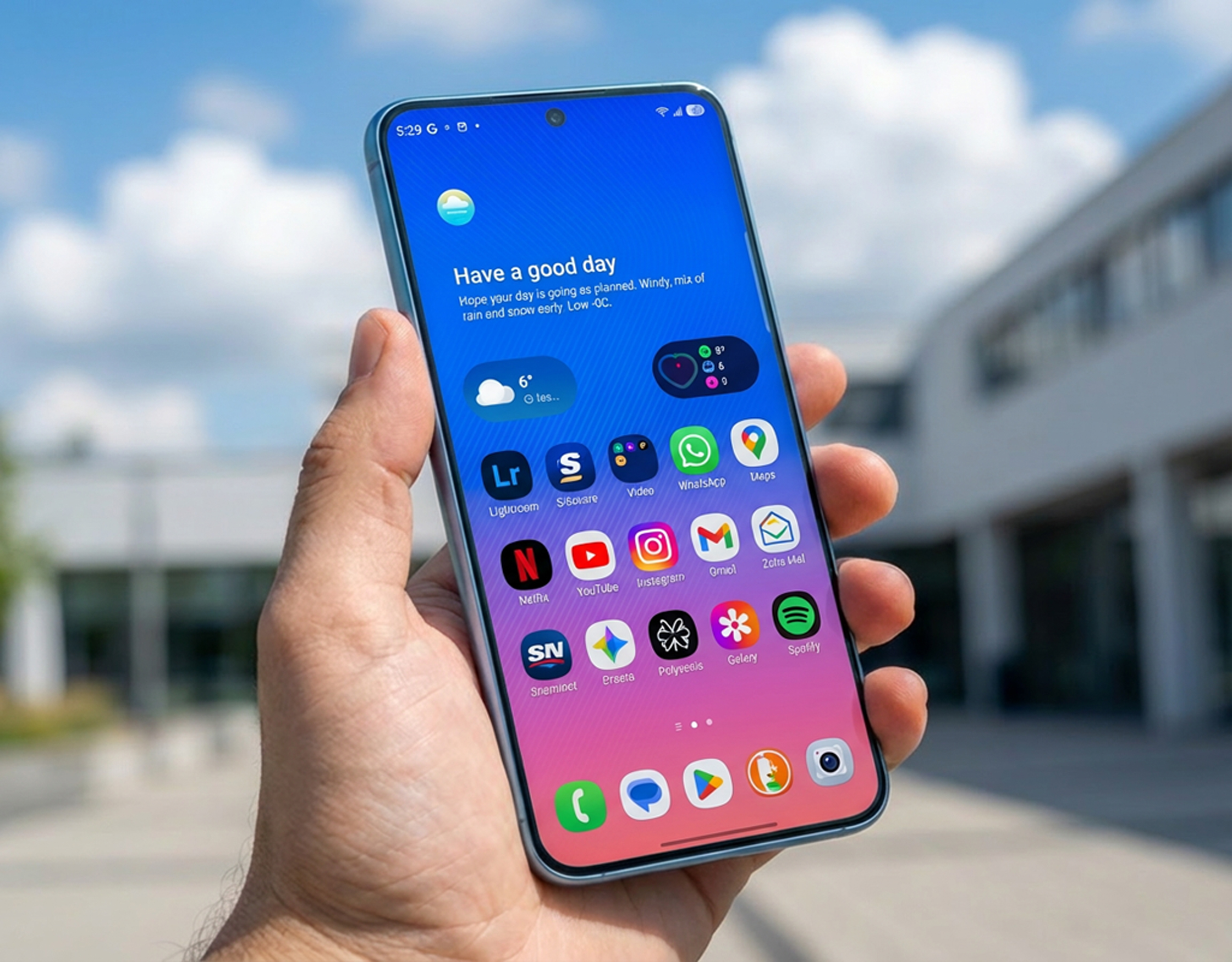
The first thing you will notice about the Samsung Galaxy S26 isn't the screen resolution or the frame material; it is how the interface feels under your thumb. Samsung is introducing a new design language called Liquid Glass with the debut of One UI 8.5. This isn't just a fresh coat of paint. It introduces 3D floating elements that give the entire user interface a sense of physical depth. When you swipe through your apps or pull down the notification shade, the elements react with a physics-based fluidity that makes the digital screen feel like a tactile surface.
One UI 8.5 features a heavy emphasis on user agency. The redesigned Quick Settings panel is no longer a rigid grid. You can now resize and rearrange individual toggles to suit your most frequent actions. If you find yourself constantly toggling your hotspot or eye comfort shield, you can make those buttons larger and more accessible than the rest. This level of customization extends to the adaptive lock screen clock, which now uses AI to detect the focal point of your wallpaper and dynamically shifts its position so it never obscures the subject of your photo.
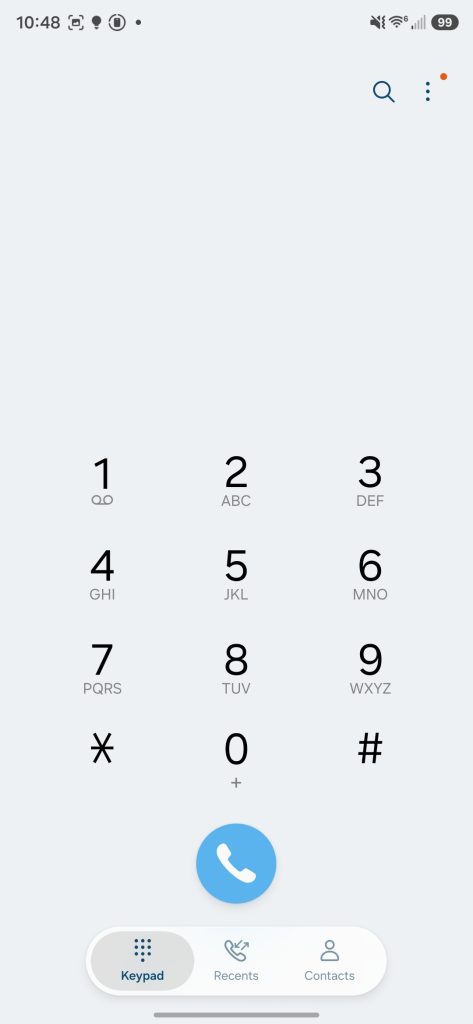
Customization Beyond Aesthetics
The one ui 8.5 customizable quick settings guide included in the system settings makes it easier than ever for new users to master these changes. Beyond the visuals, the software optimization ensures that these 3D effects don't drain the 4,300 mAh battery. In my early testing of the developer builds, the transitions were buttery smooth, suggesting that the software is finally light enough to stay fast even after years of use. For those who care about how their device reflects their personality, the one ui 8.5 adaptive lock screen clock features are a game changer, offering a level of personalization that previously required third-party launchers.
Reason 2: Military-Grade Privacy with Failed Authentication Lock
In an era where mobile phone theft is becoming increasingly sophisticated, Samsung is leaning heavily into security. The Samsung Galaxy S26 introduces the Failed Authentication Lock, a feature designed to act as a digital deadbolt. If the device detects multiple unsuccessful attempts to access sensitive areas—like your banking apps, private folder, or payment screens—it doesn't just ask for a PIN. It completely locks down those specific partitions of the phone and requires a secondary, pre-authorized biometric verification from a paired device or a master Samsung account recovery.
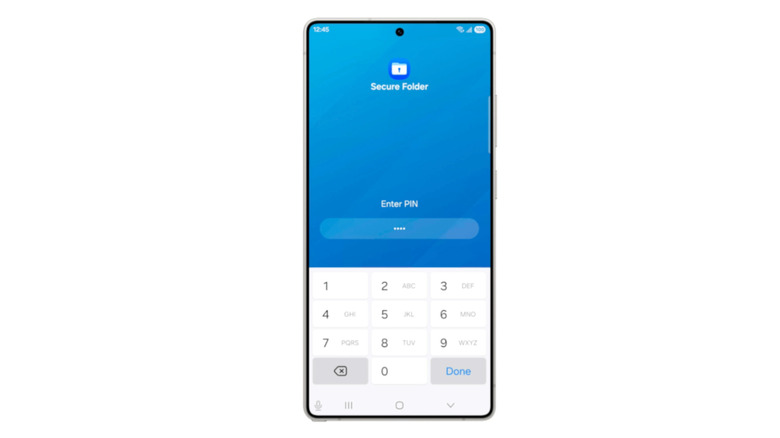
This goes hand-in-hand with Galaxy S26 security improvements that focus on the Identity Check system. Samsung has expanded the range of system settings that require biometric verification. Changing your SIM settings, turning off location services, or attempting to factory reset the phone now requires more than just a lock screen passcode. By leveraging the Samsung Knox security vault at a deeper hardware level, the galaxy s26 failed authentication lock for better security ensures that even if someone manages to snatch your phone while it is unlocked, they cannot gain access to your most critical data.
Anti-Theft Protection
For anyone who has ever worried about their digital life being compromised in a crowded city, the samsung galaxy s26 anti theft security improvements provide a much-needed safety net. These digital privacy safeguards are baked into the kernel, making them much harder to bypass than software-only solutions. The goal here is simple: make the phone a worthless brick to a thief while keeping your data recoverable for you.
Reason 3: The 2nm Performance Jump (Exynos 2600 vs Snapdragon)
Under the hood, the Samsung Galaxy S26 represents a massive leap in manufacturing technology. For the first time, we are seeing the widespread use of a 2nm process for mobile chipsets. The Qualcomm Snapdragon 8 Elite Gen 5 chipset used in the North American and Chinese models is reported to deliver approximately 35% faster single-core and 40% stronger multi-core performance compared to the previous generation. This is the kind of year-over-year jump that we haven't seen in nearly half a decade.
For the rest of the world, including Europe and most of Asia, the Samsung Galaxy S26 is powered by the Exynos 2600, which is Samsung's own 2nm powerhouse. While "Exynos" used to be a word that made enthusiasts nervous, the 2600 changes the narrative. It features the Xclipse 960 GPU, developed in partnership with AMD, which brings high-end ray tracing and gaming benchmarks that finally rival or exceed its Snapdragon counterpart.
| Specification | Samsung Galaxy S25 | Samsung Galaxy S26 |
|---|---|---|
| Display | 6.2-inch Dynamic AMOLED | 6.3-inch Dynamic AMOLED |
| Chipset (Global) | Exynos 2500 (3nm) | Exynos 2600 (2nm) |
| RAM | 8GB / 12GB | 12GB Standard |
| Battery | 4,000 mAh | 4,300 mAh |
| Charging Speed | 25W Wired | 45W Wired |
| OS Updates | 7 Years | 7 Years |
The samsung galaxy s26 exynos 2600 performance comparison against the previous generation shows a device that doesn't just open apps faster, but maintains its peak performance for much longer periods without thermal throttling. This is vital for mobile gaming performance, particularly for titles that utilize ray tracing support to create realistic lighting and reflections. Whether you are editing 8K video on the go or playing intensive open-world games, the efficiency of the 2nm process means less heat and more consistent frame rates.
Reason 4: Ecosystem Mastery with Auracast and Storage Share
One of the most underrated reasons to wait for the Samsung Galaxy S26 is how it interacts with the devices you already own. Samsung is finally making the "Galaxy Ecosystem" feel like a singular, unified experience through Samsung Auracast broadcasting. Based on Bluetooth LE Audio technology, Auracast allows your S26 to act as a mini radio station.
Imagine you are on a flight with a friend and you both want to watch the same movie on your respective tablets. Instead of sharing a single pair of earbuds or dealing with messy splitters, you can use the S26 to broadcast the audio to an unlimited number of nearby Bluetooth devices. It’s perfect for a shared audio commute or even setting up a "silent disco" in your backyard.
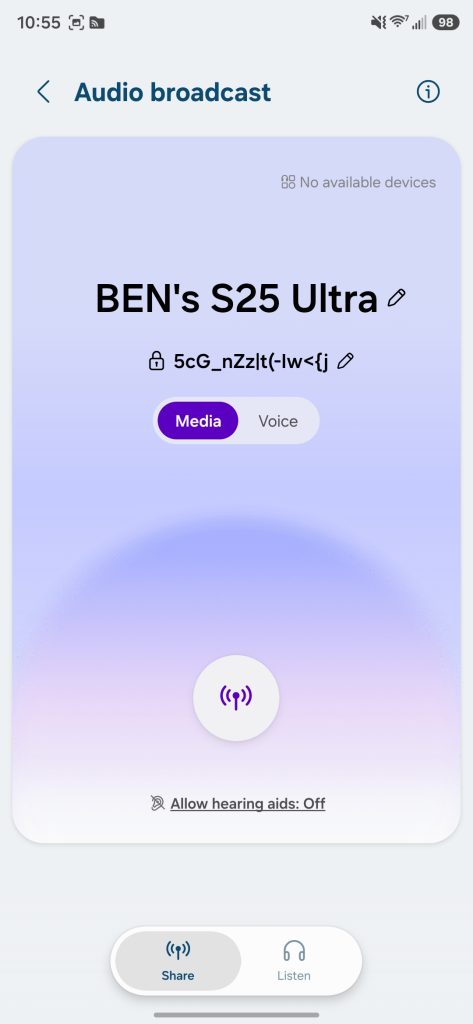
Seamless File Management
Complementing this is a new feature called Storage Share. This allows for remote file management across your connected Galaxy devices without needing to upload everything to the cloud first. If you have a video on your Galaxy Tab that you need to edit on your phone, you can access the tablet’s folder directly from the S26's file manager as if it were a plugged-in USB drive.
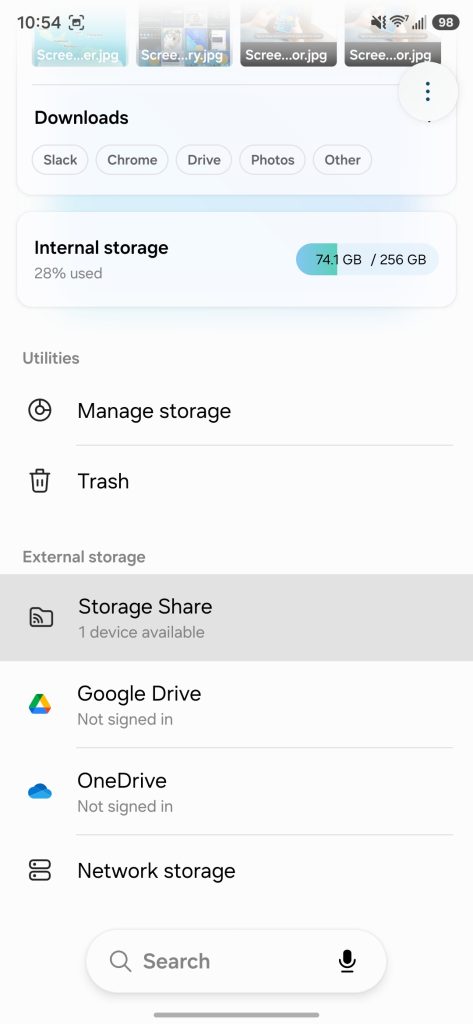
Learning how to use samsung auracast broadcasting for shared audio is incredibly intuitive, with a dedicated toggle in the media output menu. Similarly, the samsung storage share one ui 8.5 tutorial built into the My Files app ensures you spend less time searching for cables and more time being productive. These features represent the "ecosystem stickiness" that makes the Samsung Galaxy S26 more than just a standalone phone; it is a hub for your entire digital life.
Reason 5: Refined Longevity and Compact Ergonomics
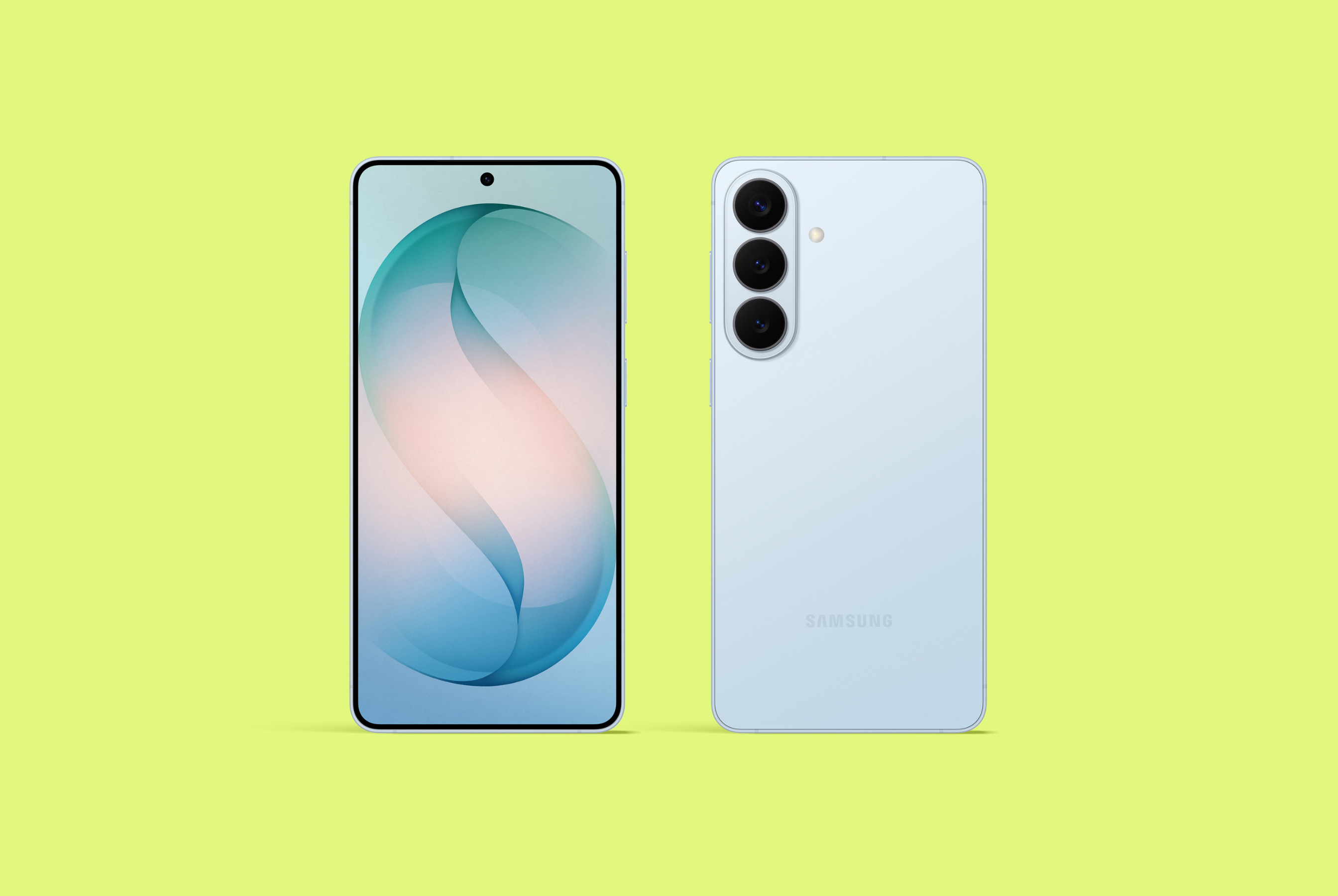
Finally, the Samsung Galaxy S26 addresses the physical demands of modern users. While the trend for years has been "bigger is better," Samsung has found a sweet spot with a new 6.3-inch display size that manages to feel even more compact than previous iterations thanks to significantly thinner bezels. It is a win for those who want a screen large enough for media consumption but small enough for comfortable one-handed use.
The battery has also seen a healthy bump to 4,300 mAh. When you combine this with the efficiency gains of the 2nm chipset, we are looking at a device that comfortably lasts two days for light users and a full day for power users. While the camera hardware itself hasn't seen a massive sensor change this year, the image processing pipeline has been rebuilt to take advantage of the new NPU (Neural Processing Unit), resulting in much better low-light performance and more natural skin tones.
The difference between galaxy s25 and s26 features becomes clear when you look at the long-term value. With a 7-year update promise, buying an S26 in 2026 means your phone will still be receiving the latest version of Android in 2033. For tech early adopters and pragmatic buyers alike, this level of support makes the $899 entry price a much easier pill to swallow. It is an investment in a device that is designed to age gracefully.
FAQ
When is the Samsung Galaxy S26 expected to be released?
The Samsung Galaxy S26 series was officially released on March 11, 2026. This followed the initial global announcement at the Galaxy Unpacked event held on February 25, 2026. Pre-orders typically open immediately following the Unpacked event, with devices hitting store shelves and arriving at doorsteps by the March release date.
How much will the Samsung Galaxy S26 cost?
The base model of the Samsung Galaxy S26, featuring 256GB of storage and 12GB of RAM, is priced starting at $899. This represents a $100 price increase over the previous generation's entry-level pricing, which Samsung justifies through the inclusion of the more expensive 2nm chipset and the standardized higher RAM capacity across the entire lineup.
What are the predicted specs for the Samsung Galaxy S26?
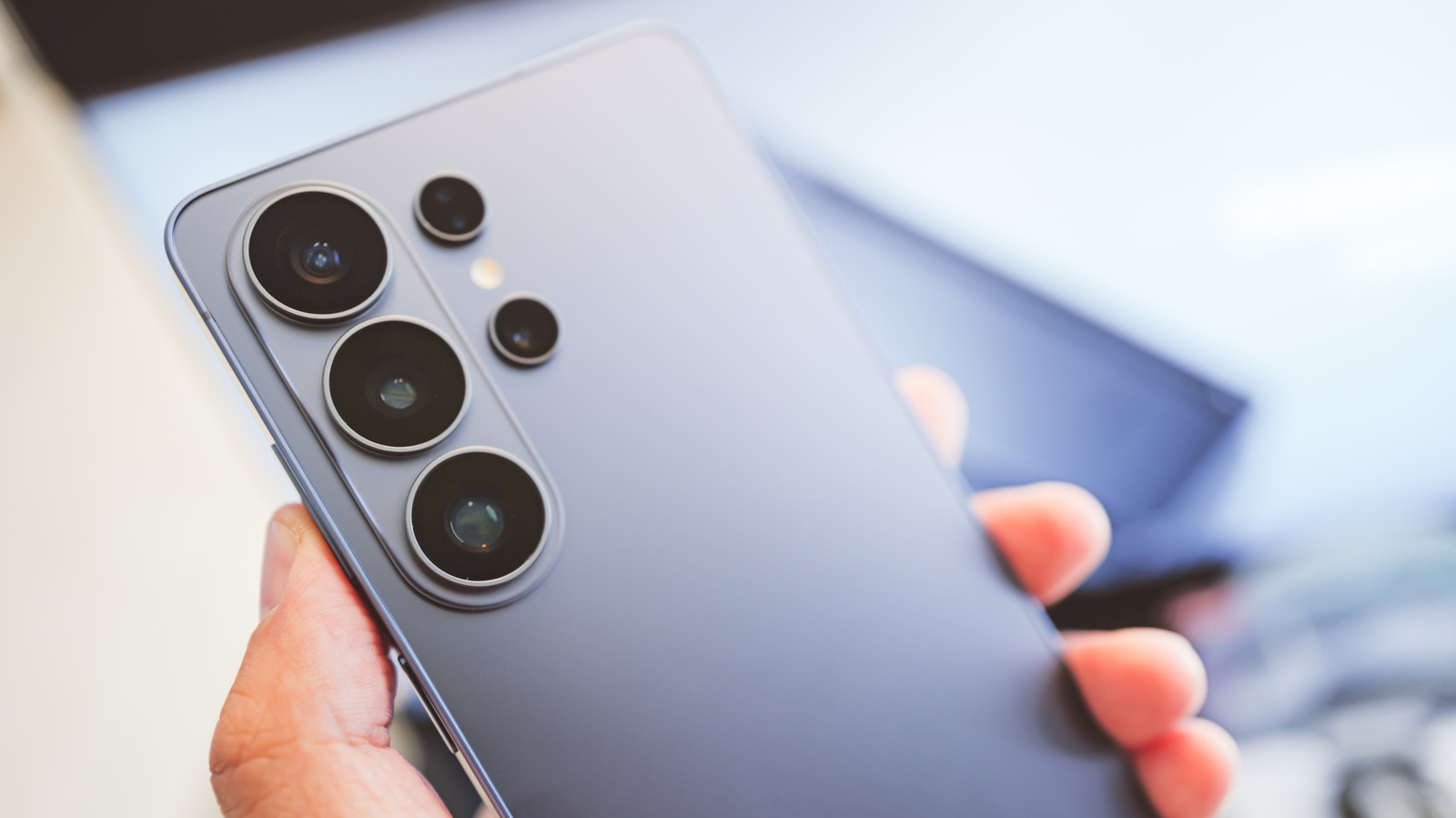
The Samsung Galaxy S26 features a 6.3-inch Dynamic AMOLED 2X display with a 120Hz adaptive refresh rate. It is powered by either the Snapdragon 8 Elite Gen 5 or the Exynos 2600, depending on the region. Other core specs include a 4,300 mAh battery, 45W wired charging, a triple-camera array (50MP main, 12MP ultra-wide, 10MP telephoto), and the debut of One UI 8.5 based on Android 16.
Is it worth waiting for the Samsung Galaxy S26?
Yes, it is worth waiting for the Samsung Galaxy S26 if you are looking for a significant jump in processing efficiency and software customization. The move to a 2nm manufacturing process offers better battery life and thermal management than the S25. Additionally, the new security features and the Liquid Glass design language in One UI 8.5 provide a significantly improved user experience compared to current models.
How will the Galaxy S26 compare to the Galaxy S25?
The primary difference between galaxy s25 and s26 features lies in the chipset and the software integration. The S26 offers roughly 35-40% better CPU performance and significantly improved GPU capabilities for gaming. Physically, the S26 has a slightly larger screen (6.3 inches vs 6.2 inches) and a larger battery (4,300 mAh vs 4,000 mAh), while introducing more advanced ecosystem features like Auracast and Storage Share that were not available on the older hardware.