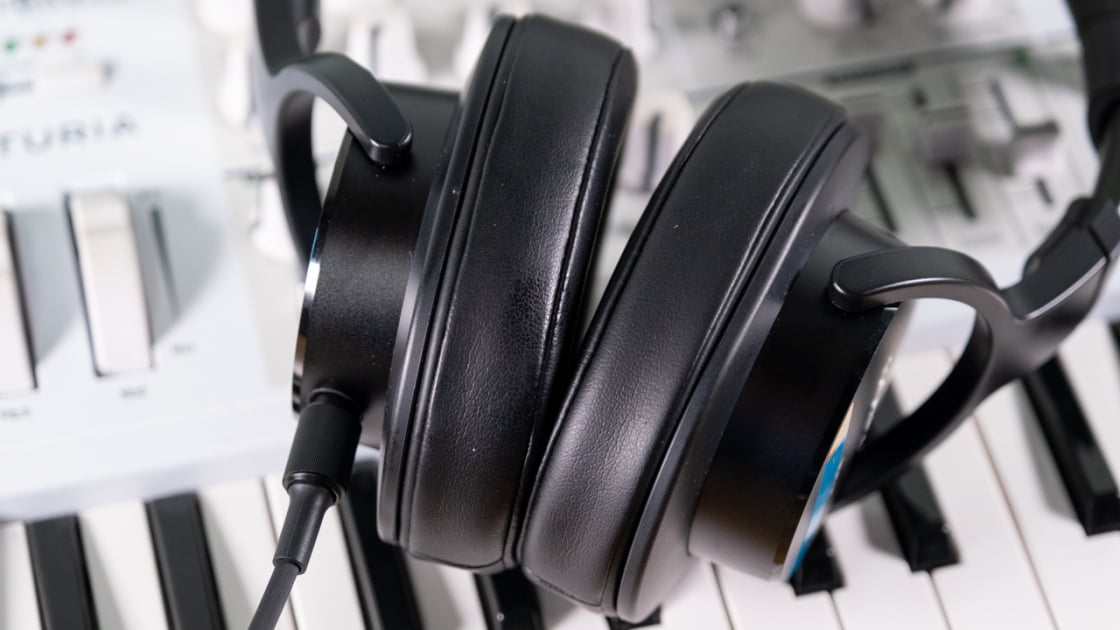
Our Top Picks
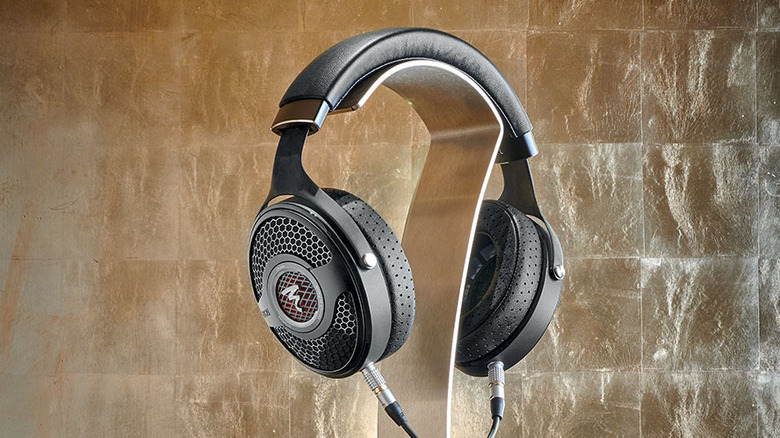
- The Grand Master: Focal Utopia — Unrivaled resolution using pure beryllium M-shaped drivers; the current pinnacle of acoustic engineering.
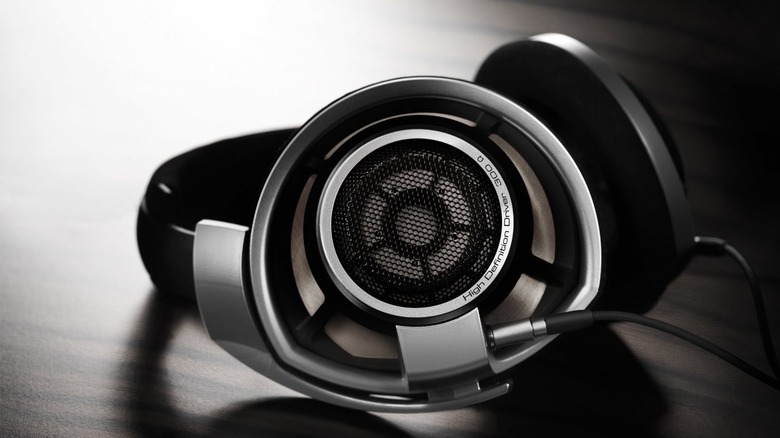
- The Soundstage King: Sennheiser HD 800 S — Boasts the most expansive, three-dimensional listening experience available for critical home setups.
- The Pro-Value Standard: Sony MDR-M1 — Exceptional high-resolution audio performance for studio environments at a competitive price point.
- The Gaming Hybrid: Audeze Maxwell 2 — Planar magnetic precision meets low-latency wireless, bridging the gap between professional sound and gaming utility.
Top-tier audiophile headphones in 2026 include the Focal Utopia, which uses beryllium drivers for high detail, and the Sennheiser HD 800 S, favored for its wide soundstage. For those seeking professional performance at a lower price point, the Beyerdynamic DT 700 Pro X and Grado SR325x offer refined sound signatures suitable for critical listening. These models cater to different needs, from ultra-premium home setups to versatile studio monitoring environments.
The landscape of high-end audio has shifted significantly as we head into the middle of the decade. The global audiophile headphone market is projected to reach a valuation of approximately USD 3.67 billion in 2026, driven by a renewed appreciation for uncompressed analog signals. Despite the convenience of wireless tech, wired headphones are expected to hold a 55.7% share of the premium market because they remain the only way to achieve zero latency and true high-fidelity reproduction. As an editor who has lived through the transition from vinyl to streaming and back to hi-res files, I’ve seen hardware evolve to meet these demands. This list represents the absolute best audiophile headphones currently defining the industry.
Methodology: How We Tier Fidelity in 2026
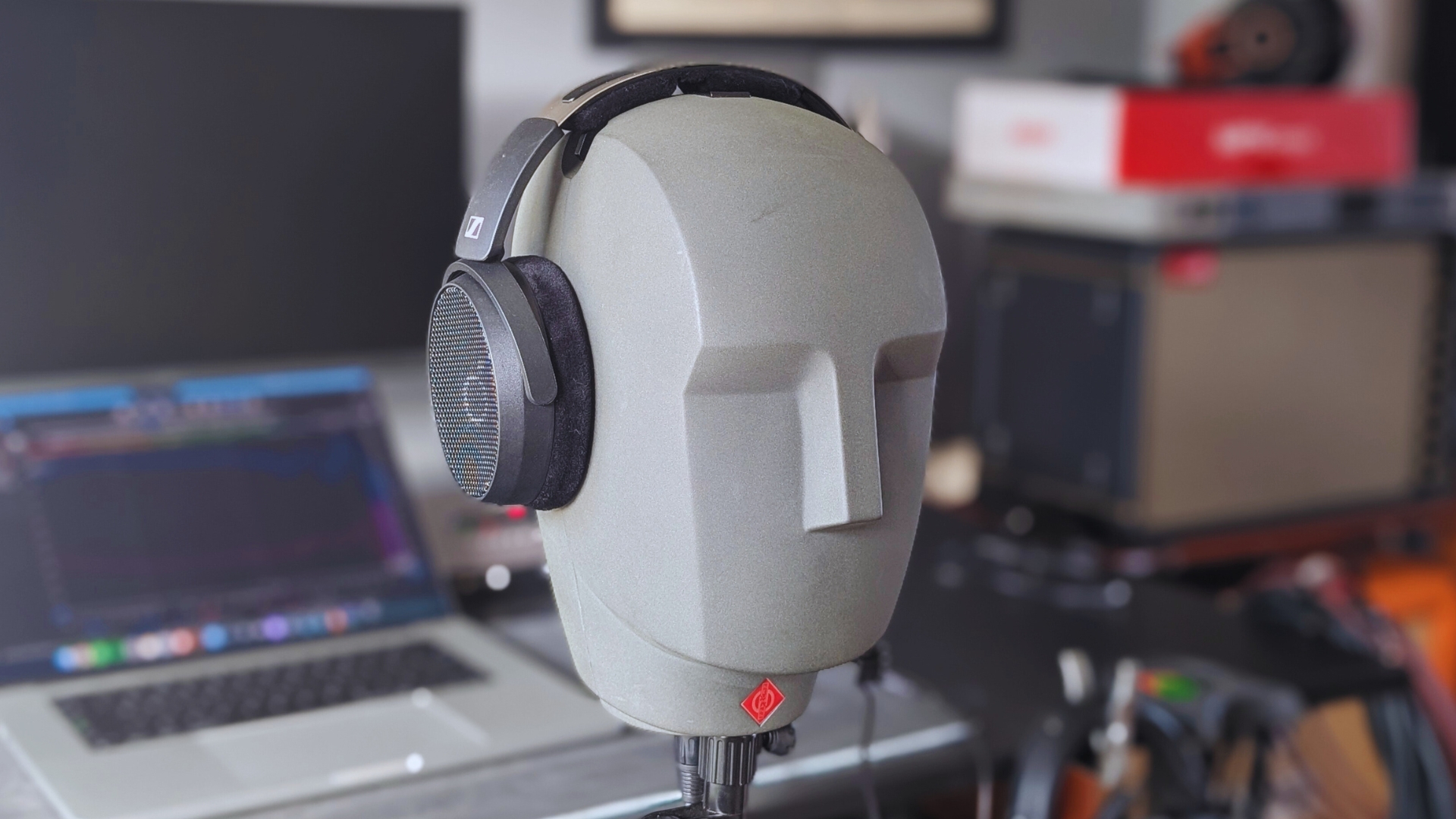
Ranking fidelity isn't just about subjective "vibes." Our process involves rigorous lab testing of over 880 units, utilizing dummy heads equipped with calibrated microphones to measure the frequency response and Total Harmonic Distortion (THD). We look for acoustic transparency—the ability of a headphone to disappear, leaving only the music behind.
In 2026, the 500 USD to 1000 USD price segment is anticipated to capture the largest share of the market. Consequently, our methodology places a heavy emphasis on value-to-performance ratios. We evaluate imaging and instrument separation to ensure that complex orchestral pieces don't turn into a sonic "mush." Every model in this ranking has been paired with a variety of external DAC/AMP setups to find the perfect source synergy.
2026 Audiophile Comparison Matrix
| Model | Driver Type | Impedance | Weight | Best Use Case |
|---|---|---|---|---|
| Focal Utopia | Dynamic (Beryllium) | 80 Ohms | 490g | Ultimate Home Listening |
| Sennheiser HD 800 S | Dynamic (Ring) | 300 Ohms | 330g | Wide Soundstage |
| Focal Clear Mg | Dynamic (Magnesium) | 55 Ohms | 450g | Warm Reference |
| Austrian Audio Composer | Dynamic | 22 Ohms | 385g | Modern Professional |
| Sony MDR-M1 | Dynamic | 24 Ohms | 216g | Studio Monitoring |
| Beyerdynamic DT 700 Pro X | Dynamic | 48 Ohms | 350g | Closed-back Tracking |
| Grado SR325x | Dynamic | 38 Ohms | 280g | Energetic Rock/Jazz |
| Audeze Maxwell 2 | Planar Magnetic | N/A (Active) | 490g | Gaming & Media |
| Meze Audio 105 AER | Dynamic | 42 Ohms | 320g | Relaxed Comfort |
| Sennheiser HD 660S2 | Dynamic | 300 Ohms | 260g | Vocal Intimacy |
| HiFiMAN Edition XS | Planar Magnetic | 18 Ohms | 405g | Budget Planar Detail |
Tier 1: The Reference Masters (Ultra-High Fidelity)
At this level, price is secondary to performance. These headphones are designed for the listener who wants to hear the exact moment a cellist's bow touches the string or the faint echo of a recording studio's room acoustics.
Focal Utopia
The Focal Utopia remains a marvel of transducer technology. By utilizing pure beryllium diaphragms in a specialized M-shaped dome, Focal has created a driver that is incredibly light yet exceptionally rigid. This results in a lightning-fast transient response. When listening to high-resolution audio, the Utopia offers a level of micro-detail that feels almost surgical, yet it never loses its musicality.
- Fidelity Verdict: A masterclass in clinical precision and punchy dynamics.
- Source Synergy: Best paired with a high-end tube amp and balanced XLR cables to smooth out the top end.
Sennheiser HD 800 S
If the Utopia is about detail, the Sennheiser HD 800 S is about space. Known as the Soundstage King, its 56mm Ring Radiator driver is angled to mimic the way sound hits your ears from speakers. This creates a soundstage depth that is unrivaled among best open-back headphones for wide soundstage 2026. It is the ultimate tool for orchestral music, where instrument separation is paramount.
- Fidelity Verdict: Transparent and airy, though some may find the bass a bit lean without EQ.
- Source Synergy: Requires a powerful external DAC/AMP due to its 300-ohm impedance.
Focal Clear Mg
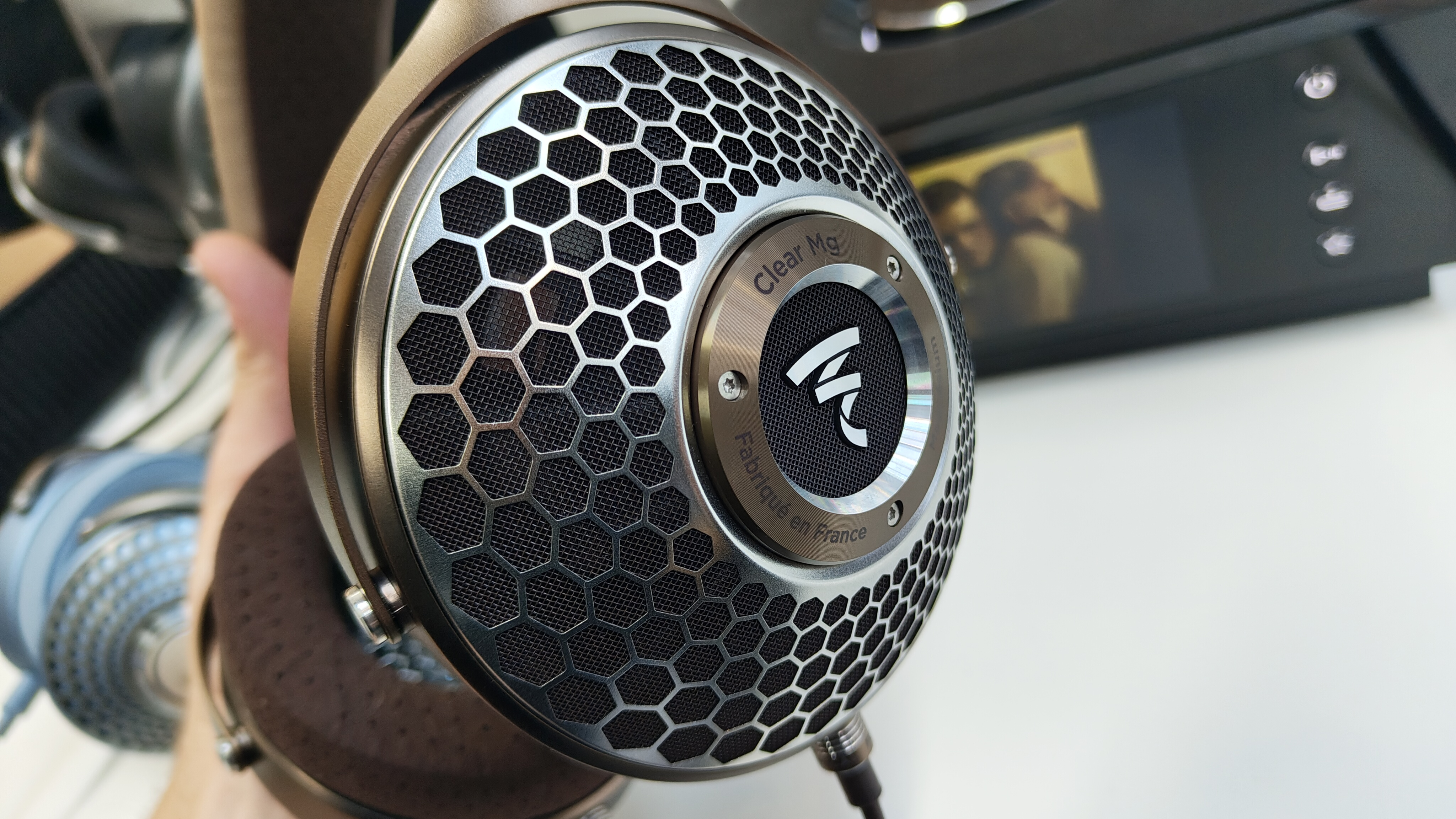
The Focal Clear Mg provides a slightly warmer alternative to the Utopia. Using magnesium M-shaped drivers, it offers a rich, tactile sound signature that excels with jazz and acoustic recordings. It strikes a beautiful balance between being a technical powerhouse and a comfortable long-term listening companion.
Tier 2: The Studio Standards & Critical Monitoring
These headphones are the workhorses of the industry. They prioritize a neutral sound signature so that engineers and audiophiles can hear exactly what was captured on the track without coloration.
Sony MDR-M1
The Sony MDR-M1 is a standout in the current hi-fi headphone rankings. It was designed specifically for high-resolution audio monitoring, featuring a frequency range from 5Hz to 80,000Hz. For a closed-back design, it offers surprising breathability and a very flat response, making it one of the best high-fidelity studio headphones for neutral sound monitoring.
Austrian Audio The Composer
Austrian Audio has quickly become a favorite for those who miss the classic AKG house sound. The Composer is their flagship, featuring a high-excursion driver that delivers incredible clarity. It’s an example of modern reference monitoring that doesn't feel boring; it is vivid, fast, and physically adjustable for a perfect seal.
Beyerdynamic DT 700 Pro X
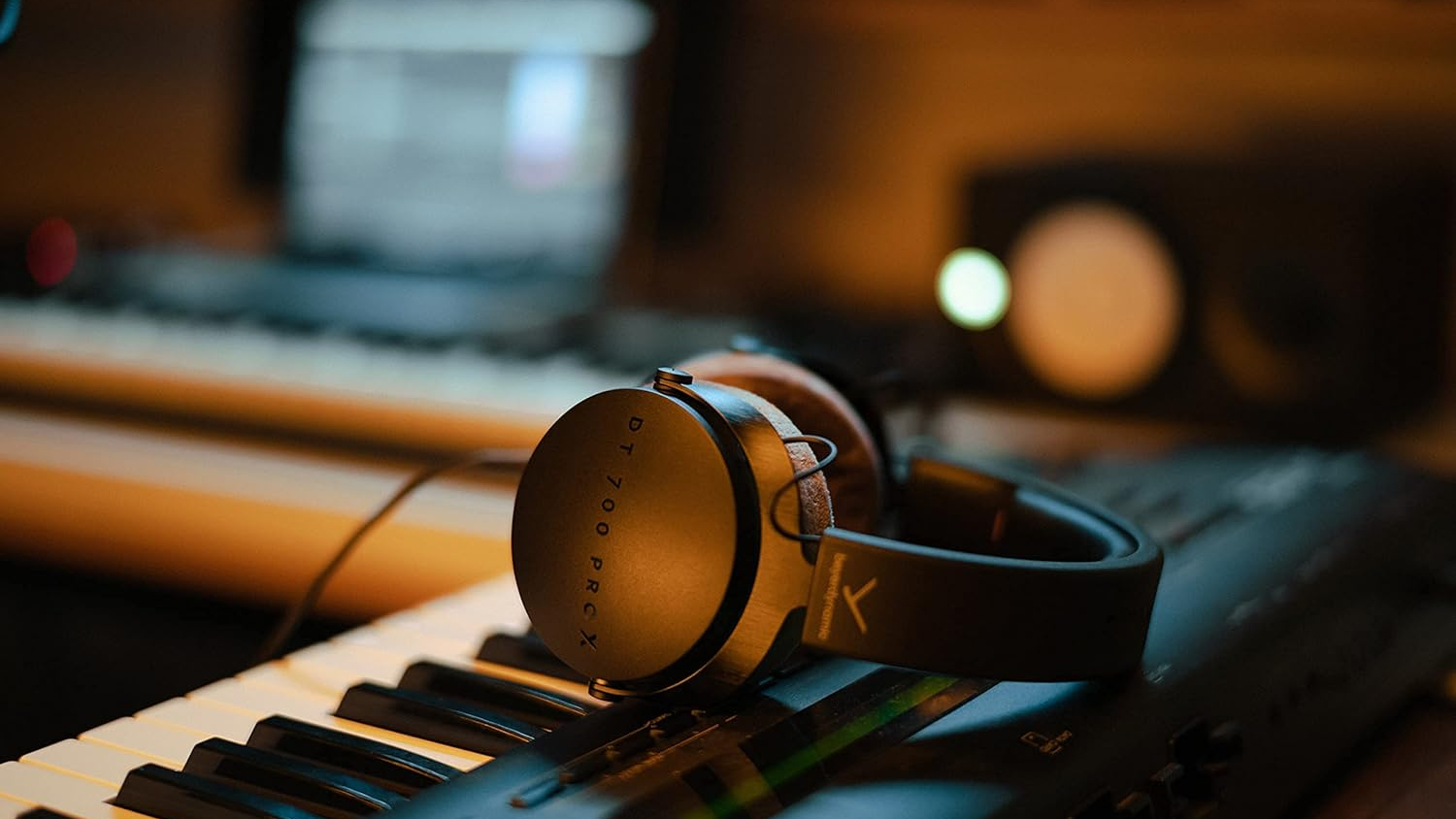
Beyerdynamic updated their legendary studio line with the Stellar.45 driver, making the DT 700 Pro X much easier to drive than its predecessors. This is a closed-back master, offering the isolation needed for recording while maintaining the accuracy required for mixing.
Grado SR325x
For those who want an "on-stage" experience, the Grado SR325x is the best budget audiophile headphones under $200-$300 segment contender. Its open-back design and unique driver tuning make it incredibly energetic. It’s not neutral, but for rock and roll, the mid-range presence is addictive.
Tier 3: Modern Versatility (Gaming, Travel & Comfort)
The lines between "audiophile" and "lifestyle" are blurring. These models offer high-fidelity performance but add features for the modern, multi-tasking listener.
Audeze Maxwell 2
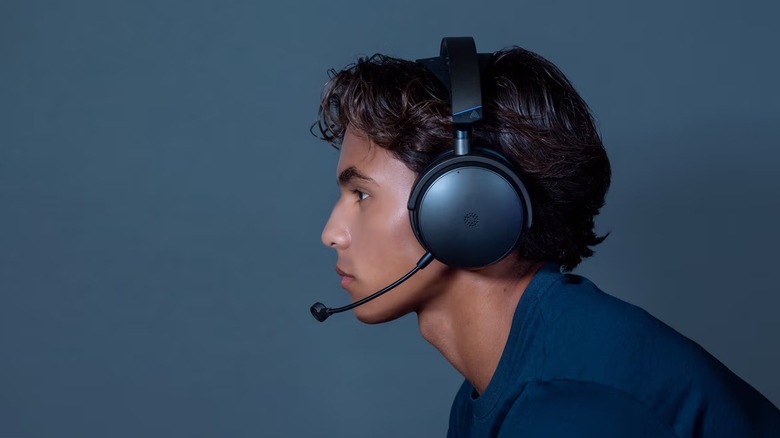
The Audeze Maxwell 2 is specifically engineered for users who require high-fidelity performance for both gaming and music. It features 90-millimeter planar magnetic drivers that support spatial audio, providing the imaging necessary for competitive gaming and the depth required for high-resolution music. With a long battery life and low-latency wireless connectivity, it bridges the gap between consumer convenience and audiophile-grade audio reproduction. However, at 490g, it is heavy; some users may find the weight a challenge during 6-hour sessions.
Meze Audio 105 AER
If comfort is your primary concern, Meze is the brand to watch. The 105 AER is one of the most comfortable audiophile headphones for long listening sessions thanks to its self-adjusting headband and plush memory foam earpads. The sound is "polyphonic"—lush and smooth—making it perfect for relaxing after a long day.
Sennheiser HD 660S2
A successor to the legendary HD 650, the 660S2 addresses the "bass roll-off" of previous models. It maintains the legendary Sennheiser "veil-free" midrange but adds a bit more sub-bass energy. With a 300-ohm impedance, it still demands a quality amplifier to truly sing.
HiFiMAN Edition XS
The Edition XS uses a stealth magnet design and a super-thin diaphragm. It is arguably the best planar magnetic audiophile headphones for detail in its price bracket. The large, egg-shaped cups provide a massive sense of scale to the music, though the build quality is more functional than luxurious.
Buyer’s Guide: Matching Impedance and Soundstage
Selecting between open-back and closed-back headphones depends on the listening environment and desired soundstage. Open-back models like the Meze Audio 105 AER provide an airy, transparent sound that mimics a live performance but allows sound to leak. Closed-back headphones, such as the Sony MDR-M1, offer superior passive noise isolation and deeper bass impact, making them the preferred choice for professional studio work and listening in public or shared spaces.
Understanding impedance matching is also crucial. High-impedance headphones (like the 300-ohm Sennheiser models) require an external DAC/AMP to reach their full potential. If you plug them directly into a laptop, they will sound quiet and thin. Conversely, low-impedance models like the Austrian Audio The Composer can be driven easily by almost any source, though they still benefit from a clean signal.
Finally, consider the ergonomics. A headphone can have the best transducer technology in the world, but if the clamping force gives you a headache after thirty minutes, you won't use it. Weigh the benefits of heavy planar drivers against lighter dynamic designs.
FAQ
What is the difference between audiophile and regular headphones?
Audiophile headphones focus on fidelity and accuracy, often sacrificing features like active noise cancellation or Bluetooth to ensure the signal remains uncompressed. Regular headphones usually have a "V-shaped" sound signature with boosted bass and treble for consumer appeal, whereas audiophile models aim for a more balanced, detailed, and realistic representation of the original recording.
Do you need a DAC or amp for high-end headphones?
It depends on the impedance and sensitivity of the model. High-impedance headphones like the Sennheiser HD 800 S require an amplifier to provide enough voltage to move the drivers effectively. Even for easy-to-drive models, an external DAC (Digital-to-Analog Converter) ensures that the conversion from your digital file to sound is handled with much higher precision than the cheap chips found inside standard laptops or phones.
Which are better for critical listening: open-back or closed-back?
Generally, open-back headphones are preferred for critical listening because they allow air to pass through the ear cups, preventing pressure build-up and creating a more natural, wide soundstage. Closed-back headphones are better for environments where you need isolation, as they prevent sound from leaking out and block ambient noise from coming in, which is essential for studio tracking.
Are audiophile headphones good for gaming and movies?
Absolutely. The superior imaging and instrument separation that make audiophile headphones great for music also make them incredible for gaming and movies. You will be able to pinpoint the exact direction of footsteps or experience the cinematic scale of a film score with much more clarity than "gaming" headsets usually provide.
Is wired audio always better than wireless?
In 2026, wired audio remains the gold standard for pure fidelity. Wireless transmission involves compressing the audio data to fit through the Bluetooth bandwidth, which can lead to a loss of micro-detail. Wired connections also offer zero latency, which is critical for professional monitoring and high-performance gaming.