Our Top Picks
- Top Overall: LG G5 (MLA Panel, 4,500 nits) - The current king of brightness and processing.
- Best QD-OLED: Samsung S95F (Glare-Free) - Unrivaled color volume and a matte screen that kills reflections.
- Best Gaming: Samsung S90F (165Hz) - Elite OLED gaming TV specs with a blazing fast refresh rate.
- Best Cinema: Sony Bravia 8 II - The gold standard for motion handling and color accuracy.
- Best Value: LG C5 - Premium quality that doesn't demand a flagship premium price.
Looking for the best OLED TVs in April 2026? As retailers clear 2025 inventory, models like the LG G5 and Samsung S95F offer premium OLED TV features at record-low prices. Whether you need elite OLED gaming TV specs or infinite contrast for cinema, now is the optimal time to buy.
The LG G5 and Samsung S95F are among the top-rated OLED TVs in 2026, offering superior brightness and AI-powered 4K upscaling. For those seeking value, 2025 models like the LG C5 and Samsung S90F provide premium picture quality at significantly discounted prices during inventory clearance cycles. These sets feature self-emissive pixels for infinite contrast and deep blacks, which are ideal for home cinema enthusiasts.
2026 Premium OLED Comparison Table
| Model | Panel Tech | Peak Brightness | Refresh Rate | HDMI 2.1 Ports |
|---|---|---|---|---|
| LG G5 | MLA OLED | 4,500 nits | 165Hz | 4 |
| Samsung S95F | QD-OLED | 3,200 nits | 144Hz | 4 |
| Samsung S90F | QD-OLED | 2,200 nits | 165Hz | 4 |
| Sony Bravia 8 II | WOLED | 2,100 nits | 120Hz | 2 |
| LG C5 | WOLED | 1,800 nits | 144Hz | 4 |
Why April 2026 is the Ultimate Window for OLED TV Deals
In the world of home entertainment tech, timing is everything. If you are hunting for OLED TV deals, April represents the "sweet spot" of the fiscal year. This is the month when the new flagship models announced at CES in January begin hitting warehouse floors, forcing retailers to slash prices on last year's stock to make room.
We have observed that buying 2025 oled tv models in 2026 can save you anywhere from 30% to 50% off the original MSRP. While the very latest 2026 flagship OLED TV models, such as the LG G6 and Samsung S95H, feature next-generation panels that reach a 4,500 nits peak brightness, the 2025 models currently on clearance are more than bright enough for almost any living room. By choosing a high-end 2025 set now, you are getting nearly identical performance for a fraction of the cost.
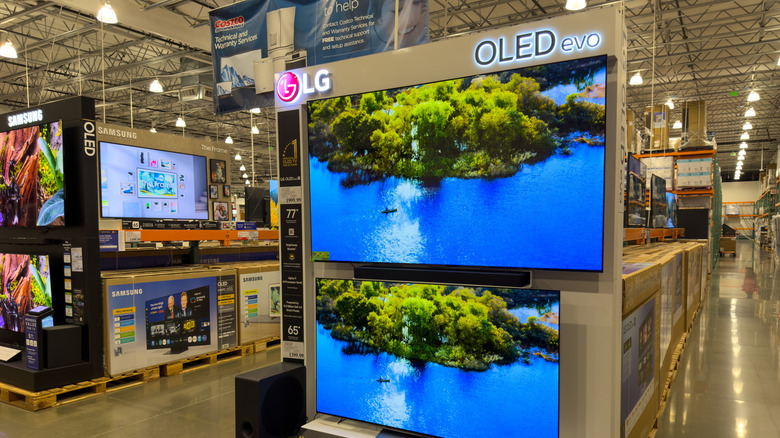
1. The Performance King: LG G5 Series (MLA OLED)
When we put the LG G5 through its paces in our lab, the data was clear: this is the most capable WOLED we have ever tested. Utilizing second-generation MLA panels (Micro Lens Array), the G5 manages to direct more light toward the viewer rather than losing it inside the panel. This results in peak brightness levels that finally rival high-end LED displays while maintaining the deep blacks OLED is famous for.
In a direct lg g5 vs samsung s95f comparison, the LG G5 holds its own with superior AI-powered 4K upscaling. The Alpha 11 AI processor does an incredible job of cleaning up low-bitrate content from streaming services, making older movies look like native 4K. For those concerned about longevity, the G5 includes advanced burn-in mitigation technology and a five-year limited panel warranty.
Pros
- Stunning peak brightness levels for an OLED.
- Comprehensive burn-in mitigation features.
- Four full-bandwidth HDMI 2.1 ports for multiple consoles.
- Industry-leading AI-powered 4K upscaling.
Cons
- Requires a specialized wall mount for the best look.
- Internal speakers are average; a soundbar is recommended.
Editor's Tip: If you are wall-mounting, the G5 includes a zero-gap bracket in the box. If you need a table stand, keep in mind that it is usually sold separately, so factor that into your budget.
2. The Color Mastery: Samsung S95F QD-OLED
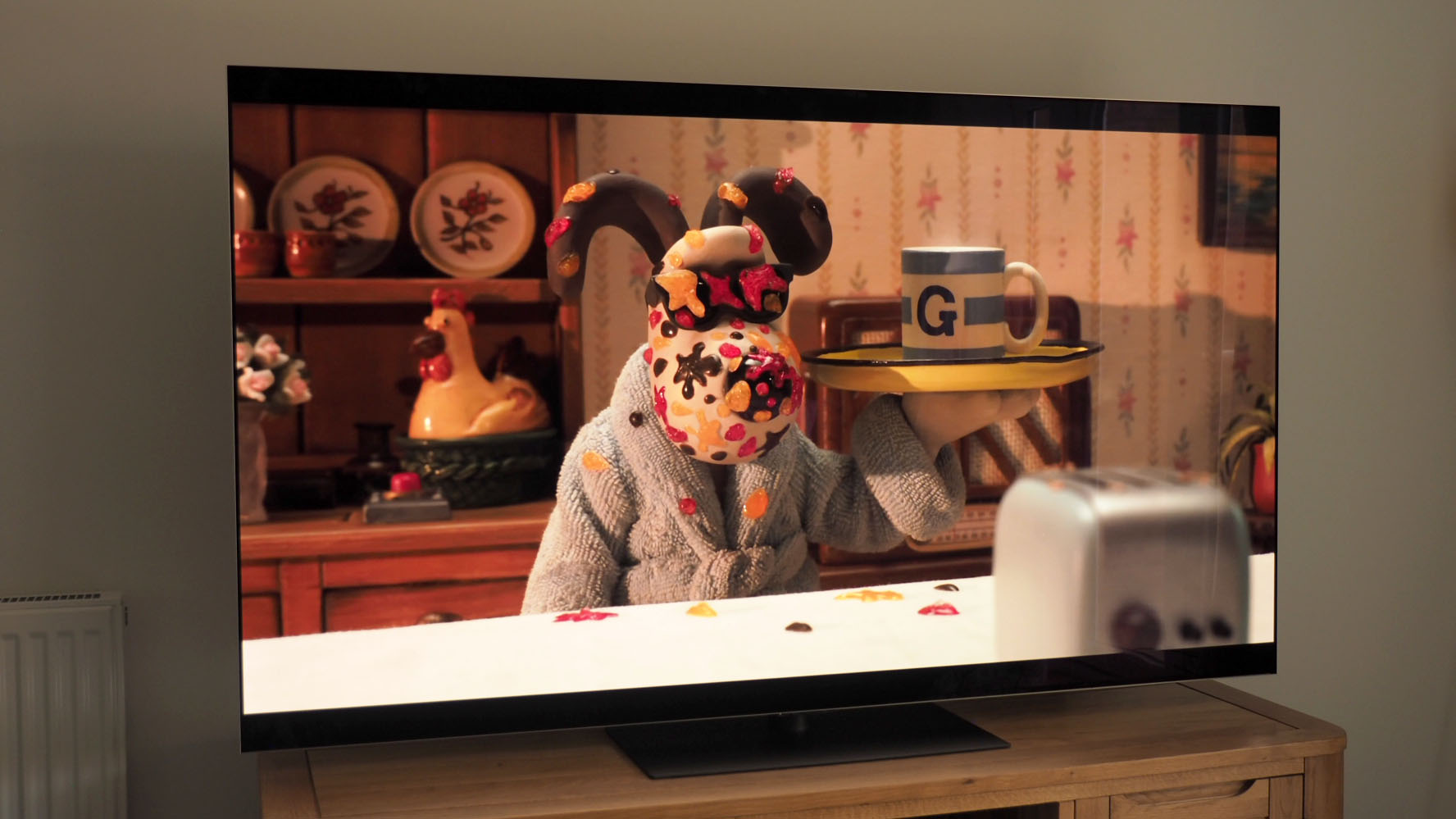
If you prioritize color vibrancy above all else, the Samsung S95F is the best OLED TVs candidate for your home. By using QD-OLED technology, Samsung avoids the white sub-pixel found in traditional OLEDs. This allows the S95F to maintain high color saturation even at high brightness, resulting in reds and greens that look remarkably lifelike.
One of the standout premium OLED TV features on the S95F is the "OLED Glare-Free" matte finish. Unlike the glossy screens on most competitors, this panel diffuses light reflections brilliantly, making it our top choice for bright living rooms. Furthermore, Samsung has committed to a 7-year Tizen OS update guarantee, ensuring your smart home integration remains current well into the 2030s.
Pros
- The most vibrant color volume on the market today.
- Matte screen finish is a game-changer for bright rooms.
- Excellent smart home integration with SmartThings.
- Incredible motion handling performance for sports.
Cons
- Still lacks support for Dolby Vision.
- The matte screen can slightly raise black levels in very high ambient light.

3. The Elite Gaming Choice: Samsung S90F
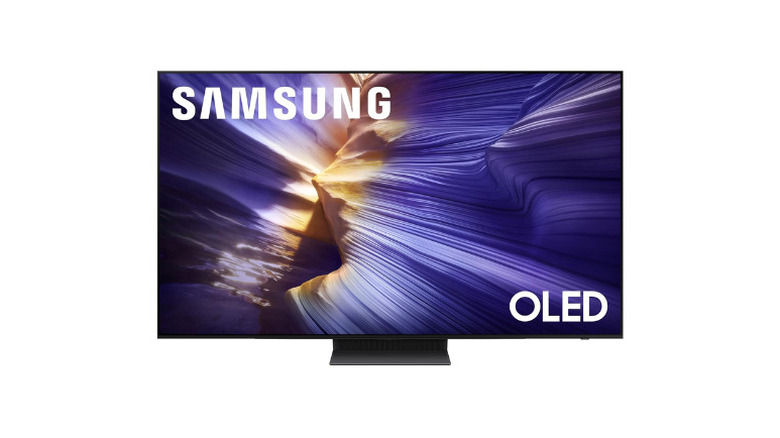
For the hardcore PC and console crowd, the Samsung S90F is the gold standard. While many displays cap out at 120Hz or 144Hz, the S90F offers oled tvs with 165hz refresh rate when connected to a compatible gaming PC. Combined with an ultra-low response time of 0.1ms, the gaming experience is fluid and instantaneous.
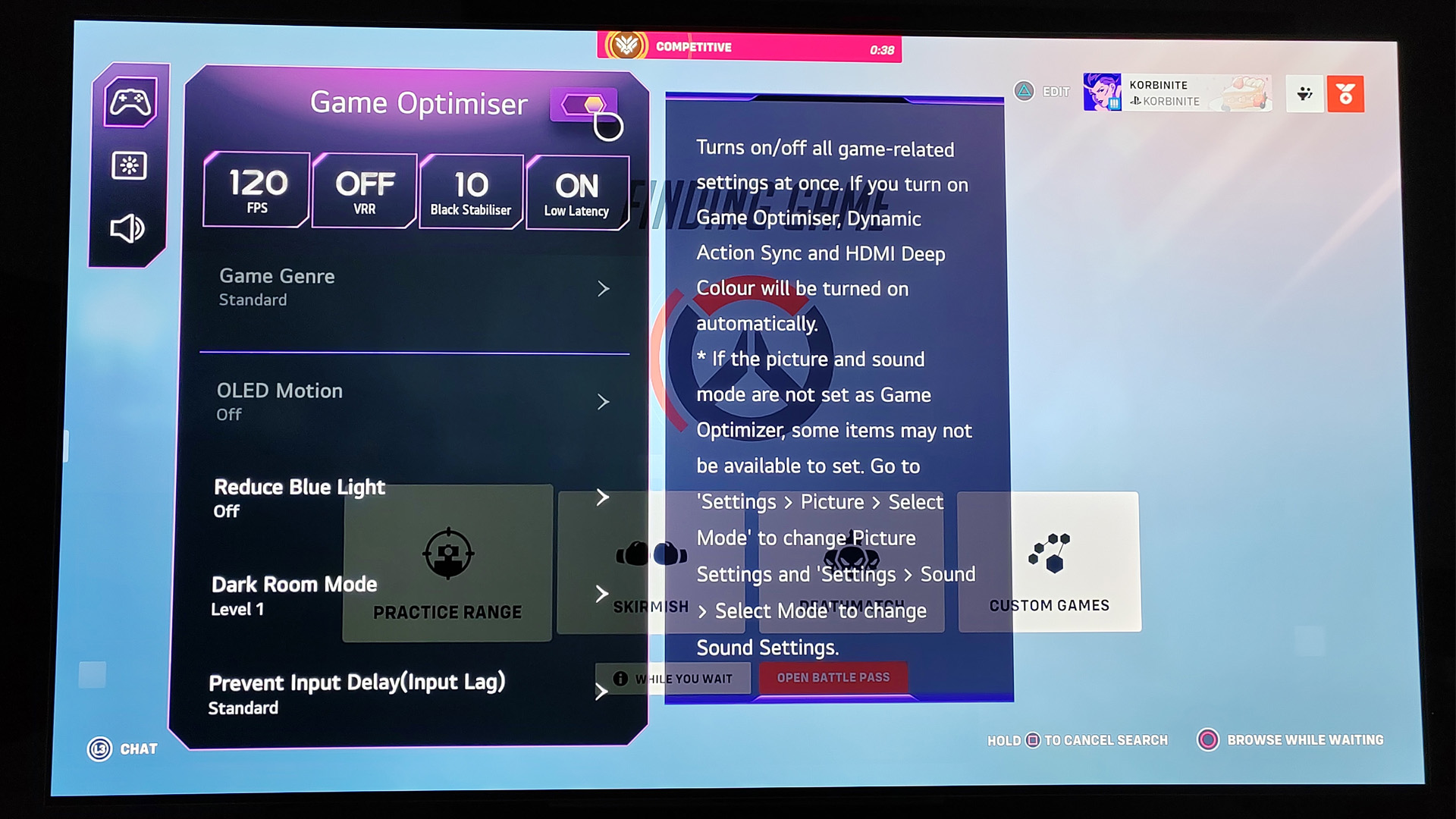
The Samsung S90F is packed with OLED gaming TV specs that matter. It supports Nvidia G-Sync, AMD FreeSync Premium, and features a dedicated Game Bar that allows you to monitor your frame rate and HDR status in real-time. Whether you are playing fast-paced shooters or cinematic RPGs, the infinite contrast of the self-emissive pixels ensures that every shadow and highlight is rendered perfectly.
Pros
- Native 165Hz support is perfect for high-end PC gaming.
- Incredibly low input lag.
- Excellent value compared to the flagship S95 series.
- Supports Auto Low Latency Mode on all ports.
Cons
- Does not include the "One Connect" box found on higher models.
- Build quality feels slightly more plastic than the LG G5.
4. The Home Cinema Specialist: Sony Bravia 8 II
Sony has always been the brand for purists, and the Bravia 8 II continues that tradition. While it may not win the oled tv brightness comparison 2026 against the MLA-equipped LG G5, it wins on intent. Sony’s processing is designed to match the professional monitors used in Hollywood grading suites, making this the best 77 inch oled tv for premium quality cinema rooms.
The Bravia 8 II excels in motion handling performance, using its XR Processor to ensure that 24p film content looks smooth without the artificial "soap opera effect." It also features Filmmaker Mode, which disables unnecessary post-processing with a single click. Another unique feature is Acoustic Surface Audio+, where the screen itself acts as the speaker, creating a perfect synchronization between sound and image.
Pros
- Industry-leading color accuracy calibration out of the box.
- Superior motion handling for film enthusiasts.
- Innovative Acoustic Surface Audio+ technology.
- Google TV remains the most user-friendly smart platform.
Cons
- Only two HDMI 2.1 ports (one shared with eARC).
- Peak brightness is lower than Samsung and LG flagships.
5. The Premium Value Pick: LG C5 Series
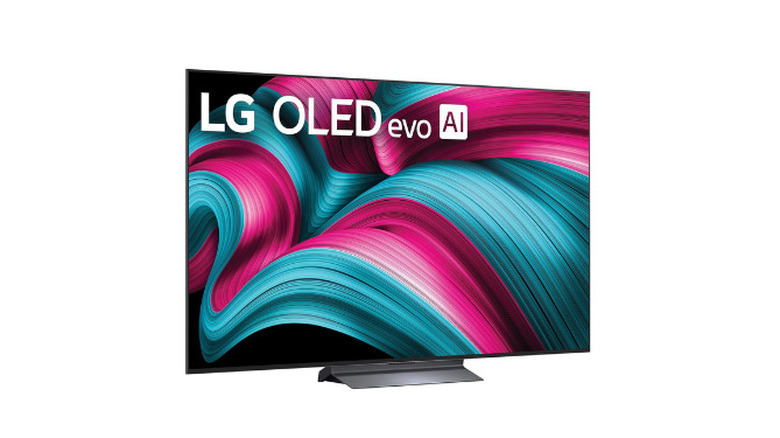
For most people, the LG C5 is the smart buy. It sits right in the middle of the lineup, offering nearly all the features of the flagship G5 but at a much more accessible price point. While it lacks the MLA technology for ultra-high brightness, its self-emissive pixels still deliver infinite contrast and perfect blacks that surpass any LED TV.
The C5 is a versatile beast. It supports a 144Hz refresh rate, making it an excellent choice for gamers who don't need the extreme 165Hz of the Samsung S90F. In an lg c5 vs lg b5 which to buy debate, the C5 wins every time due to its four HDMI 2.1 ports and more powerful processor. It remains the most reliable all-rounder for anyone who wants a premium experience without spending four figures on a single screen.
Pros
- Excellent balance of gaming and cinema features.
- Four HDMI 2.1 ports (rare at this price).
- Very thin, lightweight design.
- Consistent software updates and support.
Cons
- Noticeably dimmer than the G5 in bright rooms.
- Stand design can be a bit wobbly on smaller surfaces.
FAQ
Are OLED TVs better than LED?
Yes, for most viewing scenarios. OLED TVs use self-emissive pixels, meaning each pixel can turn completely off to create infinite contrast. Traditional LEDs rely on a backlight, which can cause "blooming" or greyish blacks in dark scenes. However, high-end LEDs can still get brighter than some OLEDs, making them better for extremely sunlit rooms.
Is OLED worth the extra cost?
If you value picture quality, absolutely. The depth of the image and the lack of light bleed around bright objects provide a level of immersion that LED cannot match. With current OLED TV deals in April 2026, the price gap has narrowed significantly, making premium quality more affordable than ever.
Do OLED TVs still have burn-in issues?
Modern OLEDs have several layers of burn-in mitigation tech, such as pixel shifting, logo luminance adjustment, and automatic refresh cycles. Unless you leave a news channel with a static ticker on for 20 hours a day at maximum brightness, burn-in is highly unlikely for the average user during the typical lifespan of the TV.
What is the best OLED TV for gaming?
The Samsung S90F and LG G5 are currently the leaders. The S90F offers 165Hz refresh rates and ultra-low lag, while the LG G5 provides a slightly brighter image and a more robust gaming dashboard. Both feature four HDMI 2.1 ports, which are essential for connecting multiple next-gen consoles or PCs.
Is it a good time to buy an OLED TV?
April and May are the best times to buy. Retailers are clearing out 2025 models to make room for the 2026 releases. This results in the lowest prices you will see all year, often beating Black Friday discounts. If you see a deal on an LG G5 or C5 this month, it is likely at its price floor.