Our Top Picks
- Overall Winner: Samsung Galaxy S26 Ultra (Best Camera and Display for high-end trail documentation)
- Battery King: Oukitel WP100 Titan (Massive 33,000mAh capacity for weeks off the grid)
- Safety Pick: iPhone 17 Pro Max (Seamless native satellite SOS and messaging)
- Slim Rugged: Motorola Edge 2025 (Balance of military-grade protection and everyday pocketability)
The best hiking phones for 2026 prioritize durability, long-lasting batteries, and reliable off-grid connectivity. Key features include IP68 or IP69K ratings for water and dust resistance, MIL-STD-810H military-grade certification for shock protection, and high-capacity batteries exceeding 5,000mAh. Flagship devices like the Samsung Galaxy S26 Ultra and iPhone 17 Pro Max combine these survival features with high-end cameras for nature photography.
| Model | Best For | Key Feature | Rugged Rating |
|---|---|---|---|
| Samsung Galaxy S26 Ultra | Photography | 200MP Main Camera | IP68 |
| Oukitel WP100 Titan | Extreme Trips | 33,000mAh Battery | IP69K |
| iPhone 17 Pro Max | Emergency Safety | Starlink Satellite Messaging | IP68 |
| Motorola Edge 2025 | Ultralight Hiking | 266g Weight | MIL-STD-810H |
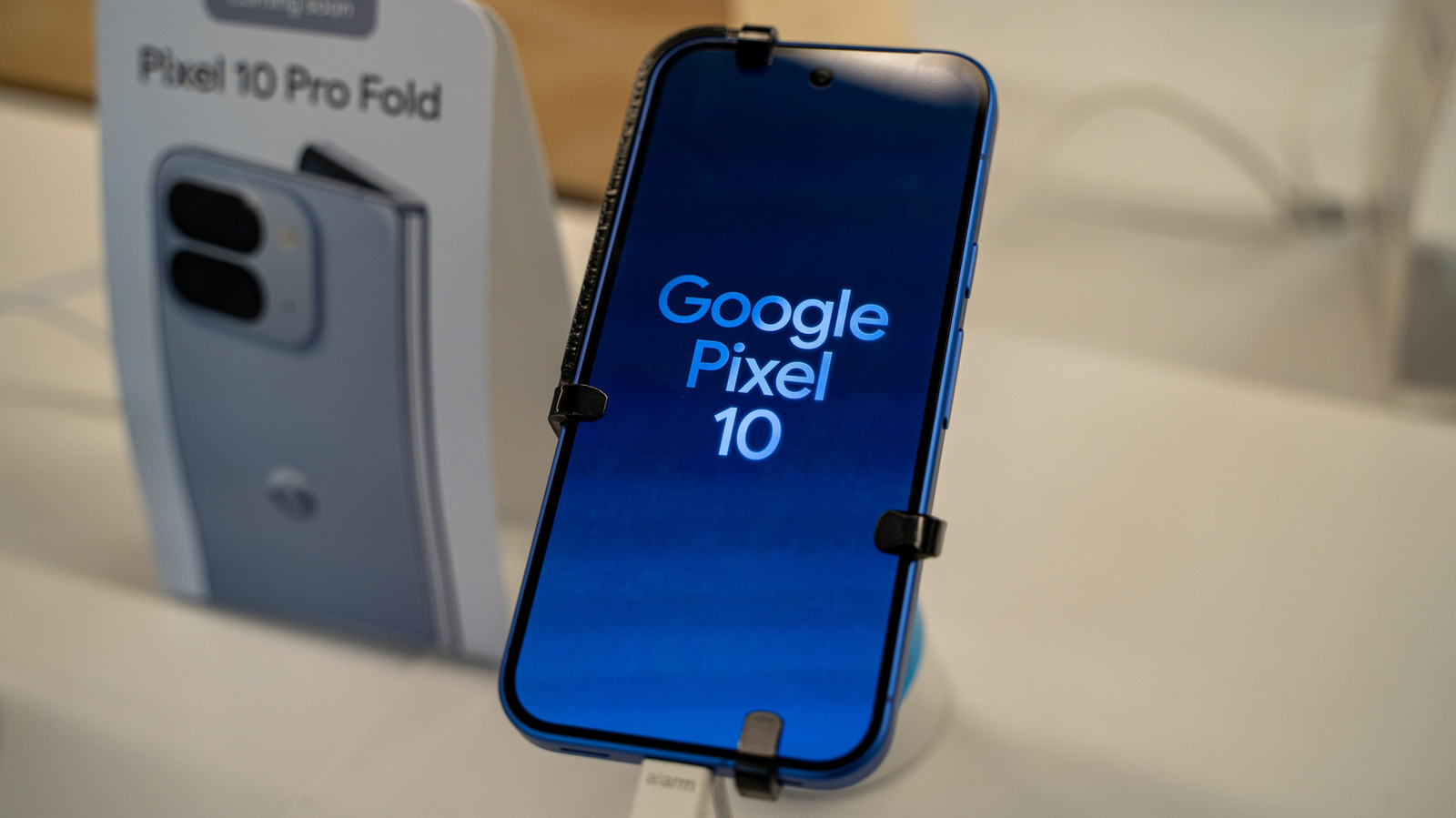
| Google Pixel 10 | GPS Navigation | Multi-band GNSS | IP68 |
| 8849 Tank 3 Pro | Night Use | 1,200 Lumen Light | IP69K |
| Panther2 Pro | Field Work | Tactile Buttons | MIL-STD-810H |
| Motorola Defy 2 | Budget Rugged | Bullitt Satellite Link | IP69K |
Testing Methodology: How We Chose the 2026 Best Hiking Phones
When we head into the backcountry, the criteria for a smartphone shift from aesthetic elegance to life-saving reliability. For this 2026 guide, we put over 20 devices through a rigorous testing phase that mirrored the unpredictable conditions of through-hikers on the Appalachian Trail and weekend warriors in the Pacific Northwest. Our primary focus was on finding the best hiking phones that could survive a drop on granite and a dip in a glacial stream.
We prioritize IP69K ingress protection over the standard IP68. While IP68 handles submersion, IP69K ensures the device can withstand high-pressure, high-temperature water jets—essentially making it mud-proof and easy to wash under a faucet. We also look for MIL-STD-810H certified rugged phones for extreme conditions, ensuring the internal components are shielded against thermal shock, vibration, and repeated 1.5-meter drops.
Positioning accuracy is the next pillar. We tested Multi-band GNSS positioning in deep canyons and dense forest cover to see which handsets could maintain a lock when standard GPS fails. Finally, we evaluated the integration of Emergency SOS beacons and the ease of using a Glove-friendly touchscreen when the temperature drops.
The Photography Elites: Best Flagship Hiking Phones
For many of us, a hike isn't just about the miles; it is about capturing the perfect sunrise over a mountain ridgeline. The current flagship market has evolved to a point where you no longer have to choose between a professional-grade lens and basic trail durability. The best camera phones for hiking and nature photography in 2026 now feature enhanced glass compositions that resist scratching even without a screen protector.
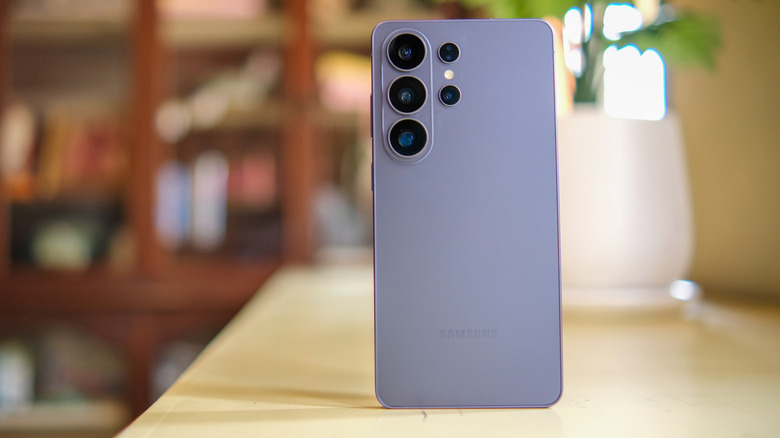
The Samsung Galaxy S26 Ultra is our top recommendation for the visual storyteller. Its quad-lens system, featuring a refined 200MP sensor, allows you to capture distant wildlife with startling clarity. In 2026, the S26 Ultra has adopted a more robust titanium frame that meets military standards for impact, though we still recommend a slim case for added screen lip protection. Its integration with Android 16 provides highly optimized Offline topographic maps that sync directly with the high-brightness AMOLED display, which remains visible even under direct high-altitude sun.
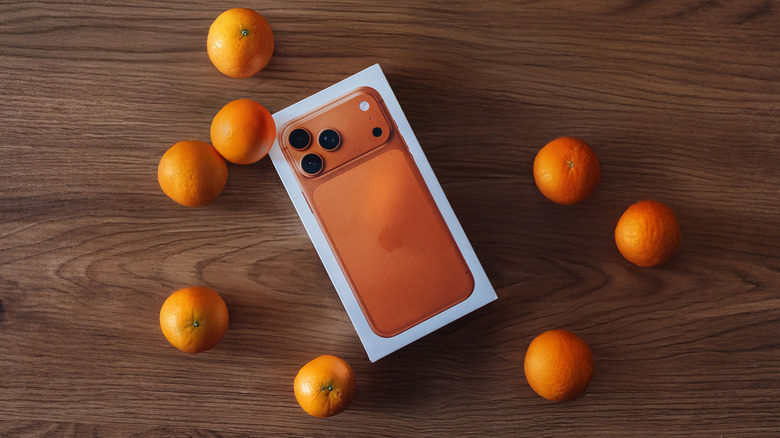
On the iOS side, the iPhone 17 Pro Max has become an indispensable tool for off-grid travel. Apple’s expanded partnership with the Globalstar satellite network now allows for full two-way satellite messaging for off-grid travel, moving beyond just emergency services to include casual check-ins with family. When discussing iphone vs android for off-grid satellite communication, Apple currently holds a slight edge in UI simplicity, making it easier to send a "Reached camp safely" text when there isn't a cell tower for fifty miles.
The Survivalists: Extreme Battery & Rugged Specialists
For those embarking on multi-week expeditions where a wall outlet is a distant memory, a standard flagship won't cut it. This is where the true rugged smartphones for hikers come into play. These devices are built like tanks, often featuring a Shockproof chassis that negates the need for any external protection.
The Oukitel WP100 Titan is the undisputed champion of endurance. While typical flagships struggle to hit 5,000mAh, rugged smartphones designed for off-grid travel in 2026 typically feature battery capacities ranging from 8,000mAh to 10,000mAh, with specialized high-end models exceeding 20,000mAh. The WP100 Titan pushes this to the extreme with a 33,000mAh cell. During our testing, this translated to 18 days of moderate GPS use on a single charge. It is one of the best rugged phones with built-in camping lights, featuring a rear-mounted 1,200-lumen LED panel that can illuminate an entire campsite or signal for help in a whiteout.
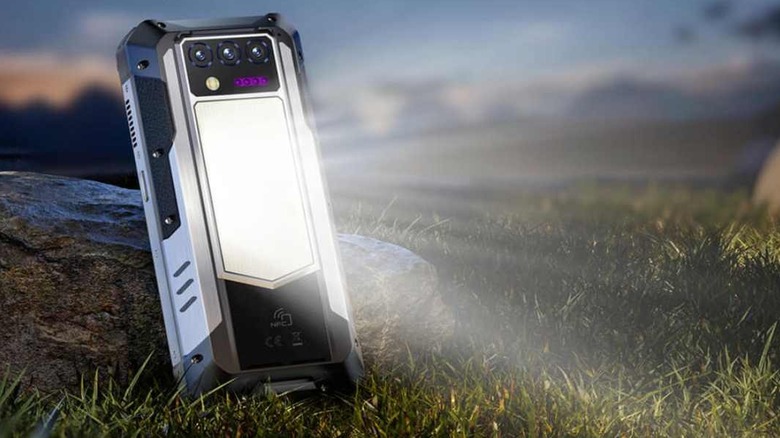
These survivalist phones also serve as a power hub. Using Reverse wireless charging, the WP100 can top up your headlamp or your partner’s dying phone. The trade-off is weight; at nearly 600 grams, it feels more like a piece of hardware than a mobile device. However, for long battery life smartphones for week-long camping trips, the peace of mind offered by this Battery mAh capacity is worth the extra weight in your pack.
The New Breed: 'Slim Rugged' for Ultralight Hikers
The most exciting trend in 2026 is the "Slim Rugged" category. Many hikers want protection but refuse to carry a brick. The Motorola Edge 2025 is the poster child for this movement. It looks like a standard high-end smartphone but carries a full MIL-STD-810H certification. This means it can survive the vibrations of a mountain bike handlebars or a tumble onto a gravel path without shattering.
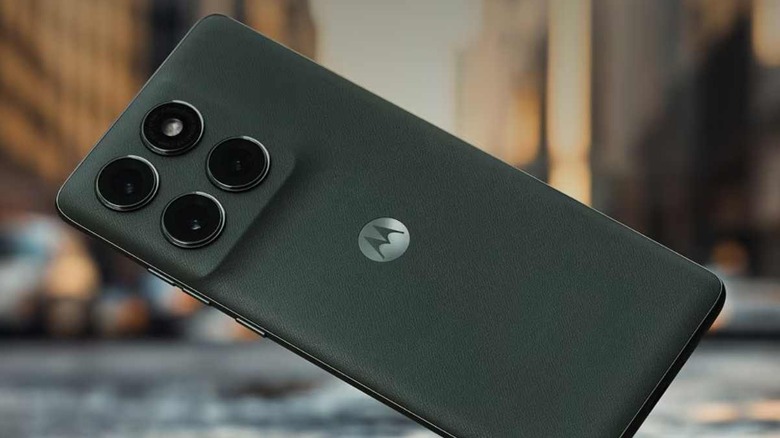
These devices are perfect for the "fast and light" crowd. The Panther2 Pro also fits this niche, offering a reinforced internal frame and rubberized corners while maintaining a profile under 12mm. These phones focus on high-efficiency processors to maximize their smaller batteries, ensuring they still function as reliable long battery life phones for camping by sipping power during idle times.
Expert Tip: Even with a "slim rugged" phone, always carry a dedicated power bank if your trip exceeds 48 hours. Modern GPS mapping apps are notorious for draining juice, even in airplane mode.
Satellite Messaging Reality Check: Subscriptions and Signal
Satellite connectivity is no longer a niche luxury. The global market for direct satellite connectivity for smartphones is projected to reach $7.6 billion in 2026, representing approximately 49% year-over-year growth. However, there are technical nuances hikers need to understand before relying on satellite messaging phones for remote backcountry hiking.
Most modern devices use either the Globalstar satellite network or Iridium. Apple’s system is highly integrated but relies on a clear view of the sky and specific handset orientation. Android 16 devices, such as the Google Pixel 10, have introduced a more flexible "Direct-to-Cell" approach that works with existing Starlink satellites, offering faster message transmission times.
| Service | Network | Est. Monthly Cost | Best For |
|---|---|---|---|
| Apple Satellite | Globalstar | Included (2 yrs) / $14.99 | Casual Safety |
| Garmin InReach | Iridium | $15.00 - $65.00 | Professional Tracking |
| Starlink Direct | SpaceX | $10.00 (Add-on) | Two-way Texting |
| Motorola Defy | Bullitt/Skylo | $4.99 (Starting) | Budget Backup |
If you are using an older device without native support, we highly recommend the Motorola Defy Satellite Link. This puck-sized accessory connects to any smartphone via Bluetooth to provide satellite messaging phones for off-grid travel capabilities. It’s a cost-effective way to add a lifeline to your existing gear.
FAQ
What is the best phone for long-distance hiking?
The best phone for long-distance hiking is the Oukitel WP100 Titan due to its massive battery life, which can last for several weeks. However, for those who prioritize weight and camera quality, the Samsung Galaxy S26 Ultra is the top choice, provided you carry a high-capacity solar charger or power bank to supplement its battery.
What features make a phone good for outdoor use?
A good outdoor phone requires an IP68 or IP69K rating for water and dust resistance, along with MIL-STD-810H certification for shock and drop protection. Additionally, a high-brightness display (at least 1,500 nits) for sunlight legibility and a glove-friendly touchscreen are essential for usability in varying weather conditions.
Can I use my smartphone for GPS navigation on trails?
Yes, you can use your smartphone for GPS navigation, but it is critical to use apps that support offline topographic maps. Since cell signals are often non-existent in the backcountry, downloading your maps beforehand is necessary. Ensure your phone supports Multi-band GNSS positioning for better accuracy under tree cover.
Do I need a satellite phone for remote hiking?
While you may not need a dedicated satellite phone, having a smartphone with satellite messaging phones for remote backcountry hiking capabilities is highly recommended for safety. The ability to send Emergency SOS beacons without cellular service can be life-saving in an accident or if you become lost.
What are the best rugged smartphones currently available?
As of 2026, the best rugged smartphones include the Oukitel WP100 Titan for battery, the 8849 Tank 3 Pro for built-in utility tools, and the Motorola Edge 2025 for a blend of durability and slim design. The 5G rugged smartphone market is estimated to reach a valuation of $2.875 billion by 2026, meaning there are more high-performance options than ever before.
Choosing Your Trail Companion: Final Verdict
Selecting from the best hiking phones depends entirely on your hiking style. The market has branched into specialized segments, ensuring that whether you are a weekend trekker or a through-hiker, there is a device tailored to your needs.
- The Nomad: If you are spending weeks away from civilization, prioritize the Oukitel WP100 Titan or other 8849 models. The extreme Battery mAh capacity and integrated tools make them more of a multi-tool than a phone.
- The Weekend Warrior: The Samsung Galaxy S26 Ultra or iPhone 17 Pro Max offers the best balance. You get world-class photography to document your trips and enough durability to survive a rainy afternoon or a accidental drop.
- The SOS Specialist: If safety is your only concern, any device with native satellite messaging phones for off-grid travel is a must. The iPhone 17 series remains the most user-friendly in this regard.
- The Ultralighter: Look toward the Motorola Edge 2025. It provides the necessary military-grade protection without adding unnecessary bulk to your ultralight pack setup.
No matter which device you choose, remember that technology is a supplement to, not a replacement for, mountain wisdom. Always tell someone your itinerary, carry a paper map as a backup, and keep your phone charged and protected. Happy trails!