Quick Facts
- Resale Leader: iPhone 16 retained significantly more value than its peers, losing only 35.4% after five months.
- Support Winner: Samsung offers a nominal 7 years of updates for flagships, but delivery remains staggered by region and carrier.
- Performance Floor: A seven-year-old iPhone 11 Pro still manages to outperform mid-range 2026 Android handsets in single-core benchmarks.
- Service Edge: Apple’s physical retail density provides superior mobile device repair accessibility compared to Samsung’s mail-in requirements.
- Total Cost of Ownership: Despite higher initial prices, Apple devices generally offer a lower net cost due to high second-hand market demand.
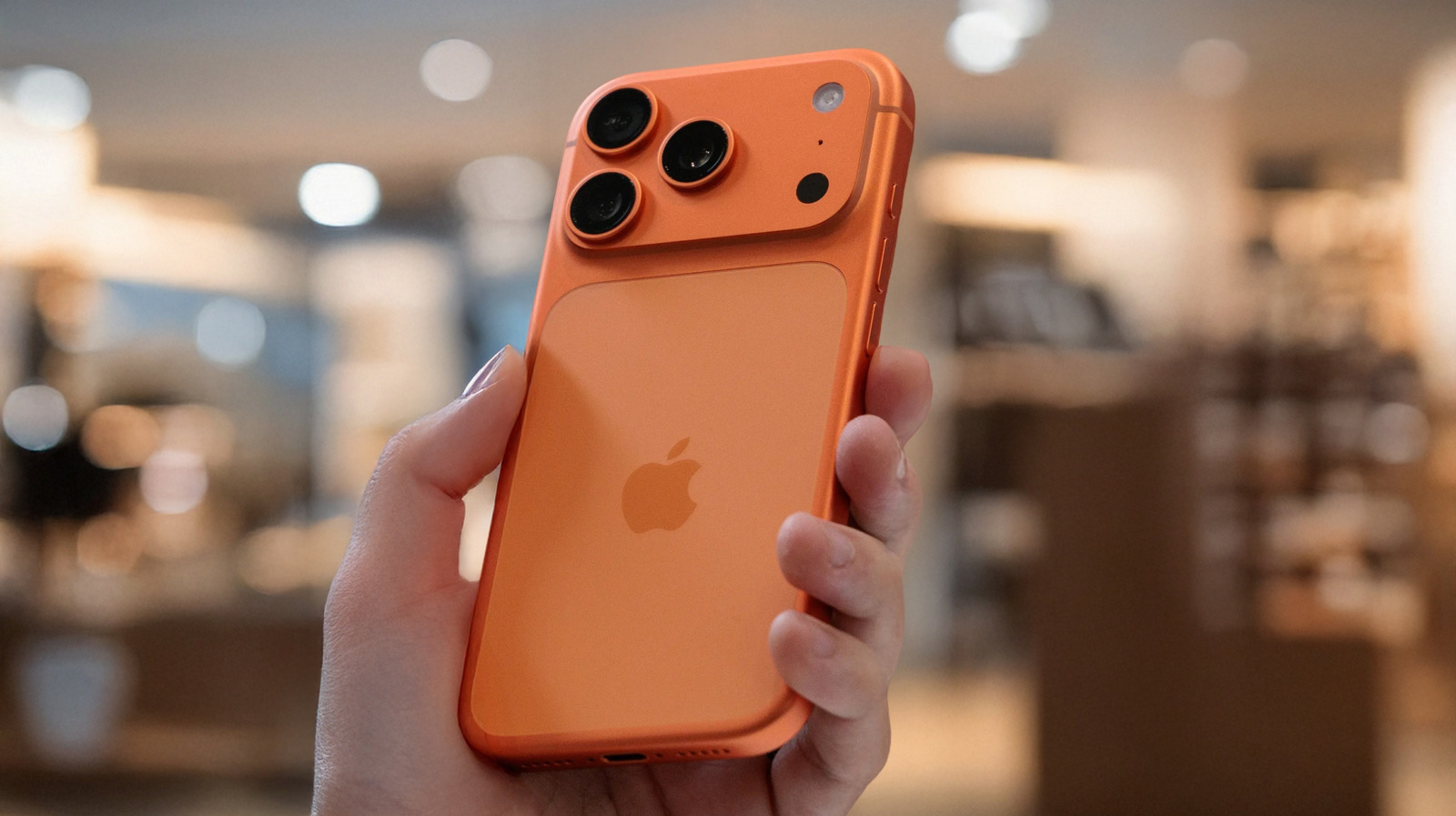
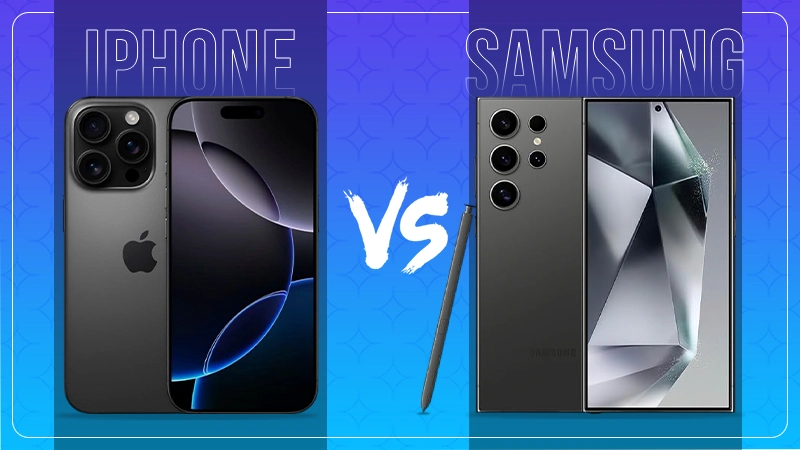
As we move deeper into 2026, the discussion around phone longevity has transitioned from "how many updates do I get?" to "how much value does my phone retain?" While Samsung has made strides with its seven-year update commitment, Apple continues to lead the industry in device longevity by balancing high-performance hardware architecture with a robust resale ecosystem that lowers the total cost of ownership over the long term.
The Longevity Tax: Resale Value & Depreciation
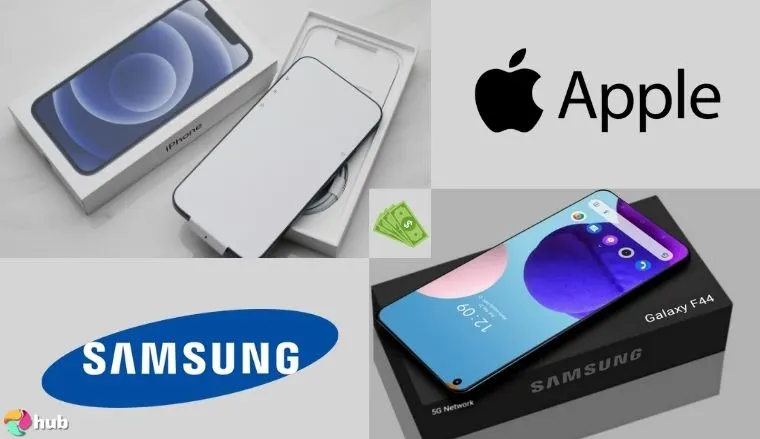
When I consult for readers on high-end smartphone purchases, I always look at the "hidden tax" of depreciation. In 2026, the financial argument for the iPhone is stronger than ever. The primary reason Apple beats Samsung in long-term value is not just the hardware—it is the secondary market. High second-hand market demand acts as a safety net for your investment.
If you purchase a flagship today, you should consider what it will be worth when you are ready to upgrade in three or four years. Market data proves that the gap between these two giants remains wide. According to a SellCell report from August 2025, just five months after their respective launches, the iPhone 16 had lost 35.4% of its value while the Samsung Galaxy S25 had depreciated by 46.6%. This suggests that if you plan to utilize trade-in programs, you are starting with a significant disadvantage on the Android side.
The table below illustrates the typical depreciation rate we are seeing in the 2026 market for flagship devices:
| Time Since Launch | iPhone 16 Series (Value Lost) | Galaxy S25 Series (Value Lost) |
|---|---|---|
| 5 Months | 35.4% | 46.6% |
| 12 Months | 41.2% | 58.9% |
| 24 Months | 52.5% | 71.3% |
This iPhone vs Samsung resale value gap means that the "real" cost of owning an iPhone is often hundreds of dollars less than a Samsung flagship. When you factor in the high demand for used iPhones globally, owners can consistently recoup a larger portion of their initial spend, making the total cost of ownership much more manageable for those on a five-year upgrade cycle.

Performance Floor: Why Hardware Matters More Than Years
A common trap in 2026 is focusing solely on "years of support." However, software support is meaningless if the hardware can no longer run modern applications smoothly. This is where Apple’s system-on-chip performance creates what I call a "performance floor."
Apple designs its silicon with immense overhead. To put this in perspective, the iPhone 11 Pro, launched in 2019, achieves a single-core Geekbench score of 1,705, which is higher than the 1,311 points reached by the Samsung Galaxy A57 launched in 2026. This means a seven-year-old flagship iPhone is still more capable at basic, single-threaded tasks than a brand-new mid-range Android phone.
This hardware headroom is essential for phone longevity. As apps become more resource-intensive, particularly with the integration of local AI processing in 2026, older chips start to struggle. Apple's A-series chips have historically maintained a peak performance lead that allows them to handle new iOS versions without the "lag" often associated with aging electronics.
Furthermore, the physical build quality has shifted. The adoption of a titanium alloy frame across the flagship lineup has improved the structural integrity of these devices. While Samsung uses similar materials, the standard slab-style iPhone typically avoids the mechanical wear-and-tear issues seen in more complex designs like foldables. The most significant hardware hurdle remains the battery health percentage. Lithium-ion batteries naturally degrade, but Apple’s optimized charging software and easy access to battery replacement services help keep older units functional.
The Update Trap: Simultaneous vs. Staggered Cycles
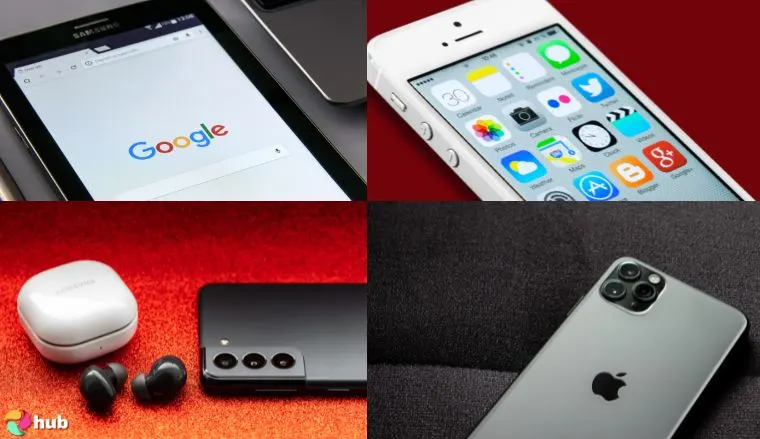
Samsung made headlines by announcing that Samsung provides seven years of major Android releases for its flagship Galaxy S and Z series. On paper, this beats Apple’s typical five to six-year window. However, as any long-term user will tell you, the quality of those updates matters as much as the quantity.
Apple's OS ecosystem allows for simultaneous global releases. When a new version of iOS drops, every eligible device from the iPhone 16 Pro back to the iPhone 12 receives it on the same day. In contrast, Samsung’s smartphone software support cycles are often staggered. Depending on your region or your carrier, you might wait weeks or even months for the latest features or critical security update patches.
This disparity creates a fragmented experience for Android phone longevity. While your Samsung phone might technically be "supported" in year six, the lag in receiving updates can leave you vulnerable or without the latest app compatibility. Apple’s unified approach ensures that the device remains part of a cohesive ecosystem for its entire lifecycle, which is a major factor in why Apple beats Samsung for value in the eyes of long-term users.
Repairability and After-Sales Ecosystem
A phone only lasts as long as you can keep it in one piece. In 2026, mobile device repair accessibility has become a deciding factor for tech-savvy buyers. I often tell my readers that a $1,000 phone is a paperweight if a cracked screen takes three weeks to fix.
Apple’s network of physical retail stores and authorized service providers is unmatched. For most users in urban or suburban areas, a battery replacement or screen repair can be done the same day at a Genius Bar. This level of after-sales support significantly extends the functional life of the device.
Samsung has improved its service reach, but it still relies heavily on independent authorized service providers or mail-in programs. When performing a mobile device repair accessibility comparison, the ease of walking into a dedicated brand store gives Apple the edge. This professional infrastructure also supports the second-hand market; buyers are more willing to purchase a used iPhone knowing they can easily get a genuine battery replacement to "refresh" the device for another two years of use.
Buyer Persona: Which Long-Term Phone is Yours?
Choosing the best phone for longevity depends on your specific usage patterns. Here is how I categorize the current 2026 landscape:
- The Power User: If you want the most hardware headroom possible, the iPhone 16 Pro is the clear choice. Its silicon is over-engineered for today's tasks, ensuring it will remain fast even in 2030. The titanium alloy frame also provides the best protection against daily drops.
- The Budget Strategist: For those who want the lowest entry price into a long-term ecosystem, the iPhone SE (2026) is the winner. It leverages Apple’s high-end chips in a simpler chassis, offering the same smartphone software support cycles as the flagships at a fraction of the cost.
- The Innovator: If you prioritize display technology over resale value, the Samsung Galaxy S25 is an excellent machine. Just be aware that its android phone longevity is hampered by a steeper depreciation rate, making it a more expensive device to own over a five-year period if you plan to trade it in eventually.
Effective device lifecycle management requires looking past the launch-day hype. By choosing a device with high value retention and reliable repair paths, you are not just buying a phone; you are securing a tool that will serve you reliably for half a decade or more.
FAQ
How many years does a phone usually last?
Most modern flagship smartphones are designed to last between four to six years. However, the actual lifespan depends on battery health and hardware performance. While an iPhone can often remain performant for over six years, many Android devices begin to slow down after year four due to less powerful mid-range processors or less optimized software updates.
Is 7 years too long for a phone?
Hardware typically shows its age before the seven-year mark. While Samsung offers seven years of software support, the physical components—specifically the battery and the flash storage—may degrade significantly by then. For most users, five years is the "sweet spot" where the device is still functionally relevant and physically reliable.
Can a smartphone last 7 years?
Yes, a smartphone can last seven years if it has a high-performance chip and if the user is willing to replace the battery at least twice. Apple devices from 2019 are still widely used in 2026 because their chips had enough headroom to handle modern software. Longevity is a combination of build quality, software efficiency, and the availability of repair parts.
What phones will stop working in 2026?
Phones that lack 5G capabilities or those that have not received security update patches in the last three years are at high risk. Specifically, many budget Android models released before 2021 are reaching the end of their functional lives in 2026 as app developers stop supporting older versions of the operating system and cellular networks continue to evolve.