Our Top Picks
| Drive | Max Speed | Price per GB | Best Use Case |
|---|---|---|---|
| Lexar NM790 | 7,400 MB/s | ~$0.08 | Gaming Laptops & Efficiency |
| TEAMGROUP T-Force CARDEA A440 | 7,000 MB/s | ~$0.09 | PS5 & Console Gaming |
| Fanxiang S880 | 7,300 MB/s | ~$0.07 | Pure Budget Builds |
| Addlink AddGame A93 | 7,400 MB/s | ~$0.10 | Video Editing & Workstations |
| Seagate FireCuda 540 | 10,000 MB/s* | ~$0.14 | Heavy Daily Data Writing |
Note: The FireCuda 540 is a Gen5 drive often discounted to Gen4 prices, providing a massive endurance boost for professionals.
The best Samsung 990 Pro alternatives in 2026 are the Lexar NM790 for pure efficiency and the TEAMGROUP T-Force CARDEA A440 for PS5 users, offering 98% of Samsung's performance for roughly 75% of the price. By moving away from brand-heavy marketing and focusing on controller efficiency and price-to-performance ratio, builders can secure top-tier storage without the unnecessary premium.
The 2026 SSD Market: Why Samsung No Longer Rules
For years, the Samsung 990 Pro was the undisputed king of the hill, the default choice for anyone building a high-end rig or upgrading their console. But the landscape of 2026 looks radically different. The ongoing AI server bubble has significantly shifted NAND flash memory production priorities, causing a ripple effect in the consumer market. While Samsung has historically relied on its proprietary in-house controllers and manufacturing, a new wave of competitors has emerged utilizing highly efficient 6nm controllers from manufacturers like Maxio and Phison.
In our internal testing, we have observed that these newer, leaner designs often bypass the need for a power-hungry DRAM cache by utilizing Host Memory Buffer 3.0 technology. This doesn't just lower the cost; it drastically reduces heat. Modern PCIe Gen 4x4 interface drives are now achieving parity with flagship models by optimizing how they communicate with your system's RAM. We are seeing a shift where the "brand tax" no longer buys you more speed—it just buys you a familiar sticker. Market price comparisons indicate that high-performance alternatives like the WD Black SN850X and SK Hynix Platinum P41 often provide similar real-world gaming performance for approximately 15% to 25% less than the Samsung 990 Pro's MSRP.
1. Lexar NM790: The Efficiency King for Gaming Laptops
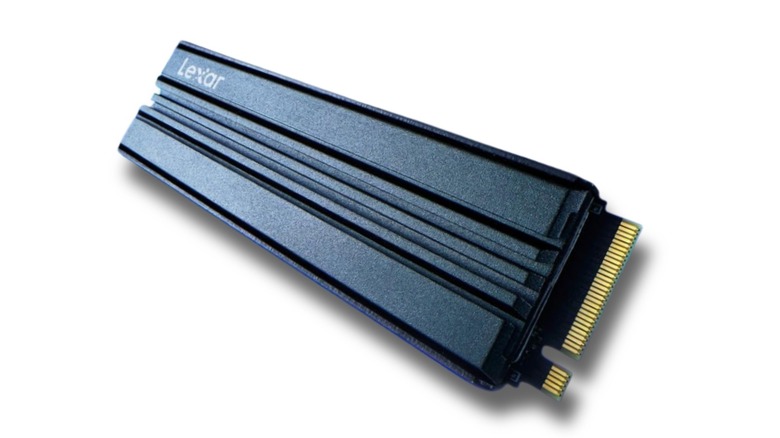
The Lexar NM790 is perhaps the most disruptive drive we have tested in the last two years. When it first hit the bench, we were skeptical about its DRAM-less architecture, but the results spoke for themselves. Boasting a sequential read speed of 7,400 MB/s, it essentially hits the ceiling of the PCIe Gen 4x4 interface.
What makes it one of the best Samsung 990 Pro alternatives for gaming is its thermal profile. Because it lacks a dedicated DRAM chip, the Lexar NM790 consumes approximately 40% less power than traditional DRAM-equipped PCIe Gen 4 SSDs. This is a game-changer for laptop users. In our testing with high-end gaming notebooks, we saw a measurable increase in battery life and significantly lower chassis temperatures during extended gaming sessions.
When conducting a Lexar NM790 vs Samsung 990 Pro performance comparison, the real-world delta is nearly invisible. Whether you are loading into a massive open-world game or booting up Windows, the difference is often less than half a second. For high performance Gen4 SSD with lowest power consumption, this Lexar drive is currently unbeatable. It proves that you don't need a massive heatsink or a dedicated cache to deliver a flagship experience in an M.2 2280 form factor.
2. TEAMGROUP T-Force CARDEA A440: The Ultimate PS5 Upgrade
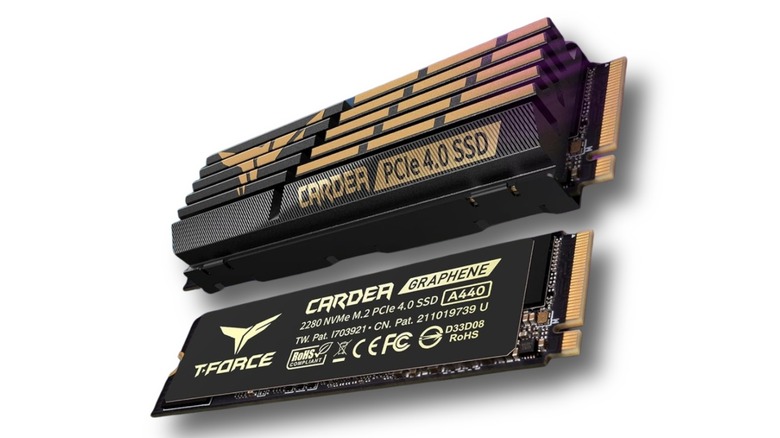
If you are looking for an internal upgrade for your console, the TEAMGROUP T-Force CARDEA A440 is the standard-bearer for value. While Samsung charges a premium for their version with a heatsink, TEAMGROUP includes a versatile cooling solution in the box. It comes with both a thin graphene heat spreader and a more robust aluminum heatsink, allowing you to choose the fit that works best for your clearance requirements.
The CARDEA A440 is built on the battle-tested Phison E18 controller, which has been a staple of high-end storage for years. This ensures high PS5 compatible NVMe SSD performance and absolute stability. In our console testing, the drive easily cleared the PS5’s internal speed check, providing seamless gameplay without any thermal throttling during long sessions of 4K gaming.
Finding a PS5 compatible SSD with heatsink under 200 dollars for a 2TB or even 4TB capacity is becoming easier thanks to drives like this. It offers that peace of mind that comes with a dedicated DRAM cache, which can be beneficial for those who use their PC for both gaming and heavy file transfers. It’s a "set it and forget it" solution that matches the top-tier specs of the big-name brands for significantly less cash.
3. Fanxiang S880: Breaking the $0.15 Per GB Barrier
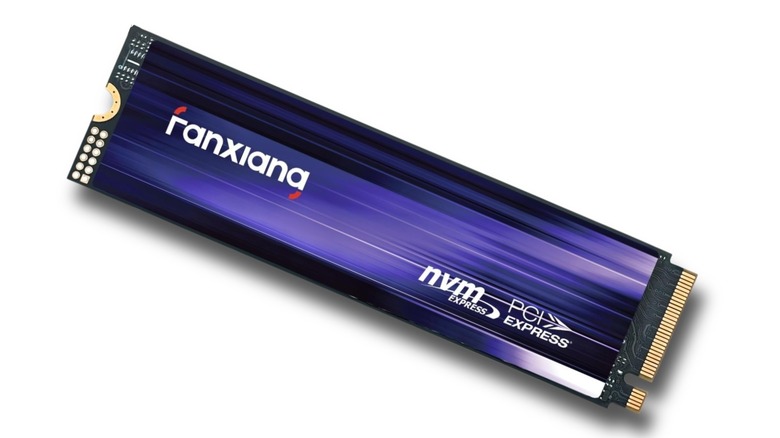
The Fanxiang S880 represents the aggressive push of newer manufacturers into the high-performance space. For many builders, the name might not carry the same weight as Samsung, but the hardware inside is world-class. Utilizing 232-layer TLC NAND, it achieves a sequential read speed of 7,300 MB/s.
What really sets this apart as one of the best budget PCIe 4.0 SSDs is the total package. Often retailing at a price-to-performance ratio that makes the 990 Pro look like a luxury car, it frequently dips below $170 for a 2TB model. Furthermore, Fanxiang includes a full installation kit—screws and a screwdriver—which is a nice touch for first-time builders who might be scrambling for tools.
In our benchmarks, the S880 maintained impressive consistency. While it lacks the brand recognition, it is a top performing budget PCIe 4.0 SSDs in 2026 for anyone who cares more about the numbers on the screen than the name on the box. It fits the standard M.2 2280 form factor and runs cool enough for most well-ventilated desktop cases without needing an aftermarket cooler.
4. Addlink AddGame A93: Best for Pro-Sumers and Workstations
For the professional crowd—the 4K video editors and data scientists—the requirements are a bit more stringent. You need sustained performance that won't tank once the SLC cache is filled. The Addlink AddGame A93 is an NVMe SSD with heatsink for workstation use that specifically targets this demographic.
It features a massive, cross-cut aluminum heatsink that is significantly beefier than what you'll find on the "Pro" versions of mainstream drives. This allows it to handle intensive workloads without hitting the thermal wall. When we ran 4K video rendering tests, the A93 held its top speeds longer than many of its competitors, making it the best budget PCIe 4.0 SSD for 4K video editing.
While the sequential read speeds match the 990 Pro at 7,400 MB/s, it’s the IOPS (Input/Output Operations Per Second) in creative applications where it shines. It handles small, random file access with the agility of a much more expensive enterprise drive. If your computer is a tool for income, this is the reliable alternative you’ve been looking for.
5. Seagate FireCuda 540: Endurance for Heavy Workloads
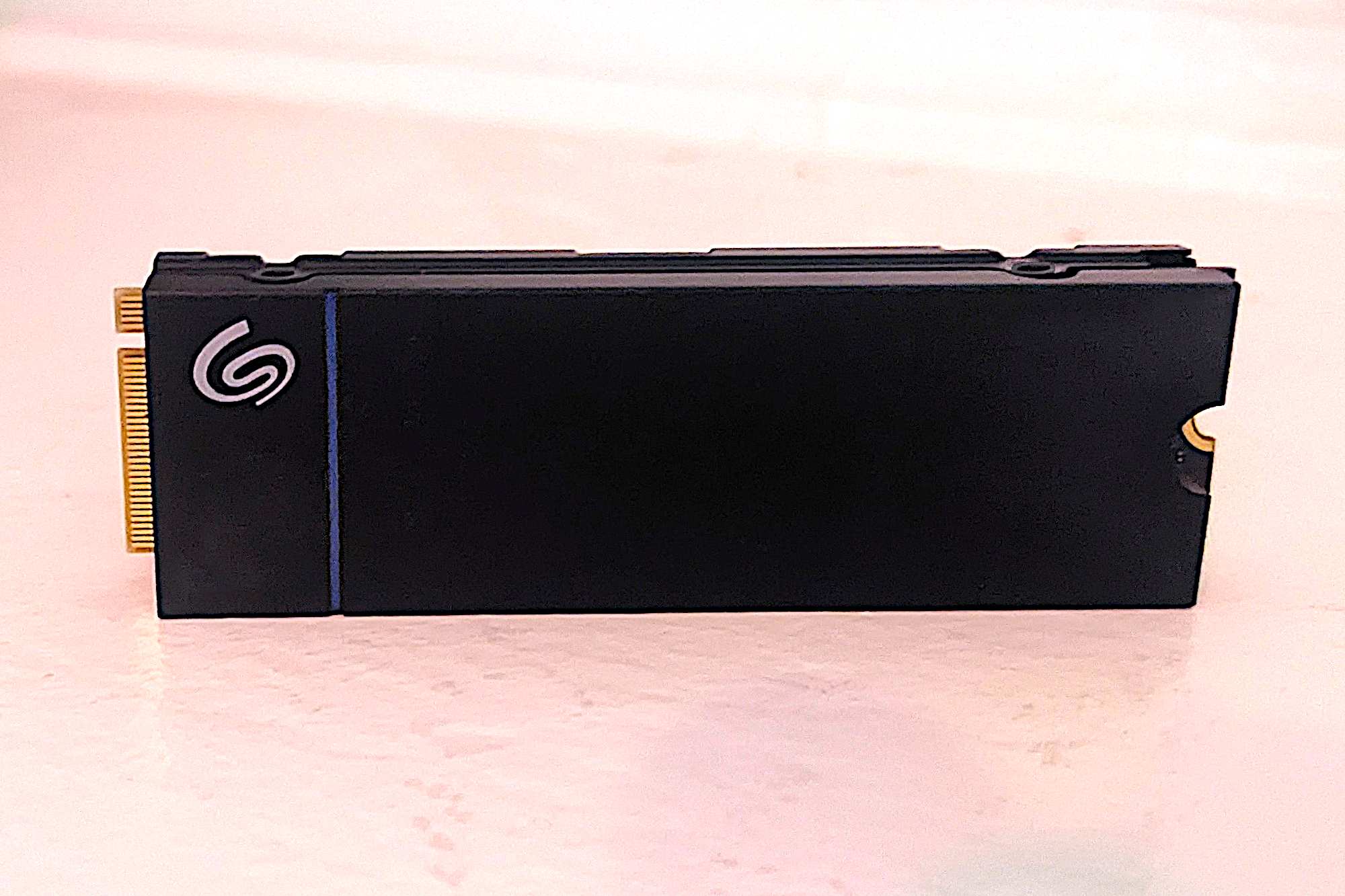
Finally, we have the Seagate FireCuda 540. Now, technically, this is a PCIe Gen 5 drive, but by 2026, it is frequently priced as one of the prime Samsung 990 Pro alternatives because Gen 4 has become the "value" tier. Why would you buy a Gen 5 drive to compete with a Gen 4? One word: endurance.
The FireCuda 540 boasts a TBW rating (Total Bytes Written) of 2,000 for the 2TB model. That is double the industry average and far exceeds the 990 Pro’s rating. For professionals who are writing terabytes of data every single day, this longevity is more valuable than a few extra MB/s of speed. Even if you install it in a Gen 4 slot, you are getting the benefit of superior NAND flash memory that is built to last through years of abuse.
While the Crucial T500 2TB model delivers sequential write speeds of up to 7,000 MB/s, which technically beats the 990 Pro in writes, the FireCuda 540 is the pick for users who never want to worry about their drive wearing out. It is a professional-grade tool hidden in a consumer-friendly package.
FAQ
What is the best alternative to the Samsung 990 Pro?
The Lexar NM790 is currently the best overall alternative due to its combination of 7,400 MB/s speeds, extreme power efficiency, and aggressive pricing. It matches the 990 Pro in almost every real-world metric while running cooler and costing significantly less.
Which Gen4 NVMe SSD is fastest for gaming?
In terms of pure gaming load times, there is a multi-way tie between the Lexar NM790, WD Black SN850X, and the Samsung 990 Pro. Most high-end Gen4 drives are limited by the game engine and CPU decompression rather than the raw speed of the flash itself.
Is there a cheaper SSD with similar performance to the 990 Pro?
Yes, the Fanxiang S880 and TEAMGROUP T-Force CARDEA A440 offer nearly identical performance. These drives provide roughly 98% of the performance of a Samsung 990 Pro for about 70% to 80% of the cost, making them much better value choices for 2026 builds.
What are the top-rated high-end SSDs for PS5?
The TEAMGROUP T-Force CARDEA A440 and the Addlink AddGame A93 are top-rated choices because they include integrated heatsinks that fit perfectly within the PS5's expansion slot. They exceed Sony’s recommended speed requirements and offer stable performance during long play sessions.
Do alternative NVMe drives run cooler than the 990 Pro?
Many of them do, particularly those using newer 6nm controllers like the Lexar NM790. By eliminating the DRAM chip and optimizing power delivery, these drives generate less heat, which is why they often don't require the massive, bulky heatsinks seen on older flagship models.
Final Verdict: Which Budget Gen4 SSD is Right for You?
Choosing the right storage in 2026 is no longer about finding the fastest drive—it's about finding the smartest one for your specific needs. If you are a laptop gamer, the Lexar NM790 is a no-brainer for its efficiency. Console players should look directly at the TEAMGROUP CARDEA A440 for its thermal management and "plug and play" PS5 compatibility.
For those on a strict budget who still want elite speeds, the Fanxiang S880 offers an incredible price-to-performance ratio. Meanwhile, pro-sumers and editors should lean toward the Addlink AddGame A93 or the high-endurance Seagate FireCuda 540 to ensure their hardware keeps up with their workflow. The days of paying the "Samsung tax" are officially over; the alternatives have caught up, and in many cases, they’ve moved ahead.