Quick Facts
- The Revolution: 1980s technology marked the definitive shift from stationary household appliances to truly portable personal electronics.
- Audio Milestone: The Sony Walkman sold over 200 million units, forever changing how we consume music in public spaces.
- Mobile History: The Motorola DynaTAC 8000X, known as the brick, was the first commercial handheld cellular phone, costing $3,995 at launch.
- Gaming Dominance: The Nintendo Entertainment System (NES) revived the home console market, selling 61.91 million units worldwide.
- Computing Legend: The Commodore 64 became the best-selling single desktop computer, with sales estimated between 12.5 million and 17 million units.
- Media Shift: 1988 was the pivotal year when compact discs began to outsell traditional vinyl records.
The 1980s were defined by revolutionary consumer electronics such as the Sony Walkman, which pioneered portable audio, and the Motorola DynaTAC, the first commercial handheld cellular phone. These iconic 80s gadgets represent a pivotal shift from analog hardware to early digital convenience, remaining a cornerstone of baby boomer nostalgia.
If you grew up during the 1980s, you remember a world that felt like it was accelerating every single day. One moment you were tethered to a wall by a curly telephone cord, and the next, you were seeing people walk down the street with headphones on or carrying phones the size of a loaf of bread. It was a decade of neon, synthesizer soundtracks, and, most importantly, the birth of the digital lifestyle we now take for granted.
For the Baby Boomer generation, these 1980s electronic devices were more than just toys; they were symbols of a newfound freedom. We were moving away from the communal living room experience and toward individual, on-the-go entertainment. Whether it was the tactile click of a cassette tape or the blinking light of a VCR, the tech of this era had a physical, sensory presence that modern touchscreens simply cannot replicate.
Sony Walkman: The Birth of Portable Audio Players
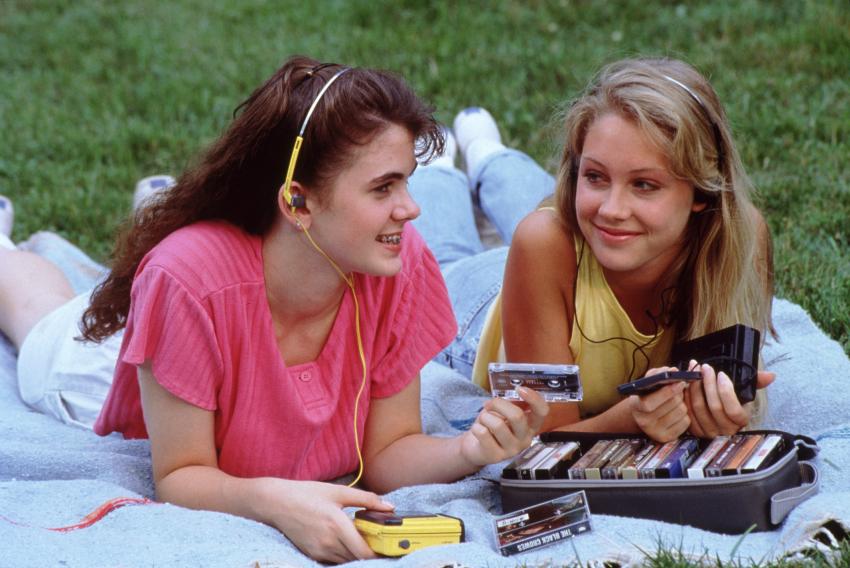
Before 1979, if you wanted to listen to music, you were at the mercy of the radio station or your home stereo system. Then came the Sony Walkman. It wasn't just a gadget; it was a cultural phenomenon that liberated our playlists. You finally had the power to create a soundtrack for your commute, your morning jog, or your walk to school.
The magic of the Walkman relied on magnetic cassette tapes. There was a specific ritual involved: the heavy mechanical click of the play button, the whirring sound of the fast-forward gear, and the inevitable moment you had to use a yellow No. 2 pencil to manually wind a tape that had unspooled. By 1986, the word Walkman had officially entered the Oxford English Dictionary, cementing its place in history.
If you are a collector looking for the best value vintage 80s electronics to collect now, an original TPS-L2 model is the holy grail. However, owning one requires a bit of maintenance. Learning how to clean and store vintage 80s gadgets is essential; you’ll need isopropyl alcohol and cotton swabs to keep those magnetic heads clean and ensure the rubber belts haven't turned to goo over the last forty years.
Legacy Callout (2026 Connection): While we now use Spotify on our iPhones, the Walkman established the concept of the personal bubble. Today’s noise-canceling earbuds are the direct descendants of those lightweight orange foam headphones.
Motorola DynaTAC 8000X: The Original Mobile Experience
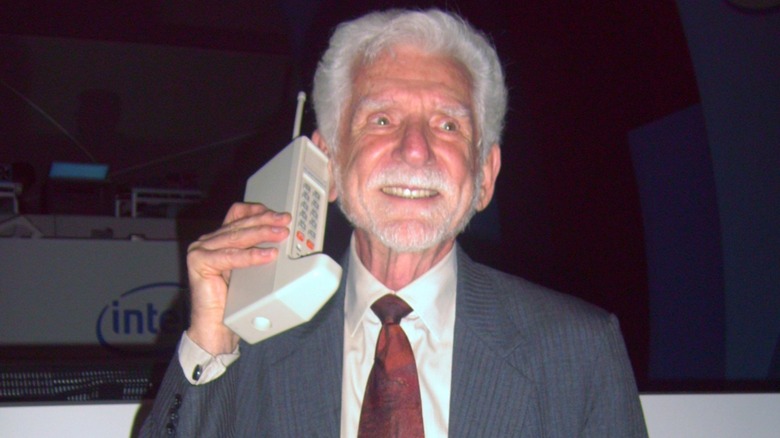
In the early 80s, if you saw someone holding a Motorola DynaTAC 8000X, you knew they were either a high-powered stockbroker or a character in a Hollywood movie. Often called the brick phone, the DynaTAC was the world's first commercial handheld cellular phone. Released in 1983, it stood 13 inches high and weighed nearly two pounds.
Using it was an exercise in patience and wealth. It offered a mere 30 minutes of talk time after a 10-hour charge, and it cost nearly $4,000—adjusted for inflation, that is over $11,000 today! Despite the weight and the price, it represented the first time humans were reachable anywhere, anytime. It was the father of mobile communication and the ultimate piece of tech memorabilia.
Finding one today is difficult, but for those researching the best ways to source authentic 1980s electronic devices, specialized auction houses and vintage tech forums are your best bet. Because these units often contain old nickel-cadmium batteries that leak over time, vintage tech preservation usually involves carefully removing the internal power cells to prevent corrosion of the historic plastic casing.
Legacy Callout (2026 Connection): The DynaTAC’s basic cellular architecture paved the way for the 5G and 6G networks we use today. We traded the external antenna for internal chips, but the dream of global connectivity started right here.
Nintendo Entertainment System (NES): 8-Bit Home Entertainment
After the video game crash of 1983, many thought home gaming was a passing fad. Then, in 1985, the Nintendo Entertainment System arrived in North America and changed everything. It didn't just play games; it created icons like Mario and Link that are still dominant in pop culture today.
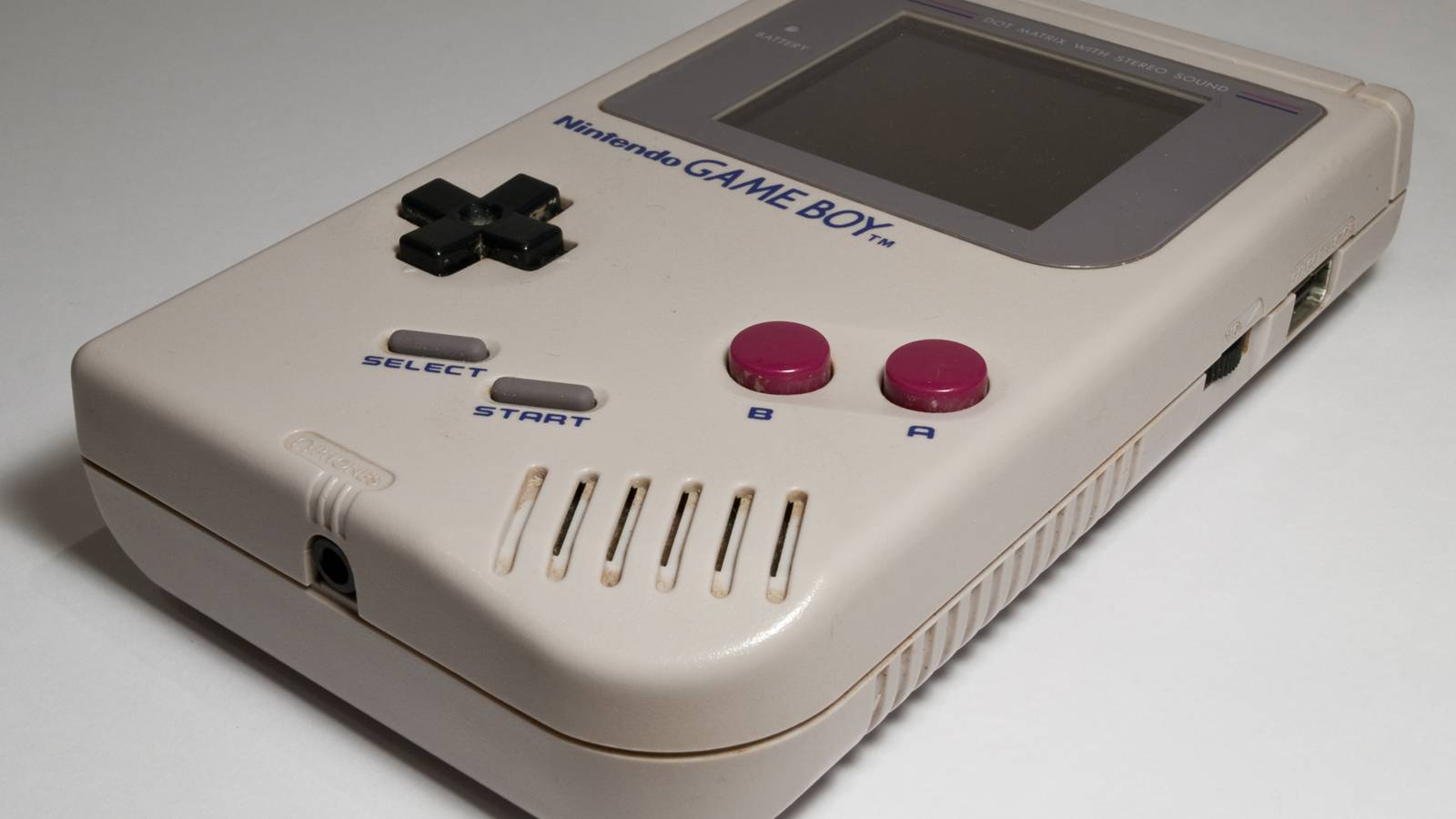
The NES was the best-selling game console of the 1980s, achieving total worldwide sales of 61.91 million units by the end of its production. For many Boomers, this was the first time they shared a digital hobby with their children. We all remember the frustration of a game not loading and the (now debunked) trick of blowing into the 8-bit video games cartridges to clear the dust.
For those looking for a nostalgic 80s tech experience without the hassle of old hardware, there is a growing market for modern tech with 1980s aesthetic for boomer homes. Many companies now produce mini versions of these consoles that plug directly into modern 4K TVs via HDMI, providing the look and feel of 1985 with the reliability of 2026 technology. It is a perfect addition to a 1980s tech inspired gift guide for boomers who want to relive their high-score glory days.
| Feature | Specification |
|---|---|
| Processor | Ricoh 2A03 8-bit |
| Resolution | 256 x 240 pixels |
| Colors | 48 colors and 6 greys |
| Most Sold Game | Super Mario Bros. (40M+ copies) |
Legacy Callout (2026 Connection): The NES moved gaming from the smoky arcade to the family sofa. Today’s immersive VR headsets and high-powered consoles like the PlayStation 6 owe their existence to the grey box that lived under our tube TVs.

Polaroid 600 Series: The Era of Instant Gratification
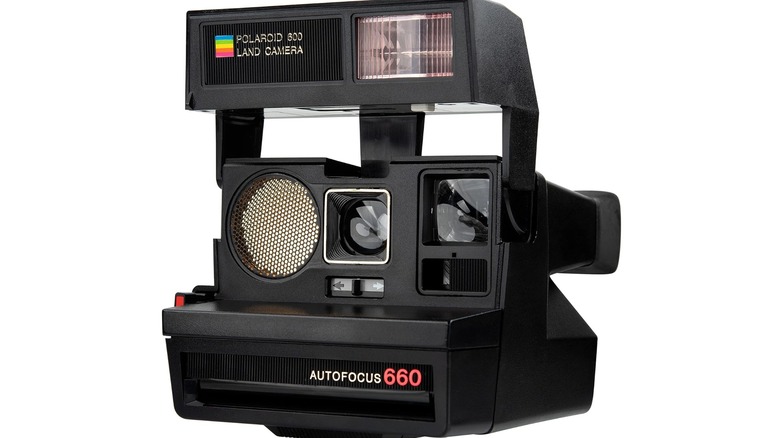
Long before Instagram filters and digital clouds, we had the Polaroid 600 series. In an era where you had to wait a week for the local drugstore to develop your film, the Polaroid felt like magic. You would click the shutter, hear the distinct whirr of the motor, and watch a square piece of plastic slide out the front.
The baby boomer nostalgia associated with Polaroid isn't just about the photos; it's about the shared experience. We remember fanning the damp photo in the air (even though the instructions told us not to) and watching the colors slowly bleed into focus. It was analog film photography at its most social and spontaneous.
Interestingly, the Polaroid 600 has seen a massive resurgence. If you find an old unit in your attic, don't throw it away. New film is still being manufactured today by companies that rescued the original factories. It remains one of the most accessible iconic 80s gadgets because it bridges the gap between vintage charm and modern usability.
Legacy Callout (2026 Connection): The Polaroid was the world’s first "social media" post. It provided an instant, shareable record of a moment. Today, we do the same with digital stories, but we lack the physical artifact you can pin to a fridge.
The VCR and the Time-Shifting Revolution
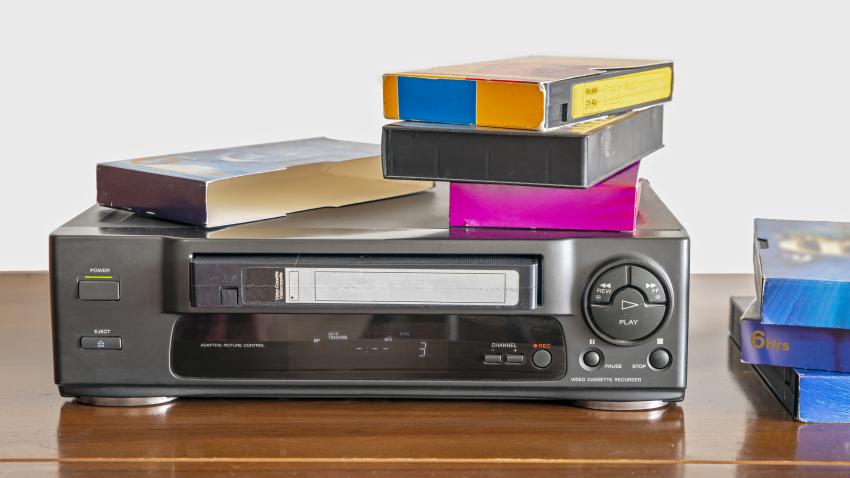
In the early 80s, if you missed your favorite show, it was gone forever. The Videocassette Recorder (VCR) changed the power dynamic between the broadcaster and the viewer. By 1985, roughly 28% of American households owned a VCR, and the Supreme Court had famously ruled that time-shifting—recording a program to watch later—was legal.
This device turned our homes into private cinemas. We began building a physical media collection of bulky VHS tapes, often with handwritten labels. The VCR introduced us to the concept of home video recording, allowing us to capture birthdays, weddings, and school plays on magnetic tape that we could watch over and over again.
However, magnetic tape is fragile. If you are holding onto a library of family memories, vintage tech preservation is critical. Heat and humidity are the enemies of VHS. Many enthusiasts now use specialized adapters to digitize these tapes before the magnetic particles degrade entirely. Even so, there is something undeniably cozy about the tracking lines and the slight flicker of a well-loved tape.
Legacy Callout (2026 Connection): The VCR was the ancestor of the DVR and, eventually, Netflix. It was the first time we decided when and where we would consume our media, breaking the chains of the broadcast schedule forever.
The Lasting Appeal of 80s Hardware
Why do we look back at these iconic 80s gadgets with such affection? Perhaps it is because they represent a late 20th-century design philosophy that valued tactile feedback. You didn't just tap a glass screen; you pushed, turned, and clicked. There was a satisfying mechanical weight to everything we used.
These 1980s electronic devices also represent a time of immense optimism. We were watching the dawn of the computer age in real-time. Whether it was the 12.5 million to 17 million units of the Commodore 64 that brought coding into the bedroom or the pager that kept us on call, the 80s were about expanding the boundaries of what was possible.
As we move further into a world of invisible software and cloud-based services, the physical presence of vintage 80s electronics serves as a reminder of how far we have come. They aren't just old machines; they are the milestones of our lives.
FAQ
What were the most popular gadgets in the 1980s?
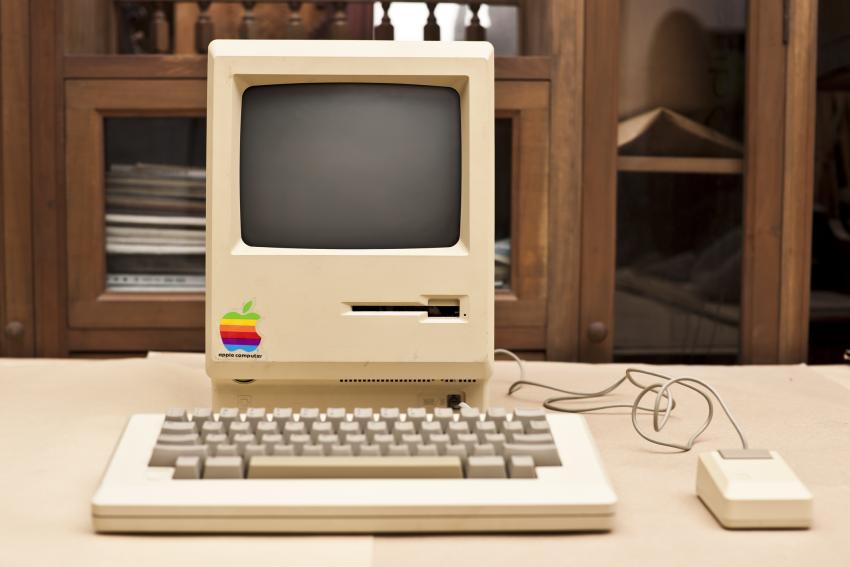
The most popular devices included the Sony Walkman for music, the Nintendo Entertainment System for gaming, and the VCR for home movies. Other staples were the Polaroid 600 camera, the Boombox, and early personal computers like the Commodore 64 and the Apple Macintosh.
Which tech devices defined the 80s era?
The 80s were defined by the move toward portability and personal use. The Motorola DynaTAC symbolized the future of communication, while the Sony Walkman defined personal entertainment. The rise of the IBM PC and the Apple Macintosh also defined the decade by bringing professional computing power into the home.
Are vintage 1980s electronics worth anything today?
Yes, certain items have significant value. Original, functional Sony Walkmans (especially the blue TPS-L2) and mint-condition Nintendo games can sell for hundreds or even thousands of dollars. Early Apple computers and the Motorola "brick" phones are also highly sought after by collectors of tech memorabilia.
What portable music players were used in the 80s?
The primary portable music player was the Sony Walkman, which played cassette tapes. Toward the end of the decade, the Sony Discman introduced portable CD playing, though it was initially prone to skipping. Boomboxes were also popular for portable music, though they were much larger and less personal.
How did 80s technology influence modern devices?
80s technology established the blueprints for almost everything we use today. The Walkman led to the iPod and streaming apps; the DynaTAC was the ancestor of the smartphone; and the NES laid the groundwork for the multi-billion dollar gaming industry. The era moved us from analog systems to the early stages of the digital revolution.