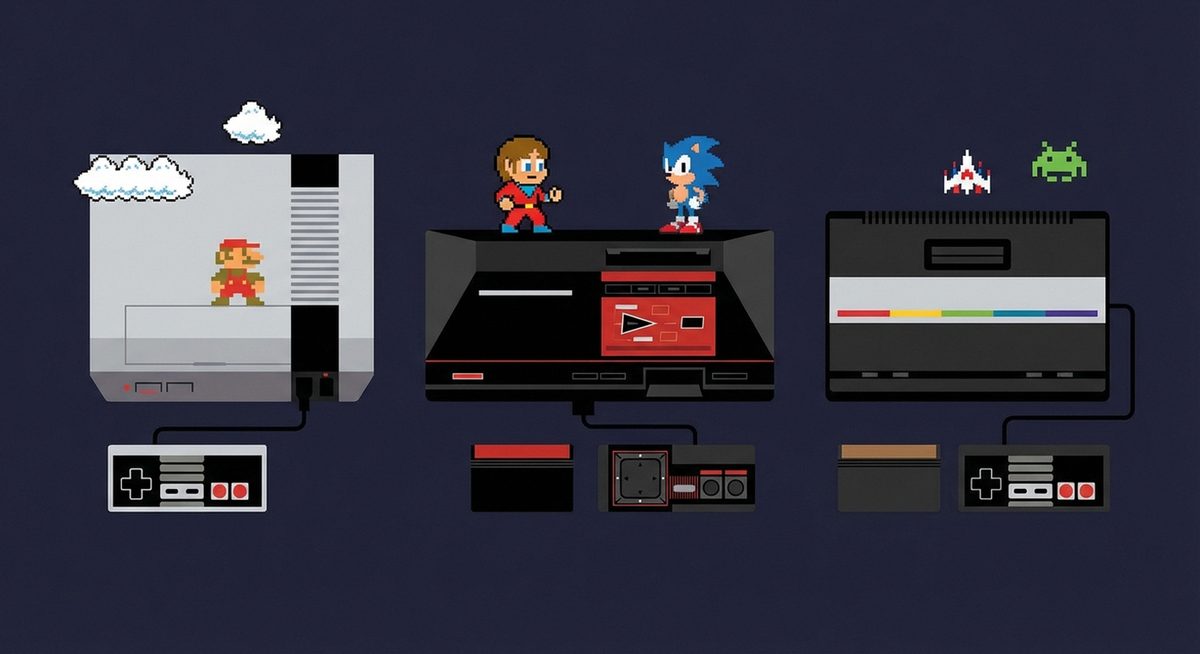
Quick Facts
- Top Seller: The Nintendo Entertainment System (NES) dominated the era with 61.91 million units worldwide.
- Industry Pioneer: The Atari 2600 popularized cartridge media and reached approximately 30 million units worldwide.
- Handheld King: Launched in 1989, the Game Boy and its variants sold 118.69 million units globally.
- The Pivot: The 1983 video game crash saw industry revenue plummet from $3.2 billion to just $100 million in two years.
- Tech Peak: The TurboGrafx-16 pushed boundaries by offering the first optional CD-ROM drive for a home console.
- Modern Solution: Original 80s gaming consoles can be played on modern smart TVs using specialized AV-to-HDMI upscalers.
The 1980s were the most volatile yet innovative decade for 80s gaming consoles. From the catastrophic 1983 video game crash to the rise of 8-bit home consoles like the NES, this era defined how we play today. The most influential 80s gaming consoles include the Nintendo Entertainment System (NES), Sega Master System, and Atari 2600, with the NES credited for revitalizing the industry after the 1983 crash.
1. Atari 2600 | 1977-1980s Dominance
The Atari 2600 was the undisputed king of the early retro gaming history 80s. While it technically launched in the late 70s, it hit its stride at the turn of the decade, bringing the arcade experience into the living room. It replaced dedicated Pong-style machines with a system that used interchangeable cartridge media, allowing players to build a library of different games.
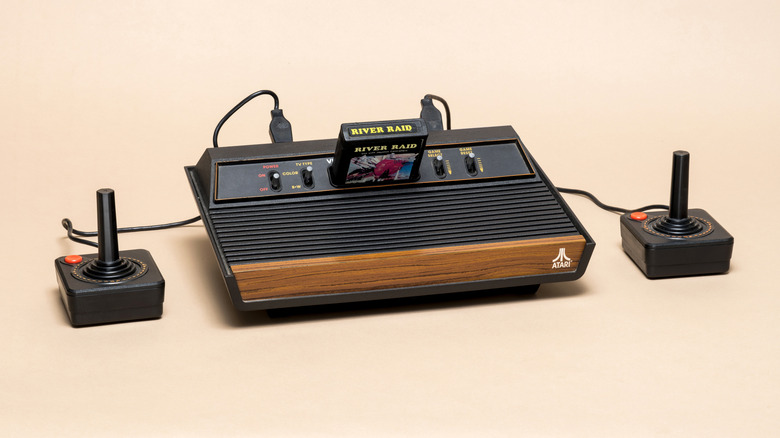
However, this dominance led to a lack of oversight. Atari allowed the market to become flooded with low-quality software, famously culminating in the disastrous E.T. the Extra-Terrestrial. This influx of "shovelware" was a primary impact of 1983 video game crash on console hardware, as consumers lost trust in the quality of home gaming.
Technical Spec Box: Atari 2600
- CPU: MOS Technology 6502 (1.19 MHz)
- RAM: 128 bytes
- Resolution: 160 x 192 pixels
- Media: ROM Cartridge
2. Pre-Crash Competitors: Intellivision and ColecoVision
Before the market collapsed, two systems tried to dethrone Atari by offering superior graphics. The Mattel Intellivision, released in 1979 but popular through the early 80s, featured the first 16-bit microprocessor in a console. It was known for its complex controllers and sports simulations.
The ColecoVision arrived in 1982, offering near-perfect arcade-to-home ports of hits like Donkey Kong. It was a technical marvel for its time, but its high price point and the impending market recession made its success short-lived. Both systems represent a lost era of American-led technical specs of 8-bit home consoles explained through early hardware ambition.
3. The Great Reset: Understanding the 1983 Video Game Crash
By 1983, the North American video game market was in a tailspin. Too many consoles and a surplus of terrible games meant retailers were clearing out stock for pennies. Many experts at the time believed the era of 80s gaming consoles was over, predicting that personal computers would replace dedicated gaming machines entirely.
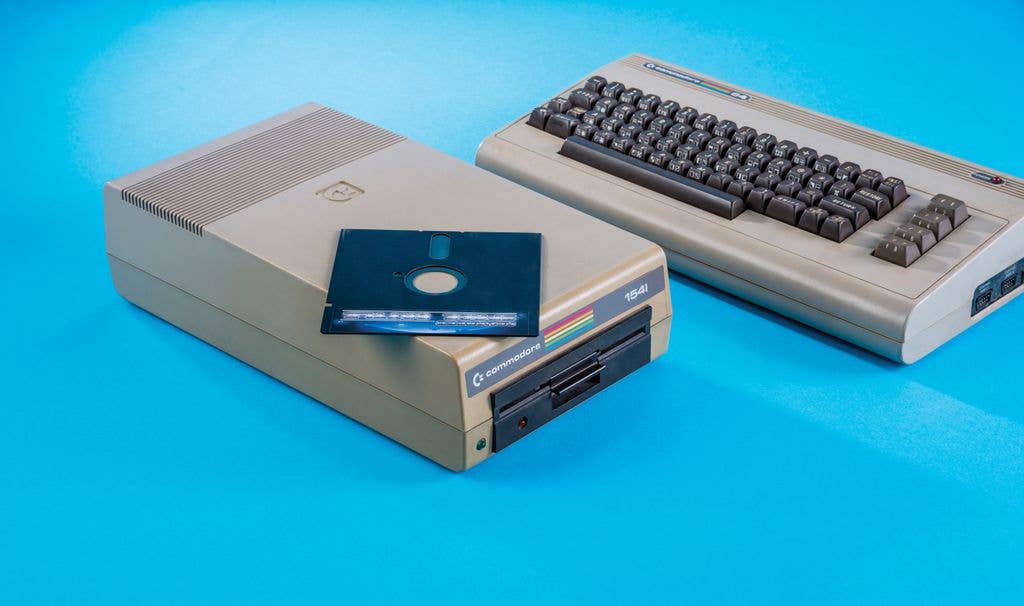
During this period, the Commodore 64 became a sanctuary for gamers. It offered better sound and more memory than the failing consoles. This shift forced hardware manufacturers to rethink console exclusivity and third-party licensing, setting the stage for a new Japanese giant to enter the fray.
4. Nintendo Entertainment System (NES) | 1985
In 1985, Nintendo launched the NES in North America. To avoid the stigma of the recent crash, they branded it an "Entertainment System" rather than a toy or a console. They introduced the Official Nintendo Seal to guarantee software quality and restricted how many games third-party developers could release.
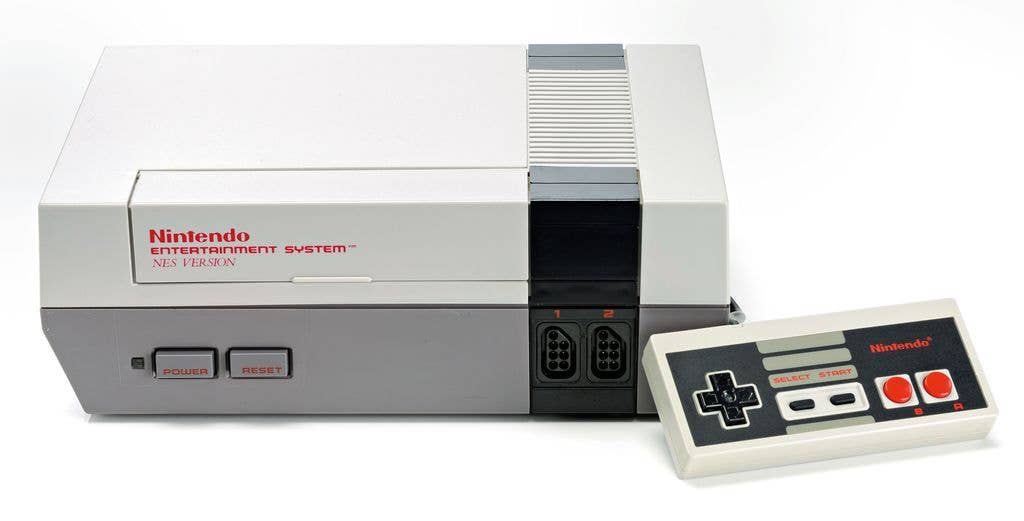
The NES, based on the Japanese Famicom, introduced the world to the modern controller D-pad and fluid side-scrolling platformers like Super Mario Bros. It was the gold standard for 8-bit home consoles, providing a reliable, high-quality experience that regained consumer trust and effectively saved the industry.
Technical Spec Box: NES
- CPU: Ricoh 2A03 8-bit (1.79 MHz)
- RAM: 2KB Work RAM, 2KB Video RAM
- Graphics: 256 x 240 resolution
- Feature: Proprietary lockout chip for quality control
5. Sega Master System | 1986
While Nintendo owned the market share, Sega was the technical powerhouse. The Sega Master System featured a Zilog Z80 processor that was significantly faster than the CPU in the NES. This resulted in more vibrant colors and smoother arcade-to-home ports of Sega’s own arcade hits like OutRun and Space Harrier.
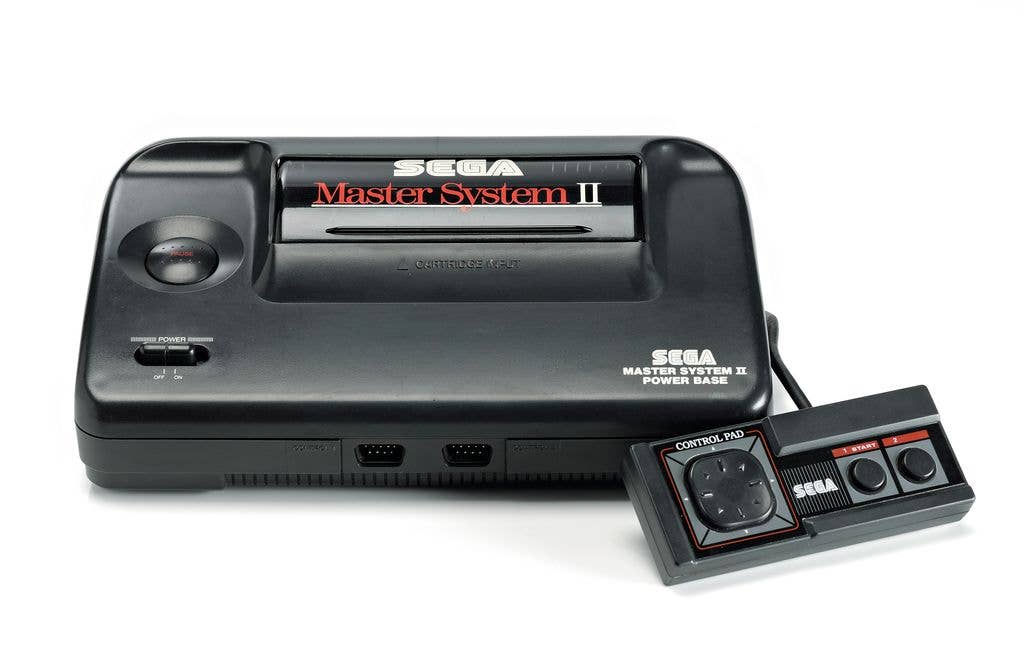
When comparing nes vs sega master system features, the Master System had the hardware edge, but Nintendo’s aggressive licensing deals kept the most popular games on the NES. While it struggled in North America, it became a massive hit in Europe and Brazil, where it is still produced in various forms today.
| Feature | Nintendo NES | Sega Master System |
|---|---|---|
| CPU | Ricoh 2A03 (1.79 MHz) | Zilog Z80 (3.58 MHz) |
| RAM | 2 KB | 8 KB |
| Colors | 52 total (25 on screen) | 64 total (32 on screen) |
| Media | Cartridge | Cartridge & Sega Card |
6. Game Boy | 1989
At the very end of the decade, Nintendo changed the world again with the Game Boy. It wasn't the first handheld, but it was the most efficient. Its creator, Gunpei Yokoi, chose a monochrome LCD screen over color to ensure long battery life and a lower price point.
The Game Boy proved that 80s handheld gaming consoles history and value weren't just about raw power; they were about the experience. Bundled with Tetris, it became a cultural phenomenon that appealed to both children and adults, cementing Nintendo's dominance in the portable market for decades to come.
7. TurboGrafx-16 & The 16-Bit Transition
The TurboGrafx-16 (known as the PC Engine in Japan) was the first console of the "16-bit era," though it actually used a pair of 8-bit processors. It used unique, credit-card-sized HuCards instead of bulky cartridges. It was a favorite among those looking for the best 80s gaming consoles for collectors because of its massive library of high-quality "shmups" (shoot 'em ups).
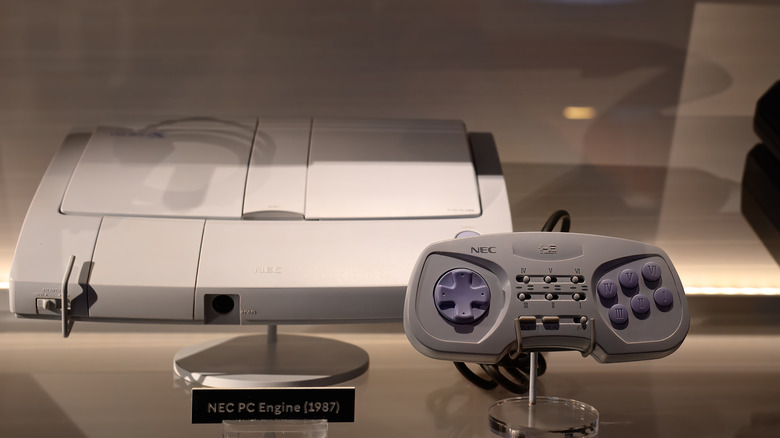
It represented the bridge between the 80s and the 90s, offering an optional CD-ROM attachment that allowed for full-motion video and high-fidelity music. Though it remained a niche product in the US compared to the NES, its technical ambition paved the way for the future of optical media in gaming.
8. Vectrex: The Vector Visionary
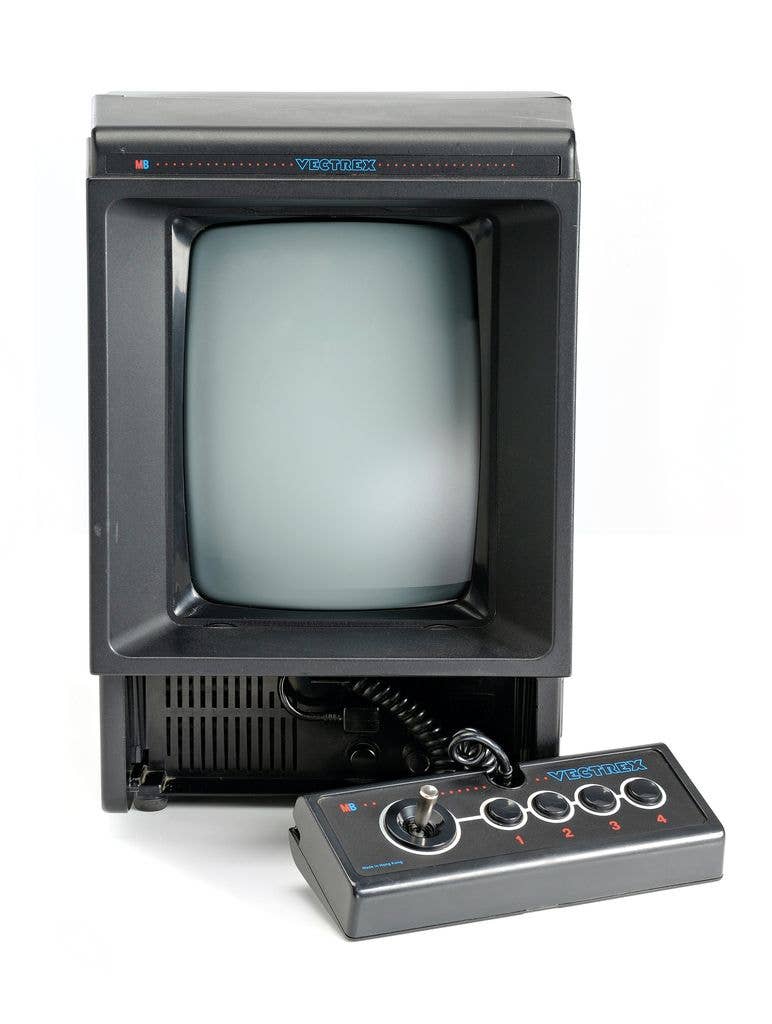
The Vectrex was a unique entry in the 80s gaming consoles lineup because it didn't need a TV. It came with its own integrated vector monitor, which displayed graphics using lines (like Asteroids) rather than pixels. Released in 1982, it was unfortunately a victim of the 1983 video game crash.
Despite its short commercial life, the Vectrex is a legendary piece of hardware. It used translucent plastic "overlays" that you snapped onto the screen to provide the illusion of color. Today, it stands as a testament to the wild experimentation of the early 80s.
Collecting and Playing 80s Consoles Today
For those interested in retro gaming history 80s, collecting these systems is more accessible than ever, though prices for rare titles continue to rise. If you are looking for the best 80s gaming consoles for collectors, start with the NES or the Sega Master System. They are durable, have massive libraries, and are relatively easy to maintain.
One major hurdle is the screen. These consoles were designed for CRT televisions. If you are wondering how to play original 80s consoles on smart tvs, you shouldn't just plug the old wires into a modern set—the image will look blurry and laggy. I recommend using a dedicated upscaler like the Retrotink, which converts the signal to HDMI while preserving the crisp pixels and low latency of the original hardware.
Whether you are a hardcore collector or just looking for a hit of nostalgia, the consoles of the 1980s represent a golden age of creativity. They survived a total market collapse to become the foundation of a multi-billion dollar industry.
FAQ
What was the most popular home gaming console in the 1980s?
The Nintendo Entertainment System (NES) was the most popular console, selling over 61 million units and capturing the vast majority of the market share after 1985.
How much did video game consoles cost in the 80s?
Most major consoles like the NES or Sega Master System launched at a price point of $199.99, which is approximately $550–$600 today when adjusted for inflation.
Are vintage gaming consoles from the 1980s still worth money?
Yes, especially if they are in good condition with the original box. While a loose NES might sell for $50-$100, rare systems like the Vectrex or limited edition Game Boys can fetch hundreds or even thousands of dollars.
How do I connect an 80s video game console to a modern TV?
The best way is to use a specialized AV-to-HDMI adapter or a high-end upscaler. These devices ensure the 240p signal from the console is correctly interpreted by modern 4K or 1080p displays.
Which 80s consoles are considered the best for collectors?
The NES is the best starting point due to its legendary game library. However, the TurboGrafx-16 and the original Game Boy are highly prized for their unique hardware designs and historical significance.