Our Top Picks
- The Budget Hero: Anker Multipurpose Cord Keeper ($13) – A masterclass in simple engineering that uses magnetic clips to keep charging cables from sliding off your workspace.
- Why It Wins: It combines a small footprint with a reusable adhesive base, maintaining a 4.2-star average rating for its ability to tame desktop clutter without damaging furniture.
Effective desk cable management does not require an expensive setup. Budget-friendly accessories like magnetic cord keepers and adhesive clips provide a simple way to organize USB-C, Lightning, and auxiliary cables. These tools prevent wires from slipping behind the desk or becoming tangled, maintaining a clean workspace for under $20.
The Cost of Clutter: Why Your Desk Needs a Professional Reset
We often obsess over CPU clock speeds or the actuation force of our mechanical switches, but we ignore the "visual noise" happening right under our monitors. As someone who tests hardware for a living, I can tell you that a mess of wires isn't just an eyesore; it is a drain on your cognitive load. When your workspace is a disaster, your brain spends extra energy processing that chaos instead of focusing on the task at hand.
The impact is backed by more than just my personal frustration. According to a study conducted by Cornell University, employees who work in well-designed and organized environments are 16% more productive than those in poorly organized spaces. When you eliminate the daily struggle of fishing a phone charger out from behind a heavy mahogany desk, you recover more than just time; you recover focus.
Furthermore, a survey of 2,000 U.S. office workers revealed that 84% of individuals feel more productive when their workspace is organized, with respondents believing a tidy environment could increase their overall productivity by 38%. Effective office wire management is the low-hanging fruit of home office ergonomics. By implementing a few minimalist desk setup ideas for hiding charging wires, you transition from a "work-from-home" amateur to a professional power user.
The $13 Solution: Features of the Best Magnetic Cord Organizer
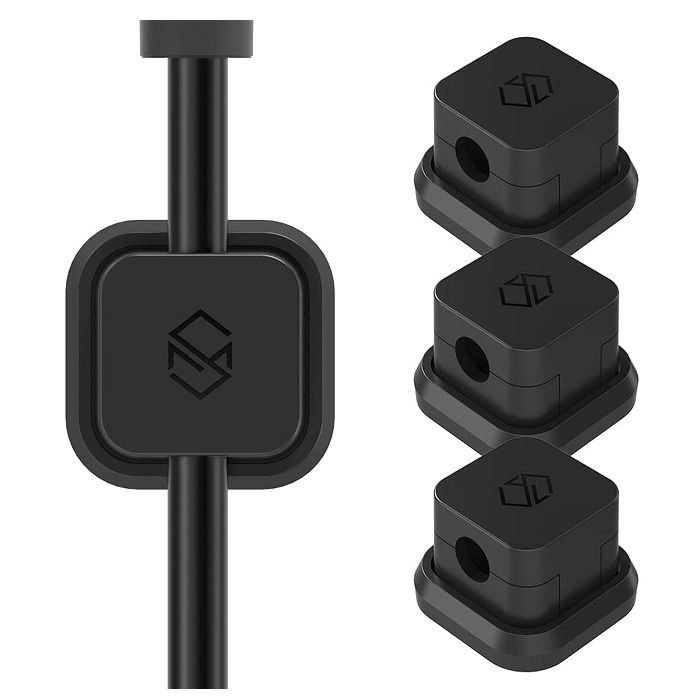
The star of this budget-friendly show is the Anker Multipurpose Cord Keeper. It is currently the best budget desk cable management accessories under 20 because it solves a specific, annoying problem: the runaway charging cable. This magnetic cable organizer typically consists of a base plate with an adhesive backing and individual magnetic clips that snap onto your cords.
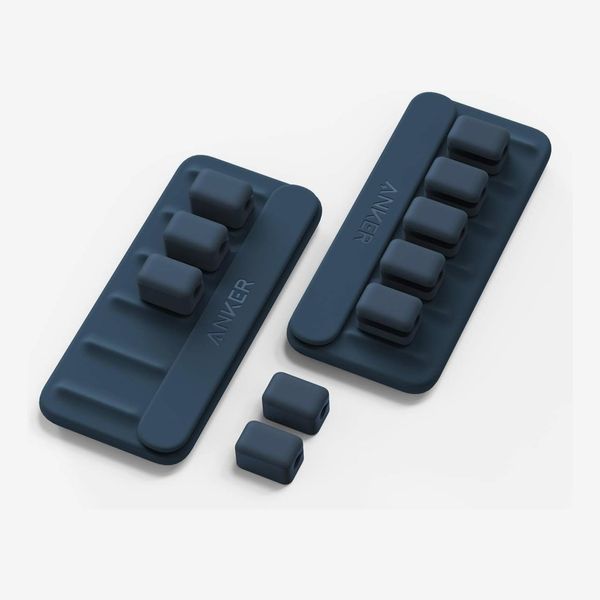
Unlike standard plastic clips that require you to force a cable through a narrow slit every time, the magnetic system is friction-less. You attach a small magnetic collar to your USB-C or Lightning cables, and when you are done charging, you simply drop the cable near the base. The magnet pulls it into place with a satisfying click.
- Cable Longevity: Constantly bending or pulling cables that have fallen behind furniture causes internal fraying. This organizer promotes cable longevity by keeping the connector heads stationary and protected.
- Tangle Prevention: By providing a dedicated home for up to five cables, it stops the "nesting" effect where three different chargers become an inseparable knot.
- Universal Fit: The clips are designed to accommodate cables up to 3.5mm in diameter, which covers almost every standard peripheral wire on your desk.
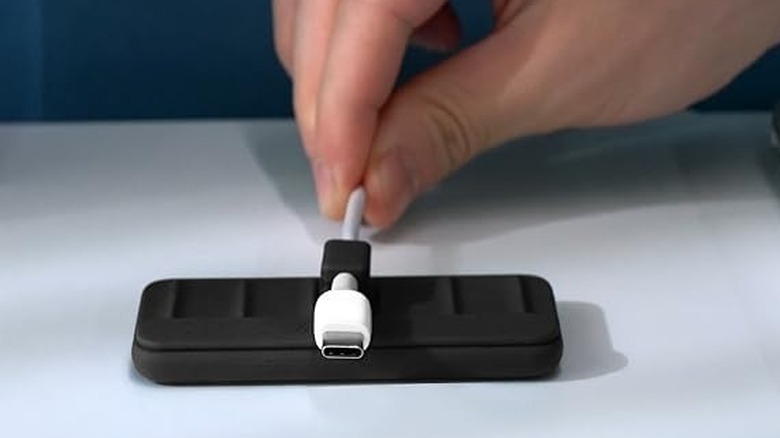
The 4.2-star average rating across thousands of reviews speaks to its efficiency in reducing desktop clutter. It is a rare example of a tech accessory that actually makes your life easier rather than adding another layer of complexity. If you have been wondering how to use magnetic cable organizers for phone chargers to their full potential, the key is placement—right at the edge of your desk where your hand naturally rests.
Installation and Surface Compatibility: No Damage, No Mess
A major concern for many users is whether adhesive cord keepers that don't damage wooden desks actually exist. Many cheap alternatives use industrial-grade foam tape that leaves a sticky, ruined mess on your furniture when you try to move them.
The Anker system uses a specialized adhesive that is both residue-free and reusable. To set it up, you simply clean the desk surface with a bit of isopropyl alcohol, apply the adhesive base, and attach the clips to your frequently used charging cables. If you decide to rearrange your setup, you can peel the base off, wash the adhesive bottom with water to restore its tackiness, and move it to a new location.
This surface compatibility extends beyond just wood. Whether you are organizing usb c and lightning cables on a small desk made of glass, marble, metal, or laminate, the vacuum-seal style adhesive holds firm. This flexibility is vital for creating a minimalist setup that can evolve as you upgrade your hardware.
Pro-Level Desk Organization: Moving Beyond the Desktop
While the $13 magnetic base handles your daily-use items, true workstation aesthetics require you to look under the hood. To achieve a professional finish, you need to separate your "active" cables (the ones you plug into your phone or laptop daily) from your "static" cables (power strips, monitor cables, and docking station wires).
For the static mess, I always recommend a two-step approach:
- Under-Desk Routing: Use a cable tray or an under-desk basket to lift power strips off the floor. This makes cleaning easier and keeps the floor area clear.
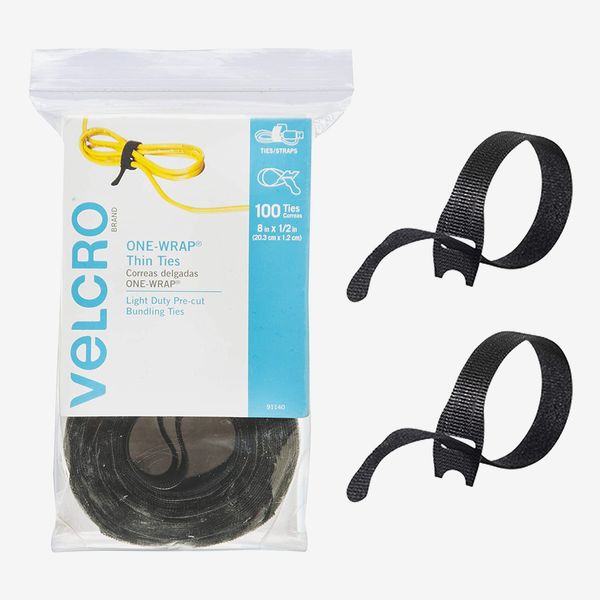
- Bundling: Instead of plastic zip ties, which can cut into cable insulation if overtightened, use Velcro ties. These are much better for cable longevity and allow you to add or remove wires without needing a pair of scissors.
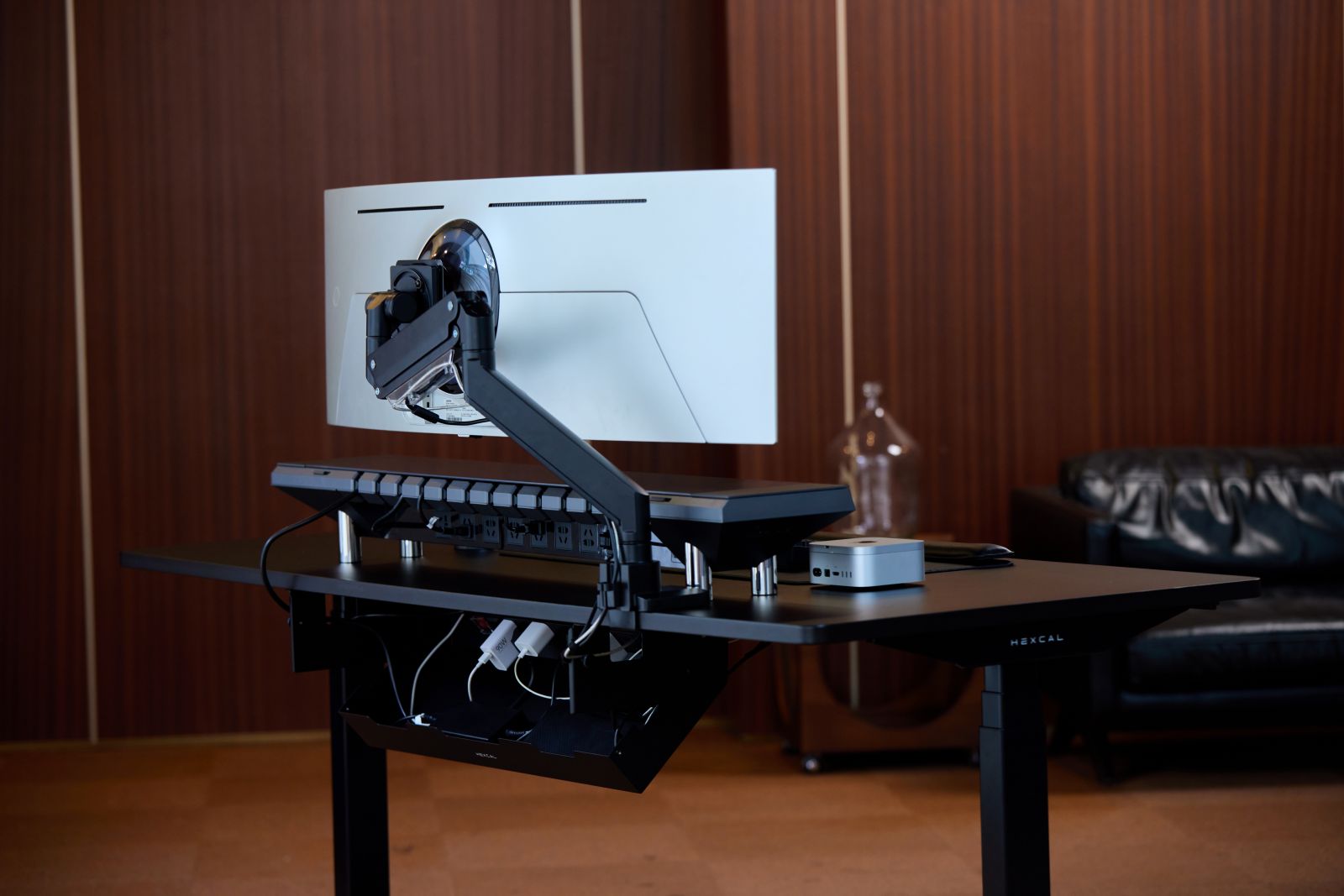
This holistic approach to desk cable management ensures that your essential tech accessories remain accessible and functional throughout the workday. When you combine an on-desk magnetic cable organizer with a clean under-desk routing system, you create a distraction-free environment that actually encourages you to get work done.
FAQ
How do I hide the cables under my desk?
The most effective way to hide under-desk cables is by using a horizontal cable management tray mounted to the underside of the desk. You can place your power strip and all excess cable slack inside the tray. For any wires that must travel down to a wall outlet, use a fabric cable sleeve or a plastic spine to bundle them into a single, neat column.
What is the best way to organize desk cables?
The best strategy is a tiered approach. Use a magnetic cable organizer on the desktop for frequently used charging cables, Velcro wraps for bundling wires behind your monitor, and an under-desk tray for power bricks and surge protectors. This keeps your immediate workspace clear while hiding the bulky infrastructure of your PC setup.
How do I stop my chargers from falling behind my desk?
A weighted or adhesive cord organizer for desk use is the most reliable solution. The Anker Multipurpose Cord Keeper uses magnetic clips that lock your cables to a base station, ensuring they stay exactly where you left them even when they aren't plugged into a device.
What are some DIY desk cable management ideas?
If you are on a strict budget, you can use large binder clips clamped to the edge of your desk to act as cable guides. Thread the cable through the silver loops of the binder clip to prevent the head of the cable from slipping through. You can also use bread ties or old shoelaces as temporary cable wraps, though they lack the durability and aesthetics of professional tools.
How do you organize cables with a glass desk?
Since glass desks offer no place to hide wires, visibility is your biggest challenge. Use transparent adhesive clips for routing and choose a magnetic cable organizer with a small, sleek base. To hide the "rat's nest" under the desk, consider a cable management box that sits on the floor but matches the color of your room's decor, keeping the wires contained in a clean aesthetic.