Quick Facts
- Top Pick for Longevity: Samsung Galaxy S26 Ultra (7 Years)
- Best Repairable Choice: Fairphone Gen 6 (8 Years + Modular)
- Best Budget Value: Galaxy A17 5G (6 Years)
- AI Benchmark: 12GB+ RAM required for Gemini Intelligence
- Industry Shift: Android flagships now match or exceed the average 6-7 year iPhone support cycle.
- Update Standard: Google and Samsung lead the market with guaranteed OS and security patches through 2032.
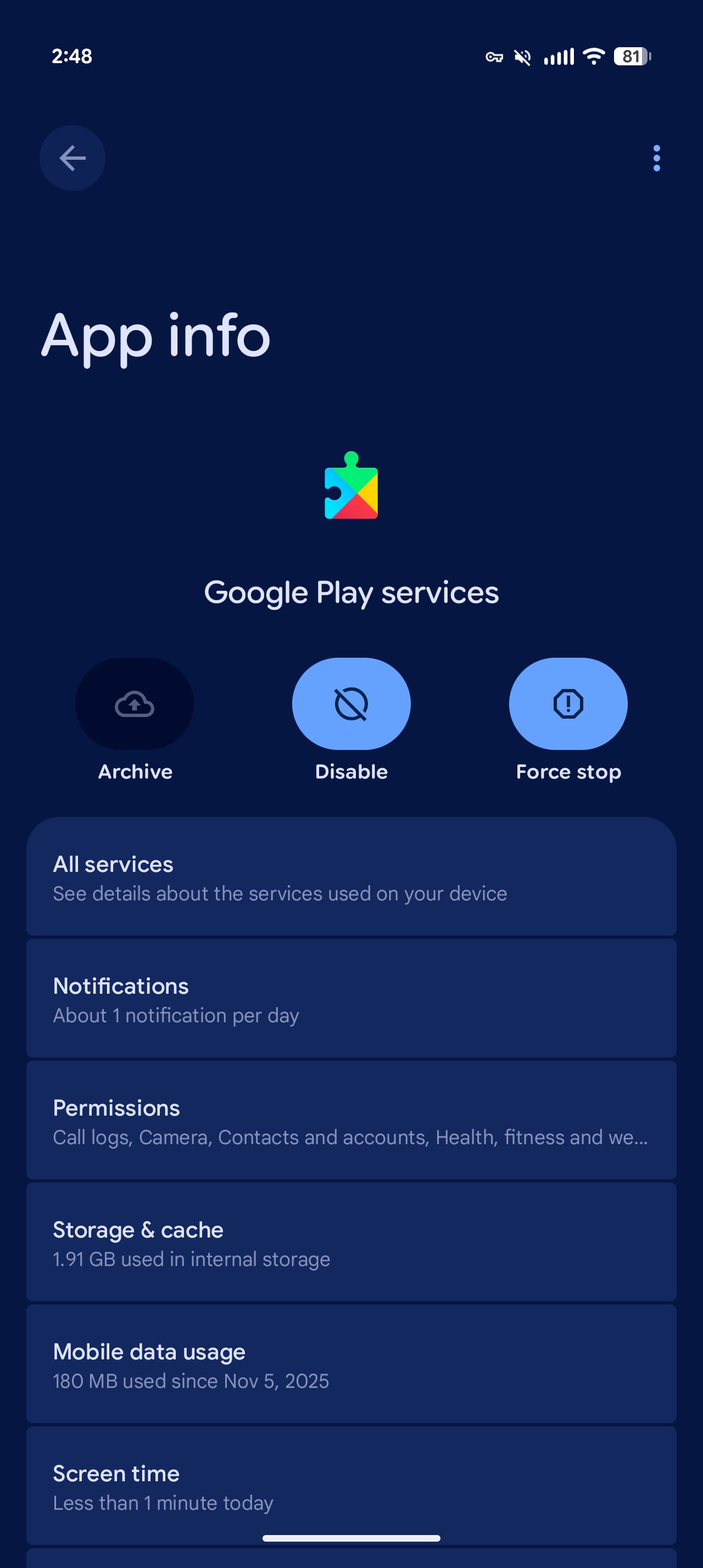
As we move into 2026, the question is system update necessary for android phone performance has been replaced by 'how long will my phone last?'. The current android software updates list has evolved significantly, with manufacturers like Samsung and Google now matching or exceeding Apple's longevity. Several Android manufacturers now offer seven-year software update guarantees, rivaling or exceeding Apple's support lifespan for the first time in mobile history. Key models include the Samsung Galaxy S26 Ultra, the Google Pixel 10 series including the budget-friendly 10a, and the Motorola Signature. For maximum longevity, the Fairphone Gen 6 stands out by providing seven years of Android version updates alongside eight years of security patches, bolstered by a modular design for easy hardware repairs.
The New 7-Year Industry Standard: Samsung vs. Google
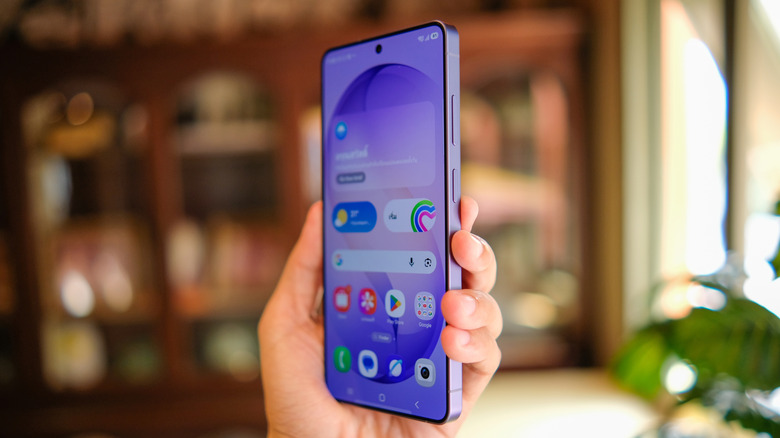
For years, the narrative was simple: buy an iPhone if you want your phone to last, or buy an Android if you want the latest features but a shorter lifespan. That narrative is officially dead. In 2026, the competition for operating system longevity has reached a fever pitch. Both Google and Samsung provide seven years of guaranteed OS and security updates for their flagship smartphones, starting with the Pixel 8 and Galaxy S24 series respectively. This commitment ensures that a buyer picking up a Galaxy S26 today will still receive official system update for android packages as late as 2033.
This massive shift in OEM update commitments is more than just marketing; it is a direct response to growing consumer demand for E-waste sustainability and stricter international regulations. For instance, while Apple has traditionally supported iPhones for an average of seven years, the company was recently pushed to commit to a minimum five-year support period for the iPhone 15 series to comply with United Kingdom regulatory standards. In contrast, the current android software updates list features multiple devices that far exceed this legal minimum.
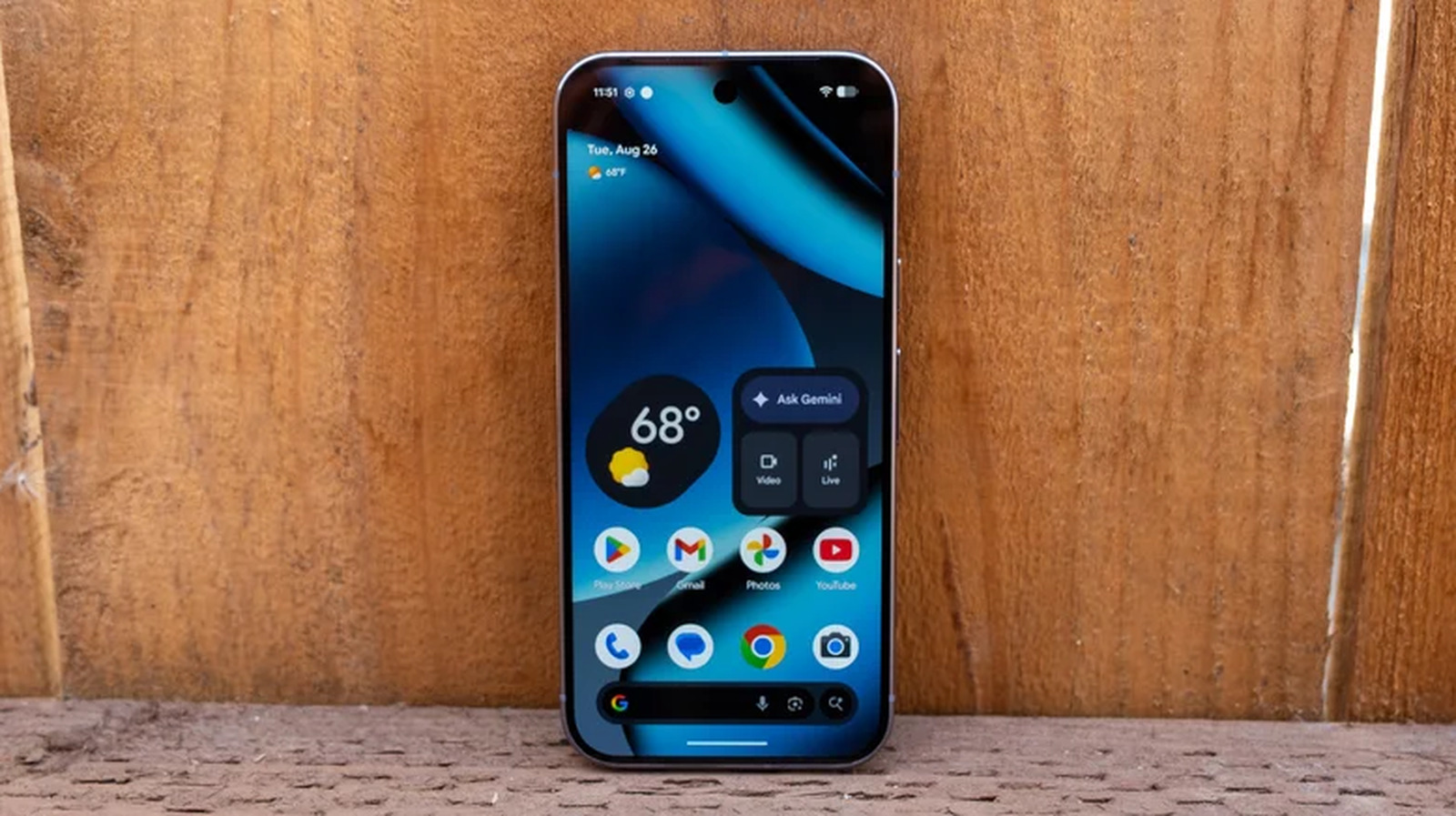
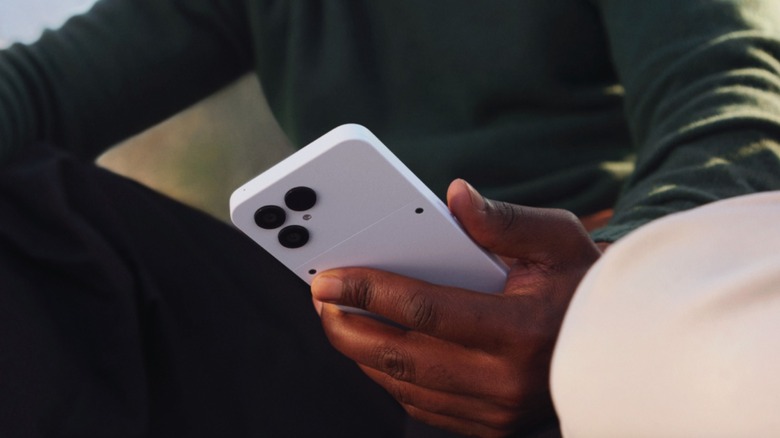
When looking at the android latest version name list samsung users should note that the transition to Android 17 and beyond will be seamless on these high-end devices. Google’s Pixel 10 series is specifically built to showcase Android 17 compatibility, utilizing its custom Tensor G5 chip to handle years of firmware evolution. If you are looking for future proof android phones for software longevity, these two brands currently represent the safest investments in the market.
Hardware Integrity: Why RAM and SoC Matter More Than Promises
As a mobile editor, I often warn readers that a software promise is only as good as the hardware underneath it. A manufacturer can promise 10 years of updates, but if the processor is sluggish and the memory is cramped, your phone becomes a paperweight long before the final patch arrives. This is the hardware-software sanity check I apply to every device on the android software updates list.
To maintain flagship hardware performance through 2030, you need to look beyond the sticker price. We are entering an era of Gemini Intelligence, where on-device AI requires significant resources. Even if you receive a system update for android every month, your device needs a robust engine to run it.
- Processor: The Qualcomm Snapdragon 8 Elite is currently the benchmark. Its architecture is designed to handle the increased load of future AI-heavy operating systems.
- Memory (RAM): This is the hidden bottleneck. For Gemini Intelligence requirements, I now recommend a minimum of 12GB of RAM. Phones with only 8GB may struggle with background AI tasks as the software matures toward 2028.
- Storage Speed: UFS 4.0 or higher is essential. Slower storage will make the phone feel "old" even if it has the latest android version list installed.
Expert Tip: Software longevity isn't just about security. It's about day-to-day usability. If a device's SoC can't handle the modernized animations of 2029, the seven-year promise feels more like a burden than a benefit.
Budget & Sustainable Choices: Beyond the $1000 Flagship
One of the most exciting developments in 2026 is that long-term support is trickling down to more affordable categories. You no longer have to spend four figures to get a device that remains secure for years. The Galaxy A17 5G has emerged as a leader for best budget android phones for long term support, offering a six-year update window for a fraction of the flagship price.
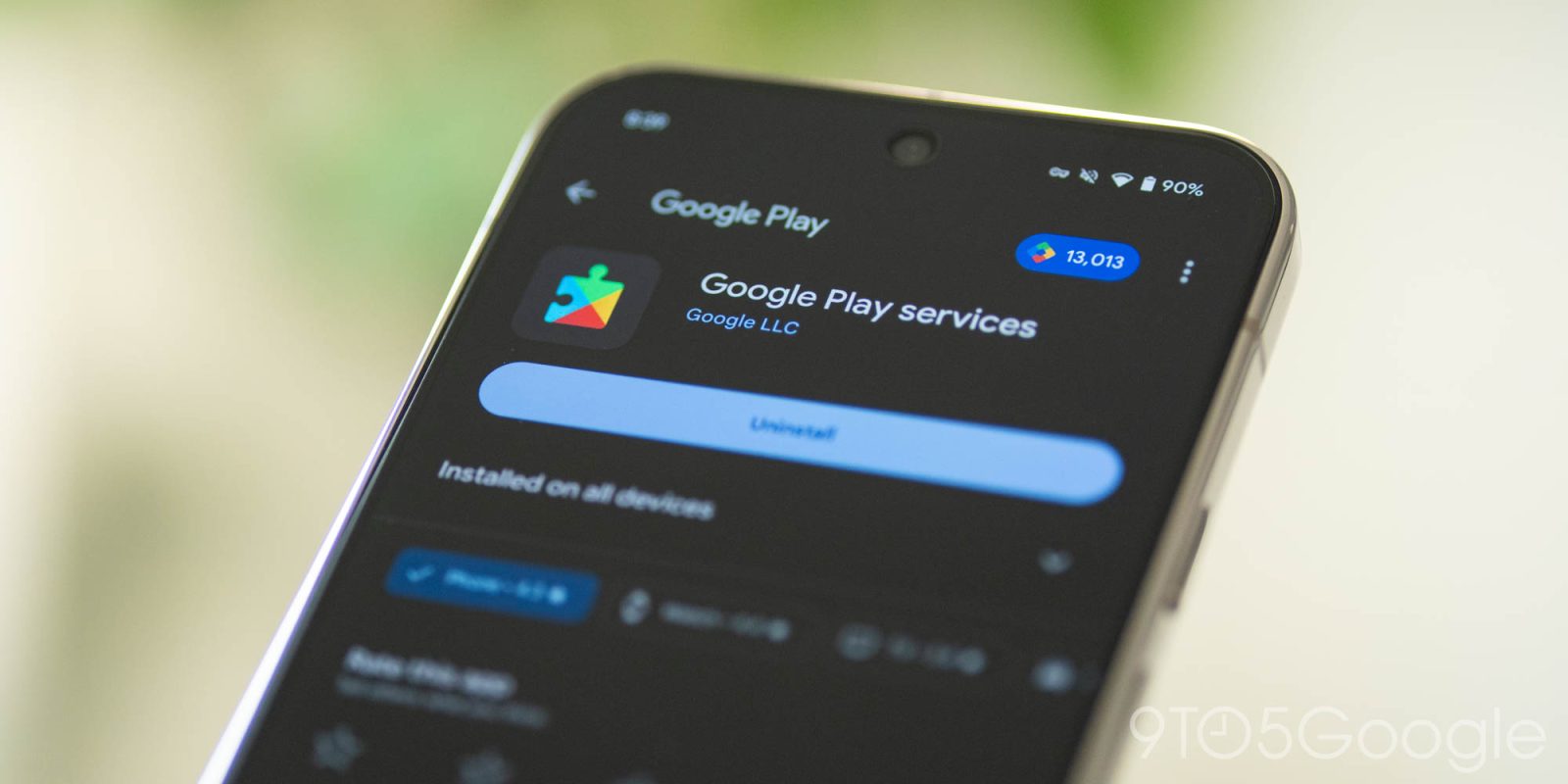
However, if we are discussing true longevity, we must talk about the Fairphone Gen 6. Software updates are useless if your screen is shattered or your battery is dead, and you can't fix them. The Fairphone 5 previously set the bar by offering security updates until at least 2031, and the Gen 6 continues this legacy. These are the premier repairable android phones with long software guarantees, allowing users to swap out modules themselves.
Comparing Philosophy: Repairable vs. Flagship
| Feature | Fairphone Gen 6 (Sustainable) | Galaxy S26 Ultra (Flagship) |
|---|---|---|
| Software Life | 7-8 Years | 7 Years |
| Repair Factor | Easy (Modular) | Professional Only |
| Performance | Mid-Range | High-End (Elite) |
| Pros | User-replaceable battery, low e-waste | Best-in-class camera, AI features |
| Cons | Thick design, mid-tier SoC | High entry cost, expensive repairs |
Choosing between these comes down to your personal lifestyle. If you value environmental impact and modular repairability, Fairphone is the clear winner. If you want the most powerful AI capabilities and are willing to pay for professional service, Samsung or Google are the way to go.
The Android Longevity Calendar: End-of-Life Dates Up to 2032
Understanding the android software updates list requires knowing when the road ends. Security patch cycles are critical because they protect your data, but OS updates give you the new "toys." When comparing the android vs iphone software support lifespan, the key is the definitive "End-of-Life" (EOL) date. Devices with long support cycles generally see lower device depreciation rates, making them much better for future trade-ins.
| Manufacturer | Model Series | Android OS Support Ends | Security Patches End |
|---|---|---|---|
| Samsung | Galaxy S26 / S25 / S24 | 2031-2033 | 2031-2033 |
| Pixel 10 / 9 / 8 | 2031-2032 | 2031-2032 | |
| Fairphone | Fairphone 6 | 2033 | 2034 |
| Pixel 10a / 9a | 2032-2033 | 2032-2033 | |
| Samsung | Galaxy A17 / A16 | 2030-2032 | 2030-2032 |
When you check the android version name list for older devices, you might find that many phones from 2022 are already reaching their final major update. By choosing a device from the list above, you are essentially doubling your device's functional life compared to the standards of just three years ago.
FAQ
What are the latest Android updates?
The latest major release is Android 16, with Android 17 currently in developer preview for 2026. These updates focus heavily on Gemini AI integration, improved privacy dashboards, and better battery management for foldables. Most flagship devices from the last two years are currently receiving monthly security patches alongside these version jumps.
What phones will stop working in 2026?
Devices that were released in 2020 or 2021 with only 2 or 3 years of guaranteed support are reaching their end-of-life this year. This includes several mid-range models from older Motorola and OnePlus series that have stopped receiving security patches. While the phones still "turn on," they become vulnerable to new security threats and may lose compatibility with banking and work apps.
Which Android version is outdated now?
Android 11 and older are now considered outdated for most modern app requirements. While they may still run basic apps, they no longer receive critical security updates from Google, leaving users exposed to vulnerabilities. We recommend moving to a device that supports at least Android 14 to ensure long-term app compatibility and security.
What is the oldest Android that is still supported?
Currently, devices dating back to 2021 that launched with 5-year security commitments (like the Google Pixel 6 series) are the oldest still receiving official support. However, for a fully supported experience that includes major OS features, the Galaxy S22 series represents the older threshold of the modern era of extended support.
Is system update necessary for android phone?
Yes, a system update for android is essential not just for new emojis or interface changes, but for security and stability. Updates patch "zero-day" vulnerabilities that hackers use to steal data. Furthermore, frequent updates optimize how the software interacts with hardware, often improving battery life and preventing the slowdown typically associated with older electronics.
The gap in longevity is gone. Whether you choose the powerhouse performance of a Samsung, the AI-first vision of a Google Pixel, or the rugged sustainability of a Fairphone, your Android device is now built to last as long—if not longer—than an iPhone. When navigating the android software updates list, remember to balance the software promise with the hardware reality of RAM and processor speed to truly future-proof your investment.