Quick Facts
- Primary Choice: Flat screens are the 2026 industry standard for durability and visual fidelity.
- Manufacturing Cost: Curved glass commands a 30-50% price premium over flat alternatives.
- Durability Advantage: Flat panels significantly reduce the risk of edge breakage and simplify screen protector installation.
- Interaction Fidelity: Flat designs eliminate accidental touches and light refraction at the display edges.
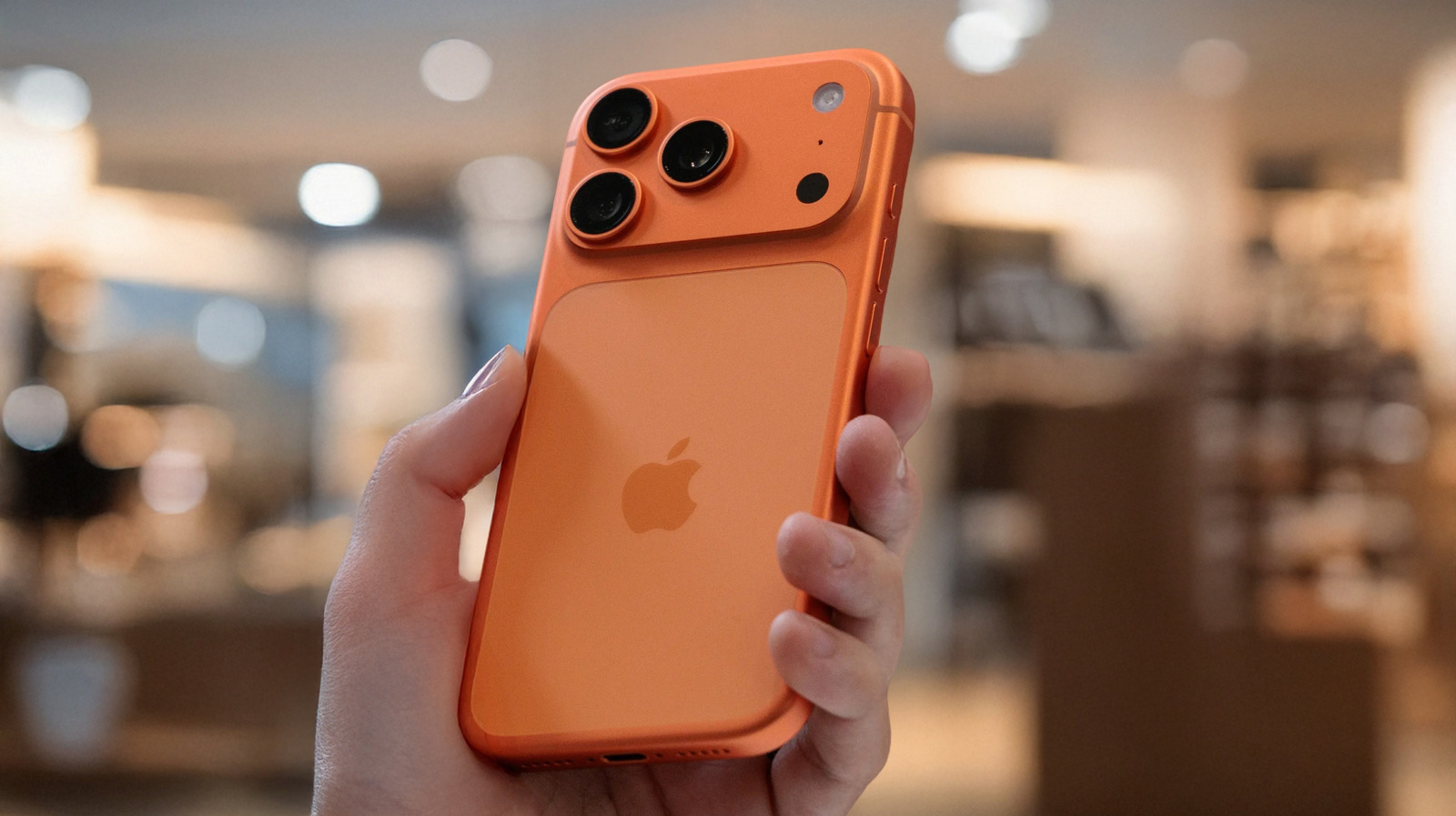
- Top 2026 Flagships: Samsung Galaxy S25 Ultra, Oppo Find X9 Pro, and iPhone Air all use flat-edge glass.
- Standard Specs: 120Hz refresh rates and 3,000 nits peak brightness are now standard on high-end flat models.
- Repairability: Lower complexity in assembly leads to better repairability scores for 2026 mobile devices.
The era of the curved phone screen is officially ending in 2026. While once seen as a symbol of 'premium' design, modern users are prioritizing durability and clarity. This shift isn't just about aesthetics; flat panels offer superior viewing angle consistency and lower repair costs.
1. The Durability Gap: Why Curved Glass Breaks Easier
In my years of testing hardware, the most frequent failure point on any smartphone is the exposed glass edge. The structural geometry of a curved phone screen means the glass wraps around the sides of the chassis, leaving a significant surface area vulnerable to side-impact drops. When you drop a phone, force is usually concentrated at the corners or edges. On a flat device, the metal or titanium frame absorbs much of this energy. On a curved display, the glass itself often takes the full hit.
The question of do curved phone screens break easier is no longer a debate; it is a statistical reality. Because the edges are exposed, standard bumpers cannot fully cover the glass without interfering with the touch interface. This leads to a persistent frustration known as curved phone screen protector problems. Finding a tempered glass protector that adheres perfectly to these sloped edges is difficult, and even the best ones often peel back over time.
The industry is responding to this by scaling up flat panel production. The global flat glass market is projected to grow to USD 43.8 billion in 2026, reflecting a massive pivot toward more resilient display architectures. Modern materials like Gorilla Glass Armor perform significantly better on flat surfaces, where the molecular structure can be optimized for uniform impact distribution.
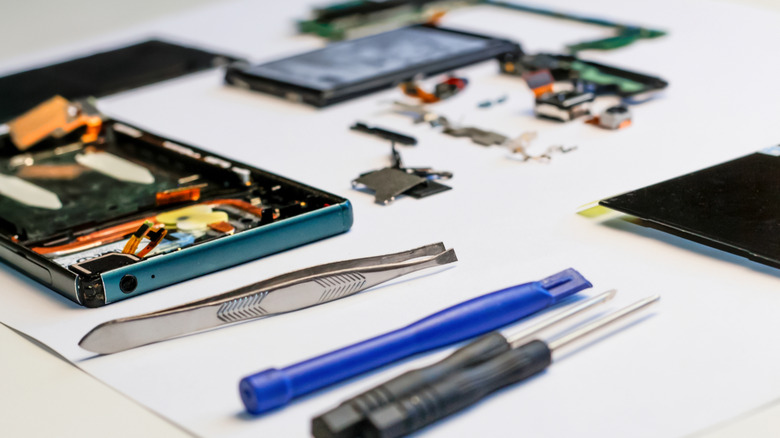
When the glass does break, the financial sting is much worse for curved users. Because of the resource-intensive manufacturing process, curved glass panels typically command a price premium of 30% to 50% compared to flat designs. If you look at the samsung curved phone screen replacement cost from previous years, you will see a clear trend of inflated prices due to the specialized equipment required for concave bonding and complex assembly requirements.
2. Media and Interaction: Ending the Edge Distortion
As an editor who spends hours watching high-dynamic-range (HDR) demos and editing mobile content, the disadvantages of curved display phone designs become glaringly obvious under scrutiny. The most immediate issue is light refraction. On a sloped edge, light hits the pixels at an angle, causing a shadow-like effect or a green-tinted shimmer along the sides.
When watching videos on curved screen vs flat models, the flat panel always wins on viewing angle consistency. On a curve, the edges of your video warp and distort, making it feel like you are looking at a vintage tube television rather than a 2026 flagship. This color distortion ruins the immersive quality that high-brightness displays are supposed to provide.
Furthermore, the ergonomic interaction with these screens has long been a source of user complaints. I still receive countless emails about accidental touches on curved phone screens. Even with advanced edge palm rejection software, it is virtually impossible to hold a phone tightly without the flesh of your palm registering a phantom click on the side of the screen.

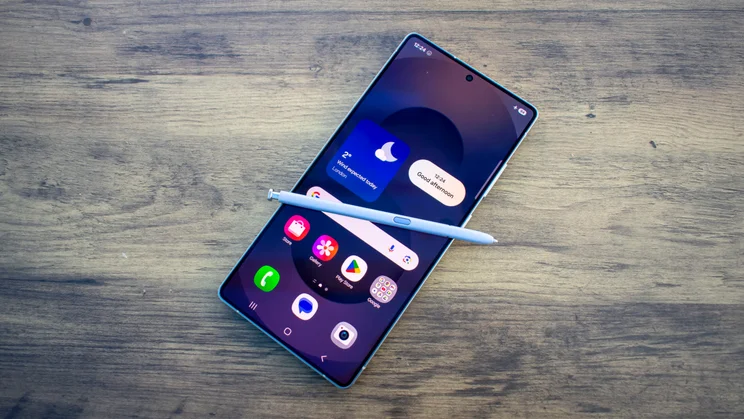
For power users, the curved phone screen vs flat debate is even more lopsided when you introduce a stylus. On a curved surface, the pen slip is a constant irritation. Writing near the edge becomes a game of balancing the nib against a sliding slope. This is why the latest flagships have transitioned back to bezel-less flat panels—it provides a stable canvas for precision tools like the S-Pen and ensures that gesture-heavy apps work without a hitch.
3. High-Performance Hardware: The 2026 Shift to Flat
By 2026, the industrial design trends have moved toward "functional maturity." Manufacturers have realized that flat edges allow for more efficient internal packaging. A flat-edge design creates a more rectangular interior cavity, which allows for larger, more dense battery modules. We are seeing phones like the Oppo Find X9 Pro and the OnePlus 15 reach battery capacities of up to 7,500mAh primarily because they stopped wasting internal space on curved display module thickness.
This shift has also enabled a new era of ultra-slim chassis designs. By utilizing a flat panel, engineers can reduce the device profile to a sub-6mm thickness while maintaining structural integrity. The ergonomic flagship chassis of 2026 is no longer about the illusion of thinness created by a curve; it is about actual, physical slimness that fits better in a pocket.
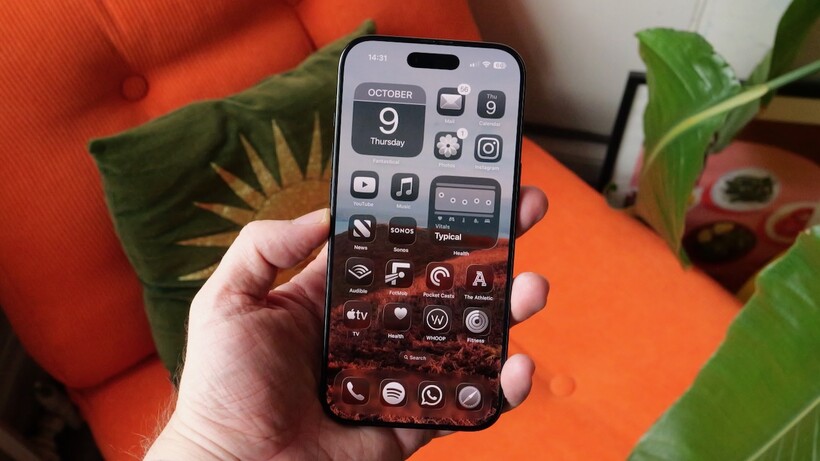
Display technology itself has matured to the point where the aesthetic gimmick of curved glass is no longer needed to hide bezels. Thanks to advanced micro-LED and LTPO OLED manufacturing, 2026 phones without curved edge screen designs achieve a near 100% screen-to-body ratio. The visual impact is striking because the image looks like it is floating on top of the glass, rather than falling off the side of it.
4. Market Trends: Comparing the 2026 Flagship Lineup
This year marks the definitive death of the Waterfall display. Almost every major player has recognized that the best phone without curved screen 2026 enthusiasts can buy is now officially the "Pro" model. Even brands once obsessed with curves, like Google and Samsung, have fully embraced the flat-panel standard.
The following table highlights how the major 2026 flagship phones compare in terms of their display and durability choices:
| Model | Display Type | Peak Brightness | Key Durability Feature |
|---|---|---|---|
| Samsung Galaxy S25 Ultra | 6.9-inch Flat Dynamic AMOLED | 3,000 nits | Titanium frame + Gorilla Armor |
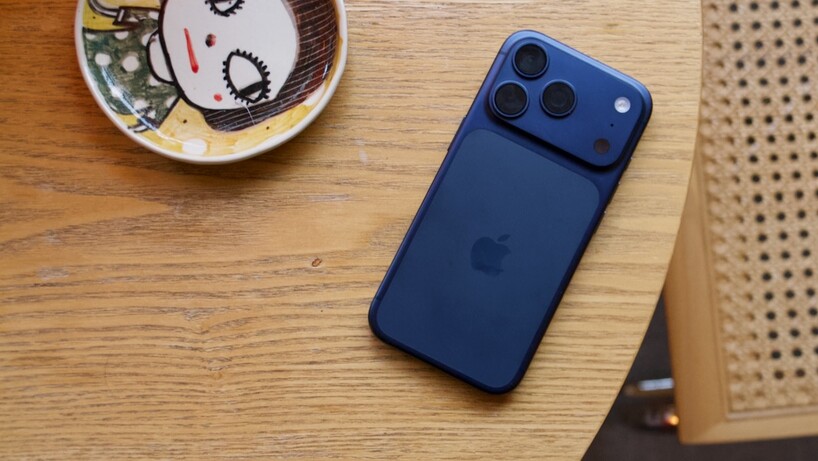
| iPhone Air (2026) | 6.6-inch Super Retina XDR Flat | 2,800 nits | Ceramic Shield 3.0 (Flat) |
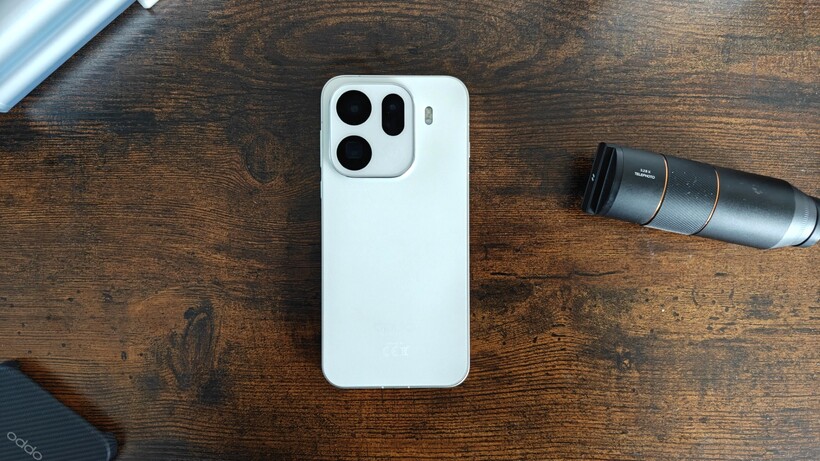
| Oppo Find X9 Pro | 6.82-inch Flat LTPO OLED | 3,200 nits | Ultra-slim 5.6mm chassis |
| Google Pixel 10 Pro XL | 6.8-inch Flat Actua Display | 3,000 nits | IP69 Dust/Water Resistance |
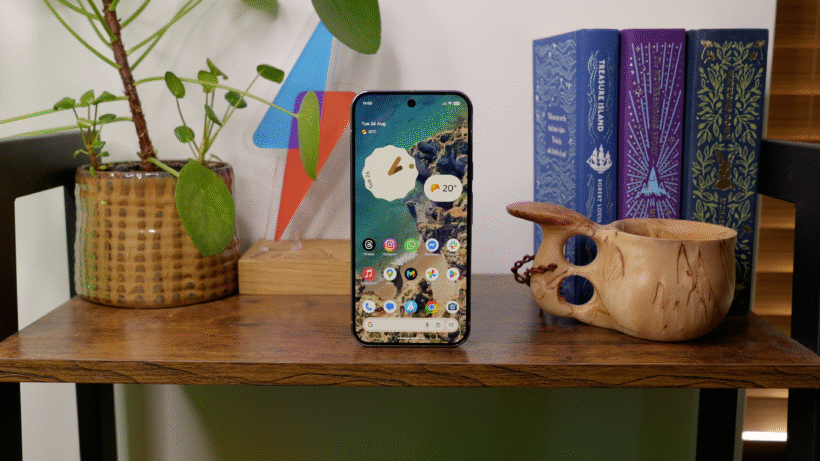
The Pixel 10 series is particularly interesting because it leverages software longevity alongside its flat hardware. With updates guaranteed until 2032, Google knows that a flat screen is far more likely to survive the next seven years than a curved one. They have prioritized repairability scores over the short-term aesthetic appeal of a curve.
Even in the professional world, the move to flat is absolute. Much like the mobile industry, the monitor market has found that flat screens provide superior geometric accuracy and prevent the alignment gaps that often occur with curved screens in multi-display setups. This demand for precision has trickled down to our mobile devices, where professional photographers and videographers demand a reliable interaction design that doesn't distort their work.
FAQ
Are curved phone screens better?
In 2026, most experts and tech enthusiasts agree that curved screens are no longer better. While they were once a mark of high-end design, they are now viewed as less durable and more prone to visual distortion. Flat screens offer better color accuracy and a much more reliable touch experience for modern applications.
What happened to curved phone screens?
The market transitioned away from them due to consumer demand for durability and lower repair costs. Manufacturers realized that the aesthetic benefits of a curved phone screen did not outweigh the functional drawbacks, such as accidental touches and the high cost of replacement glass.
What are the disadvantages of a curved screen?
The primary disadvantages of a curved display phone include increased fragility, distorted viewing angles, and issues with light refraction. They also make it incredibly difficult to apply a screen protector and are significantly more expensive to repair if the glass cracks.
Why did Samsung stop curved screens?
Samsung pioneered the curved edge but shifted back to flat panels to improve S-Pen usability and structural integrity. They found that a flat screen provided a better experience for professional users and allowed them to use more durable materials like Gorilla Glass Armor, which works best on a flat surface.
Which is the best curved display phone?
If you still prefer a curved design in 2026, the selection is thinning fast. You might find older stock from 2024 or 2025 like the Motorola Edge plus, but almost all new 2026 flagships have moved to flat or "micro-quad-curved" designs where the glass is technically curved at the very edges but remains functional and flat for the touch interface.
Ultimately, choosing a flat screen in 2026 is about choosing longevity and precision. The visual gimmicks of the past have been replaced by a focus on display consistency, thermal management, and robust construction. When you go to pick up your next device, look for those flat edges—your wallet and your eyes will thank you.