Carrier vs. Unlocked Phones: 2026 Buying Guide
Quick Facts
- Upfront Cost: $800-$1,300+ for factory models vs. $0-$30/month for carrier subsidized devices.
- Carrier Freedom: Immediate with factory models vs. 24-36 months of restricted service for locked devices.
- Software Updates: Direct from manufacturer (instant) vs. delayed by carrier testing and approval.
- Resale Value: Typically 20-30% higher for factory models due to universal market compatibility.
- Monthly Savings: Up to 60% lower recurring costs by utilizing MVNO providers ($15/month vs. $65+/month).
- Direct Answer: Buying unlocked phones is a superior long-term investment for those seeking network flexibility, no bloatware, and maximum resale value. However, carrier deals are better for high-end flagship buyers who prefer zero-interest installments over 36 months.
Buying a new phone in 2026 involves more than just picking a model. You must decide whether to buy unlocked phones directly or through a carrier. While carriers offer enticing low-interest installments, factory unlocked phones provide long-term freedom and higher resale value. Choosing between them depends on your budget, travel needs, and how often you switch carriers.
The 4-Year Total Cost of Ownership: Why Upfront is Cheaper
When you walk into a carrier store, the "free" phone offer is almost impossible to ignore. However, as an editor who looks at thousands of data points, I always encourage readers to look at the four-year horizon rather than the first month. In 2025, online direct-to-consumer sales, which allow manufacturers to bypass carrier subsidies, captured 36.32% of the total smartphone market share. This shift is happening because savvy consumers realize that "free" usually comes with a massive monthly service premium.
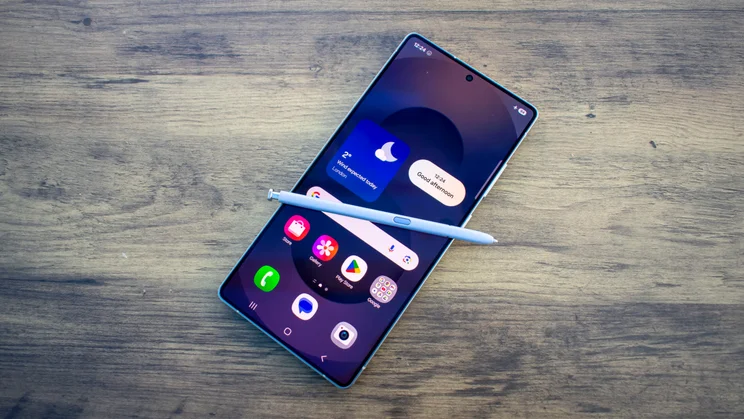
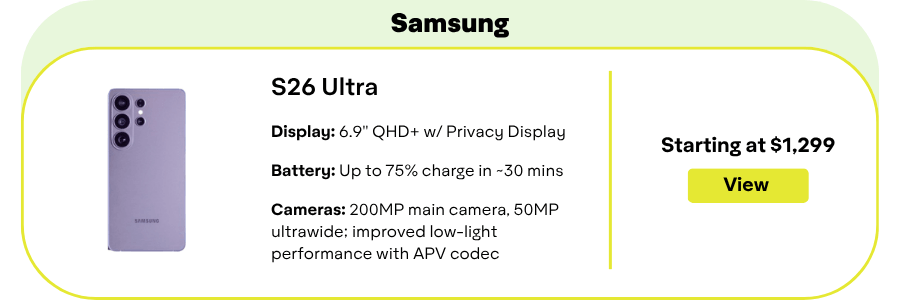
Consider a flagship like the Samsung Galaxy S26 Ultra. If you buy it unlocked, you might pay $1,299 upfront. You then have the freedom to take that device to a low-cost carrier, often called MVNO providers, for as little as $15 to $25 a month. On the other hand, a carrier "deal" often requires you to stay on a top-tier unlimited plan costing $75 or more for the duration of the 36-month installment plan. Over three to four years, the person who bought their phone at full price often saves over $1,200 in service fees.
| Feature | Factory Unlocked (Direct) | Carrier Finance (Locked) |
|---|---|---|
| Initial Investment | High ($800 - $1,300) | Very Low ($0 - $100) |
| Monthly Service Cost | $15 - $40 (Flexible) | $65 - $90 (Mandatory Plan) |
| 36-Month Total Cost | ~$2,100 | ~$3,100 |
| Contract Commitment | None | 24 - 36 Months |
| trade-in valuation | Market Rate (High) | Restricted to Carrier Credit |
If you are looking for a deal without the monthly commitment, keep an eye out for clearance unlocked cell phones from the previous generation. These devices often receive the same long-term software support but at a fraction of the launch price. By choosing the unlocked route, you also preserve a higher resale value of unlocked phones vs locked phones because your potential buyer could be on any network, not just your specific carrier.
The Firmware Trap: Factory vs. Carrier Unlocked
One of the most common points of confusion I see in my inbox involves the term "unlocked." It is vital to understand the factory unlocked vs carrier unlocked differences before you tap "buy."
A factory unlocked phone is built by the manufacturer to be network-neutral from day one. It contains no carrier-specific branding, and more importantly, no carrier bloatware. When Google or Samsung releases a security patch, your phone gets it immediately. In contrast, a carrier-unlocked phone was originally sold by a provider like AT&T or Verizon. Even after you pay it off and the carrier "unlocks" it for other networks, it often retains the carrier’s boot animation and pre-installed apps that you cannot delete.
For users of android unlocked phones, the firmware difference is especially noticeable. Carrier versions might have restricted features, such as blocked internal storage managers or specialized tethering limitations. If you value a clean, fast experience with immediate OTA software updates, factory unlocked is the only way to go.
Technical Compatibility: Bands and eSIM
There was a time when moving a phone between networks was a technical nightmare. Today, the landscape is much simpler, but you still need a basic android unlocked phones compatibility guide to ensure you are getting the best 5G speeds.
Modern 5G chipsets are incredibly versatile, but carriers still prioritize specific network frequency bands. For example, if you are on Verizon, you want a device that fully supports B13. If you use T-Mobile, support for B71 and n41 is non-negotiable for indoor coverage and mid-band speeds. Factory unlocked phones are generally engineered with the widest possible band support to ensure they work globally.
Industry research indicates that more than 20% of consumers switching to a new wireless service provider choose to bring their own unlocked smartphones rather than buying a new locked device. This trend is fueled by the rise of eSIM technology, which allows you to activate a new plan in minutes via a QR code.
The unlocked phones for international travel benefits are also significant. When you land in a different country, an unlocked device allows you to instantly swap to a local physical SIM or download a regional eSIM. If your phone is carrier-locked, you are often forced to pay $10 per day for "International Day Passes," which can easily add $140 to a two-week vacation.

Software Longevity: The 7-Year Rule
In 2026, the lifespan of a smartphone has changed. Both Samsung and Google now pledge up to seven years of software support for their flagship devices. This makes the question of is it better to buy unlocked or carrier phone even more critical.
When you buy unlocked phones samsung offers, you are version-proofing your life through 2033. However, if you buy a carrier-locked version, you are often tied to that provider for the first three years just to "earn" the device through credits. If you decide to leave that carrier two years in, you must pay the remaining balance of the phone instantly, often losing hundreds of dollars in promised promotional credits. An unlocked device is yours from day one, allowing you to chase the best service deals as they appear in the market.
Who Should Skip Unlocked? Choosing the Carrier Path
Despite the financial advantages of buying direct, there are specific scenarios where buying through a carrier is the smarter move. Most carrier-locked phones are purchased in physical retail stores or kiosks—accounting for 74% of carrier-locked sales.
If you are a "Gadget Loyalist" who insists on having the newest flagship every 12 months, carrier trade-in programs can be unbeatable. Often, providers will offer $800 to $1,000 in credit for a two-year-old device, which is significantly higher than the raw market trade-in valuation you might get elsewhere. Additionally, for non-technical users, having a physical store to visit for setup assistance or insurance claims is a valuable service. Remember that leaving a carrier early will trigger early termination fees for your device balance, so only take this path if you are certain you will stay for the 36-month duration.

Conclusion & Verdict
So, is it better to buy unlocked or carrier phone? My recommendation is nearly always to go with factory unlocked phones if your budget allows for the initial investment. The combination of no bloatware, immediate updates, and the freedom to switch to an MVNO will save you thousands of dollars over the seven-year life of a modern smartphone.
If you are a student or a budget-conscious professional who cannot drop $1,200 today, the zero-interest financing from a carrier is a fair compromise, provided you are happy with their coverage for the next three years. Just remember that you are trading your mobility for a lower entry price.

FAQ
Is buying unlocked phones a good idea?
Yes, it is generally a great idea for those who want to save money on their monthly cellular bills and avoid being tied to a single provider for years. It offers the most flexibility for international travel and ensures your device has the highest possible value if you decide to sell it later.
Which is the best unlocked phone?
The best choice depends on your ecosystem preference. For Android enthusiasts, the Samsung Galaxy S26 series or the Google Pixel 10 are the top recommendations due to their 7-year software update commitments. For those on a budget, previous-year flagships found in clearance sales offer excellent value.
Can I just put my SIM card into an unlocked phone?
Absolutely. In most cases, you can simply pop your existing physical SIM card into a factory unlocked phone, and it will begin working immediately. If you use a newer network, you may need to use an eSIM activation, which can be done through your carrier's app or a QR code.
What is meant by an unlocked phone?
An unlocked phone is a device that is not restricted to a specific cellular carrier's network. "Factory unlocked" means it was built by the manufacturer to work on any network, while "carrier unlocked" means the phone was originally restricted but has been released after a contract or payment obligation was met.
Are unlocked phones worth buying?
They are worth buying if you value freedom and long-term savings. While the upfront cost is higher, the ability to use $20/month pre-paid plans instead of $80/month postpaid plans means the phone pays for itself in less than two years.