Our Top Picks
- Best Overall: INIU 22.5W. A perfect blend of high-speed charging and a digital battery display that eliminates guesswork.
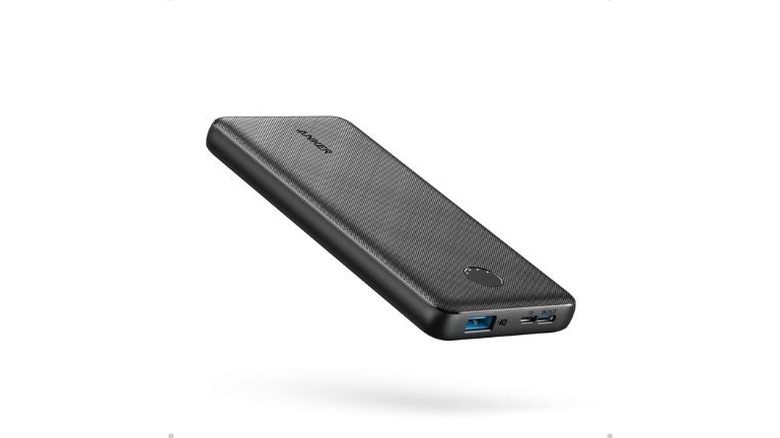
- Best for Daily Commute: Anker PowerCore Slim 10K. This ultra-slim unit fits behind your phone in one hand and provides reliable Power Delivery.
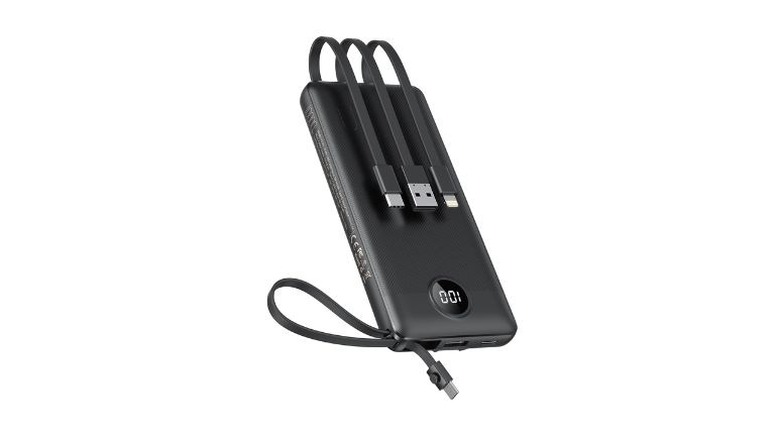
- Best for Travel: VEEKTOMX 20000mAh. Featuring built-in cables for both iPhone and Android, it is the ultimate TSA approved portable charger for long flights.
- Best High-Capacity: Baseus 20000mAh 22.5W. A reliable cheap power banks for students and commuters who need four to five full phone charges on a single brick.
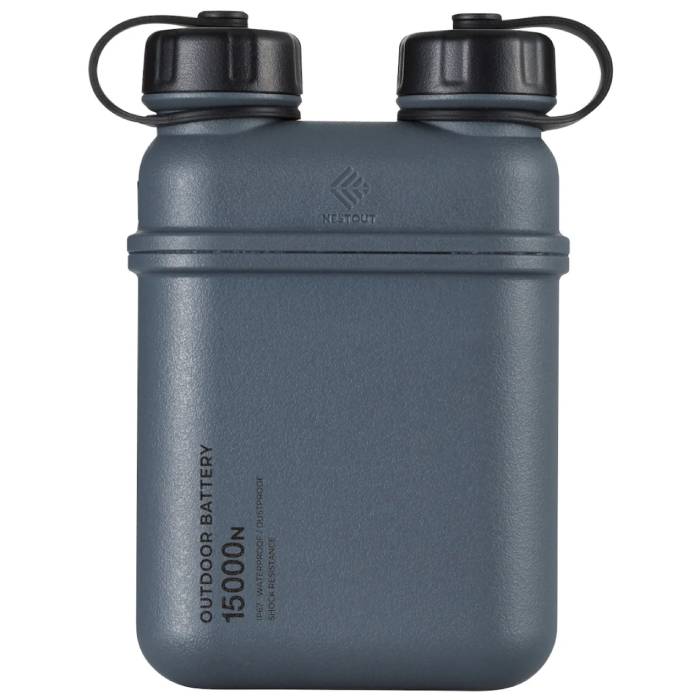
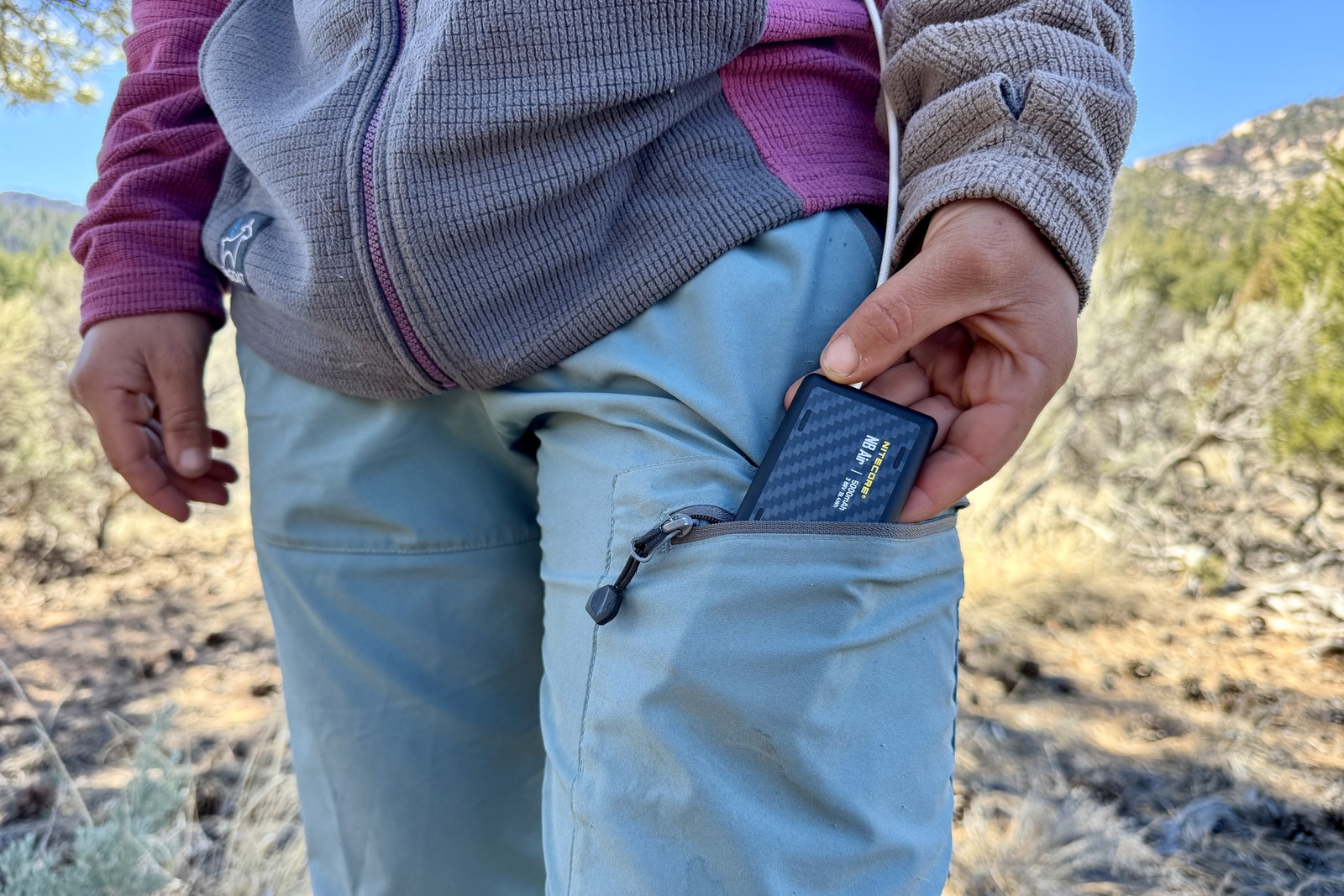
- Best Rugged Pick: Nitecore NPB1. An IP68-rated waterproof option for hikers and outdoor enthusiasts who need emergency backup in any weather.
The top best budget power bank options under $50 provide a balance of high capacity and portability. Leading choices include the Anker PowerCore Slim 10K for its lightweight design and the INIU 22.5W model for fast charging. For users prioritizing value, 10,000mAh to 20,000mAh units offer multiple charges for modern smartphones while remaining affordable for students and commuters.
| Model | Capacity | Weight | Max Output | Best For |
|---|---|---|---|---|
| INIU 22.5W | 10,000mAh | 7.4 oz | 22.5W | Best Overall |
| Anker Slim 10K | 10,000mAh | 7.5 oz | 12W-20W | Pocketability |
| VEEKTOMX Integrated | 20,000mAh | 11.2 oz | 22.5W | Cord-free Travel |
| Baseus Star-Lord | 20,000mAh | 15.8 oz | 22.5W | Multi-day Power |
| Nitecore NPB1 | 5,000mAh | 3.7 oz | 18W | Extreme Durability |
How We Tested: Beyond the Marketing Specs
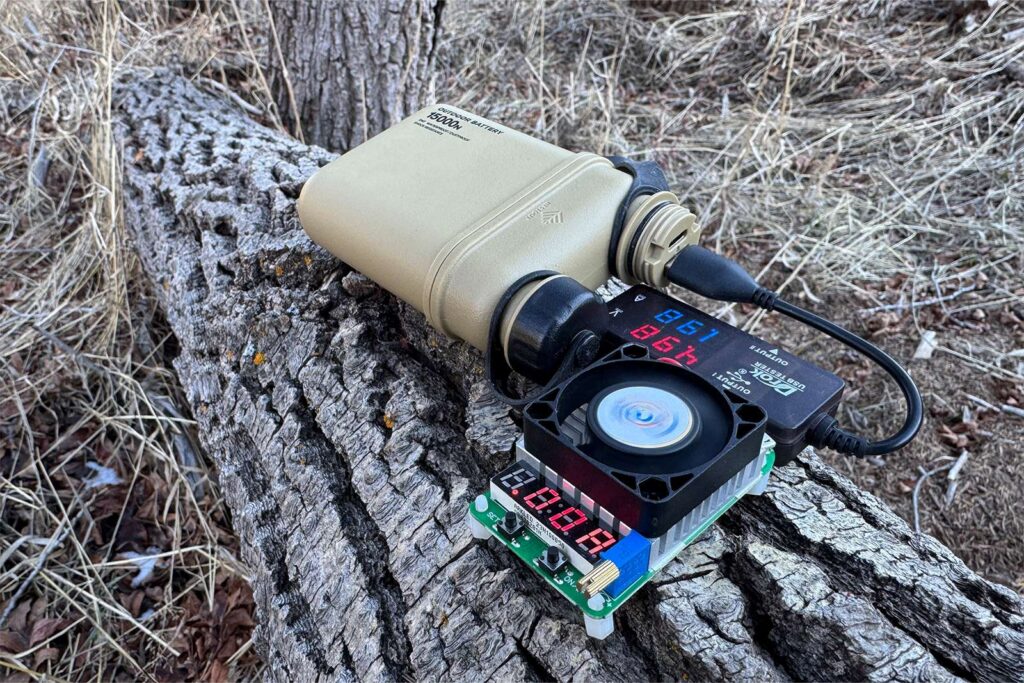
In the mobile tech world, milliamp-hours (mAh) are often treated like suggested retail prices—brands like to inflate them. To find the best budget power bank, I moved past the packaging and used professional USB load testers and multimeters. We drained every unit from 100% to zero to see the actual "rated capacity" versus the "typical capacity."
We also focused on the form factor. A power bank is only useful if it is actually in your bag, so we set a 0.5 lbs threshold for "daily carry" picks. We tested the Power Delivery (PD) protocols to ensure these chargers could take an iPhone 16 or Samsung S24 from 0% to 50% in roughly 30 minutes. Finally, we looked at the battery cycle life to ensure these budget-friendly picks wouldn't lose half their health after just six months of use.
The global power bank market was valued at approximately $12.2 billion in 2024, driven by our increasing reliance on mobile devices. With so much money flowing into the sector, the market is flooded with low-quality clones. Our testing ensures you avoid the "value traps" and stick to brands that offer real circuit protection.
1. Best Overall: INIU 22.5W (The Speed King)
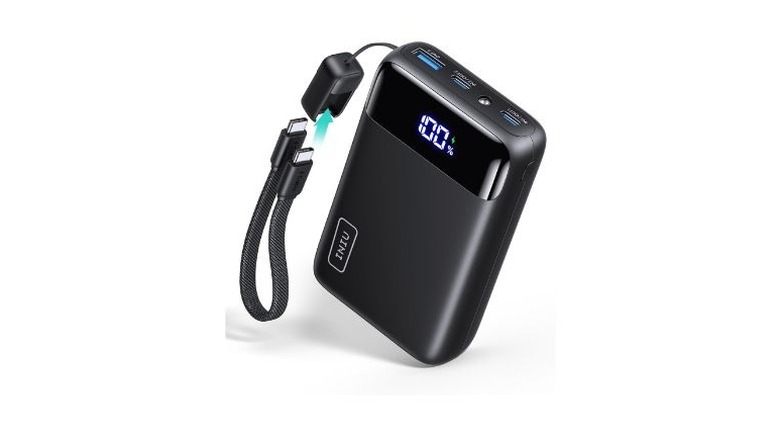
If you are looking for the best budget power bank that doesn't feel "cheap," the INIU 22.5W is the clear winner. While many budget chargers stick to a standard 12W or 15W output, this model pushes a full 22.5W via its USB-C port. In our testing, this fast charging power bank under $50 managed to top up a Google Pixel 8 significantly faster than the standard Anker budget models.
The standout feature is the digital LED display. Instead of four vague blinking dots, you get a percentage readout. It also features a clever "paws" design that doubles as a phone kickstand. It is a reliable cheap power banks for students and commuters who need to know exactly how much juice is left before a long lecture or a train ride home.
Pros
- High-speed 22.5W output supports PD 3.0 and QC 4.0.
- Clear LED percentage display.
- Surprisingly compact for a 10,000mAh unit.
- Includes a three-year warranty, which is rare at this price point.
Flaws
- The high-gloss finish on the display area scratches easily.
- The built-in flashlight is relatively weak.
2. Best for Daily Commute: Anker PowerCore Slim 10K
Anker is the gold standard for reliability, and the PowerCore Slim 10K is their most refined entry-level model. Its primary selling point is the form factor. At just 0.32 inches thick, it has the exact footprint of a modern smartphone. You can easily stack it behind your phone while walking, making it the best value power bank under $30 for people who don't want to carry a "brick."
While it doesn't have the highest Wattage output (W) in this lineup, its build quality is superior. The fire-resistant casing and MultiProtect safety system give you peace of mind that your $1,000 smartphone won't be fried by a voltage spike. For most users, 10,000mAh is the sweet spot, providing roughly 1.5 to 2 full charges for an iPhone 15 or 16.
Pros
- Premium, textured finish that provides a great grip.
- Extremely slim and lightweight (7.5 oz).
- Excellent customer support and long-term brand reliability.
Flaws
- Charges slower than the INIU model (maxes out at 12W to 15W depending on the specific sub-model).
- Uses older Micro-USB for input on some older stock (ensure you get the USB-C version).
3. Best for Travel: VEEKTOMX 20000mAh with Integrated Cables
The biggest headache of travel isn't the battery—it's the cords. The VEEKTOMX solves this by being a portable charger with built-in cables for iPhone and Android. It features integrated Lightning and USB-C connectors that tuck neatly into the sides of the device.
For international jet-setters, this is a TSA approved portable charger for international flights because its capacity sits well under the 100Wh limit. Specifically, it offers 74Wh, which is clearly printed on the casing—a detail airport security loves to see. It is the best budget power bank with LED battery display for those who value convenience over everything else.
Pros
- Built-in cables eliminate "cable clutter" in your carry-on.
- 20,000mAh provides enough power for a 15-hour flight.
- Supports pass-through charging (charge the bank and your phone simultaneously).
Flaws
- The built-in cables are short and can feel a bit stiff.
- Recharging the unit itself to 100% takes about 6 hours.
4. Best High-Capacity: 20000mAh Value Power House
When you are going off the grid for a weekend or sharing power with friends, you need raw capacity. This high capacity 20000mAh power bank for long trips segment is currently dominated by brands like Baseus and INIU. These units are significantly heavier, often weighing over 15 oz, but they offer a price-to-performance ratio that is hard to beat.
In this category, we looked for models that retail in the $10 to $30 price range while maintaining safety standards. A 20,000mAh unit can typically charge a modern Samsung Galaxy S25 about 4 times. However, keep in mind that larger batteries generate more heat; always look for models with built-in overcharge protection and temperature monitoring.
Pros
- Massive energy reserve for multi-day use.
- Often includes three or more output ports for multi-device charging.
- Great for tablets and small laptops (like Chromebooks).
Flaws
- Too heavy for comfortable pocket carry.
- Takes a full night to recharge from empty.
5. The Rugged Pick: Waterproof Emergency Backup
For hikers and cyclists, the standard plastic power bank is too fragile. We recommend looking for a ruggedized best budget power bank with an IP67 or IP68 rating. These models are designed to survive drops on trails and accidental submersions in puddles.
While these often have a slightly lower capacity-to-weight ratio due to the thick rubber armor, the durability is worth it. Many also include a built-in solar panel. Note: Solar charging on small power banks is extremely slow and should only be used for emergency power (e.g., getting 1% battery for an emergency call after several hours of sun).
Pros
- Shockproof and waterproof construction.
- Built-in high-intensity LED flashlights.
- Carabiner clips for attaching to backpacks.
Flaws
- Bulkier than "slim" models.
- Solar charging is more of a gimmick than a primary power source.
Budget Buyer’s Guide: What to Avoid
When shopping for the best budget power bank, it is easy to fall for "value traps." The 5,000-19,999 mAh battery capacity segment is projected to hold a dominant 56.99% market share, which means competition is fierce and some brands cut corners.
The $15 Mystery Brand Trap
If you see a power bank claiming 50,000mAh for $15, run away. These often contain sand or old, recycled laptop batteries. Stick to brands that have been reviewed by reputable tech outlets. A reliable 10,000mAh unit should realistically cost between $15 and $25.
Understanding TSA Regulations
TSA regulations generally allow portable chargers with a capacity under 100 watt-hours (approximately 27,000mAh) in carry-on bags. Many budget options, such as the Anker Slim 10K and VEEKTOMX models, are fully TSA-compliant for international flights. However, ultra-high-capacity units exceeding 50,000mAh are typically prohibited from aircraft, so travelers should check the specific mAh rating before packing.
Integrated Cables: Pros and Cons
Choosing a portable charger with built-in cables is great for convenience, but it adds a point of failure. If the cable frays, that part of the charger is useless. Always ensure the power bank also has a standard USB-C port so you can use your own cable if the built-in one fails.
FAQ
Are cheap power banks safe to use?
Yes, provided they come from reputable brands like Anker, INIU, or Baseus. These brands use high-quality lithium-polymer cells and include protective circuitry to prevent short-circuiting and overheating. Avoid "no-name" brands from deep-discount sites that lack UL or CE certification.
Can a low-cost power bank damage my phone battery?
A power bank itself won't damage your battery unless it delivers the wrong voltage, which is rare with modern Power Delivery (PD) standards. However, heat is the enemy of battery health. If a cheap charger makes your phone feel hot to the touch while charging, it may degrade your battery over time.
Is 10000mAh enough for a portable charger?
For most people, yes. A 10,000mAh unit provides about 1.5 to 2 full charges for a modern smartphone. This is usually enough for a full day of heavy use, such as using GPS while traveling or recording video at a concert. If you are going camping for several days, you may want to step up to a 20,000mAh model.
Can I take a budget power bank on a plane?
You can take most budget power banks on a plane as long as they are in your carry-on luggage. The limit is 100Wh, which equals roughly 27,000mAh. You are strictly prohibited from putting any lithium-ion batteries in checked luggage due to fire safety risks.
How many times can a 10000mAh power bank charge a phone?
While the math suggests a 10,000mAh bank should charge a 5,000mAh phone twice, the reality is different. Energy is lost due to heat and voltage conversion. You can typically expect about 65-70% efficiency. Therefore, a 10,000mAh bank usually delivers about 6,500mAh to 7,000mAh of actual power, enough for roughly 1.4 charges on a large flagship phone.