Quick Facts
- Best New Full-Frame: Canon EOS RP ($799 body only)
- Best Entry-Level Mirrorless: Canon EOS R100 ($399 with kit lens)
- Best Travel Value: Olympus E-M10 Mark IV (Under $600)
- Best Student DSLR: Nikon D3500 (Used market king, ~$350)
- Industry Trend: According to 2025 industry data from the Camera and Imaging Products Association (CIPA), global digital camera shipment volumes increased by 11% compared to 2024.
- Compact Surge: Compact cameras with built-in lenses saw a 30% rise in shipments as shooters seek simplicity over smartphone limitations.
The cheapest digital cameras in 2025 are headlined by the Canon EOS RP for full-frame enthusiasts and the Canon EOS R100 for those needing entry level mirrorless cameras. Despite the rise of high-end flagship models, the 2025 market offers exceptional value through a mix of budget-friendly new releases and high-performance refurbished gear that outperforms any smartphone in creative control and image quality.
The Budget Reality: Cheap vs. Worth Buying
As an editor who has spent thousands of hours testing everything from $50,000 medium format systems to plastic point-and-shoots, I have a firm rule: price is what you pay, but value is what you keep. In 2025, the market for cheapest digital cameras has split into two distinct paths. You can buy brand-new entry level mirrorless cameras that offer modern autofocus and warranty protection, or you can dive into the used market for professional bodies from the late 2010s.
When hunting for affordable photography gear, the biggest mistake beginners make is falling for the kit lens bundles sold by mass-market retailers. These bundles often include low-quality tripods, plastic filters, and generic SD cards that add no real value to your kit. My advice is to focus your budget on the camera body and a decent lens, rather than a box full of accessories you will likely replace within three months.
Understanding the price-to-performance ratio is crucial. A camera that costs $100 more but features in-body image stabilization or a significantly better sensor size will save you money in the long run because you won't feel the need to upgrade next year. Additionally, look for refurbished gear directly from manufacturers like Canon, Nikon, or Sony. These units are often indistinguishable from new but come with a significant discount.
Best Entry Level Mirrorless Cameras 2025
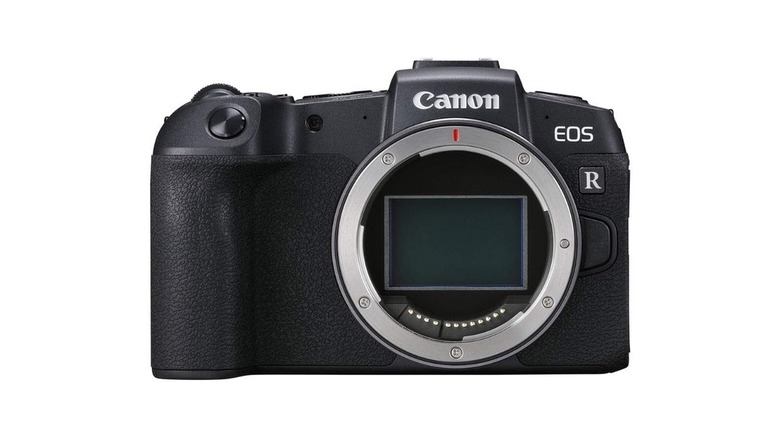
The shift toward mirrorless technology is complete, and 2025 is a fantastic year to find entry level mirrorless cameras that don't compromise on essential features. If you are looking for the cheapest full frame mirrorless camera for vlogging or high-quality stills, the Canon EOS RP remains the champion. Often priced at approximately $799 for the body, it features a 26.2MP CMOS sensor and 4K video recording. It is light, compact, and provides that sought-after full-frame look—shallow depth of field and excellent low light performance—without the $2,000 price tag.
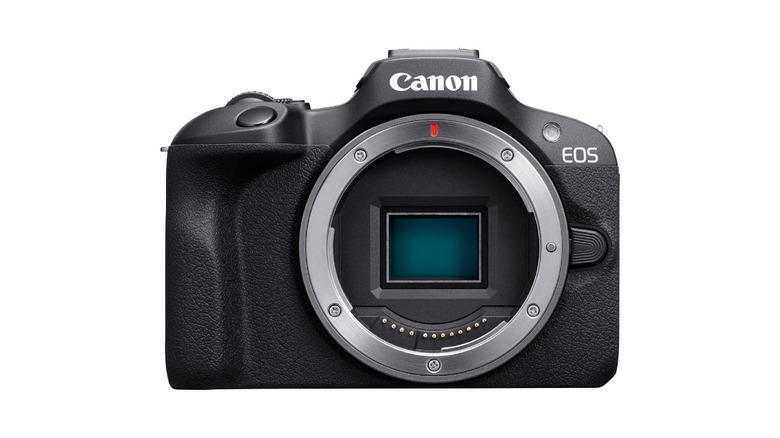
For those on a stricter budget, the Canon EOS R100 is currently the most affordable entry point into a modern interchangeable lens system. It houses a 24.1MP APS-C sensor in a body that feels almost like a point-and-shoot. While it lacks a vari-angle screen, its ability to produce sharp, professional-grade images makes it a steal for under $400.
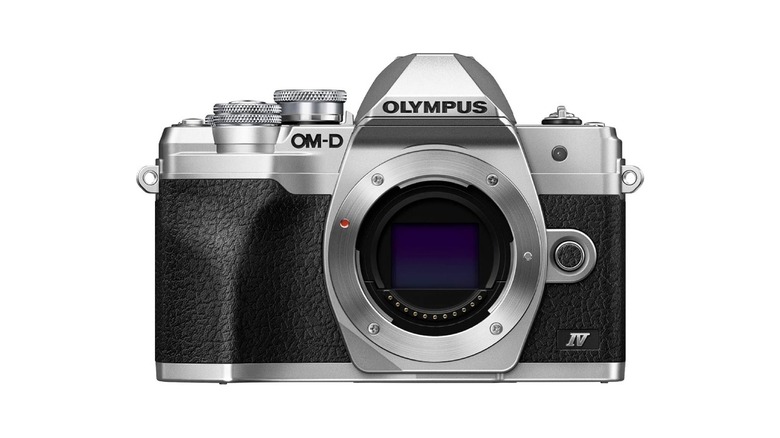
If your interests lean toward affordable mirrorless cameras for travel photography, the Olympus E-M10 Mark IV is my personal favorite. Using the Micro Four-Thirds system, it offers incredible 5-axis in-body image stabilization. This means you can take sharp photos at night without a tripod, a feature usually reserved for much more expensive gear. It’s a stylish, retro-looking powerhouse that fits in a jacket pocket.
Comparison: 2025 Budget Leaders
| Model | Category | Estimated 2025 Price (New/Used) | Key Benefit |
|---|---|---|---|
| Canon EOS RP | Full-Frame Mirrorless | $799 (New) | Best sensor for the price |
| Canon EOS R100 | APS-C Mirrorless | $399 (New) | Purest budget mirrorless |
| Olympus E-M10 IV | Micro Four Thirds | $599 (New) | Best stabilization for travel |
| Sony a6100 | APS-C Mirrorless | $550 (Used) | Leading autofocus speed |
| Panasonic G100D | Micro Four Thirds | $499 (New) | Compact for content creators |
Budget DSLR for Beginners: The Used Market King
While manufacturers have largely stopped developing new DSLRs, these cameras remain the best budget dslr for beginners 2025 in terms of raw value. The used market is currently flooded with high-quality DSLRs as pros migrate to mirrorless. This is great news for students and hobbyists.
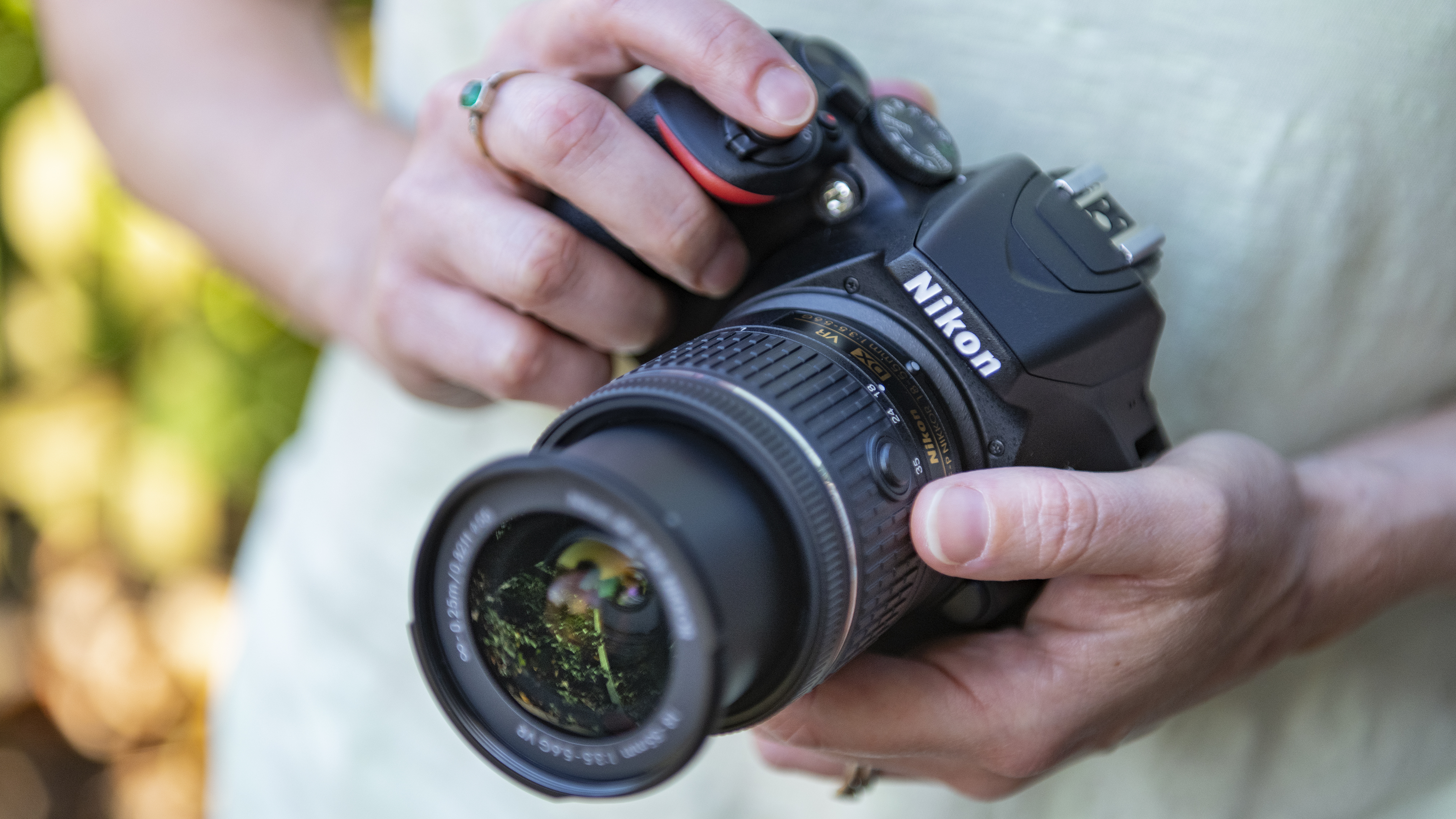
The Nikon D3500 is arguably the best budget dslr for beginners 2025. You can often find it used for around $350, including a kit lens. Its battery life is legendary—lasting for over 1,500 shots—and the image quality from its 24.2MP sensor still holds up against cameras twice its price. Because it uses the Nikon F-mount, you have access to decades of affordable used lenses.
If you prefer to buy new, the Canon EOS Rebel T100 (also known as the 4000D) is the most affordable DSLR for beginners still in production. It is a no-frills camera, limited to 1080p video and a fixed rear display, but it provides a significant upgrade over smartphone photography for anyone wanting to learn manual exposure controls.
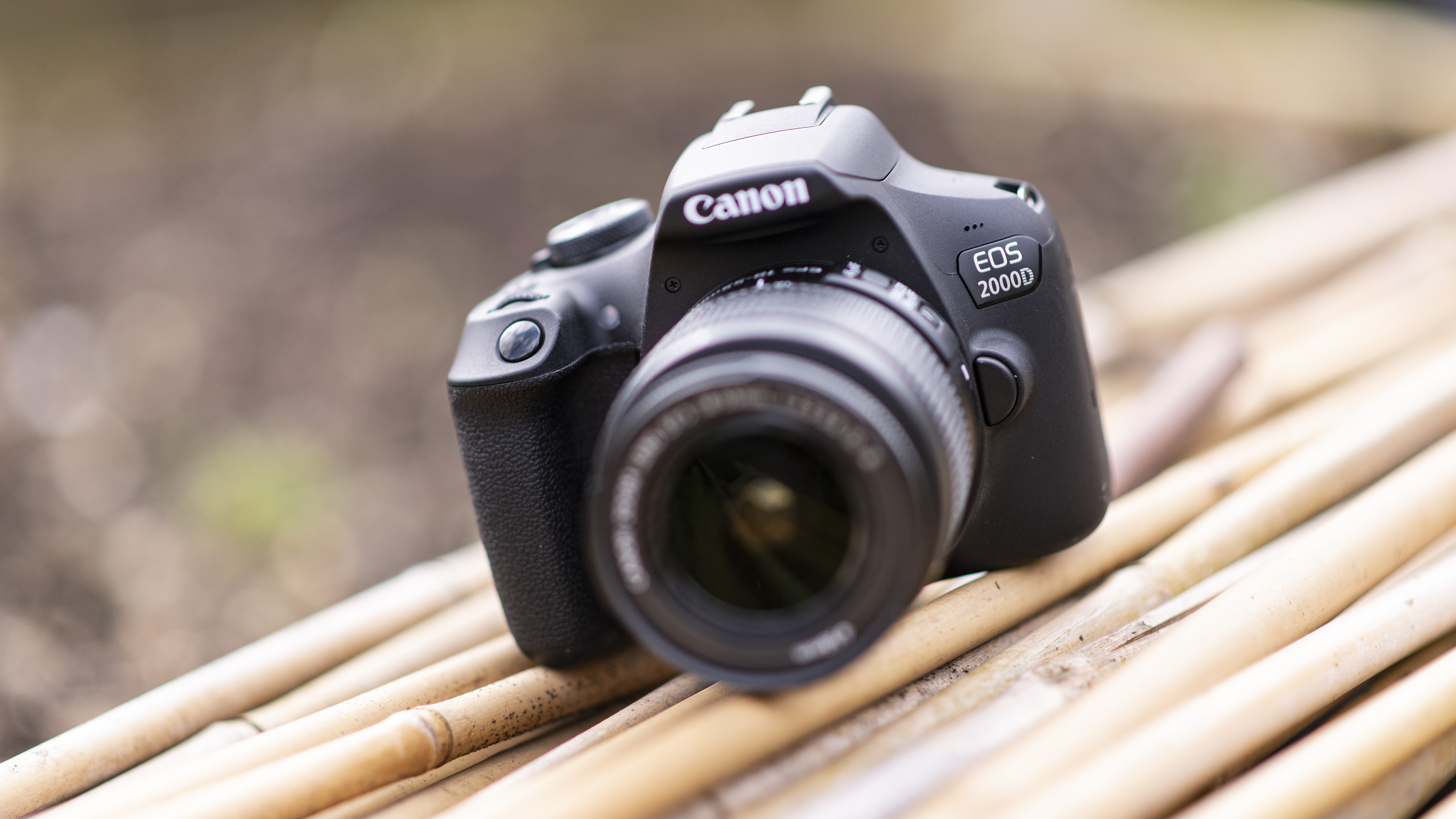
When choosing between an APS-C vs. Full-frame DSLR, remember the crop factor. An APS-C camera like the Canon SL3 (250D) is smaller and cheaper, but a full-frame used body like the Nikon D750 offers better low light performance and dynamic range. For most beginners, the lighter APS-C bodies are more than enough to learn the ropes of the interchangeable lens system.
Compact & Point-and-Shoot: Travel and Kids
Interestingly, the CIPA 2025 data shows a 30% rise in compact camera shipments. This resurgence is driven by content creators who want a dedicated tool that isn't their phone. For those searching for affordable compact point and shoot cameras 2025, the market has shifted toward specialized niches.
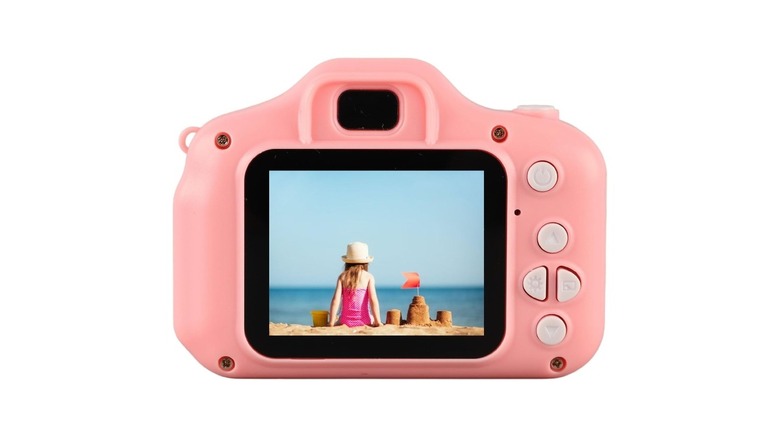
If you are looking for the best cheap digital cameras for kids and teens, focus on durability. Rugged cameras like the Fujifilm XP series or used Olympus TG models are perfect for younger shooters. They are waterproof, shockproof, and capable of producing better colors than a budget tablet.
For teens interested in TikTok or YouTube, entry level mirrorless cameras with 4k video like the Sony ZV-1F offer a wide-angle lens and simplified controls specifically for vlogging. While compact, these cameras prioritize low light performance and microphone inputs, making them far more versatile for creators than a standard point-and-shoot.
Value Strategy: The Used Gear Sweet Spot
If you want the most "bang for your buck," I recommend looking at the "Gold Era" of digital cameras, roughly between 2015 and 2019. During this time, sensor technology hit a plateau where the jump in image quality from then to now is actually quite small, even though the prices have plummeted.
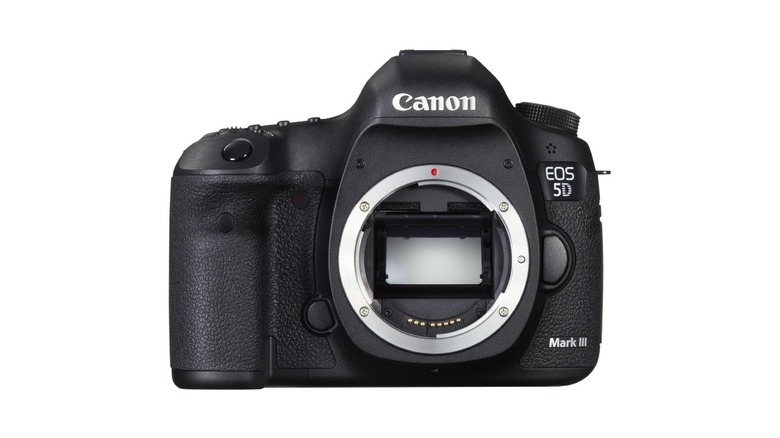
The Sony a7 II is a prime example. It was the first full-frame mirrorless to feature IBIS. Today, you can find it for a fraction of its original price, and when paired with mirrorless mount adapters, you can use vintage lenses from the 1970s to get a unique, cinematic look for very little money.
Used Market Buyer’s Checklist
- Shutter count: Check if it's under 50k for entry-level models.
- Sensor check: Take a photo of a white wall at f/22 to look for dust spots or scratches.
- Lens mount: Ensure the metal or plastic mount is not warped.
- Battery compartment: Check for signs of corrosion or leaks.
- Warranty: Buy from reputable sellers like MPB, KEH, or B&H for a 6-month peace of mind.
Using mirrorless mount adapters is one of the best secrets in affordable photography gear. You can buy a cheap Sony or Canon mirrorless body and adapt old Canon EF or Nikon F lenses, which are significantly cheaper on the secondhand market than native mirrorless glass.
FAQ
What is the cheapest good digital camera currently on the market?
Currently, the Canon EOS R100 is the cheapest good digital camera that offers an interchangeable lens system and modern sensor technology. For those who want the best possible image quality for the lowest price, a used Nikon D3500 is often cited as the top value pick by photography educators.
Are budget digital cameras better than smartphone cameras?
Yes, primarily because of sensor size and optical zoom. Even a budget digital camera has a sensor many times larger than a smartphone, which leads to better low light performance and more natural background blur. Additionally, having physical controls and a dedicated lens allows for a more intentional creative process that smartphones cannot replicate.
Is it better to buy a cheap new camera or a used professional one?
This depends on your needs. A new camera comes with a warranty and modern features like eye-tracking autofocus and 4K video. However, a used professional body from five years ago will often have better build quality, more weather sealing, and more advanced ergonomic controls. For still photography, used professional gear often wins; for video, new budget gear is usually better.
What features should I look for in an inexpensive digital camera?
Look for a camera with an interchangeable lens system, a sensor size of at least APS-C (or Micro Four Thirds), and manual exposure controls (M mode). If you plan on vlogging, prioritize a microphone input and a flip-out screen. In 2025, having some form of wireless connectivity for quick transfers to your phone is also a standard "must-have" feature.
Are cheap point-and-shoot cameras still worth buying?
Only if they offer something your phone doesn't, such as significant optical zoom or extreme durability (waterproofing). The very cheapest point-and-shoots under $100 are often worse than modern smartphones. However, enthusiast compacts with 1-inch sensors are still very much worth buying for their portability and superior optics.
Conclusion: Choosing Your Best Value Camera
Selecting from the cheapest digital cameras in 2025 doesn't mean you have to sacrifice your creative vision. Whether you choose the Canon EOS RP for its full-frame prowess, the Olympus E-M10 Mark IV for its travel-friendly stabilization, or a trusted used Nikon D3500, the key is to start shooting.
The price-to-performance ratio in the current market is better than it has ever been. By focusing on the essentials—sensor quality, lens availability, and ergonomics—you can build a professional-level kit on a hobbyist budget. Remember, the best camera is the one that you actually take out of the bag and use to capture the world around you. Happy shooting!