Quick Facts
- Weight Limit: The 249g threshold is the most critical specification for hobbyists to avoid mandatory registration in many regions.
- Minimum Spend: Avoid any drone priced under $200; these units often lack GPS and stable flight controllers, leading to frequent crashes.
- Flight Time: Target a drone with 30 to 45 minutes of advertised endurance to ensure at least 20 to 25 minutes of actual creative work.
- Storage: Prioritize models with internal SSD storage or high-speed V30 micro-SD slots to handle high-bitrate 4K video.
- Camera Sensor: Look for a 1-inch sensor rather than focusing solely on high megapixel counts to achieve better dynamic range.
- Safety: Ensure the aircraft includes at least tri-directional obstacle avoidance sensors and a reliable GPS-assisted Return-to-Home (RTH) system.
When selecting a drone, prioritize battery life and camera specifications. High-end models in 2026 can offer flight times up to 55 minutes, while hobbyist drones typically range from 20 to 30 minutes. Use this drone buying guide to find a camera with a large sensor size and gimbal stabilization for cinematic footage. Advanced safety features like obstacle avoidance sensors and GPS-assisted Return-to-Home (RTH) are essential for preventing crashes and ensuring the aircraft can navigate back to the pilot automatically.
1. The 249g Threshold: Legal Compliance as a Feature
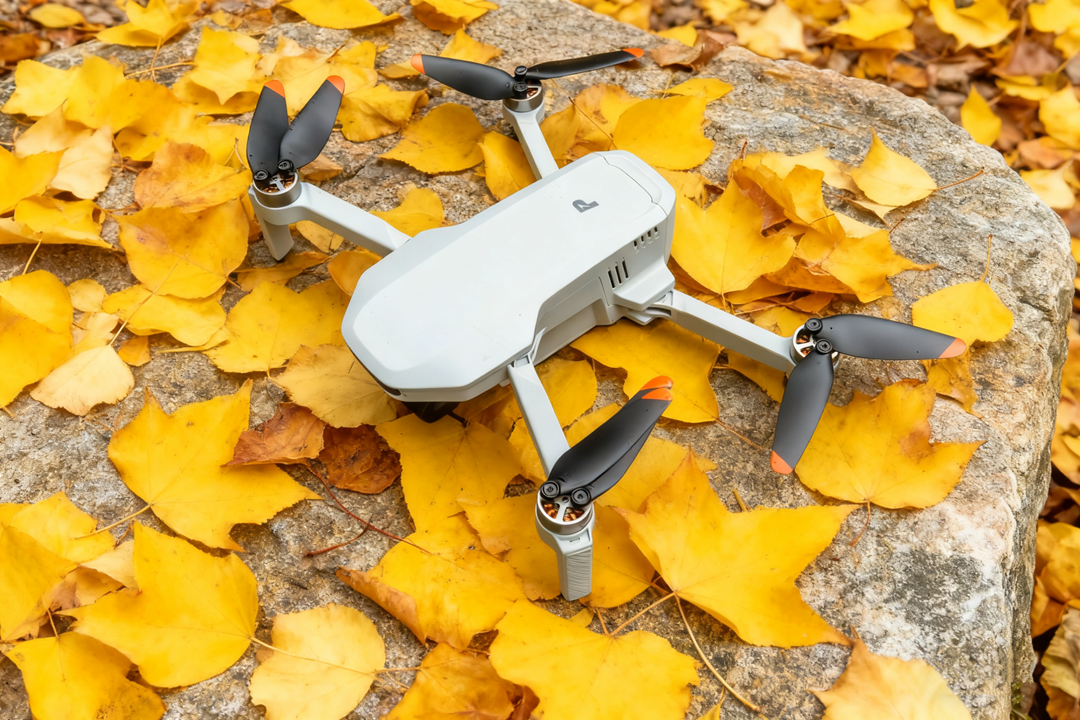
For most people entering the hobby, the most important specification isn't the camera or the speed—it is the weight. In the current regulatory landscape, drones weighing less than 250 grams are the gold standard because they often bypass mandatory registration requirements with civil aviation authorities like the FAA. This weight class has become so popular that drones weighing less than 250 grams accounted for 52.19% of the consumer market share in 2024.
When you are understanding drone registration and local flight laws, you will find that any aircraft over 0.55 pounds (250g) must be registered and must comply with Remote ID compliance protocols. Remote ID acts like a digital license plate, broadcasting the drone's position and identity to local authorities. Choosing a lightweight model simplifies your pre-flight checklist and makes the drone more portable for travel. However, remember that even if your drone is lightweight, you must still respect no-fly zones and local airspace restrictions. This is one of the most vital drone features for beginners to understand before their first takeoff.
2. Image Quality: Sensor Size vs. Resolution
As a photography editor, I often see buyers get distracted by "8K" labels on a box. In reality, a drone camera sensor size vs resolution guide would tell you that the physical size of the sensor is much more important than the number of pixels. A larger sensor, such as a 1-inch or Micro Four Thirds sensor, captures more light, provides better dynamic range, and performs significantly better in low-light conditions than a small sensor with high resolution.
In 2023, over 85% of drone consumers in developed markets expressed a preference for models capable of capturing 4K video and 12-megapixel stills, but the pros know that a 20-megapixel 1-inch sensor will always outperform a 48-megapixel 1/2.3-inch sensor. Beyond the glass, check the essential drone specifications for a 3-axis mechanical gimbal. Electronic stabilization is fine for action cameras, but for professional aerial imaging, gimbal stabilization is the only way to ensure your footage remains level and shake-free during high-speed maneuvers.
3. Flight Safety: Obstacle Avoidance and RTH
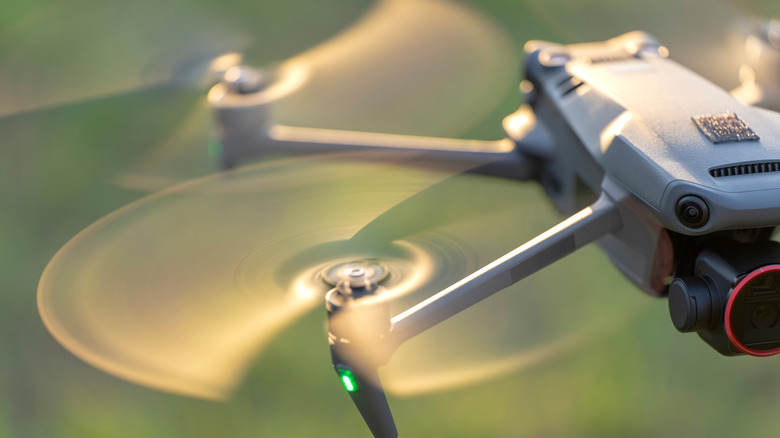
If you are choosing your first drone, your biggest fear is likely crashing into a tree or losing the signal over a lake. This is why you must prioritize essential drone safety features for new owners. The most important "co-pilot" on your drone is the obstacle avoidance sensors. Advanced models now feature omnidirectional sensing, using binocular vision sensors or LiDAR to detect obstacles in every direction.
Another non-negotiable feature is GPS-assisted Return-to-Home (RTH). This system records the takeoff point and uses satellite telemetry to fly the drone back to you automatically if the battery gets too low or the controller signal is interrupted. These automated safety nets are what make modern, expensive drones actually easier to fly than cheap, "toy" drones. When a drone can "see" a wall and stop itself, the stress of flying virtually disappears, allowing you to focus on the creative composition of your shots.

4. Power Management: LiPo vs. LiFePO4 Technology
The endurance of your aircraft determines how much time you actually have to capture the perfect sunset. While the average flight time for consumer drones typically ranges between 25 and 45 minutes, newer models are demonstrating an endurance increase of approximately 30% compared to previous generations. This is largely due to more efficient motors and advancements in battery chemistry.
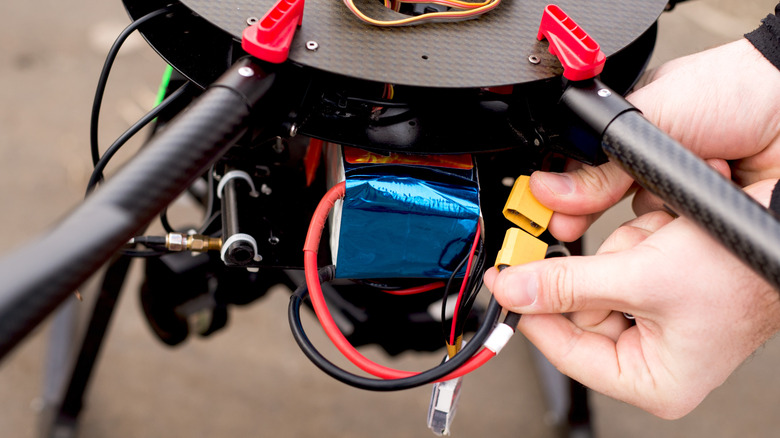
When reviewing drone battery life and lifepo4 vs lipo comparisons, you will find that most consumer drones still use Lithium-Polymer (LiPo) batteries for their high power-to-weight ratio. However, some newer enterprise and long-endurance models are experimenting with LiFePO4 or solid-state cells that offer better longevity and safety. Regardless of the chemistry, look for "Intelligent Flight Batteries" that provide real-time telemetry back to your controller. This allows you to monitor voltage and cell health in mid-air, preventing an unexpected power drop.
5. Control Systems: The Rise of the Smart Controller
The era of clipping your expensive smartphone into a plastic remote is slowly ending. For the best drone features for beginner pilots, I highly recommend looking for a bundle that includes a Smart Controller. These remotes have built-in, high-brightness screens that are easily visible in direct sunlight, unlike most smartphone screens which dim when they get hot.
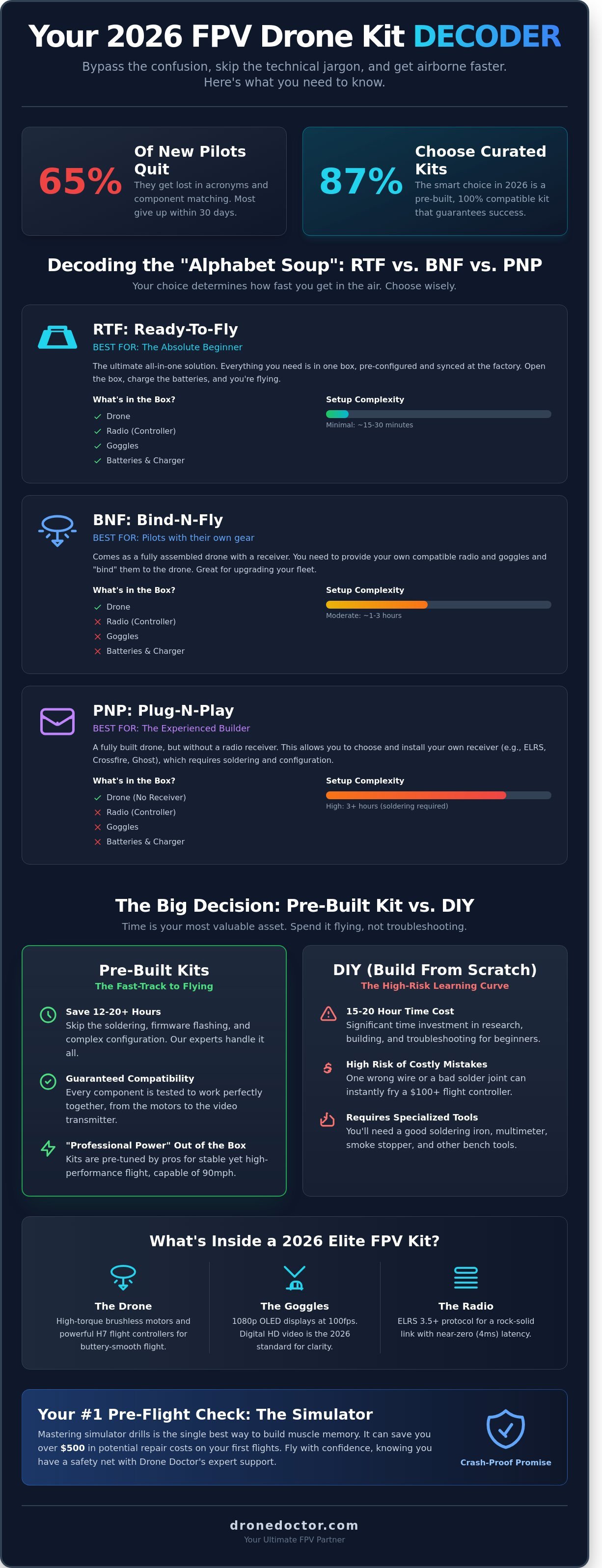
A dedicated controller also ensures that your flight isn't interrupted by a random phone call or an app notification. If you are looking for a more immersive experience, some systems are compatible with first-person view (FPV) goggles, allowing you to see exactly what the drone sees in a head-mounted display. When choosing your first drone, check the transmission protocol—systems like OcuSync or ELRS 3.5 provide several miles of range and a stable HD video feed, which is vital for maintaining situational awareness.
6. Environmental Durability: Wind and IP Ratings
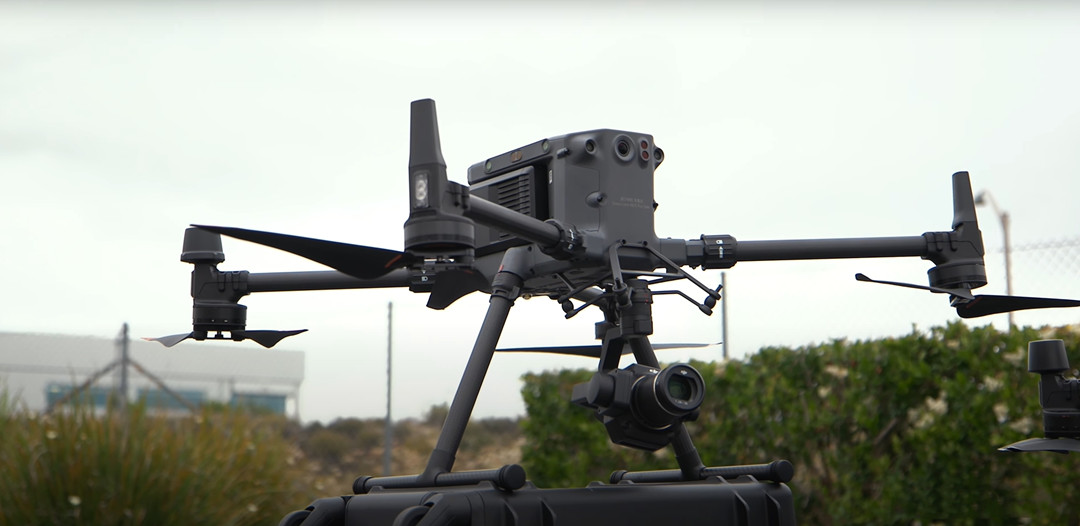
Aerial photography often requires flying in less-than-ideal conditions. To ensure your investment survives, you need to understand drone weather resistance and wind stability tips. Most consumer drones are rated for Level 5 wind resistance, meaning they can stay stable in winds up to about 24 mph. Heavier drones generally handle gusts better than ultra-light models.
Furthermore, if you plan to fly in coastal areas or during a light drizzle, check for an IP moisture rating. Most consumer drones are not waterproof, but some specialized models offer IP54 or higher ratings, which protect the internal electronics from dust and splashing water. Be cautious of flying in temperatures below freezing; propeller icing can happen quickly, and LiPo batteries lose their capacity much faster in the cold. Always check the operational temperature range in the manufacturer's essential drone specifications.
7. The Total Cost of Ownership: Insurance and Simulators
The sticker price of the drone is only the beginning. To be a responsible pilot, you should account for the cost of the FAA TRUST exam (for hobbyists) or FAA Part 107 certification (for commercial work). Additionally, I strongly suggest investing in drone insurance, such as liability and hull coverage. Many manufacturers offer "Refresh" programs that allow you to replace a crashed drone for a small fee, which is much cheaper than buying a new unit.
For those just starting, one of the best drone features for beginner pilots isn't on the aircraft itself—it's the availability of a flight simulator. Many brands allow you to connect your controller to a PC or tablet to practice maneuvers in a virtual environment. This allows you to build muscle memory and understand how the drone reacts to wind and obstacles without the financial risk of a real-world crash.
Drone Performance Benchmarking
| Feature | Beginner (Sub-250g) | Prosumer (Standard) | Enterprise/High-End |
|---|---|---|---|
| Typical Sensor Size | 1/1.3-inch | 1-inch | 4/3-inch or Full Frame |
| Flight Time | 25–38 minutes | 35–46 minutes | 45–55 minutes |
| Obstacle Sensing | Forward/Downward | Tri-directional (All) | Omnidirectional + LiDAR |
| Wind Resistance | Level 5 (up to 24mph) | Level 6 (up to 30mph) | Level 7+ (up to 38mph) |
| Video Bitrate | 100–150 Mbps | 150–200 Mbps | 200+ Mbps / ProRes |
FAQ
What should I look for when buying a drone for the first time?
Priority should be placed on flight stability and safety features. Look for a drone with GPS-assisted flight, which allows the aircraft to hover perfectly in place even if you let go of the sticks. Ensure it has a 3-axis gimbal for clear photos and at least one set of obstacle avoidance sensors to prevent common beginner accidents.
How much should a beginner spend on their first drone?
A reliable entry-point for a beginner drone typically ranges between $150 and $400. In this price bracket, you can find models that offer GPS, 4K cameras, and decent flight times. Avoid drones under $100, as they usually lack the sensors required for a stable learning experience and are much harder to fly.
Do I need a license or permit to fly a drone?
In the United States, all recreational pilots must pass the free TRUST (The Recreational UAS Safety Test) and carry the certificate with them. If your drone weighs more than 250 grams (0.55 lbs), you must also register it with the FAA. If you plan to make money from your drone work, you will need to obtain a Part 107 remote pilot certificate.
What features are most important for drone photography?
For high-quality photography, sensor size is the most important factor. A 1-inch sensor will provide the dynamic range needed for sunrise and sunset shots. Additionally, look for a drone that can shoot in RAW format, as this allows for much greater flexibility during the editing process compared to standard JPEG files.
Are expensive drones easier to fly than budget models?
Yes, counterintuitively, expensive drones are much easier to fly than cheap ones. High-end drones are packed with sensors and computing power that handle the difficult parts of flight, such as maintaining altitude, fighting wind, and avoiding trees. Budget drones often lack these features, requiring the pilot to manually compensate for every movement.