Our Top Picks
- Best Entry-Level Workhorse: The Gerber Paraframe is the ultimate choice for users who need a functional tool but frequently lose or damage their gear.
- Best Budget EDC Knife Under $20: For light duty work and daily utility, this knife provides the best balance of price and accessibility.
- Most Accessible Backup: Its low cost makes it an ideal secondary knife to keep in a glovebox, tool kit, or emergency bag.
The Gerber Paraframe review confirms it is the best budget EDC knife under $20 for light duty work. It offers a functional, entry-level tool perfect for light utility tasks, though its 7cr17 steel requires frequent sharpening to maintain its edge.
The $17 Phenomenon: Why 22,000 People Bought This Knife
When you see a product with over 22,000 reviews on Amazon and a 4.6-star average, your first instinct might be skepticism. In the world of everyday carry (EDC), where enthusiasts regularly drop $200 on titanium folders and powdered metallurgy steels, a $17 knife seems like an anomaly. However, the Gerber Paraframe review 2026 landscape shows that this knife thrives on a very specific psychological niche: disposable utility.
Think of it as the burger vs steak analogy. You don’t go to a fast-food joint expecting a dry-aged ribeye; you go because it is cheap, consistent, and fulfills a basic need. Most people buying this knife aren't looking for a heirloom-quality tool. They are looking for affordable EDC knives for light use that they won't cry over if it falls into a sewer grate or gets confiscated at a security checkpoint.
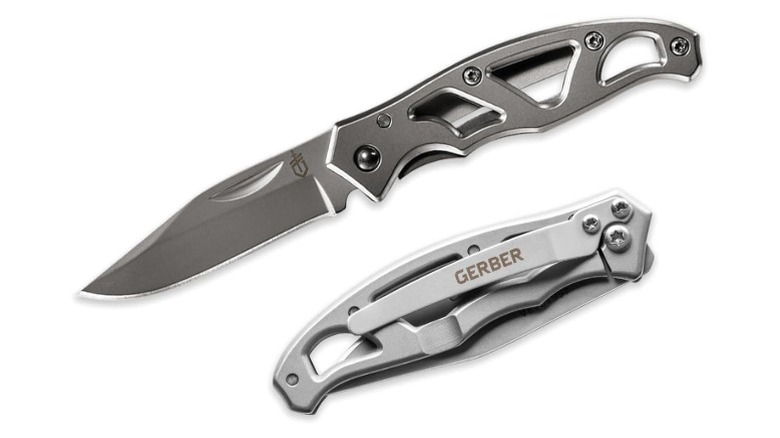
The social proof behind this tool is staggering. It is the best budget folding knife for beginners and loss-prone users because it removes the fear of loss. At 2.6 ounces for the regular model and featuring a 3.01-inch blade, it fits the legal and physical requirements for a massive demographic of casual users. It is a gateway brand product that introduces people to the concept of carrying a dedicated tool without the barrier of a high price tag.
Design & Build: The Skeletonized Frame-Lock
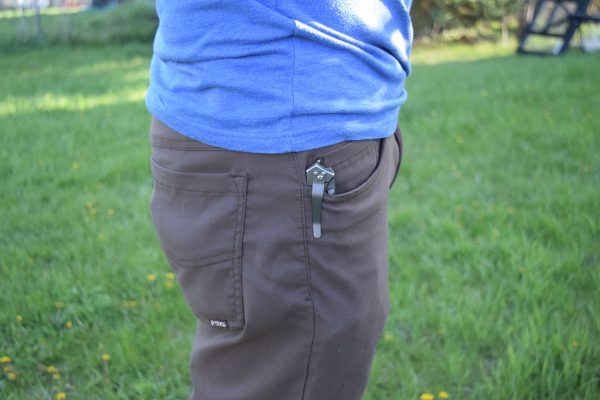
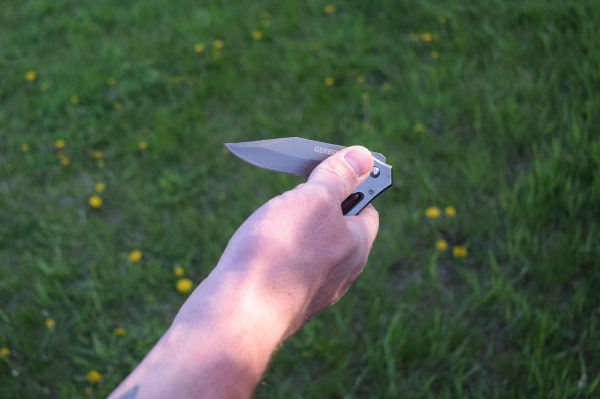
The most striking feature of the Gerber Paraframe is its open-frame design. The skeletonized stainless steel frame-lock handle is meant to minimize weight while keeping the handle strong. From a purely aesthetic standpoint, it looks modern and industrial, which appeals to a broad range of buyers from warehouse workers to college students.
While the skeletonized handle saves weight, there is a trade-off in ergonomics. Because the handle is essentially just a series of steel ribs, it can create hot spots during heavy use. If you are breaking down two or three cardboard boxes, it feels fine. If you are trying to cut through thick rope or whittle wood for an hour, you will feel those steel edges digging into your palm.
The frame-lock mechanism is simple and effective. In a frame-lock, part of the handle itself moves behind the blade to lock it open. This is generally considered more robust than a liner lock because your grip on the handle actually helps keep the lock engaged. For a sub-$20 knife, having an all-metal construction is a significant selling point over the plastic-handled competitors often found in this price bracket.
Performance Reality Check: 7cr17 Steel and Utility Tasks
We need to have an honest conversation about Gerber Paraframe blade quality. This knife uses 7cr17 high-carbon stainless steel. In the hierarchy of knife steels, 7cr17 is an entry-level material. It is very similar to 440A steel—it is highly rust-resistant and very easy to sharpen, but it will not hold an edge like premium D2 or S35VN steels.
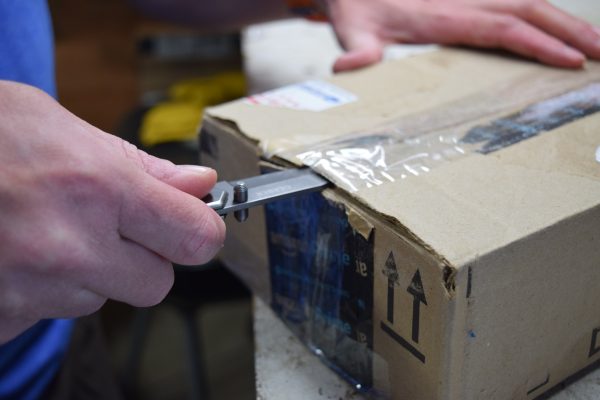
In a warehouse use environment, this means the knife is the best pocket knife for opening boxes and food packaging, but you should expect to touch up the edge frequently. If you are cutting through abrasive materials like fiberglass or thick cardboard all day, the Gerber Paraframe blade steel edge retention will likely falter by lunch.
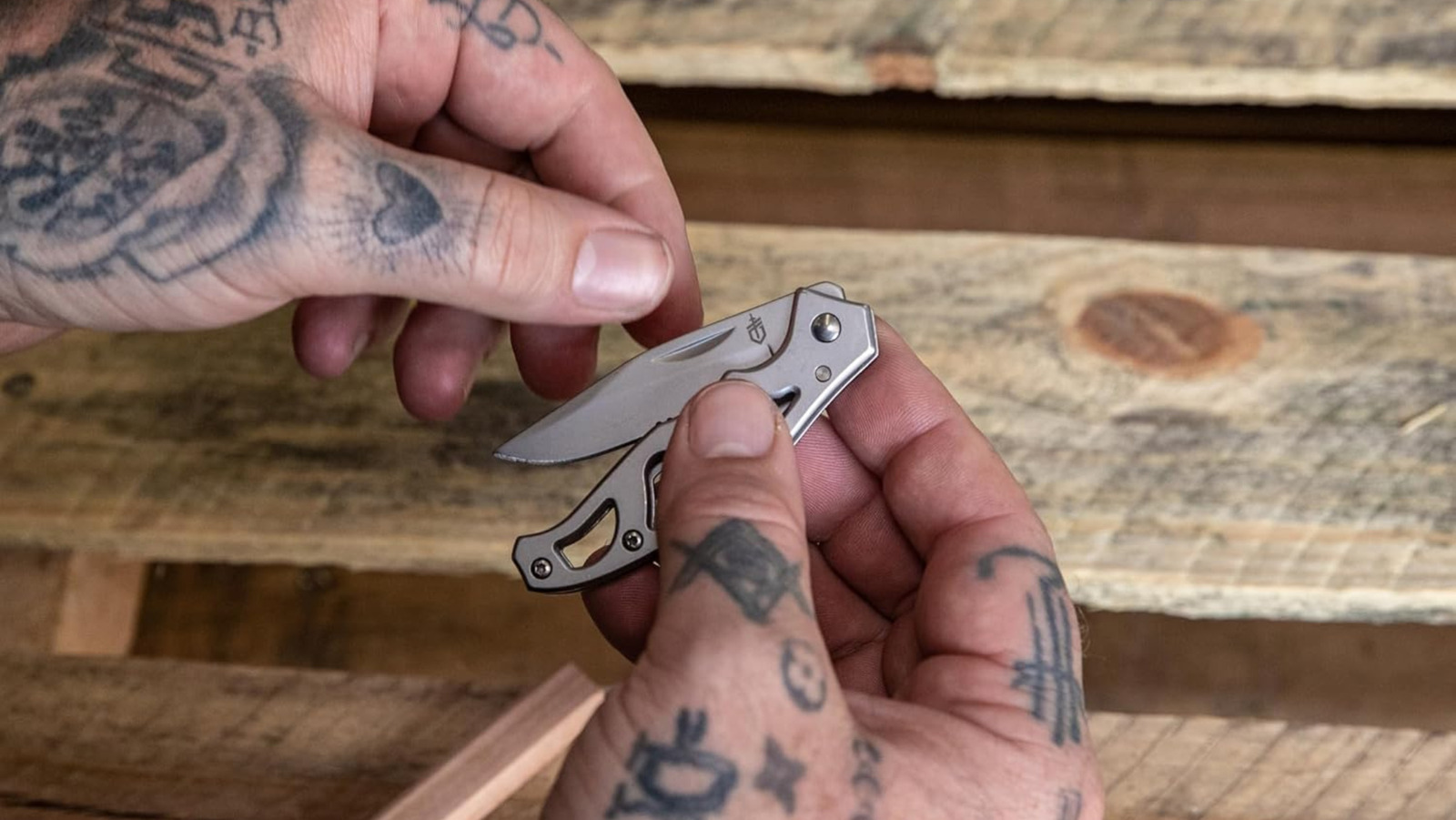
However, for the average person who just needs to cut a loose thread, open a plastic clamshell package, or slice an apple, the performance is perfectly adequate. The 7cr17 steel allows the price to stay low while ensuring that even a novice can bring the edge back to life with a simple pull-through sharpener. When considering Gerber Paraframe mini vs regular size for everyday carry, the Mini version weighs only 1.4 ounces and has a 2.22-inch blade, making it almost unnoticeable in a pocket for those who prioritize portability over raw cutting power.
Safety First: Addressing the 1-Star Locking Concerns
No Gerber Paraframe review would be complete without addressing the safety concerns cited in some of the more critical user feedback. While the vast majority of those 22,000 reviews are positive, a small percentage of users have reported Gerber Paraframe lock mechanism safety concerns, specifically involving the lock failing to engage or the blade becoming wobbly over time.
Safety Warning: Always inspect your folding knife before use. Ensure the frame-lock has moved fully behind the tang of the blade. If the blade has side-to-side play or the lock looks thin and worn, stop using the knife immediately.
Much of the perceived "stiffness" in the opening mechanism comes from the factory tolerances. Because these are mass-produced at high volumes, some units arrive with the pivot screw tightened too far, while others might be too loose. A drop of oil and a slight adjustment with a Torx wrench can usually fix these issues. However, users should always be mindful that a frame-lock requires manual verification of engagement, especially on budget-tier tools where quality control can vary.
The Competition: Is the $20 to $50 Leap Worth It?
When you look at the market for the best budget EDC knife under $20, the competition is surprisingly stiff. The Paraframe often goes head-to-head with the classic Opinel No 8 or other house brands from big-box retailers.
| Feature | Gerber Paraframe | Opinel No 8 | Kershaw Cargo |
|---|---|---|---|
| Price | ~$17 | ~$19 | ~$45 |
| Steel | 7cr17 Stainless | Carbon or Sandvik | D2 Tool Steel |
| Handle | Stainless Steel | Beechwood | GFN (Glass Filled Nylon) |
| Lock Type | Frame-Lock | Virobloc (Ring) | Mid-Lock |
| Pocket Clip | Yes | No | Yes |
In a Gerber Paraframe vs Opinel No 8 for EDC comparison, the Gerber wins on modern convenience. It has a pocket clip and one-handed opening, whereas the Opinel requires two hands and sits loose in the pocket. However, if you are willing to spend more, a Gerber Paraframe vs Gerber Paralite comparison shows that for just a few dollars more, you can get a more refined handle design and better ergonomics. Moving up to the $40-$50 range for something like a Kershaw with D2 steel provides a massive jump in tool longevity and edge retention.
Maintenance Guide: Keeping Your Paraframe Sharp and Rust-Free
Stainless steel is not "stain-proof," it is simply "stain-less." To ensure your investment lasts, follow these basic maintenance steps:
- Prevent Corrosion: How to prevent Gerber Paraframe rust and corrosion starts with keeping it dry. If you use it to cut fruit or get it wet in the rain, wipe the blade and the inside of the frame immediately.
- Cleaning the Frame: Use compressed air or a toothpick to remove lint and debris from the skeletonized handle. Gunk in the lock path can prevent the blade from securing properly.
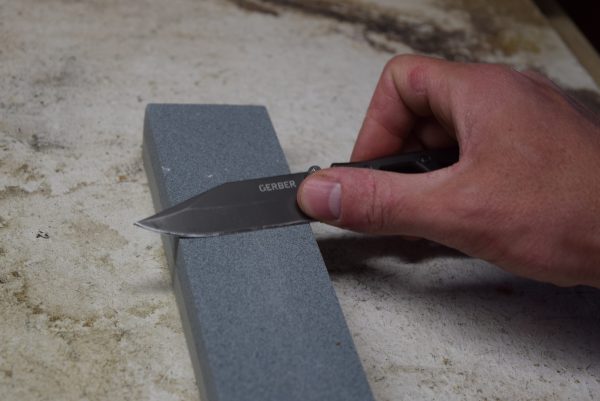
- Sharpening: Use a sharpening angle of 17 to 20 degrees. Since the steel is soft, a few passes on a ceramic rod or a fine whetstone will usually restore a shaving edge.
- Lubrication: A single drop of mineral oil on the pivot point every few months will keep the one-handed deployment smooth.
Is the Gerber Paraframe worth it for light duty work? Absolutely. It is a tool designed to be used, abused, and eventually replaced. By maintaining it, you simply extend the time between those replacements.
FAQ
Why is the Gerber Paraframe so popular?
Its popularity stems from the combination of a reputable brand name, a modern skeletonized aesthetic, and a price point that makes it accessible to almost anyone. It is frequently the first knife people buy because of its massive presence in hardware stores and online marketplaces.
Is the Gerber Paraframe a good everyday carry knife?
For casual users who only need a knife for light tasks like opening mail or cutting tape, it is an excellent choice. However, for professionals who use their knife dozens of times a day, the lack of edge retention might make it less than ideal compared to higher-end options.
Does the Gerber Paraframe rust easily?
The 7cr17 stainless steel is quite resistant to rust, but it can still develop spots if left wet or exposed to salt water. Proper cleaning and drying after use will prevent almost all corrosion issues.
How do you sharpen a Gerber Paraframe blade?
Because the steel is relatively soft, it can be sharpened using almost any standard sharpening tool. A sharpening angle of 17-20 degrees is recommended. Most users find that a simple ceramic rod or a pocket whetstone works perfectly for this blade.
Is the Gerber Paraframe easy to open with one hand?
Yes, it features dual thumb studs that allow for easy deployment with either hand. Some units may feel stiff out of the box, but they usually break in over time or can be adjusted via the pivot screw.
What type of steel is used in the Gerber Paraframe?
The blade is made from 7cr17 high-carbon stainless steel. This steel is chosen for its balance of cost-effectiveness, corrosion resistance, and ease of sharpening, even though it does not hold an edge as long as premium tool steels.
Final Verdict
The Gerber Paraframe is a testament to the fact that a tool doesn't have to be expensive to be useful. It is the quintessential entry-level gear for someone starting their EDC journey. While it won't win any awards for steel quality or ergonomic comfort during heavy use, it fulfills the most important requirement of any tool: it is there when you need it. If you are looking for a reliable, low-cost workhorse that you won't be afraid to actually use, the Paraframe remains a solid contender even in 2026.