Quick Facts
- Enrollment Status: As of 2026, two factor authentication iphone represents the gold standard, with over 95% of active users having it enabled.
- The 14-Day Rule: Once activated, you have exactly 14 days to disable the feature; after this period, it becomes a permanent part of your account security.
- Expanded Data Protection: Apple's Advanced Data Protection now covers 25 categories of data with end-to-end encryption, up from the original 15.
- Passkey Adoption: There are now approximately 5 billion active passkeys in use worldwide, significantly reducing reliance on traditional passwords.
- Emergency Redundancy: Users must choose between a Recovery Key or a Recovery Contact to ensure they never lose access to their digital life.
- AI Integration: Modern Agentic AI in Safari can now autonomously detect and prompt updates for compromised credentials within your iCloud Keychain.
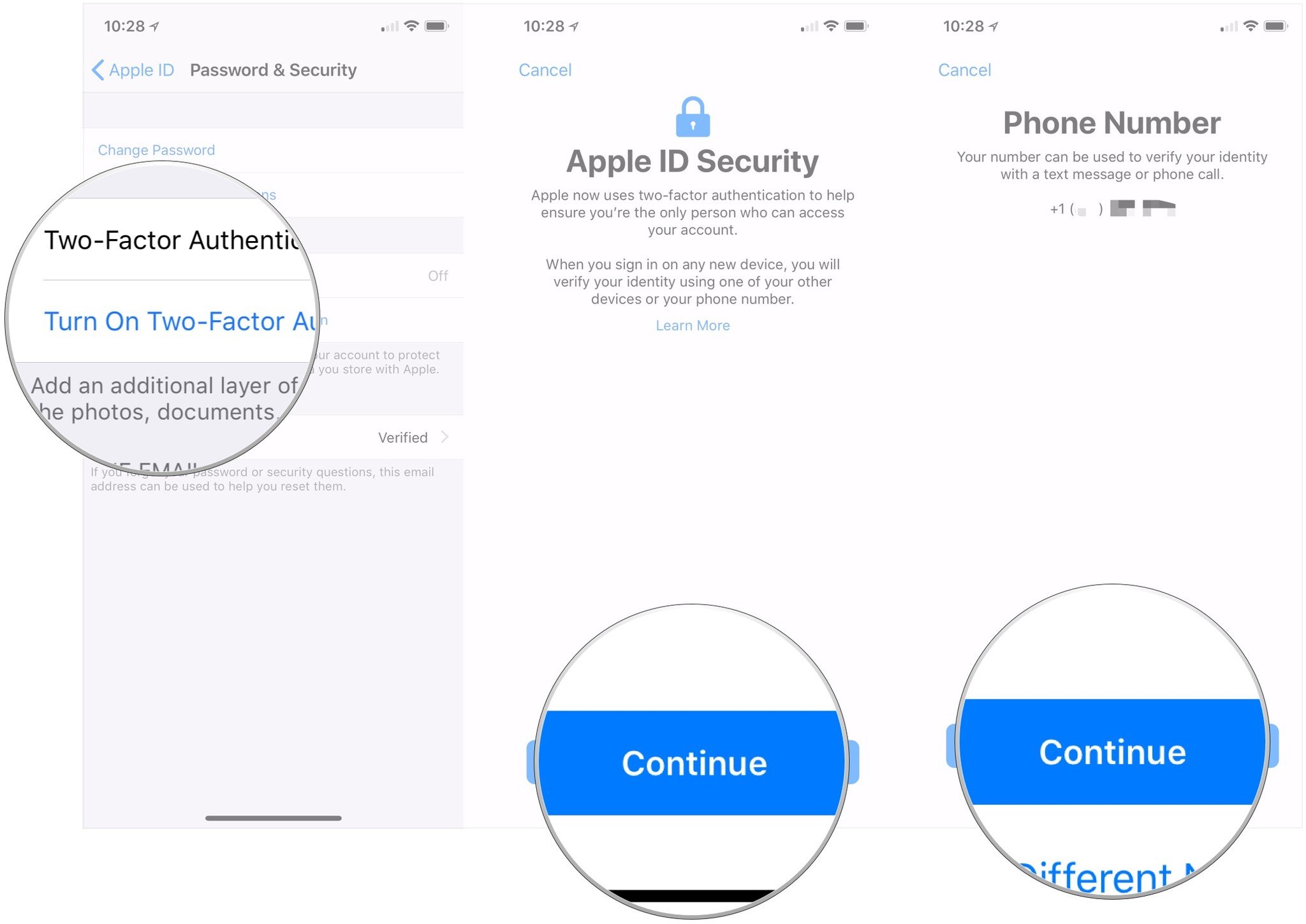
To turn on two factor authentication on iPhone, go to Settings, tap your name, then select Sign-In & Security. Tap Two-Factor Authentication and follow the prompts to add a trusted phone number. Once enabled, a verification code will be required whenever you sign into your Apple ID on a new device, adding a critical layer of protection for your personal data.
Foundation: How to Turn On Two Factor Authentication on iPhone
In the modern mobile landscape, your Apple ID is more than just a login; it is the master key to your photos, messages, financial data, and device locations. Implementing two factor authentication iphone is the single most effective step you can take to prevent unauthorized access. This system ensures that even if someone discovers your password, they cannot access your account without also having access to one of your trusted devices or your trusted phone number.
The process for how to turn on two factor authentication on iPhone is designed to be streamlined. By navigating to Settings > [Your Name] > Sign-In & Security, you initiate a protocol that ties your identity to hardware you physically own. During the setup, you will be asked to add a trusted phone number to apple id. This number serves as a secondary channel to receive a verification code via SMS or a phone call if your primary device is unavailable.
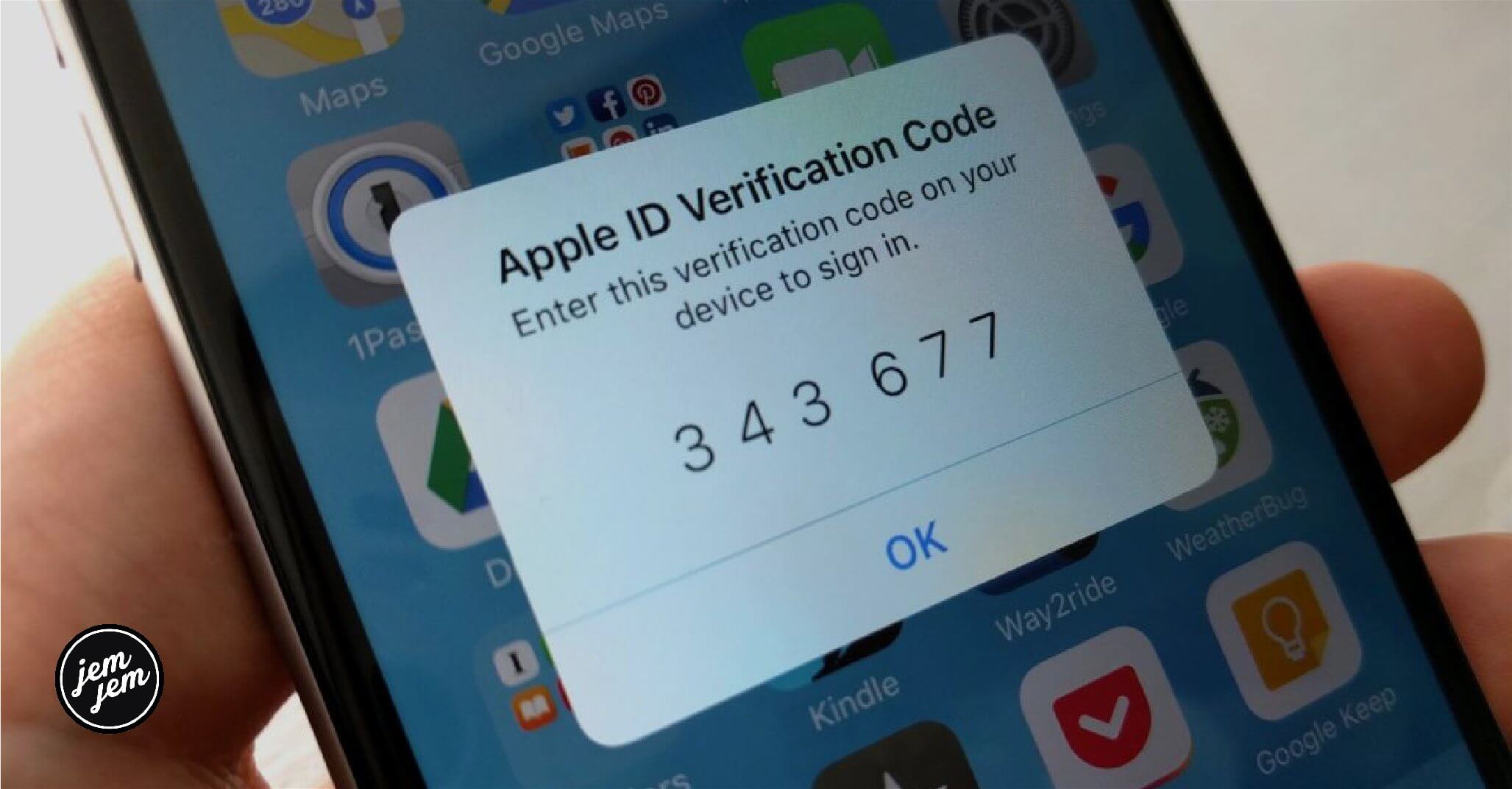
Once the system is active, your iPhone becomes a trusted device. Whenever you attempt to sign in on a new Mac, iPad, or through a web browser, a notification will appear on your iPhone screen showing a map of the sign-in attempt and a unique six-digit verification code. You must enter this code on the new device to prove you are the legitimate owner. This creates a secure trust boundary where only hardware in your physical possession can authorize new sessions.
Critical Warning: The 14-Day Permanent Window & Family Traps
There is a technical nuance often overlooked by casual users: the 14-day deactivation window. When you first turn on two factor authentication iphone, Apple sends an enrollment confirmation email. If you realize the feature does not fit your workflow, you have a strict two-week period to revert to basic password protection. After those 14 days, the feature is permanent. Apple enforces this because certain high-level security features, like end-to-end encryption for health data and HomeKit configurations, require the multi-layered security that 2FA provides.
Critical Warning: The Child Account Lockout If you manage child apple id two factor authentication through Family Sharing, the stakes are even higher. For accounts created for children under 13, Apple mandates 2FA by default. Unlike adult accounts, there is often no way to disable it even within the first 14 days. If the recovery information for a child's account is lost, regaining access can be exceptionally difficult, as these accounts lack some of the traditional "vouching" methods available to adults.
This infrastructure is vital for Sign in with Apple, which allows you to use your Apple ID to create accounts for third-party apps without sharing your real email address. This service relies on the integrity of your 2FA status to ensure that your "hidden" email relays remain secure. Without these best security settings for apple id privacy, the entire ecosystem of private app logins would be vulnerable to simple password phishing.

Advanced Privacy: Recovery Keys, Contacts, and App-Specific Passwords
For power users, standard 2FA is just the beginning. To truly harden your account, you need to address the "what if" scenarios. This involves differentiating between access recovery and account recovery. While a verification code gets you into a new device, a Recovery Key or a Recovery Contact is what saves you if you forget your password entirely or lose all your trusted devices.
A Recovery Key is a randomly generated 28-character code. If you choose this method, you are solely responsible for your account; Apple cannot reset your password for you. Conversely, setting up a Recovery Contact allows you to nominate a friend or family member who can receive a code to help you get back into your account. Use the following matrix to decide which is right for your apple id recovery contact setup guide:
| Feature | Recovery Key | Recovery Contact |
|---|---|---|
| Control | Full User Autonomy | Peer-assisted Recovery |
| Setup Path | Settings > [Name] > Sign-In & Security > Account Recovery | Same path, select Add Recovery Contact |
| Risk | Permanent lockout if key is lost | Dependent on contact's availability |
| Hardware | No specific hardware required | Contact must have an iOS device |
Furthermore, you must manage how third-party services interact with your secured account. For apps like older email clients that don't support modern Apple Sign-In, you should learn how to generate app-specific passwords apple id. You do this by signing into your account on the Apple ID website. Under the Sign-In & Security section, you can create unique passwords that grant access to only one specific service, keeping your master password isolated.

The Crisis Roadmap: If You Lost Your iPhone with Two-Factor Authentication
The most common anxiety regarding this technology is a two-factor authentication iphone lost phone scenario. If your only trusted device is gone, you might feel locked out of your digital life. However, Apple has built-in several fail-safes to ensure a lost device doesn't mean a lost account.
Your first step should be accessing the Find My service, which is the only Apple service that does not require a verification code to access from a new browser. By going to iCloud.com/find, you can sign in with just your password to locate your phone, play a sound, or perform a Remote Wipe to ensure your data doesn't fall into the wrong hands.
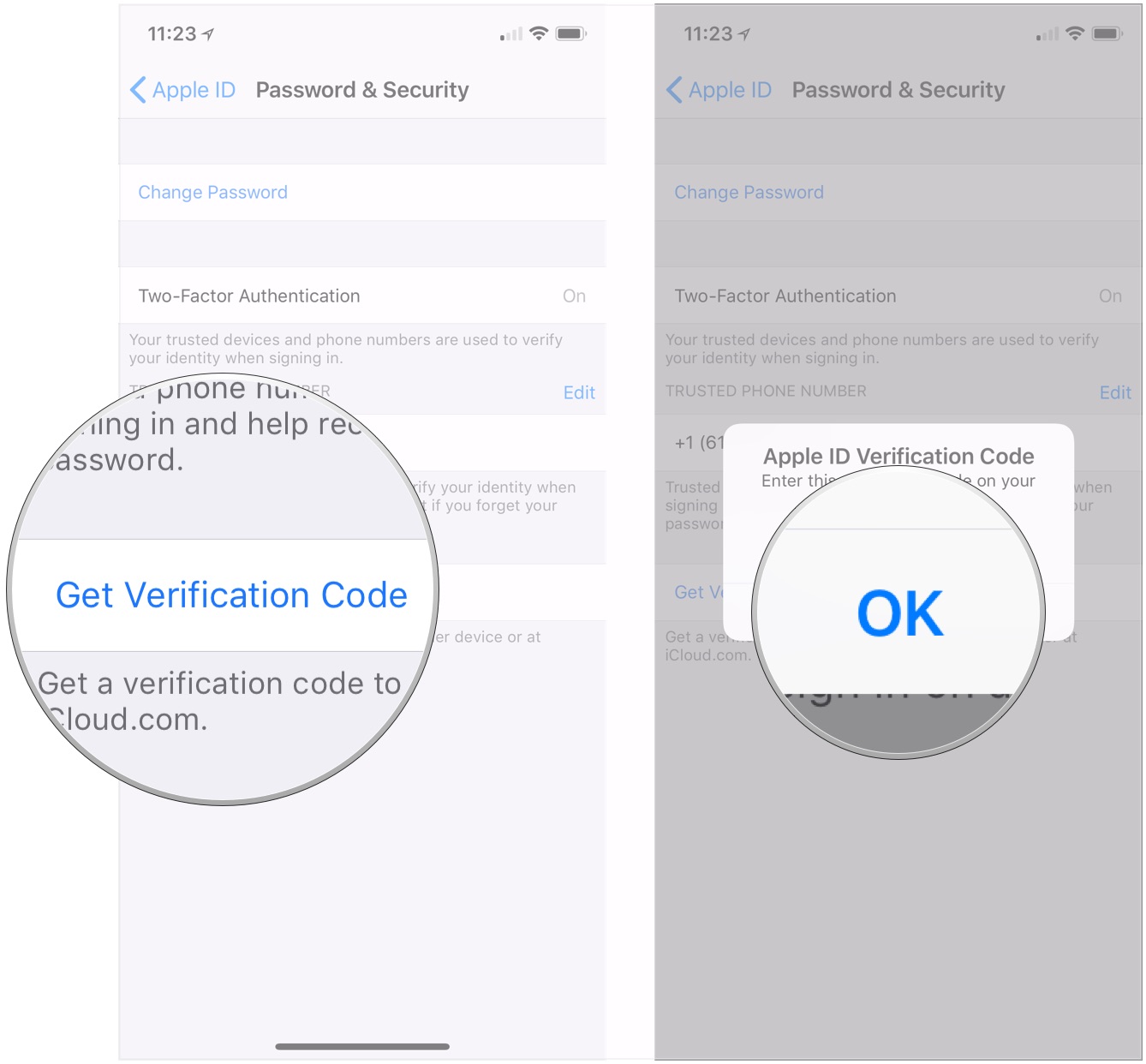
If you cannot find the device and have no other trusted devices (like an iPad or Mac), you will need to utilize your trusted phone number. When the 2FA screen asks for a code, select Didn't get a verification code? and choose to have the code sent to your phone number. If you lost your SIM card along with the phone, contact your mobile provider immediately to transfer your number to a new SIM. Once the new SIM is active in a temporary phone, you can receive the SMS verification code required to regain entry to your Apple ID.
In extreme cases where you have no access to the phone number or a recovery key, you may have to start automated Account Recovery. This is a waiting period that can take several days or weeks, during which Apple verifies your identity through various data points. This delay is a security feature designed to prevent hackers from socially engineering their way into your account.
2026 Future-Proofing: Passkeys, Advanced Data Protection, and Agentic AI
As we move through 2026, the traditional password is becoming a legacy concept. Apple has shifted heavily toward passkeys, which use Face ID or Touch ID to sign you into websites and apps securely. Approximately 75% of consumers now recognize this password-less technology, which eliminates the risk of phishing entirely because there is no password to steal.
For those seeking the absolute peak of mobile privacy, Apple's Advanced Data Protection for iCloud is the answer. By default, Apple encrypts 15 categories of data, but with this feature enabled, the number of end-to-end encrypted categories expands to 25. This includes your iCloud Backups, Notes, and Photos. When this is active, Apple does not hold the encryption keys; only your trusted devices do. If you lose access, even Apple cannot help you recover the data, which is why a Recovery Key or Contact becomes mandatory during setup.
The latest evolution in iOS 19 and beyond involves Agentic AI security. This system works within Safari and your Settings to monitor the "Trust Boundary" of your digital identity. If the AI detects that a service you use has suffered a data breach, it can automatically update your credentials or suggest migrating that account to a passkey. This proactive stance ensures that your privacy is maintained even when external services fail.

FAQ
What's the main disadvantage of two-factor authentication?
The primary disadvantage is the potential for account lockout if you lose access to both your trusted devices and your trusted phone number. It requires the user to be more responsible for their recovery information, such as maintaining a recovery key or an active recovery contact, as Apple support cannot manually override the security to grant access to your account.
What if you lose your iPhone with two-factor authentication?
If you lose your iPhone, you can still sign into your account using another trusted device like a Mac or iPad. If you have no other devices, you can use the Find My website to locate or erase your phone without a code. To sign back into your account on a new device, you can have a verification code sent to your trusted phone number via SMS after you've replaced your SIM card.
How do I bypass two-factor authentication if I lost my phone?
You cannot technically "bypass" the security, but you can navigate around it using recovery methods. If you are locked out, your options include using a Recovery Key if you generated one, or having a Recovery Contact provide a code. If those aren't available, you must initiate the official Account Recovery process through Apple, which involves a security-mandated waiting period to verify your identity.
Can I get my Apple verification code sent to my email?
No, Apple does not send 2FA verification codes via email for security reasons, as email accounts are often easier for hackers to compromise. Codes are only sent to trusted devices via a system-level notification or to a trusted phone number via SMS or voice call.
Can someone access your Apple ID if 2 factor authentication?
It is extremely difficult. Even if a hacker has your password, they would still need physical access to your trusted iPhone or your SIM card to receive the verification code. Unless they have also compromised your physical device or your mobile carrier account, the 2FA layer acts as a nearly impenetrable wall.
Can you still get hacked with two-factor authentication?
While it 2FA makes you much safer, you are not invincible. "Prompt fatigue," where a user accidentally taps "Allow" on a notification they didn't trigger, or sophisticated SIM-swapping attacks can still lead to breaches. However, by using physical security keys or passkeys instead of SMS codes, you can mitigate almost all remaining risks associated with apple two-factor authentication problems.