Quick Facts
- Primary Goal: Immediate reduction of physical and digital exposure via data broker removal.
- The 20 Billion Dollar Problem: Data breaches linked to brokers have cost consumers over $20B in a decade.
- The Re-listing Reality: Data typically reappears every 60-90 days, requiring constant monitoring.
- Top Automated Service: Incogni (covers 420+ brokers).
- Best Value for Manual: OfficialUSA (step-by-step transparency).
- Safety Alert: US residents face higher risks due to lack of GDPR-style protections.
Data broker removal is a vital security measure that prevents bad actors from weaponizing your personal information for stalking, harassment, or doxxing. Removing this information limits the resources available to hackers and predators who use sensitive data like home addresses to facilitate physical attacks. By purging these databases, you are essentially erasing the roadmap that allows strangers to find your doorstep, protecting both your digital identity and your physical household.
The Lethal Link: Why Personal Safety Starts with Data Removal
Most people view data brokers as a digital nuisance—the reason behind that annoying "Extended Warranty" call or the pile of credit card offers in the mailbox. However, the reality has shifted from annoyance to a genuine safety imperative. When your Personally Identifiable Information is sold to the highest bidder, it isn't just marketers who are buying. Predators, disgruntled individuals, and professional harassers use these same platforms to turn digital data into physical threats.
The stakes were tragically illustrated in the case of a Minnesota lawmaker whose home address was easily retrieved from a people search site, leading to a targeted shooting. This isn't an isolated incident; it is the natural conclusion of Information Weaponization. When PII Exposure includes your current home address, property value, family members' names, and satellite photos of your residence, you are no longer just a consumer; you are a target.
Transitioning your mindset is the first step toward security. We must stop seeing data brokers as "spam" providers and start seeing them as potential facilitators for Cyberstalking Prevention and Doxxing Prevention. Protecting household members from doxxing via data removal is no longer an optional privacy perk—it is a foundational layer of home security.
Safety Warning: The Minnesota Precedent In recent years, legal officials have highlighted how easily accessible public records enabled a shooter to locate a lawmaker's home. This incident forced a national conversation on how people search sites serve as a primary tool for political and personal violence. Removing your data isn't just about privacy; it's about removing the tools used for physical harm.
Removing this information limits the resources available to hackers and predators. By prioritizing how to remove personal information from data brokers for safety, you are performing a necessary Digital Footprint Cleanup that significantly lowers your risk profile. Preventing harassment through data removal starts with acknowledging that your private life should not be a public commodity.
The Data Broker Loophole: Why Your Info Keeps Reappearing
You might spend an entire weekend manually opting out of thirty different sites, only to find your profile back online two months later. This is often referred to as the "60-90 day re-listing cycle." Why data reappears on broker sites after removal is a question of how these companies source their inventory.
Data brokers are essentially Public Record Aggregators. They pull information from DMV records, voter registrations, court documents, and social media scrapes. Even if you submit a removal request, the moment a "new" record is generated—perhaps you moved, got a new phone number, or signed up for a grocery store loyalty card—their algorithms create a new entry. These are sometimes called Shadow Profiles: entries that exist in the background, waiting for enough data points to be "verified" and pushed to the public-facing site.
In the United States, we face a significant jurisdictional gap. Unlike the European Union’s GDPR or even California’s CCPA, there is no federal law that prevents brokers from re-scraping your data once it has been deleted. This is why successful opting out of people search sites requires more than a one-time effort; it requires a persistent strategy. You need to be placed on permanent Suppression Lists, which act as a "do not re-add" filter for your data.
Without continuous monitoring, your privacy has an expiration date. This constant "cat-and-mouse" game is the primary reason many individuals eventually turn to Automated Monitoring Services to handle the heavy lifting.
Automated Protection: Best Data Removal Services for 2026
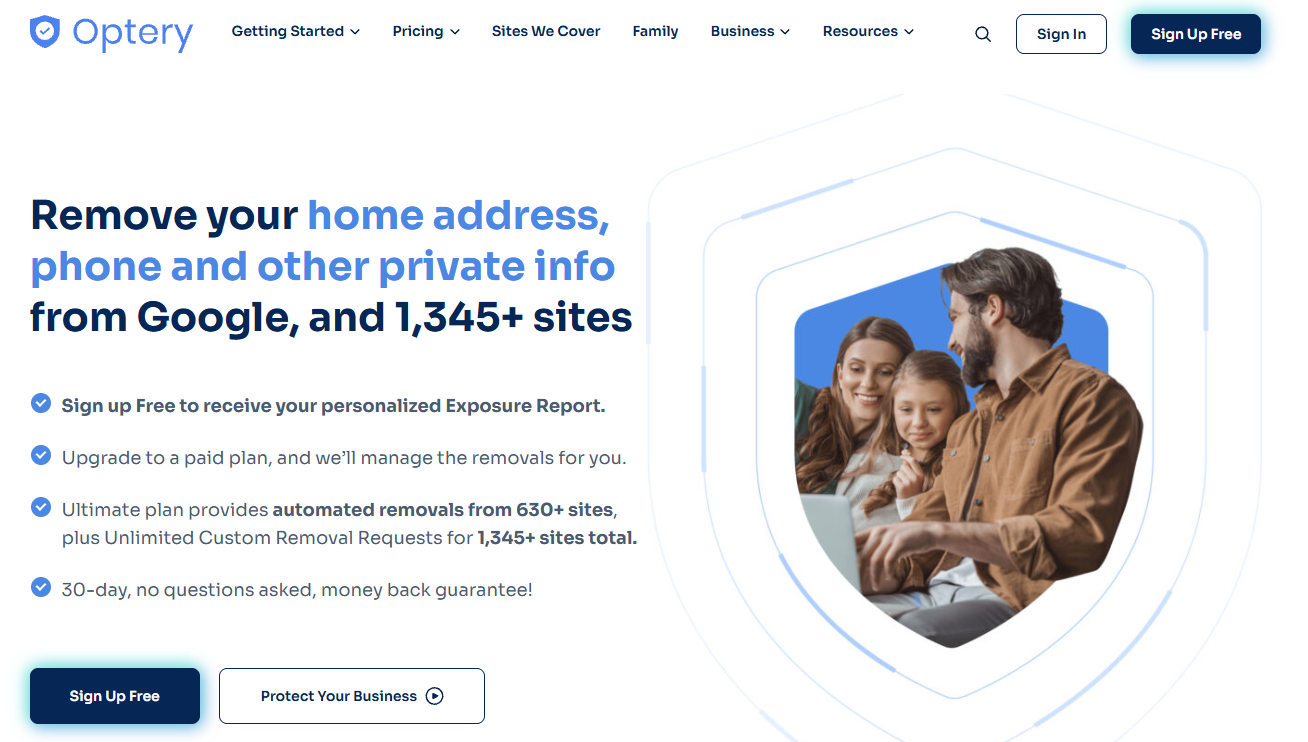
For those who don't have dozens of hours to spare each month, professional data broker removal services provide a "set it and forget it" solution. These tools use legal frameworks to send hundreds of Privacy Compliance Requests simultaneously. When comparing top data removal services for personal safety, you should look at the broker count, the frequency of scans, and whether they provide human intervention for difficult removals.
| Service | Broker Count | Best For | Key Advantage |
|---|---|---|---|
| Incogni | 420+ | Automation | Effortless, budget-friendly, and covers major global brokers. |
| DeleteMe | 850+ | Accuracy | Uses human experts to find "stubborn" records that bots miss. |
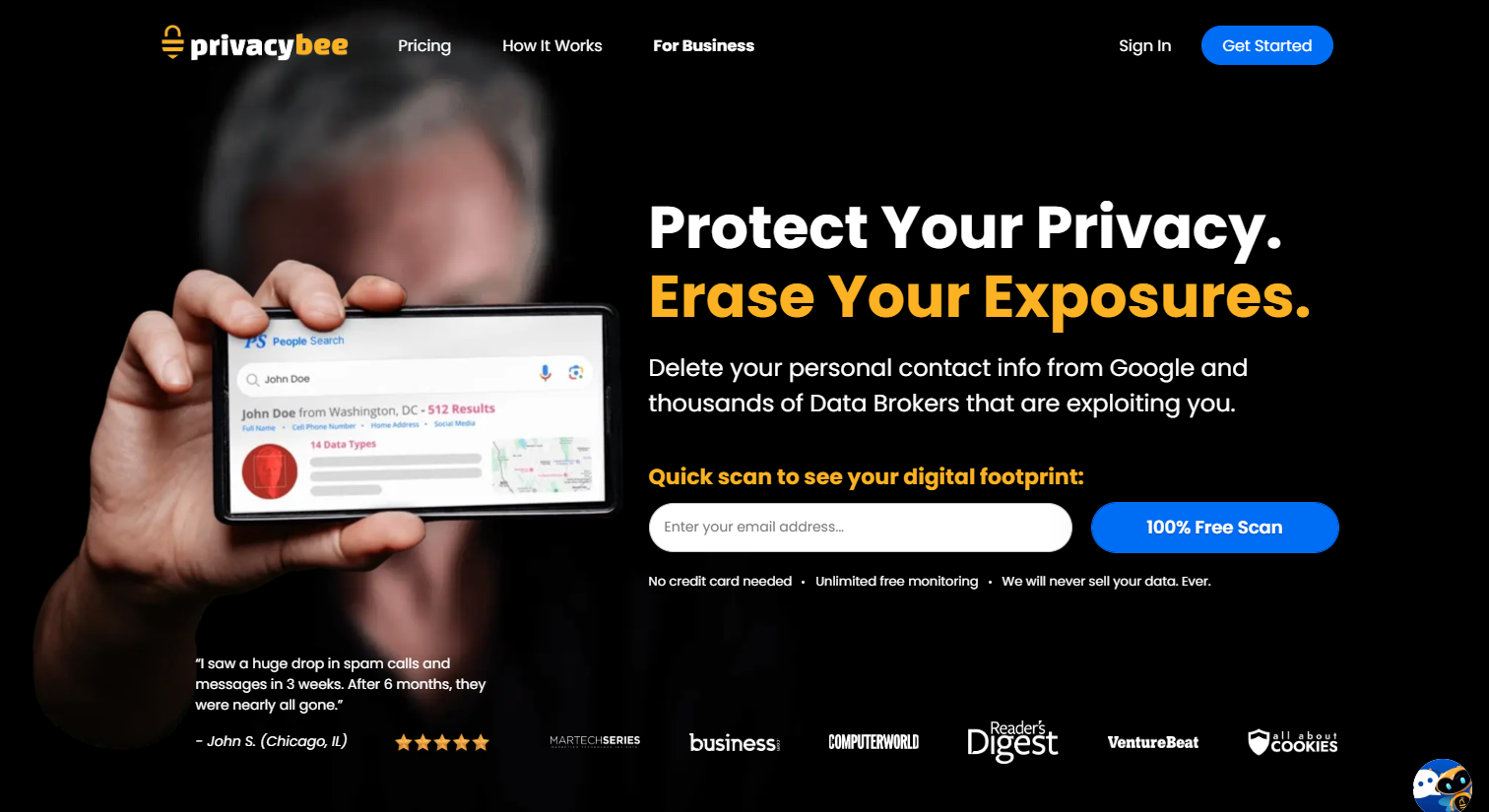
| Optery | 300+ | Visibility | Provides detailed "before and after" screenshots of your records. |
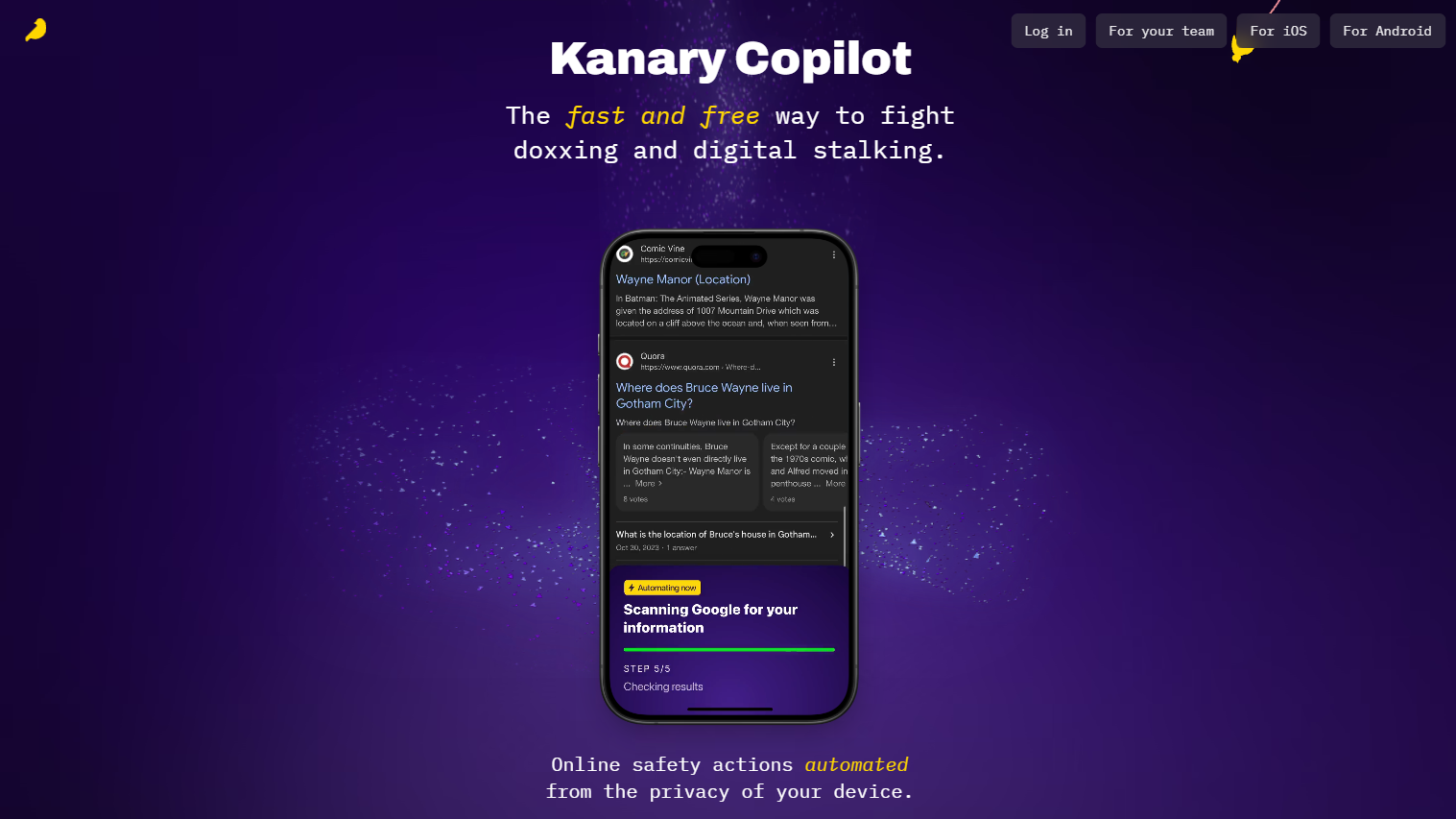
| Kanary | 400+ | Speed | High-frequency scanning and excellent mobile interface. |
Incogni stands out for its balance of price and performance. It handles the initial wave of removals and then performs recurring checks to ensure your profile doesn't resurface during the next re-listing cycle. This provides the best data removal services for hands off privacy protection for the average user.
However, it is worth noting the landscape is always shifting. Earlier in 2024, Mozilla ended its partnership with Onerep following controversies regarding the provider's ownership, highlighting why it is crucial to choose a service with a clean track record and transparent business practices.
The Manual Approach: How to Opt Out for Free
If you prefer to take matters into your own hands, you can learn how to opt out of people search sites manually for free. While effective, this method is a marathon, not a sprint. You will need a dedicated email address (use an alias like SimpleLogin or DuckDuckGo) because many brokers require email verification to process a removal, and you don't want to give them your primary address to "verify" your identity.
Start with the largest aggregators like OfficialUSA, Whitepages, and Spokeo. These sites act as the "head" of the snake; many smaller brokers scrape their data from these giants.
To begin your manual data broker removal, follow these steps:
- Search for yourself using multiple variations: Use your full name, maiden name, and even common misspellings. This helps you find the Shadow Profiles that might be linked to your current address.
- Locate the Opt-Out or "Do Not Sell My Info" link: This is usually buried in the footer of the website in very small text.
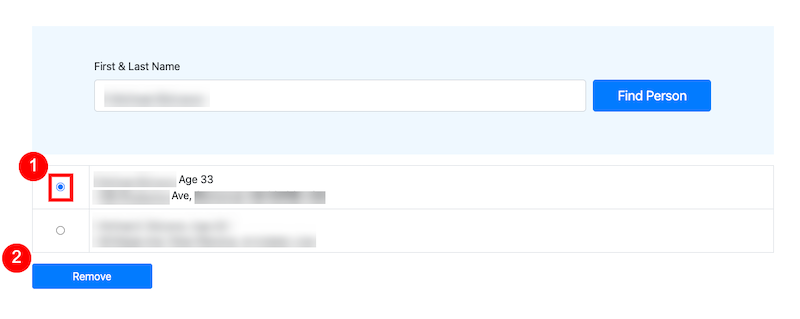
- Select the correct record: Be careful to select only your record. Brokers often mix your data with relatives; ensuring you pick the right one is vital for Identity Theft Mitigation.
- Submit the request and verify via email: You will almost always receive a confirmation link. If you don't click it, the removal request will expire.
- Document the date: Keep a spreadsheet of which sites you’ve contacted. You will need to check back in 60 days to see if the record has been recreated.
Beyond physical safety, there is a secondary benefit to this labor: securing personal information from scammers. Scammers and telemarketers rely on these aggregators to obtain active phone numbers for phishing campaigns. By reducing scam calls and texts by deleting data broker profiles, you are effectively closing the door on fraudulent actors before they even try to contact you.
A recent report from the U.S. Joint Economic Committee estimates that four major data broker breaches over the past decade have cost U.S. consumers more than $20 billion in financial losses related to identity theft and fraud. Every record you remove manually is one less opportunity for a criminal to exploit your history for financial gain.
FAQ
How can I remove my personal information from data broker sites for free?
You can remove your information for free by visiting each individual people search site and using their "Opt-Out" or "Do Not Sell My Personal Information" link, typically found in the footer. Sites like OfficialUSA and Whitepages allow you to search for your record and submit a removal request. You will usually need to verify the request through a secondary email address to complete the process.
Is it worth paying for a data broker removal service?
Yes, for most people, the investment is worth the time saved. Manual removal can take dozens of hours and must be repeated every few months as data often reappears. Paid services like Incogni or DeleteMe automate this process, scanning hundreds of sites and handling the follow-up requests required to keep your data off the market permanently.
Do data broker removal services actually work?
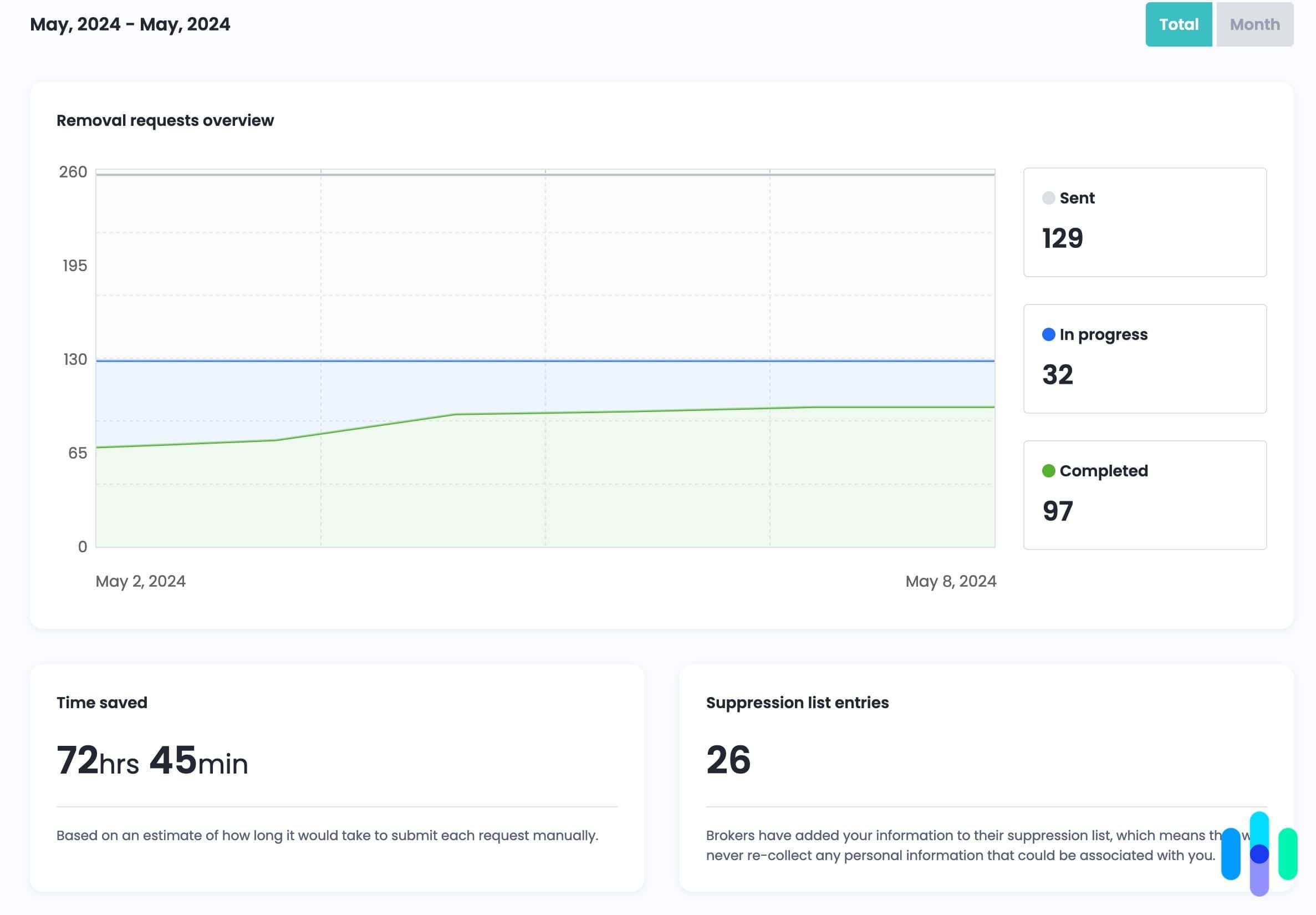
They are highly effective at removing data from the most popular and "public-facing" people search sites. While they cannot remove your information from government public records (like property deeds), they successfully delist you from the aggregators that scammers and stalkers use most. Most services provide a dashboard showing exactly which brokers have complied with the removal requests.
How do data brokers get my personal information in the first place?
Data brokers aggregate information from a variety of sources, including public government records (voter registration, marriage licenses), social media profiles, court records, and commercial sources like credit card companies or store loyalty programs. They use sophisticated algorithms to link these disparate data points into a single, comprehensive profile.
How often should I perform data broker removals?
Privacy experts recommend performing a "cleanup" every 60 to 90 days. This is the typical timeframe in which new data is scraped and shadow profiles are refreshed. If you are using an automated service, they usually perform these checks monthly or quarterly on your behalf to ensure consistent protection.
If you are concerned about your household's safety, don't wait for a breach or a harassment incident to occur. Whether you choose the manual path or an automated tool, starting your data broker removal journey today is the single most effective way to reclaim your privacy and secure your personal safety in an increasingly public world.