Quick Facts
- Market Value: The global retro gaming console market is surging, valued at $3.8 billion in 2025 and projected to reach $8.5 billion by 2033.
- Rarity King: The Nintendo PlayStation Prototype holds the record for the highest sale, fetching $360,000 at auction in 2020.
- Financial Entry: Failed systems like the Apple Pippin can cost upwards of $800 for a complete set, while extreme rarities like specific Dreamcast variants can exceed $10,000.
- Critical Failures: Hardware longevity is threatened by capacitor leakage, belt rot in disc drives, and circuit board degradation.
- Top Value Driver: Complete-in-box status and production scarcity are the primary factors that dictate aftermarket value for niche electronics.
- Maintenance Priority: Systems such as the Bally Astrocade require immediate attention to prevent overheating and internal component failure.
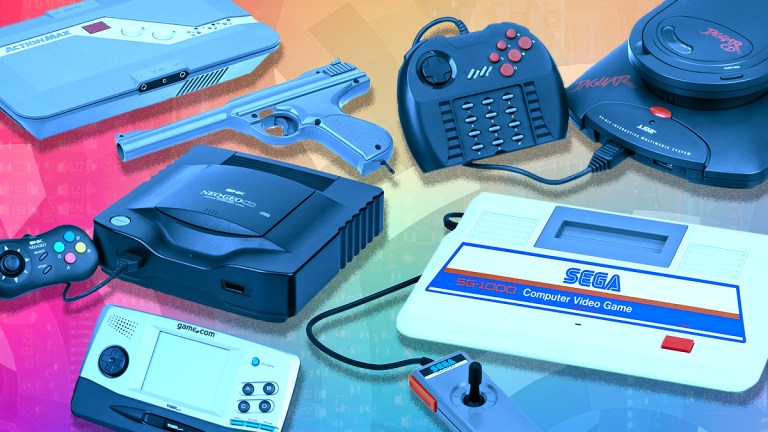
Collecting obscure game consoles involves hunting for failed video game consoles that represent experimental phases in tech history. Rarity is driven by production scarcity and regional exclusivity, making these niche electronics highly valuable for video game preservation.
The Brand Mismatch: When Non-Gaming Giants Failed
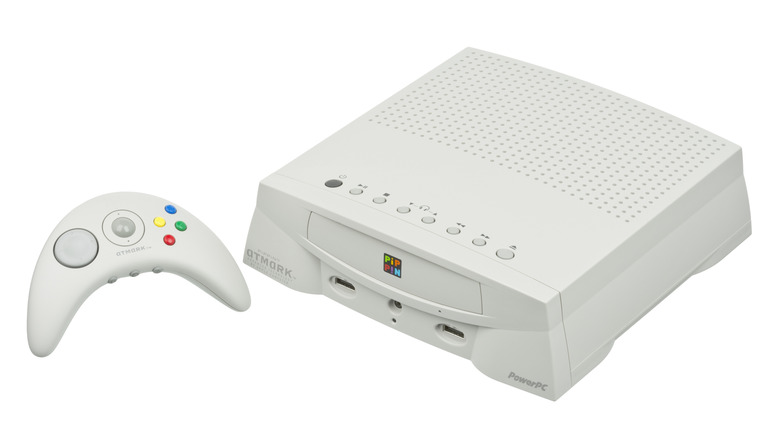
There is a specific kind of hubris that occurs when a tech titan decides they can easily conquer the living room. In the mid-1990s, the industry was a Wild West where the rules of success hadn't been fully written. This era gave birth to some of the most fascinating failures in the history of electronics. For the modern collector, a buying guide for failed 90s video game consoles often starts with the Apple Pippin.
Launched in 1996 as a collaboration between Apple and Bandai, the Pippin was less of a console and more of a stripped-down Macintosh computer. With a staggering retail price of $600, it was positioned as a high-end multimedia machine, but it lacked the software library to compete with the Sony PlayStation or the Nintendo 64. Because it was discontinued after only one year on the North American market, finding a functional unit today is a significant challenge for those interested in video game preservation.
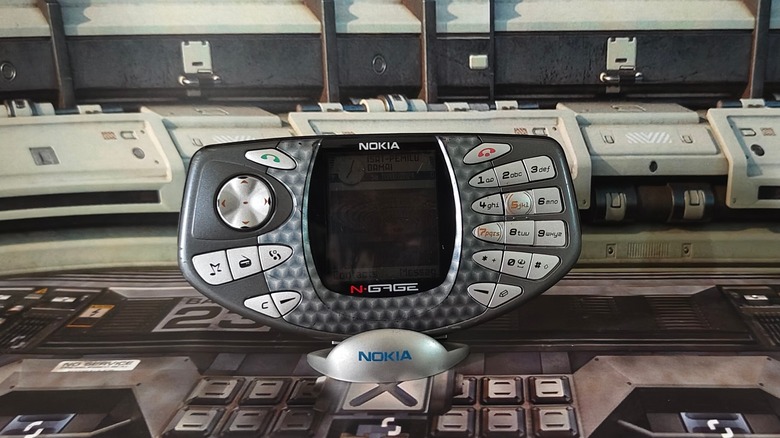
Then there is the Nokia N-Gage, arguably the most infamous mobile-gaming hybrid ever conceived. Released in 2003, it was Nokia's attempt to lure gamers away from the Game Boy Advance. However, the hardware was plagued by design flaws, most notably the requirement to hold the device sideways against your face to make a call—a phenomenon famously known as taco-talking. Furthermore, to change a game, users had to remove the battery, exposing the delicate proprietary media formats to the elements. Despite these hurdles, the N-Gage has developed a cult following due to its unique place in the evolution of mobile tech.
Collector’s Verdict: Apple Pippin
- Historical Significance: High. It represents Apple's only foray into the home console market.
- Playability: Low. The library is small and mostly consists of educational titles and FMV games.
- Expect to Pay: Upwards of $800 for a complete retail set depending on the condition and regional variant.
The failure of these systems often came down to a misunderstanding of the gaming audience. These companies brought proprietary media formats to a market that wanted standardized, high-quality entertainment. Today, these dead media formats are the very things that make the systems so desirable to collectors who view them as hardware fossils.
Ghost Systems: Rare Prototypes and Regional Exclusives
Beyond the famous failures lies a deeper layer of the silicon graveyard: the ghost systems. These are consoles that were either released in extremely limited quantities, restricted to specific regions, or never officially made it to retail. For the serious enthusiast, identifying rare japanese retro gaming consoles is an art form.
Take the Casio Loopy, for example. Released in 1995, it was marketed exclusively to girls in Japan. Its primary selling point was a built-in thermal sticker printer, allowing players to create stickers from in-game screenshots. Because it never left Japan and targeted such a narrow demographic, the Casio Loopy remains one of the most obscure game consoles of the 32-bit era. It is a prime example of how regional exclusivity and a niche target audience can create production scarcity.
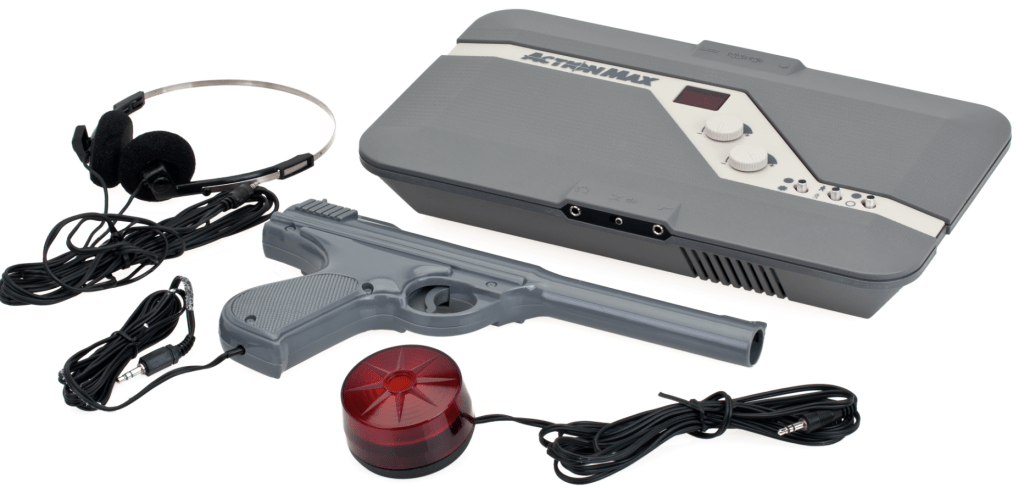
Then we have the world of unreleased hardware. Evaluating the value of unreleased console prototypes is a complex task that involves verifying EPROM labels and board revisions. The Sega Pluto, an integrated Saturn and NetLink modem, only has two known prototypes in existence. Similarly, the Resident Evil S.T.A.R.S. Dreamcast, which had a production run of only 200 units, represents the pinnacle of rare retro gaming hardware variants. These machines can command prices between $10,000 and $18,000 at high-end auctions.
The global retro gaming console market, which was valued at $3.8 billion in 2025, is increasingly driven by these ultra-rare items. Collectors are no longer just looking for the consoles they grew up with; they are looking for the ones they never knew existed. This shift has turned the hobby into a form of archaeology, where the goal is to document and maintain the hardware that time almost forgot.
The Collector’s Survival Guide: Maintenance and Authentication
If you decide to venture into the world of failed video game consoles, you must be prepared for the technical realities. Many of these machines were manufactured by companies that didn't have the long-term hardware reliability of a Nintendo or a Sony. When you are dealing with obscure game consoles, you are often dealing with inferior internal components and fragile plastics.
How to maintain fragile vintage console hardware is the most important skill a collector can learn. For instance, the Bally Astrocade is notorious for its poor thermal management. Without proper ventilation or modern modifications, these systems are prone to overheating, which can lead to permanent circuit board degradation. Similarly, the Mattel HyperScan, which used early RFID technology, often suffers from read errors that make the games unplayable.
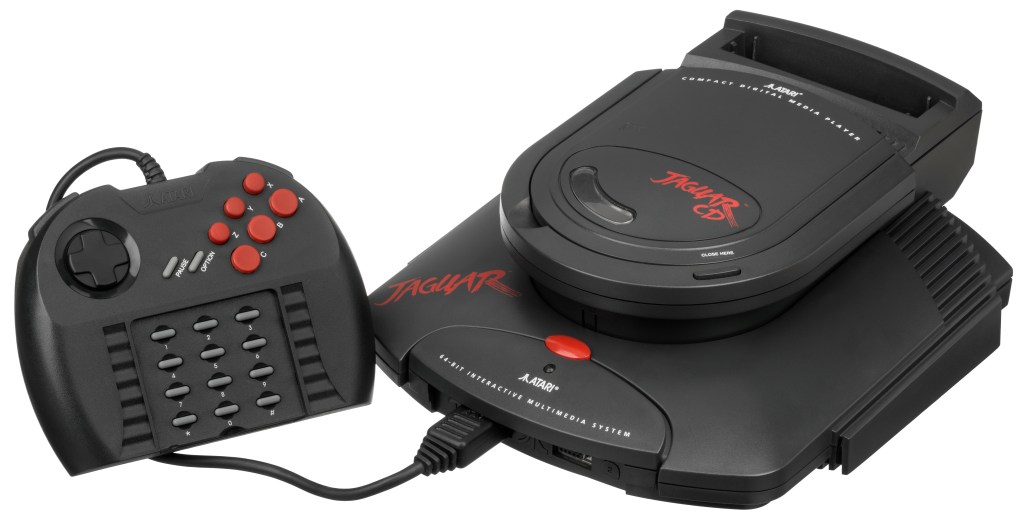
Hardware Maintenance Checklist
| Console | Common Failure Point | Prevention/Fix |
|---|---|---|
| Bally Astrocade | Overheating / Custom Chips | Install heatsinks and improve airflow. |
| Atari Jaguar CD | Drive Motor / Laser Lens | Regular lubrication of rails and lens cleaning. |
| PC Engine/TurboGrafx | Capacitor Leakage | Full "re-cap" of the internal circuit board. |
| Nokia N-Gage | Screen "White Out" | Check and secure the internal display ribbon cable. |
| Tiger Gizmondo | Battery Swelling | Remove the original battery to prevent casing damage. |
Vintage console collecting tips always emphasize the importance of authentication. When buying rare retro gaming hardware, especially prototypes or limited editions, you must be wary of "re-shells" or fakes. Avoiding scams when buying rare retro game consoles requires a keen eye for detail. On prototypes, look for hand-written EPROM labels and unique serial numbers. On regional variants like the PlayStation 2 Automobile Edition, verify the specific paint codes and matching controllers that were part of the original limited production.
Aesthetics and Preservation: Displaying Your Collection
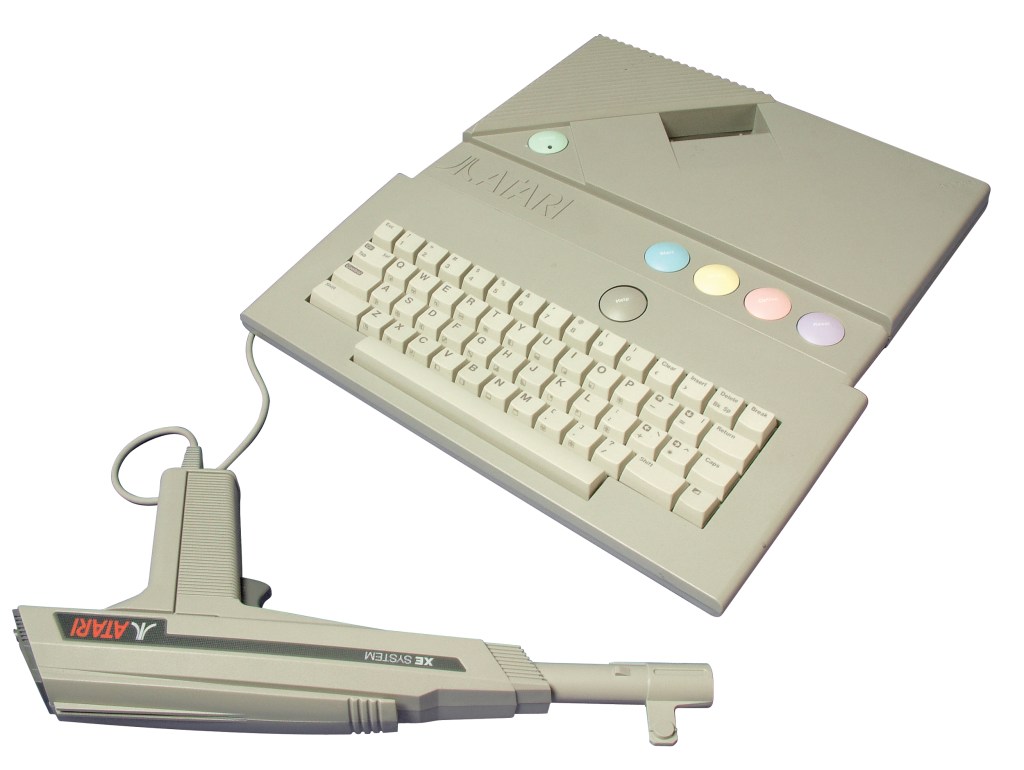
A collection of obscure game consoles is more than just a library of software; it is a museum of industrial design. Many of these systems feature bizarre form factors that make them a nightmare to shelve but a dream to display. From the vertical tower of the Konix Multisystem to the keyboard-heavy layout of the Atari XEGS, these machines demand creative display ideas for oddly shaped vintage game systems.
Proper storage is critical for protecting the aftermarket value of your collection. Plastic degradation, especially the yellowing caused by UV exposure, can turn a pristine white console into an eyesore. Many collectors use museum-grade acrylic cases for their most valuable items, ensuring that the hardware remains protected from dust and light while still being visible.
The projected growth of the market to $8.5 billion by 2033 suggests that the financial stakes of this hobby are only getting higher. As these machines age, the number of functional units will inevitably dwindle. By focusing on maintenance and proper preservation, you aren't just building a valuable collection; you are ensuring that future generations can witness the strange, experimental, and sometimes beautiful failures that paved the way for the gaming world we know today.
FAQ
What is the rarest game console ever made?
The rarest game console is generally considered to be the Nintendo PlayStation prototype, a physical relic of the failed partnership between Nintendo and Sony. Only about 200 prototypes were allegedly produced, and only one is currently confirmed to exist in the public domain. Other extreme rarities include the Sega Pluto and the Gold Nintendo 64 produced for a specific contest in Australia.
Are obscure game consoles worth collecting?
Obscure game consoles are worth collecting for those interested in the history of technology and video game preservation. While they may not offer the best gaming experience, their value often appreciates due to production scarcity. However, they require more maintenance than mainstream consoles and can be expensive to repair due to the lack of replacement parts.
What makes a video game console considered rare?
A console is considered rare based on several factors: short production runs (discontinued quickly), regional exclusivity (only released in one country like the Casio Loopy in Japan), or being a prototype that was never intended for retail sale. Additionally, the condition of the hardware and the presence of original packaging—known as complete-in-box—significantly impact the rarity and value.
Can you still play games on obscure vintage consoles?
Yes, you can still play games on most obscure vintage consoles, provided the hardware has been maintained. However, collectors often face challenges such as finding working proprietary media formats or dealing with circuit board degradation. Many collectors choose to perform a full capacitor replacement to ensure the system remains functional for years to come.