Quick Facts
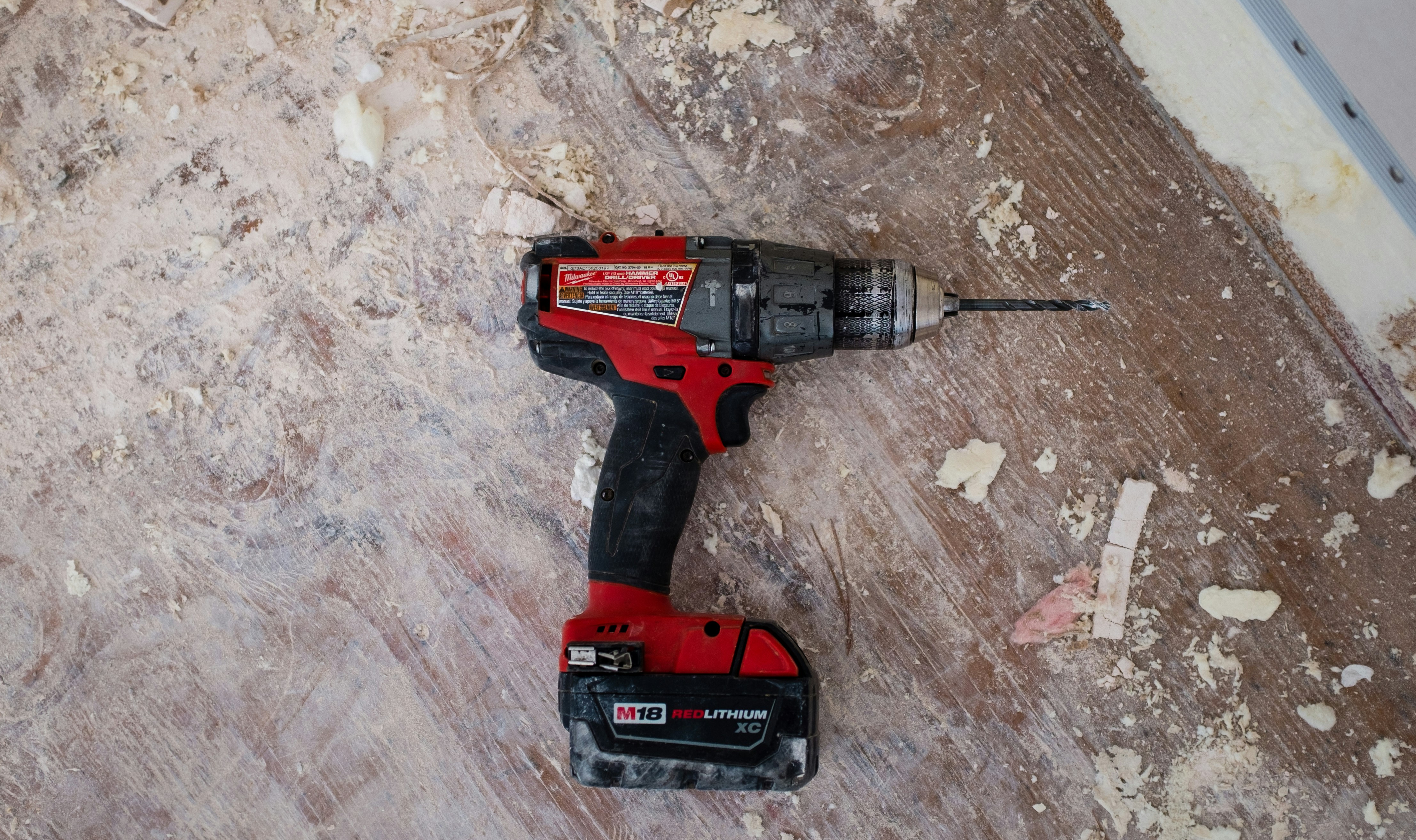
- Average Drill Usage: A typical power drill is only used for 12 to 13 minutes in its entire lifetime.
- Annual Savings: Households participating in tool sharing save an average of $600 every year.
- Membership Costs: Most libraries charge between $30 and $100 annually, with sliding scales available.
- Global Network: There are now over 2,000 Libraries of Things operating across the globe as of 2024.
- Inventory Depth: A community tool library often stocks thousands of items, from basic screwdrivers to industrial tillers.
- Sustainability: Sharing tools reduces the environmental impact of manufacturing and minimizes household waste.
A community tool library operates like a traditional library but provides access to power tools, garden equipment, and DIY gear instead of books. By paying a small annual fee, you can achieve significant results in saving money on home repairs with tool libraries while avoiding the maintenance and storage burdens of individual ownership.
The Economics of Sharing: Why Individual Ownership Fails
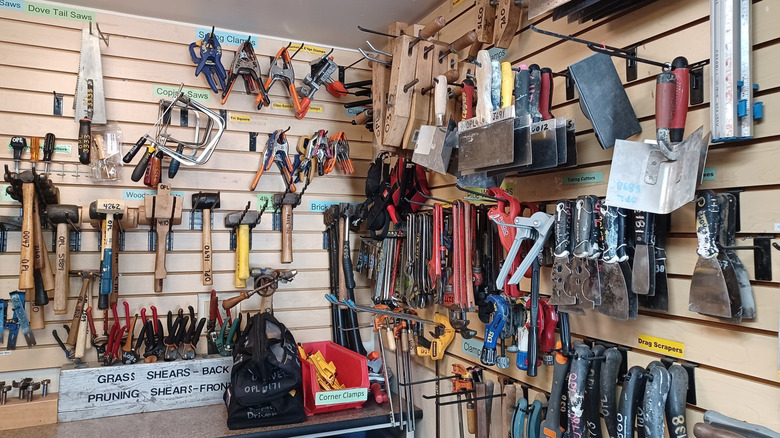
We have been conditioned to believe that homeownership requires a garage full of expensive equipment. However, the data suggests otherwise. Consider the fact that the average power drill is used for an estimated 12 to 13 minutes over its entire functional lifetime. When you spend $150 on a high-end drill only to use it for a few minutes a year, you are paying over $10 per minute of use. That is an inefficient use of your hard-earned capital.
Beyond the initial purchase price, owning tools comes with hidden costs. You have to buy storage racks, maintain engines, and eventually figure out how to dispose of them once they break. By deciding to borrow power tools instead of buying them, you reclaim your garage space and your weekend time. Statistics show that neighborhood tool libraries allow participating households to save an average of $600 annually by providing access to equipment that would otherwise cost thousands of dollars to accumulate piece by piece.
This shift toward the sharing economy is not just about personal finance; it is about community resilience. When tools are treated as public infrastructure, a neighborhood becomes more capable of maintaining its property and responding to emergencies without each individual household needing to be a master mechanic with a full shop.
Cost Comparison: Buying vs. Borrowing
| Equipment Type | Average Purchase Price | Tool Library Membership (Annual) | 2-Day Rental (Big Box Store) |
|---|---|---|---|
| Heavy Duty Tile Saw | $350 - $600 | Included | $120 |
| Gas-Powered Wood Chipper | $700 - $1,200 | Included (Plus small surcharge) | $180 |
| Pressure Washer | $200 - $400 | Included | $85 |
| Total Investment | $1,250 - $2,200 | $30 - $100 | $385 |

Understanding Tool Library Membership Fees and Rules
If you are wondering how tool library memberships work, the process is remarkably simple. Most organizations operate as non-profits or community-led collectives. To get started, you typically visit the library in person to provide proof of residency and sign a borrower's agreement. This document outlines your responsibilities as a member, ensuring you treat the shared equipment with respect.
The tool library membership fees are designed to be inclusive rather than exclusive. While a standard individual membership might fall in the $50 to $100 range, many programs operate on a sliding scale. This ensures affordable tool rental for seniors and students or those currently in low-income households. Some libraries even allow you to volunteer your time in exchange for membership, further lowering the barrier to entry.
Once you are a member, you gain access to an online catalog, often managed by specialized myTurn software. This allows you to browse the inventory from home, see what is currently available, and even reserve specific items for a weekend project. To protect the organization and its members, everyone must sign a liability waiver before taking any equipment home. This is a standard legal step that acknowledges the inherent risks of operating heavy machinery.
It is also important to familiarize yourself with the tool library borrowing rules and late fines. Most libraries allow you to keep an item for seven days. If you bring a tool back late, a small daily fine is usually assessed to encourage timely returns so the next neighbor can start their project. If a tool is lost or severely damaged due to negligence, you may be responsible for replacement fees, though normal wear and tear is usually covered by your annual dues.
Inside the Inventory: From Drills to Super Tools
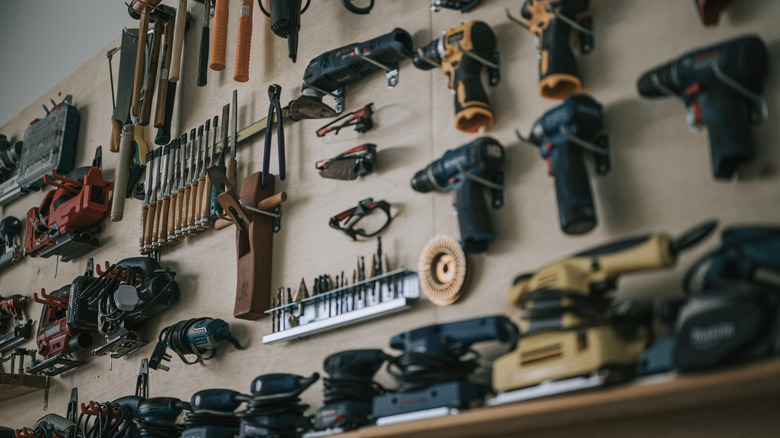
The true magic of these spaces lies in the diversity of the tool lending library inventory. It is not just about hammers and screwdrivers. You will find specialized gear that you might only need once every five years. This makes borrowing expensive power tools for DIY projects—like a drum sander for refinishing floors or a demolition hammer for a bathroom remodel—practical and accessible.
The inventory is generally divided into several core categories:
- General Carpentry: Miter saws, table saws, cordless drills, and planers.
- Yard and Garden Equipment: Many members find great value in borrowing garden tools from library collections, including post-hole diggers, leaf blowers, and hedge trimmers.
- Plumbing and Electrical: Pipe wrenches, snakes, multimeters, and soldering kits.
- Auto Repair: Torque wrenches, floor jacks, and OBD-II scanners.
Tool Spotlight: The "Super Tools" Some libraries distinguish between basic hand tools and "Super Tools." These are high-value, high-maintenance items like heavy-duty stump grinders or industrial carpet cleaners. While access is included in your membership, these specific items might carry a small daily maintenance surcharge (e.g., $10-$20) to cover the cost of consumables like blades or fuel filters.

Beyond Borrowing: Workshops and Community Impact
While saving money is the primary hook, the social impact of these libraries is perhaps their most enduring legacy. Many locations serve as community hubs, hosting DIY workshops where experienced carpenters or plumbers teach novices how to use tools safely. These workshops transform a simple rental transaction into a skill-building experience, empowering people to take control of their living environments.
Furthermore, the inventory itself is often built through tool donations. When a professional woodworker retires or a family moves to a smaller home, their well-loved tools find a second life serving hundreds of neighbors rather than gathering dust in a basement. This cycle of donation and shared use is a perfect example of sustainable living in action.
As of 2024, the movement has grown significantly. There are now approximately 2,000 formally established Libraries of Things operating worldwide. This growth suggests that we are moving away from the era of hyper-consumerism and toward a more cooperative future where access is prioritized over ownership.
Join the Movement
Finding a community tool library is easier than ever. You can check local community center boards or search online databases. If your town doesn't have one yet, many groups are starting mobile libraries—using trailers or vans to bring tools directly to different neighborhoods.
By joining, you aren't just getting a wrench or a saw; you are voting for a more sustainable, affordable, and connected way of life. Whether you are a weekend warrior or a first-time DIYer, the library is ready to help you build something better.

FAQ
What is a community tool library?
A community tool library is a resource-sharing center that functions like a public library for books, but it stocks tools and equipment for home improvement, gardening, and repairs. Members pay an annual fee to gain access to a large inventory of items they can borrow for a set period, usually one week.
How do community tool libraries work?
They work by pooling community resources to purchase and maintain a wide variety of tools. Once you become a member and sign a liability waiver, you can check out tools through an online system or in person. After completing your project, you return the tools so others can use them, helping to reduce waste and save everyone money.
How much does it cost to use a tool library?
Membership fees typically range from $30 to $100 per year, though many libraries offer a sliding scale or income-based access. Some high-value items may require a small daily maintenance fee, but the vast majority of tools are included in the base membership cost, making it much cheaper than traditional rentals.
What types of tools can you borrow from a tool library?
You can find almost anything needed for home maintenance. Common items include power drills, saws, lawn mowers, pressure washers, tillers, and specialized plumbing tools. Many libraries also stock "Library of Things" items like camping gear, sewing machines, or kitchen appliances.
What happens if I break a tool from the tool library?
Most libraries expect normal wear and tear, and you won't be charged if a tool simply reaches the end of its natural life while you are using it. however, if a tool is broken due to obvious misuse or is lost, you may be required to pay for the repair or a replacement fee as outlined in your borrower's agreement.